NGHỆ THUẬT
LÀM ĐẸP VÀ SỨC KHỎE
THỦ CÔNG
VĂN HÓA VÀ LỊCH SỬ
GIẢI TRÍ
MÔI TRƯỜNG
THỰC PHẨM VÀ ĐỒ UỐNG
KỸ THUẬT NGƯỢC
KHOA HỌC
THỂ THAO
CÔNG NGHỆ
THIẾT BỊ ĐEO

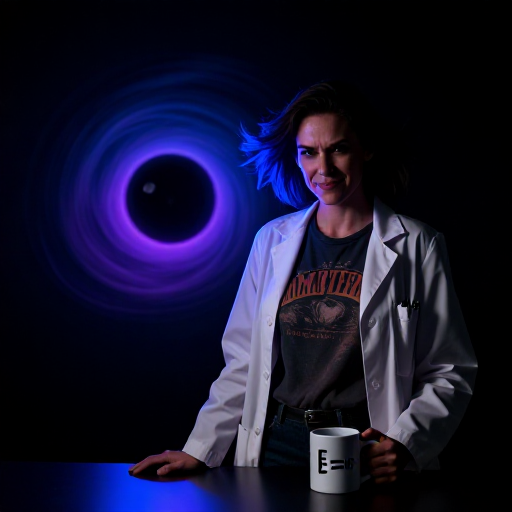

Ultraviolet Water Disinfection
Chlorine leaves a residual, which is its great virtue and also its cost: it has to react with the water, it changes the taste, and with certain organics it forms by-products nobody wants to drink.
Ultraviolet light does the same job with no chemistry at all. Light at about 254 nanometres is absorbed by DNA, welding adjacent thymine bases into dimers that the cell can no longer read — the organism is still there, still intact, and can no longer reproduce. Marseille put the first municipal UV plant into service in 1910. You will build a flow cell around a germicidal lamp, work out the dose it delivers, and find out why the thing that defeats it is not the microbe but the water.
⚠ Germicidal UV burns eyes and skin within seconds and you will not feel it happening until hours later. The lamp must never be run where its light can reach you.
Trung cấp
4 hours
Hướng dẫn
1
1
Respect the lamp before you wire it
Respect the lamp before you wire it
A low-pressure mercury germicidal lamp emits at 254 nm, right in the band DNA absorbs — which is exactly why it is also the band that damages your cornea and skin. The injury, photokeratitis, feels like sand in the eye and arrives six to twelve hours after the exposure that caused it.
Rules, not suggestions: the lamp runs only inside a closed, opaque housing; you switch it on only when it is enclosed; ordinary glasses do not protect you, and ordinary window glass, usefully, blocks 254 nm almost completely. Check any lamp you buy is a germicidal type and not a 'blacklight' at 365 nm, which does nothing to microbes.
Công cụ cần thiết:
 Kính bảo hộ kín
2
2
Build the flow cell
Build the flow cell
Run the lamp down the axis of an opaque pipe, sealed at both ends, with the water flowing through the annular gap around it. Keep the gap small — 10 to 20 millimetres of water between lamp and wall.
The gap is the single most important dimension in the build, and the next step explains why. Seal the ends properly: this is mains voltage next to water, so the lamp's electrical end must be dry and outside the wetted volume, and the whole thing should run through an RCD.
Vật liệu cho bước này:
 Ống PVC1 length
 Ống silicon2 metre
3
3
Feed it clear water only
Feed it clear water only
Plumb the cell after your filter, never before it. Feed it from a header bucket with a valve so you can set a steady, slow flow.
Turbidity is the enemy of UV in a way it is not for chlorine. A particle does not merely absorb light — it gives a microbe somewhere to hide, and a bacterium in the shadow of a clay particle receives no dose at all while the water around it is thoroughly sterilised. This is why UV is the LAST rung, and why the coagulation and filtration rungs are what make it work.
Công cụ cần thiết:
 Xô
Xô Van bi
4
4
Dose: the number that decides everything
Dose: the number that decides everything
Đang tải sổ tay Jupyter…
Công cụ cần thiết:
 Ống đong
 Đồng hồ bấm giờ
5
5
Measure flow and set it slow
Measure flow and set it slow
Time how long the cell takes to fill a measuring jug, and set the valve until the dose calculation clears 40 mJ/cm² with room to spare. On a small lamp that usually means a flow you would call disappointing.
Resist the urge to open the valve. Dose falls exactly in proportion to flow: double the litres per minute and you have halved the treatment. A UV unit run beyond its rating produces perfectly clear, perfectly untreated water, and nothing about it looks wrong.
Công cụ cần thiết:
Ống đongĐồng hồ bấm giờ6
6
The sleeve, the lamp's age, and the two silent failures
The sleeve, the lamp's age, and the two silent failures
If your lamp sits in a quartz sleeve, clean it on a schedule. Ordinary glass blocks 254 nm, so the sleeve must be quartz — and a film of iron or hardness scale on it blocks the light just as thoroughly as the wrong material would.
The second failure is the lamp itself. A germicidal lamp keeps glowing visibly long after its 254 nm output has faded, typically to 70 per cent by 9,000 hours or so. It looks exactly as it did on day one. Both failures are invisible, which is why plants fit a UV sensor and an alarm rather than trusting the glow.
7
7
Compare the three disinfectants honestly
Compare the three disinfectants honestly
Run the same filtered water three ways — chlorinated, UV-treated, and untreated — and think about where each belongs rather than which wins.
UV: no chemicals, no taste, no by-products, works in seconds, beats Cryptosporidium which chlorine barely touches. But no residual, needs power, and fails silently. Chlorine: leaves protection all the way to the tap, cheap, storable. But it needs contact time, forms by-products with organics, and struggles against Cryptosporidium. Large systems often use both, in that order, for exactly these reasons. Neither one can rescue cloudy water, and that is the thread running through this whole batch.
Công cụ cần thiết:
 Lọ thuỷ tinh
Blueprint liên quan
Các blueprint này chia sẻ kiến thức — kỹ thuật, vật liệu hoặc nguyên tắc


CC0 Phạm vi công cộng
Bản thiết kế này được phát hành theo CC0. Bạn tự do sao chép, sửa đổi, phân phối và sử dụng cho bất kỳ mục đích nào mà không cần xin phép.
Hỗ trợ nhà sáng tạo bằng cách mua sản phẩm qua bản thiết kế, nơi họ nhận Hoa hồng nhà sáng tạo do nhà bán hàng đặt, hoặc tạo phiên bản mới và kết nối trong bản thiết kế riêng để chia sẻ doanh thu.