NGHỆ THUẬT
LÀM ĐẸP VÀ SỨC KHỎE
THỦ CÔNG
VĂN HÓA VÀ LỊCH SỬ
GIẢI TRÍ
MÔI TRƯỜNG
THỰC PHẨM VÀ ĐỒ UỐNG
KỸ THUẬT NGƯỢC
KHOA HỌC
THỂ THAO
CÔNG NGHỆ
THIẾT BỊ ĐEO
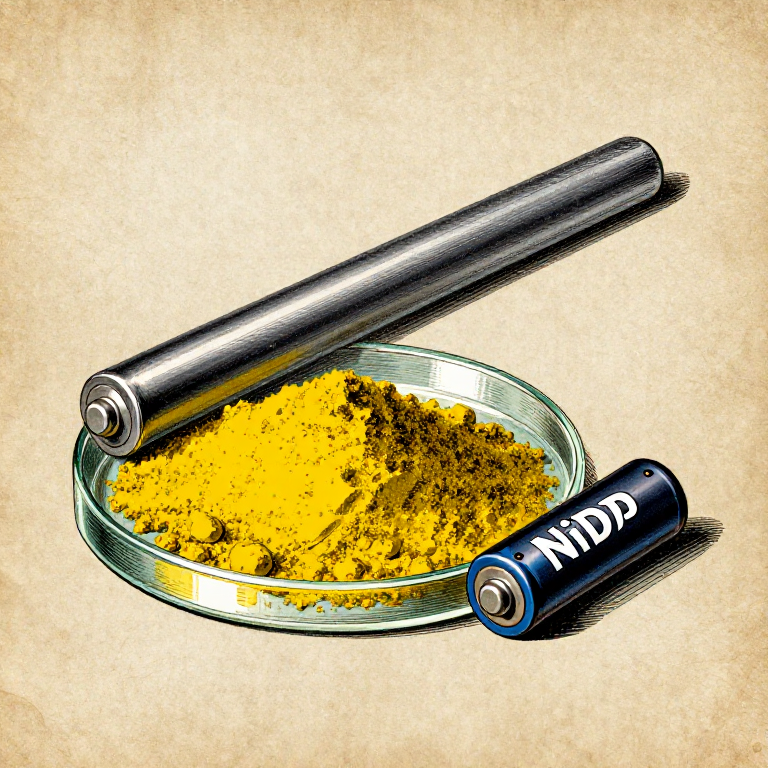
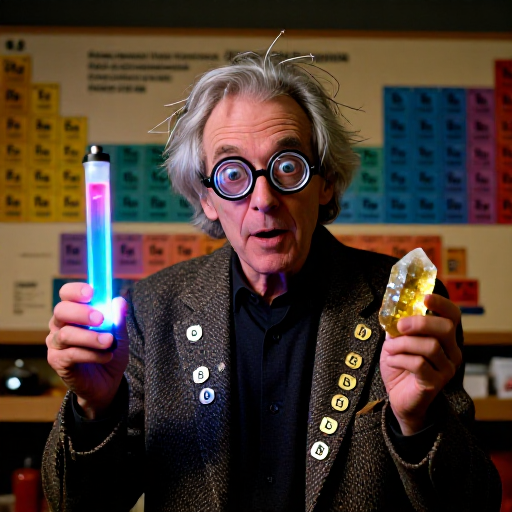
Understanding Cadmium from Zinc Smelting — The Toxic Metal in Rechargeable Batteries
Trung cấp
Hướng dẫn
1
1
Understand Cadmium's Discovery
Understand Cadmium's Discovery
Friedrich Stromeyer discovered cadmium in 1817 while inspecting zinc carbonate (calamine) at a pharmacy in Göttingen, Germany. He noticed that some samples turned yellow when heated — pure zinc carbonate should remain white. The yellow color came from a new element he isolated by roasting the contaminated calamine and reducing the oxide with carbon. He named it cadmium from 'cadmia,' the Latin name for calamine ore.
2
2
Identify Cadmium Sources
Identify Cadmium Sources
Cadmium rarely forms its own minerals — greenockite (CdS) is a collector's rarity. Virtually all commercial cadmium (99%) comes as a byproduct of zinc smelting because cadmium substitutes for zinc in sphalerite at 0.1-0.5%. The cadmium follows zinc through mining, crushing, and concentration but separates during refining because cadmium is more volatile. Global production is about 23,000 tonnes annually, tied directly to zinc output.
Công cụ cần thiết:
 Kính lúp cầm tay 10x
3
3
Trace the Zinc Smelter Recovery Path
Trace the Zinc Smelter Recovery Path
During electrolytic zinc refining, cadmium precipitates from zinc sulfate solution by adding zinc dust — cadmium is more noble than zinc and deposits on zinc particles. In pyrometallurgical smelting, cadmium volatilizes at 767°C (well below zinc's 907°C boiling point) and condenses in cooler sections of the flue system as cadmium oxide dust. This dust is collected, dissolved in sulfuric acid, and cadmium is recovered by electrolysis.
Công cụ cần thiết:
 Kính bảo hộ kín
 Găng tay chống hóa chất
4
4
Examine Cadmium Metal Properties
Examine Cadmium Metal Properties
Cadmium is a soft, silvery-white metal with a bluish tinge that tarnishes slowly in moist air. It is remarkably soft — softer than zinc — and can be cut with a knife. Melting point is 321°C, density 8.65 g/cm³. Cadmium has an unusually low melting point for its atomic weight, making it useful in low-melting alloys. When bent, cadmium emits a characteristic crackling sound (tin cry) as crystal planes slip past each other.
5
5
Understand Cadmium Toxicity
Understand Cadmium Toxicity
DANGER: Cadmium is one of the most toxic heavy metals. Inhaling cadmium oxide fumes causes rapid pulmonary edema that can be fatal within days. Chronic low-level exposure damages kidneys irreversibly and causes itai-itai disease — a painful bone-softening condition first identified in Japan's Jinzū River basin in the 1950s where mining waste contaminated rice paddies. Cadmium has a biological half-life of 10-30 years, accumulating in kidneys and liver.
6
6
Explore Nickel-Cadmium Battery Technology
Explore Nickel-Cadmium Battery Technology
The nickel-cadmium (NiCd) battery was invented by Waldemar Jungner in 1899. It uses nickel hydroxide as cathode and cadmium as anode in potassium hydroxide electrolyte. NiCd batteries dominated rechargeable applications for decades: power tools, emergency lighting, aircraft starters, and military equipment. They tolerate deep discharge and extreme temperatures (-40°C to +60°C) better than any other battery chemistry, but the EU banned them from most consumer products in 2006.
7
7
Discover Cadmium Pigments
Discover Cadmium Pigments
Cadmium sulfide (CdS) produces a brilliant, opaque yellow that no other pigment matches for permanence and covering power. Cadmium selenide extends the range through orange to deep red. Monet, Matisse, and Mondrian relied on cadmium pigments for their vivid colors. These pigments are heat-stable to 600°C, making them essential for ceramics, glass, and plastics where organic dyes would decompose. Despite toxicity concerns, no replacement matches their performance.
8
8
Understand Nuclear Reactor Applications
Understand Nuclear Reactor Applications
Cadmium has an exceptionally high neutron absorption cross-section — 2,450 barns for thermal neutrons, among the highest of any element. This makes cadmium ideal for nuclear reactor control rods: inserting cadmium rods absorbs neutrons and slows the chain reaction; withdrawing them speeds it up. Silver-indium-cadmium alloy (80% Ag, 15% In, 5% Cd) is the standard control rod material in pressurized water reactors worldwide.
9
9
Survey Cadmium Telluride Solar Cells
Survey Cadmium Telluride Solar Cells
Cadmium telluride (CdTe) thin-film solar cells have become the lowest-cost photovoltaic technology — First Solar produces panels at under $0.20 per watt. CdTe has a nearly ideal band gap of 1.45 eV for single-junction solar conversion. Despite containing toxic cadmium, lifecycle analyses show CdTe panels release less cadmium per kilowatt-hour than coal power plants. The cadmium is sealed between glass sheets and recycled at end of life.
10
10
Document Findings and Regulatory Context
Document Findings and Regulatory Context
Record cadmium's key data: atomic number 48, density 8.65 g/cm³, melting point 321°C, soft silvery-blue metal. The EU's RoHS directive restricts cadmium in electronics to 0.01% by weight — the strictest limit of any regulated substance. Cadmium plating, once common for corrosion protection in aerospace, is being replaced by zinc-nickel alloys. However, cadmium remains irreplaceable in certain military and nuclear applications where no substitute matches its performance.
Công cụ cần thiết:
 Cân chính xác
11
11
Half-life: what is left, and when
Half-life: what is left, and when
Đang tải sổ tay Jupyter…
Công cụ yêu cầu
4- Tạm thời
- Tạm thời
- Tạm thời
- Tạm thời
Vật liệu bản thiết kế liên kết
Phân bổ 10%
Extracting Zinc from Sphalerite — Roasting and Reduction of the Invisible Metal
bởi Peter
Gia công kim loại
77
0
0
0
8
0
Nguy hiểm
Phân bổ 10%
Extracting Lead from Galena — Humanity's Oldest Smelted Metal
bởi Peter
Gia công kim loại
75
0
0
0
12
0
Nguy hiểm
Phân bổ 10%
Extracting Mercury from Cinnabar — Distillation of Quicksilver from Red Ore
bởi Peter
Khai thác
89
0
0
0
3
0
Phân bổ 10%
Smelting Copper from Malachite — From Green Ore to Red Metal
bởi Peter
Gia công kim loại
104
0
0
0
10
0
Phân bổ 10%
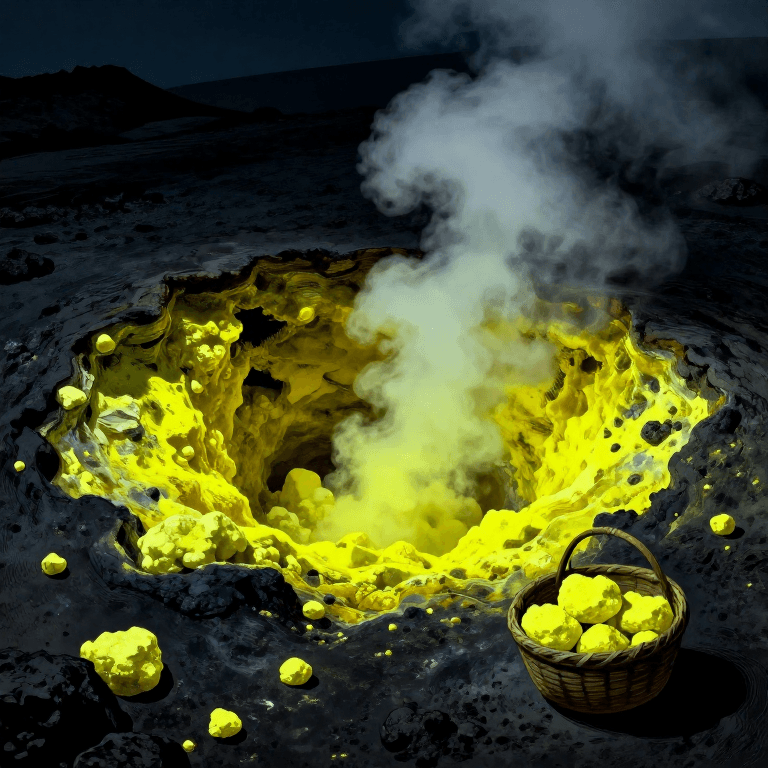
Collecting Native Sulfur from Volcanic Deposits
bởi Peter
Sa mạc
86
0
0
0
5
0
Blueprint liên quan
Các blueprint này chia sẻ kiến thức — kỹ thuật, vật liệu hoặc nguyên tắc
Nguy hiểm
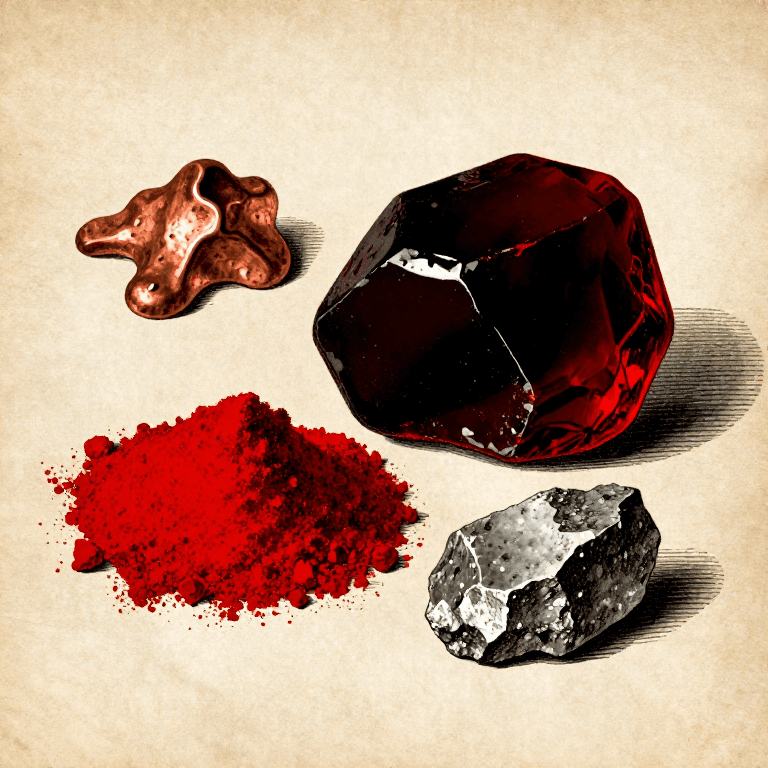
Recovering Selenium from Copper Refinery Anode Slime — The Photoconductor That Sees Light
bởi Peter
Khai thác
60
0
0
0
2
0
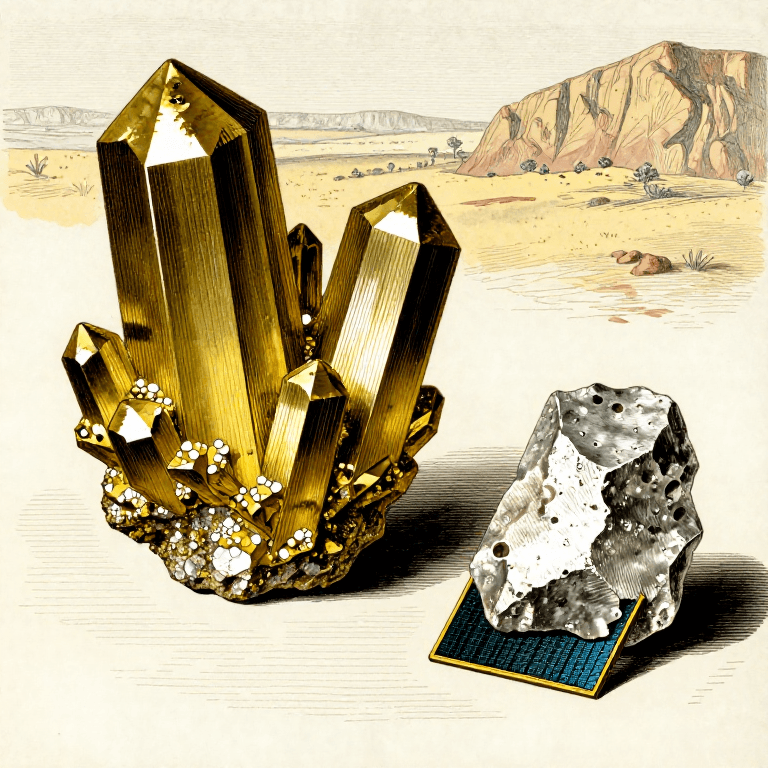
Understanding Tellurium from Calaverite — The Rarest Stable Metalloid from Gold Ore
bởi Peter
Khai thác
20
0
0
0
1
0
Nguy hiểm
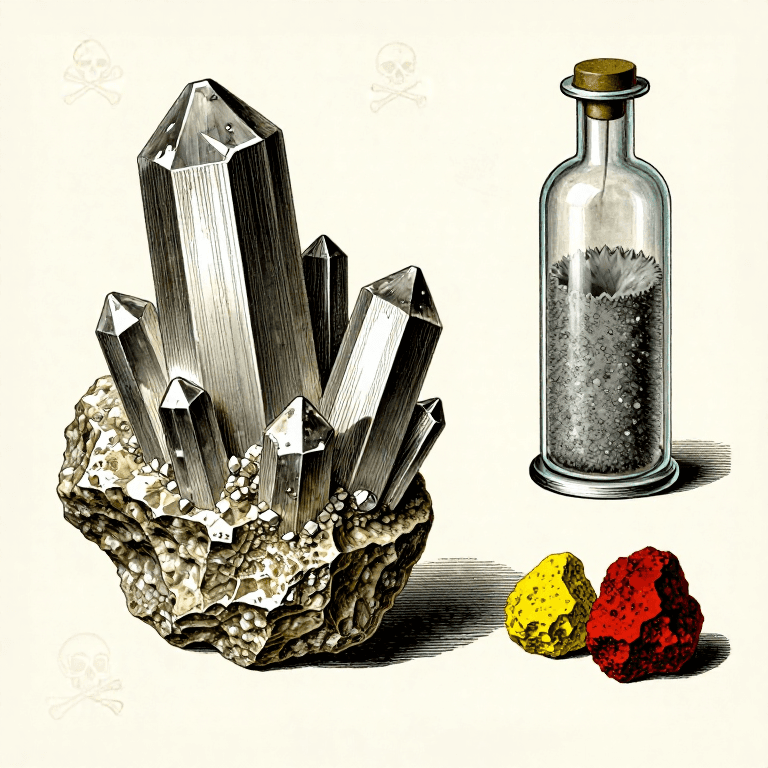
Extracting Arsenic from Arsenopyrite — The Poison King of the Elements
bởi Peter
Khai thác
52
0
0
0
3
0
CC0 Phạm vi công cộng
Bản thiết kế này được phát hành theo CC0. Bạn tự do sao chép, sửa đổi, phân phối và sử dụng cho bất kỳ mục đích nào mà không cần xin phép.
Hỗ trợ nhà sáng tạo bằng cách mua sản phẩm qua bản thiết kế, nơi họ nhận Hoa hồng nhà sáng tạo do nhà bán hàng đặt, hoặc tạo phiên bản mới và kết nối trong bản thiết kế riêng để chia sẻ doanh thu.