NGHỆ THUẬT
LÀM ĐẸP VÀ SỨC KHỎE
THỦ CÔNG
VĂN HÓA VÀ LỊCH SỬ
GIẢI TRÍ
MÔI TRƯỜNG
THỰC PHẨM VÀ ĐỒ UỐNG
KỸ THUẬT NGƯỢC
KHOA HỌC
THỂ THAO
CÔNG NGHỆ
THIẾT BỊ ĐEO
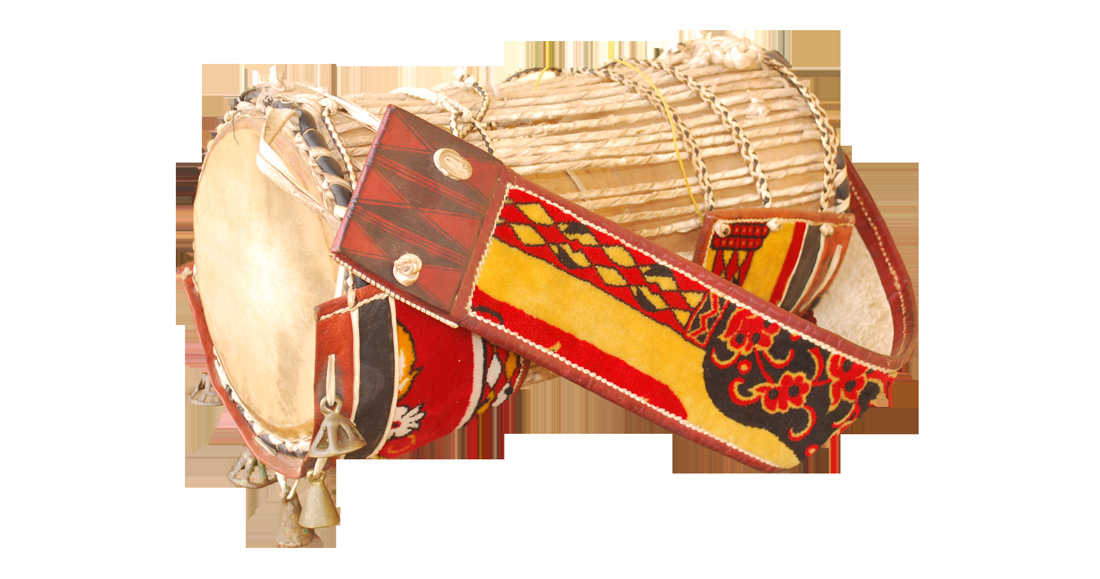
Mplanetech (Wikimedia Commons) · CC BY-SA 4.0


Building a Talking Drum — West Africa's Squeeze-to-Speak Dùndún
Build a dùndún talking drum: an hourglass drum with a skin at each end joined by long lacing you SQUEEZE to bend the pitch up and down, gliding it to imitate the tones of speech. Carve the hourglass body, head both ends, lace the tension cords, and play with a curved beater. A serious maker build in the variable-tension pressure drum — the drum that talks.
Trung cấp
Several hours over a couple of sessions
Hướng dẫn
1
1
A drum you can squeeze to talk
A drum you can squeeze to talk
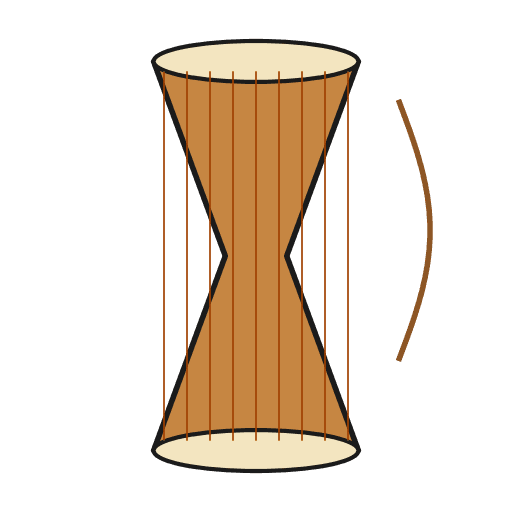
The dùndún is shaped like an hourglass with a drum skin at BOTH ends, joined by long cords down the sides. Tuck it under your arm and squeeze the cords — the heads tighten and the pitch rises; release and it falls. Slide that pitch and the drum seems to speak.
2
2
Carve the hourglass body
Carve the hourglass body
Shape a hollow hourglass — wide and open at both ends, pinched to a narrow waist in the middle, bored right through. Traditionally carved from a single log; built up from wood, keep the bore open end to end and the walls even.
Vật liệu cho bước này:
 Tấm gỗ mềm đã khô1 cái
 Keo gỗ PVA1 cái
Công cụ cần thiết:
 Dao khắc sloyd
 Cưa sắt
3
3
Cut the two heads
Cut the two heads
Cut two round rawhide heads, each a bit wider than the drum's open ends. Goat skin is traditional and gives a bright, speaking tone.
Vật liệu cho bước này:
 Da sống2 cái
4
4
Make two rings and mount the heads
Make two rings and mount the heads
Bend a ring to fit each open end. Soak each skin, fold it over its ring, and seat one head on each end of the hourglass so both ends are covered.
Vật liệu cho bước này:
 Dây đồng thanh1 cái
5
5
Lace the tension cords
Lace the tension cords
Lace one long cord back and forth the FULL length of the drum, zig-zagging between the two head rings so the cords run down the outside past the waist. These cords connect the two heads — pulling them shortens the distance and stretches BOTH skins at once. This lacing is the whole secret of the talking drum.
Vật liệu cho bước này:
 Dây buộc sợi chuối abaca1 cái
Công cụ cần thiết:
 Dùi
Dùi6
6
Fit the curved beater
Fit the curved beater
Shape a beater with a hooked, bent tip — the curve lets you strike the head cleanly while your arm is busy squeezing the cords.
Vật liệu cho bước này:
 Thanh chốt gỗ1 cái
7
7
Play and make it speak
Play and make it speak
Hold the drum between your upper arm and ribs with the cords under your arm. Strike a head with the curved beater; SQUEEZE your arm to pull the cords and bend the note UP, relax to let it fall. Glide between pitches to trace the rising and falling tones of spoken words.
8
8
Compendium — the variable-tension pressure drum
Compendium — the variable-tension pressure drum
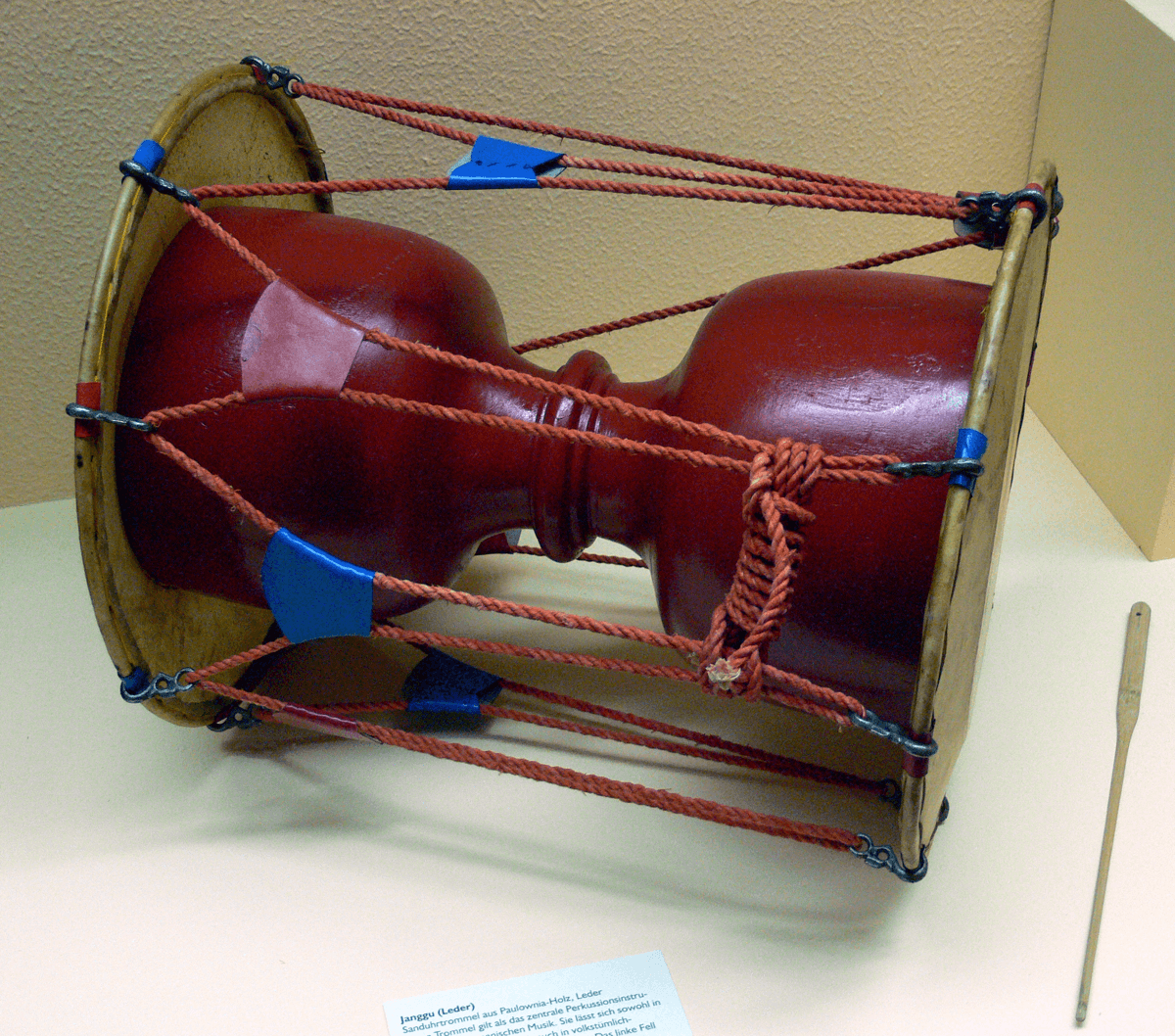
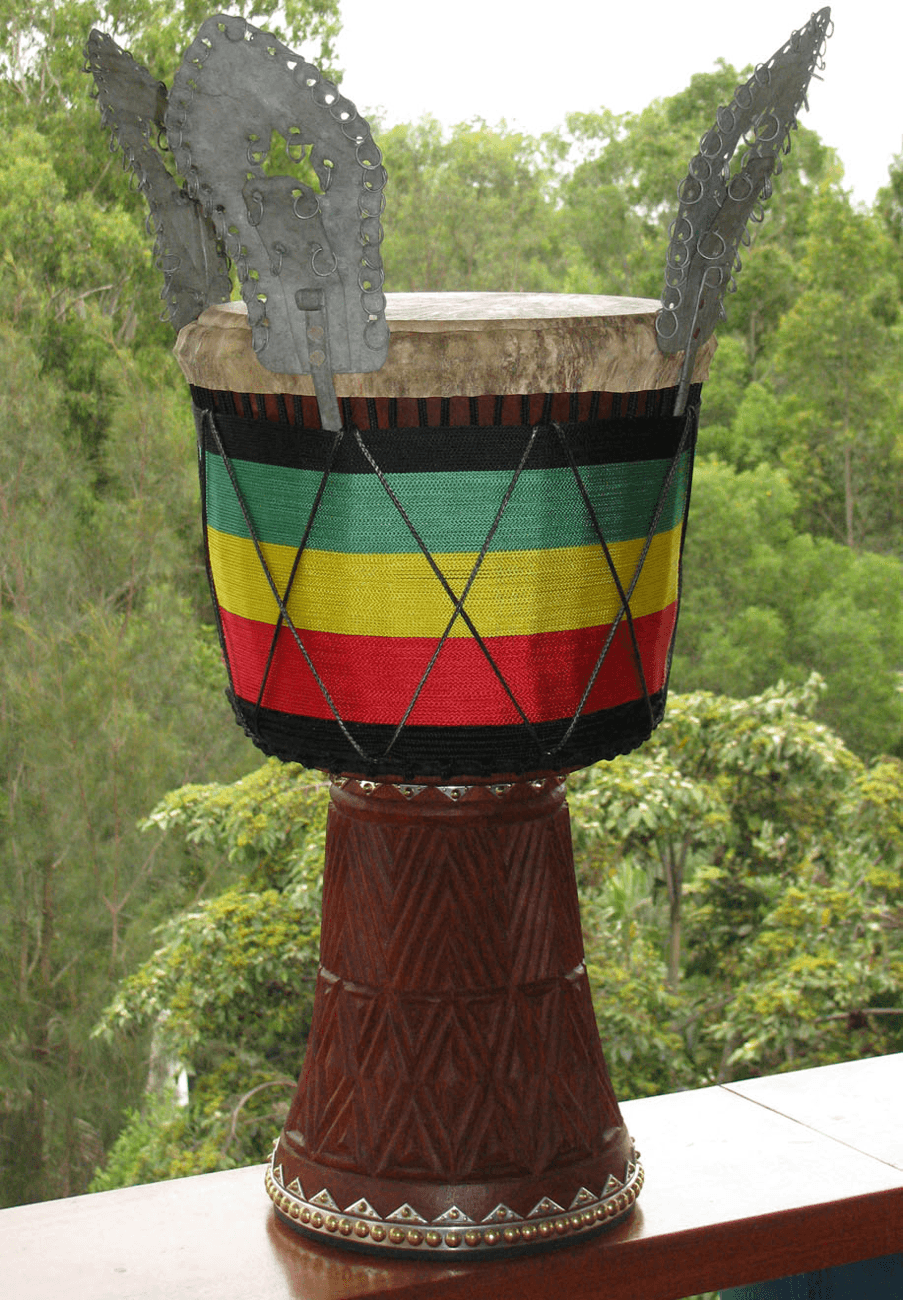
Every drumhead follows one rule: the tighter it is stretched, the higher it sounds. Most drums fix that tension once — a djembe is roped tight and then it stays put, tuned to a single pitch. The talking drum's genius is that it makes tension ADJUSTABLE while you play. Its two heads are tied to each other by cords running the length of the hourglass body, so squeezing the cords inward pulls the two rings together and stretches both skins at once; the pitch leaps up, and the instant you release, it drops back — and because you can squeeze by any amount, the drum doesn't jump between fixed notes but GLIDES smoothly through them. That glide is why it 'talks': the languages of West Africa (Yoruba, Dagbani and others) are tonal, where the up-and-down pitch of a syllable carries meaning, so a skilled player slides the drum's pitch to trace the melody of real spoken phrases — sending proverbs, praise and news across a village, a true drum language. The hourglass-with-two-heads shape and its squeeze-lacing are shared with pressure drums right across Africa and Asia — it is a close cousin of the Korean janggu, another hourglass drum, and it uses the very same rope-tensioned skin as the djembe, only here the ropes are meant to be pulled mid-performance. Carried by griots and by the Yoruba àyàn drummer families for many centuries, the dùndún is the original talking machine.
Vật liệu
6- 1 cáiTạm thời
- 1 cáiTạm thời
- 2 cáiTạm thời
- 1 cáiTạm thời
- Tạm thời
- 1 cáiTạm thời
Bản thiết kế này làm ra
Blueprint liên quan
Các blueprint này chia sẻ kiến thức — kỹ thuật, vật liệu hoặc nguyên tắc
CC0 Phạm vi công cộng
Bản thiết kế này được phát hành theo CC0. Bạn tự do sao chép, sửa đổi, phân phối và sử dụng cho bất kỳ mục đích nào mà không cần xin phép.
Hỗ trợ nhà sáng tạo bằng cách mua sản phẩm qua bản thiết kế, nơi họ nhận Hoa hồng nhà sáng tạo do nhà bán hàng đặt, hoặc tạo phiên bản mới và kết nối trong bản thiết kế riêng để chia sẻ doanh thu.