NGHỆ THUẬT
LÀM ĐẸP VÀ SỨC KHỎE
THỦ CÔNG
VĂN HÓA VÀ LỊCH SỬ
GIẢI TRÍ
MÔI TRƯỜNG
THỰC PHẨM VÀ ĐỒ UỐNG
KỸ THUẬT NGƯỢC
KHOA HỌC
THỂ THAO
CÔNG NGHỆ
THIẾT BỊ ĐEO
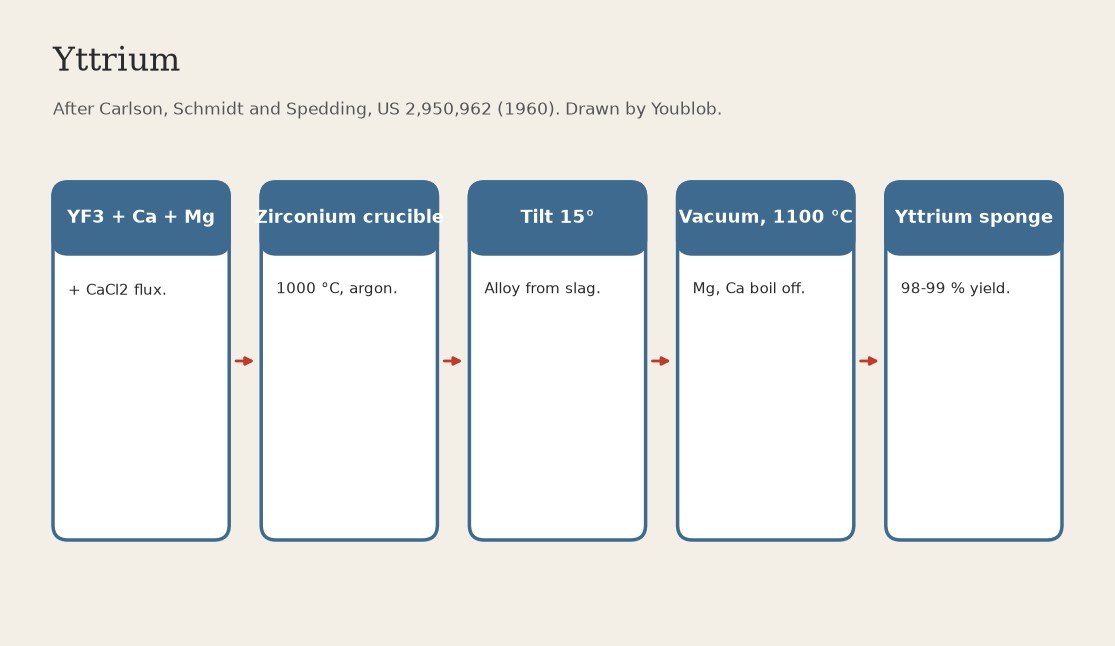


Yttrium: Fluoride Reduced with Calcium and Magnesium at 1000 °C, then Distilled to Sponge (Carlson, Schmidt and Spedding, US 2,950,962)
Calcium alone reduces yttrium fluoride only at 1500 °C. Adding magnesium makes a low-melting yttrium-magnesium alloy, and calcium chloride thins the slag, so the job runs at about 1000 °C. The magnesium and calcium are then boiled off in vacuum, leaving yttrium sponge.
Result: yttrium sponge (yield 98-99 % in the alloy step), usable as a getter or remelted to an ingot.
Source: O. N. Carlson, F. A. Schmidt and F. H. Spedding, US 2,950,962 (1960). Hot work under argon; calcium reacts with water. Picture drawn by Youblob.
Nâng cao
2 days
Hướng dẫn
1
1
Weigh and mix the charge
Weigh and mix the charge
Dry the calcium chloride in vacuum at about 550 °C. Mix thoroughly 2600 g of pure, fine yttrium fluoride, 2090 g of calcium chloride, 1285 g of granular calcium (about 20 % excess) and 395 g of magnesium turnings, and pack it into a zirconium crucible with a lid carrying a pressure-release valve.
Vật liệu cho bước này:
 Ytri florua1 2600 g
Công cụ cần thiết:
 Canxi
 Magiê
 Canxi clorua
 Bơm chân không
 Chén nung zirconi
2
2
Reduce at about 1000 °C
Reduce at about 1000 °C
Under argon (or helium) at about atmospheric pressure, set the crucible in a furnace already at 950-1050 °C and keep heating for about half an hour; the reaction gives off little heat. An yttrium-magnesium-calcium alloy forms under a calcium fluoride-calcium chloride slag.
Công cụ cần thiết:
Chén nung zirconi Lò nồi nấu kim loại
 Argon
3
3
Separate alloy and slag
Separate alloy and slag
Take the retort out and tilt it about 15° from horizontal so the slag and alloy freeze in thin layers along the side wall, then break them apart. The alloy is brittle (typically 19 % magnesium, 7-8 % calcium). Crush it to pieces of about 1/2 in.
Công cụ cần thiết:
Chén nung zirconi Cối và chày
4
4
Boil off magnesium and calcium in vacuum
Boil off magnesium and calcium in vacuum
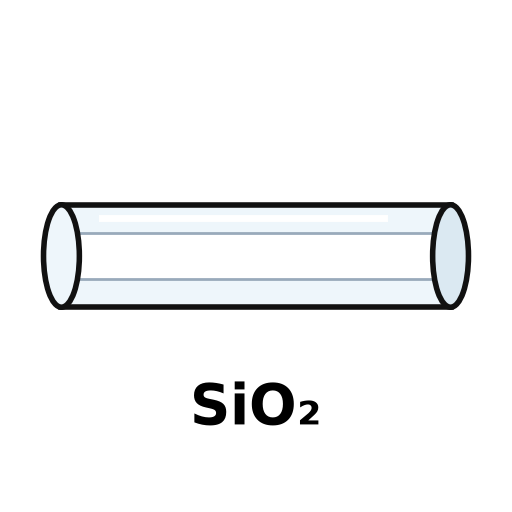
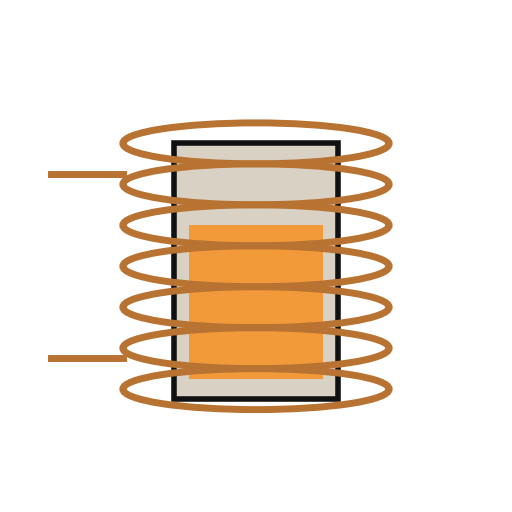
Pack the pieces in a crucible of the same metal set in a graphite heater inside a quartz tube. Pump down to about 1 micron or less and heat by induction to about 800 °C, then more slowly to 1100 °C (about three hours). The alloy does not melt; magnesium and calcium distil away (about 27 % weight loss), leaving porous yttrium sponge.
Công cụ cần thiết:
Chén nung zirconi Chén nung graphit
 Ống thạch anh nóng chảyBơm chân không
 Lò cảm ứng
5
5
Remelt to an ingot (optional)
Remelt to an ingot (optional)
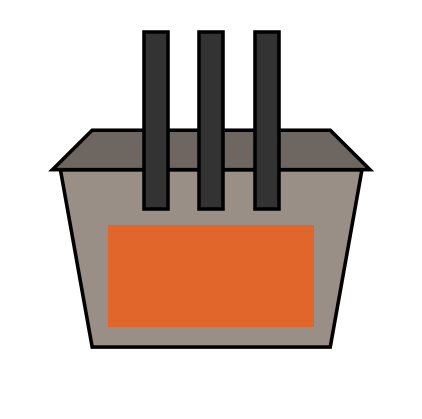
Use the sponge as it is (for example as a getter in vacuum tubes), or remelt it in a consumable arc furnace under helium or vacuum to get a solid ingot.
Công cụ cần thiết:
 Lò hồ quang điện
Vật liệu
1- 1 2600 gTạm thời
Công cụ yêu cầu
12- Tạm thời
- Tạm thời
- Tạm thời
- 1 vendor sell this, none ship to you yetTạm thời
- Tạm thời
- Tạm thời
- Tạm thời
- Tạm thời
- Tạm thời
- Tạm thời
- Tạm thời
- Tạm thời
Bản thiết kế này làm ra

Blueprint liên quan
Các blueprint này chia sẻ kiến thức — kỹ thuật, vật liệu hoặc nguyên tắc
CC0 Phạm vi công cộng
Bản thiết kế này được phát hành theo CC0. Bạn tự do sao chép, sửa đổi, phân phối và sử dụng cho bất kỳ mục đích nào mà không cần xin phép.
Hỗ trợ nhà sáng tạo bằng cách mua sản phẩm qua bản thiết kế, nơi họ nhận Hoa hồng nhà sáng tạo do nhà bán hàng đặt, hoặc tạo phiên bản mới và kết nối trong bản thiết kế riêng để chia sẻ doanh thu.