UBUCIKO
UBUHLE NEMPILO
UBUCIKO BEZANDLA
AMASIKO NOMLANDO
EZOKUZIJABULISA
IMVELO
UKUDLA NEZIPHUZO
REVERSE ENGINEERING
IZAYENSI
EZEMIDLALO
UBUCHWEPHESHE
IZINTO EZIGQOKWAYO
Izikhathi
Ama-Blueprint angu-1,510 ayatholakala • Izigatshana ezingu-17
Yeqashela Izigatshana
AmaViking
AmaRoma
AmaGibhithe
IGreece Yasendulo
Isikhathi Se-Edo
Ngaphambi Komlando
Kwasendulo
Iminyaka Ephakathi
Kwesimanje
Postmodern
Industry 1.0 — Steam & Mechanization (1760)
Industry 2.0 — Electricity, Steel & Oil (1870)
Industry 3.0 — Assembly Line & Mass Production (1913)
Industry 4.0 — Computers & Digital Automation (1960)
Industry 5.0 — Open Knowledge & AI Collaboration (2026)
Renaissance (1400–1600)
Scientific Revolution (1600–1760)
Ama-Blueprint (1,510)
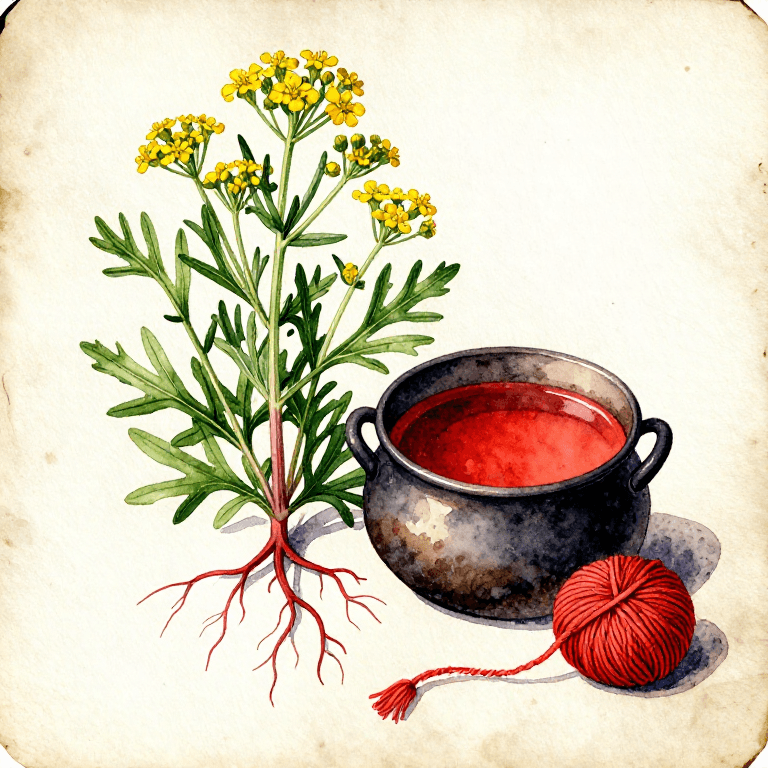
Dyeing Red with Lady's Bedstraw — The Wild Madder of Northern Europe
ngu-Tex
Ngaphambi Komlando
68
0
0
0
1
0
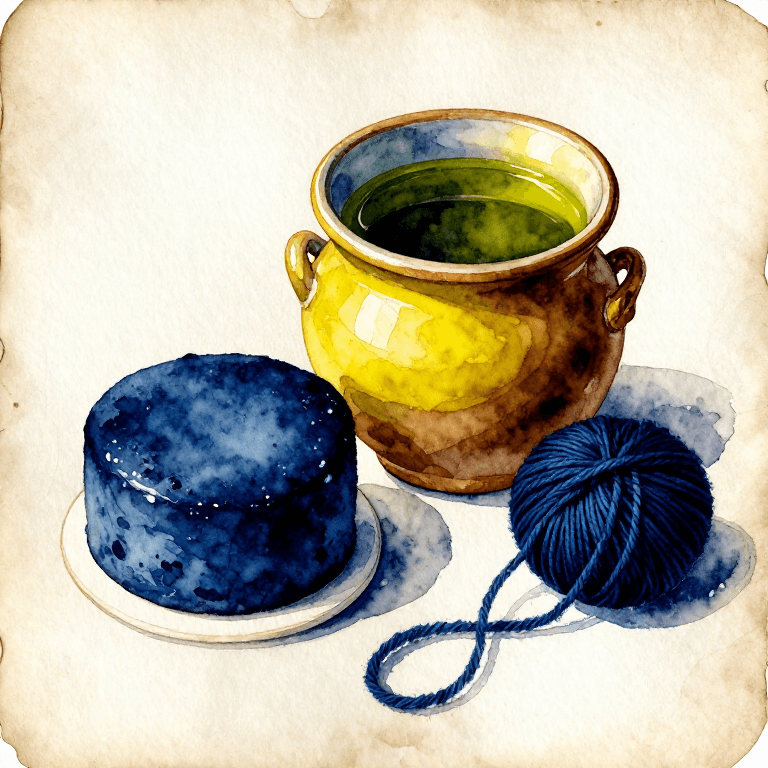
Dyeing Blue with Natural Indigo — The Tropical Vat Dye That Coloured Civilisation
ngu-Tex
Ngaphambi Komlando
50
0
0
0
2
0
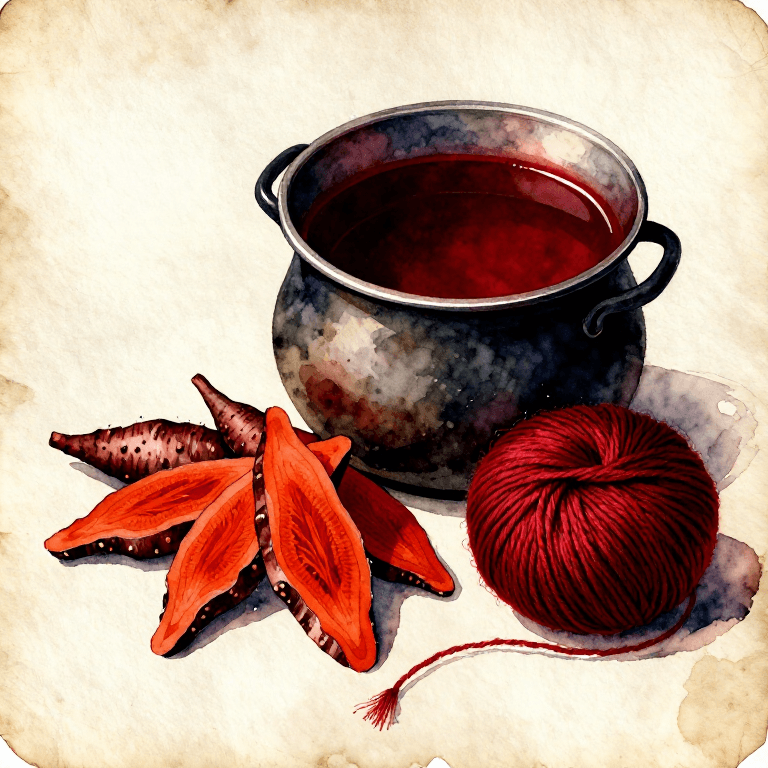
Dyeing Turkey Red with Madder — The Most Important Red Dye in Human History
ngu-Tex
Ngaphambi Komlando
73
0
0
0
2
0
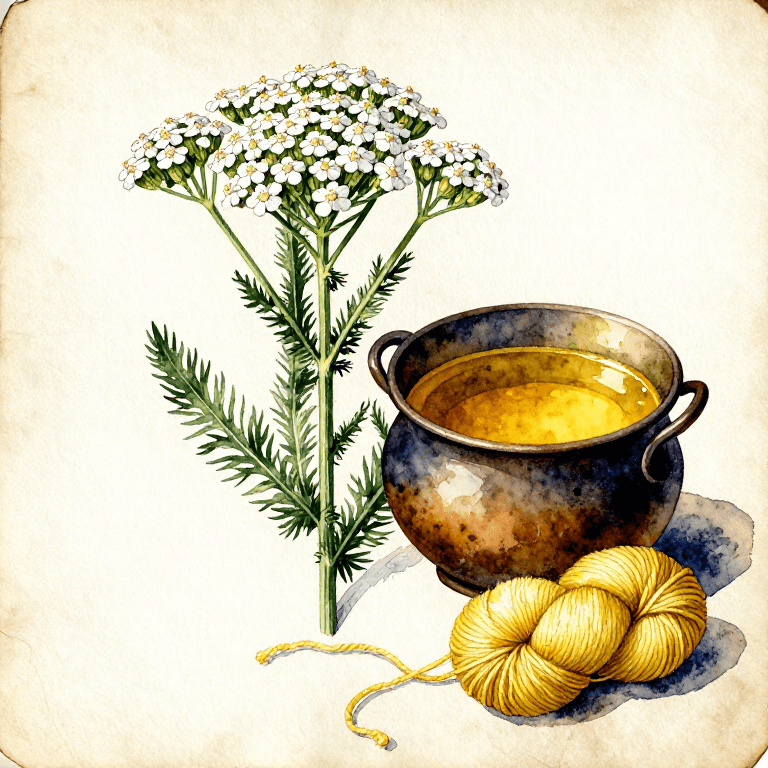
Dyeing Yellow with Yarrow — The Ancient Wound-Herb of Every Meadow
ngu-Tex
Ngaphambi Komlando
146
0
0
0
1
0
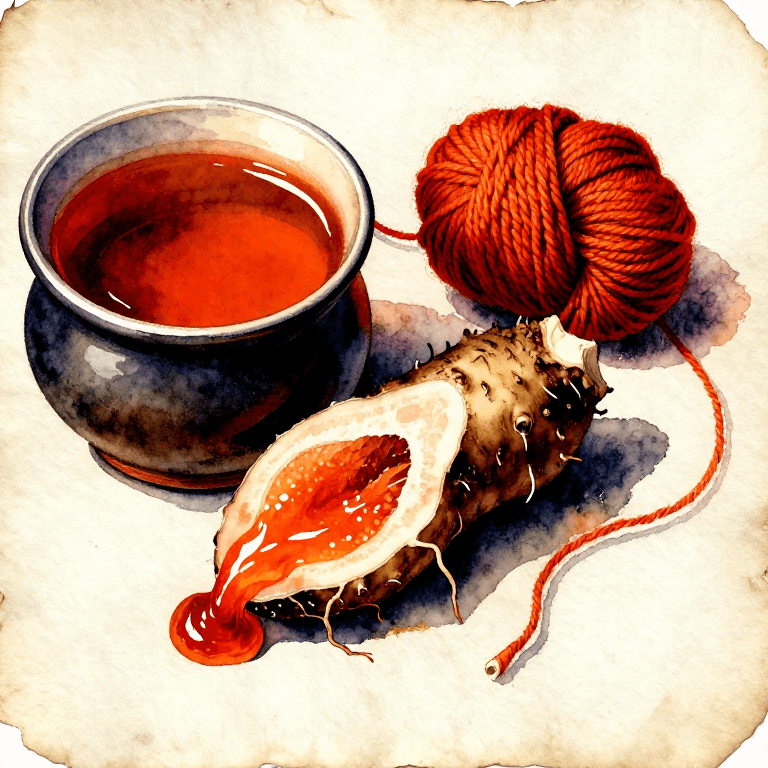
Dyeing Red-Orange with Bloodroot — The Sacred Dye of Pre-Columbian America
ngu-Tex
Ngaphambi Komlando
86
0
0
0
1
0
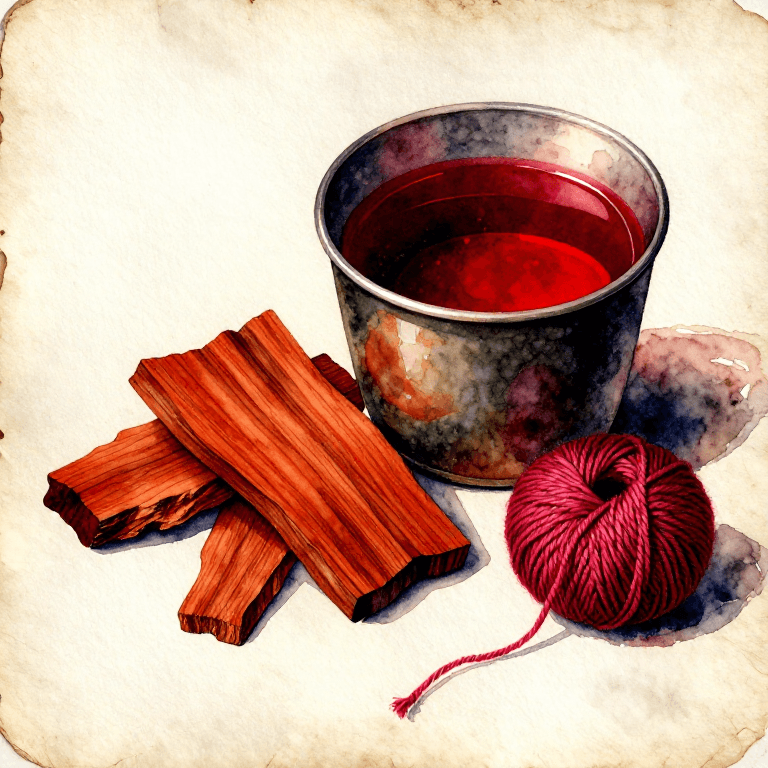
Dyeing Red with Brazilwood — The Dyewood That Named a Nation
ngu-Tex
Kwasendulo
50
0
0
0
1
0
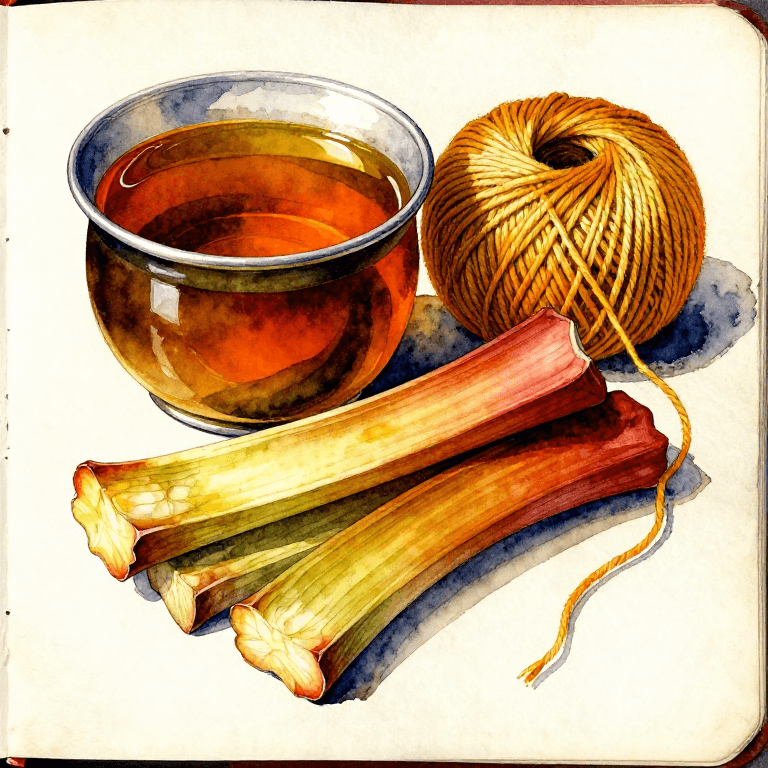
Dyeing Yellow-Orange with Rhubarb Root — The Anthraquinone Dye of Central Asia
ngu-Tex
Kwasendulo
50
0
0
0
1
0
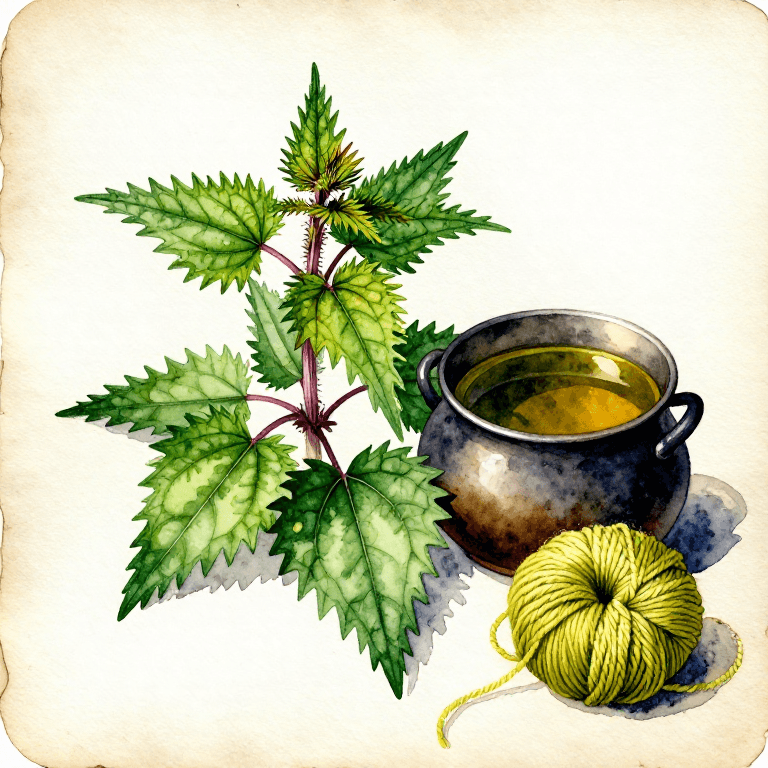
Dyeing Yellow-Green with Nettle — The Universal Wild Dye Plant
ngu-Tex
Ngaphambi Komlando
50
0
0
0
1
0
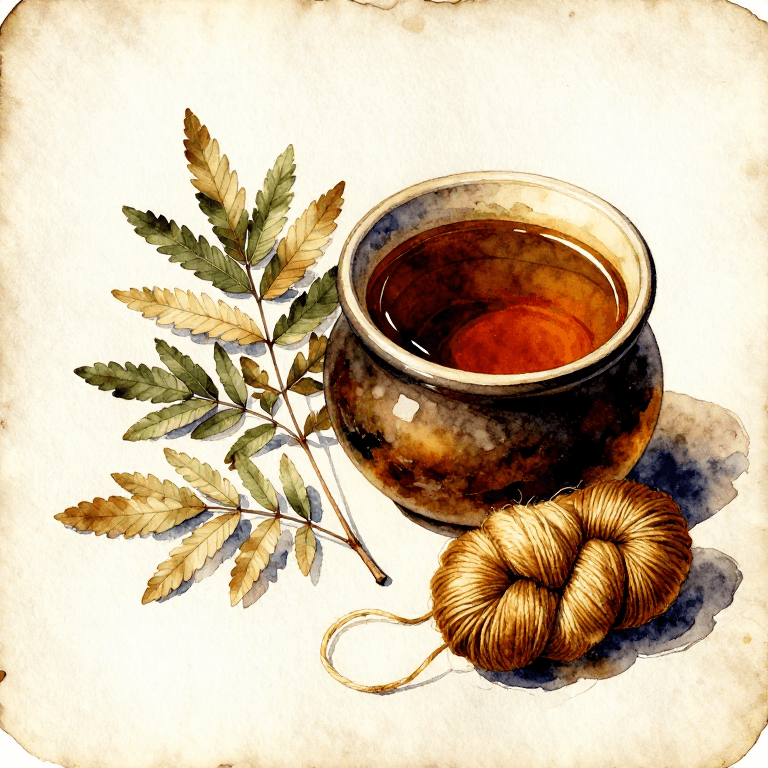
Dyeing Yellow-Brown with Sumac Leaves — The Tannin-Rich Dye of the Ancient Mediterranean
ngu-Tex
Kwasendulo
92
0
0
0
1
0
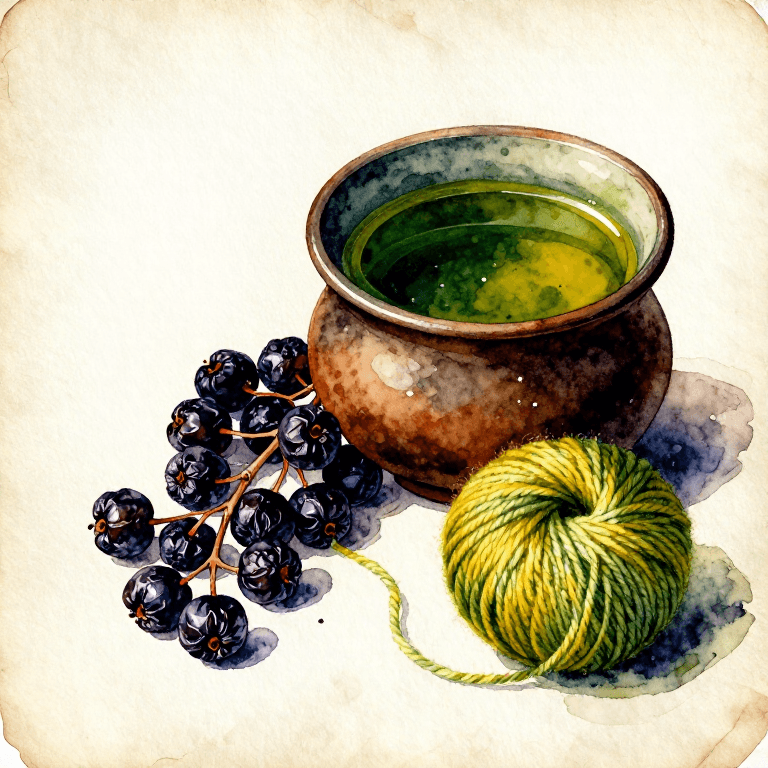
Dyeing Yellow-Green with Persian Berries — The Buckthorn Dye of Ancient Manuscript Painters
ngu-Tex
Kwasendulo
53
0
0
0
1
0
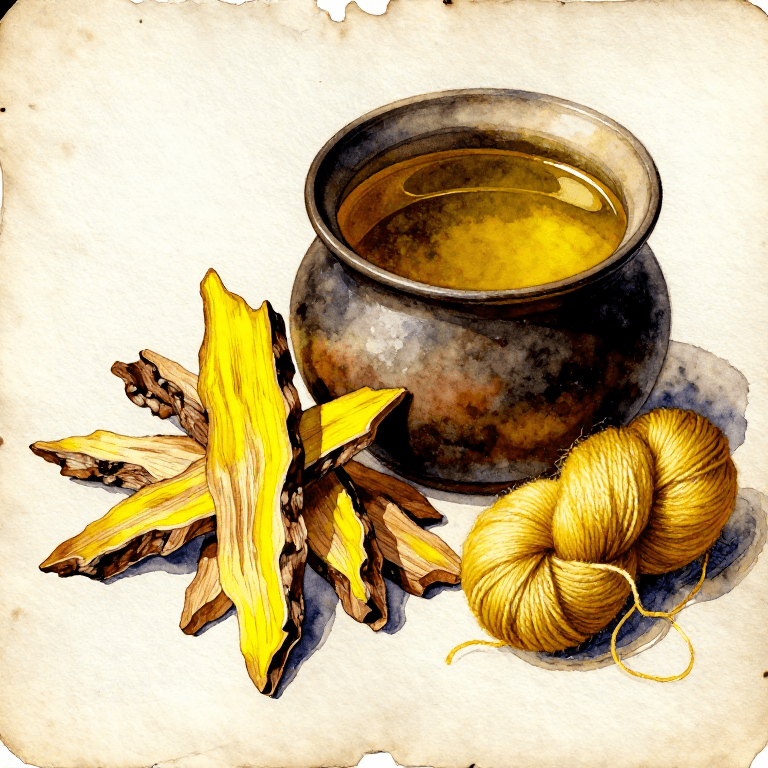
Dyeing Yellow with Fustic — The Colonial Dyewood That Coloured the New World Trade
ngu-Tex
Kwasendulo
55
0
0
0
1
0
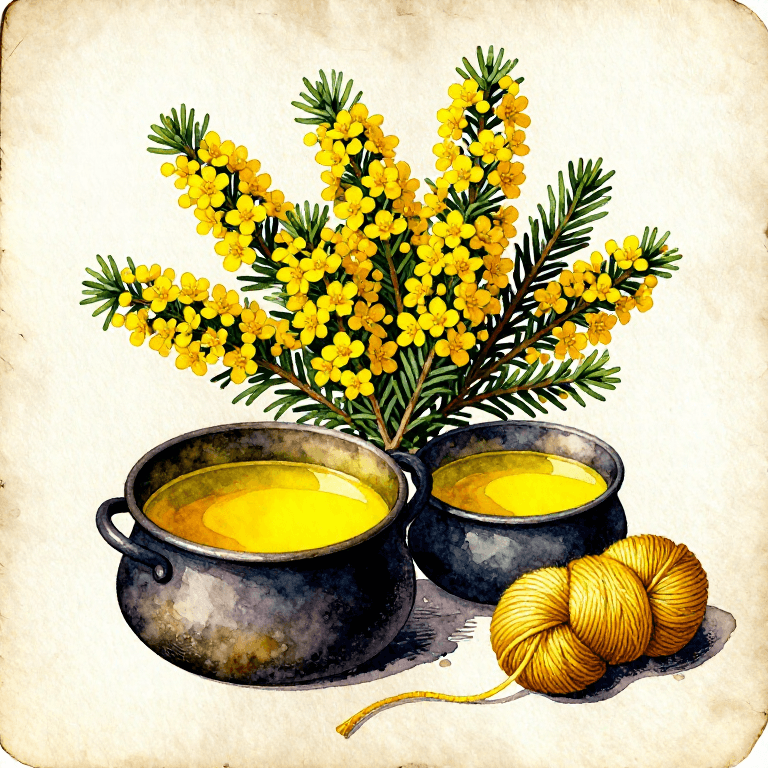
Dyeing Yellow with Dyer's Broom — The Greenweed That Made Lincoln Green
ngu-Tex
Kwasendulo
42
0
0
0
1
0

Tyrian Purple from Murex — The Most Precious Dye in Human History
ngu-Tex
Kwasendulo
79
0
0
0
2
0
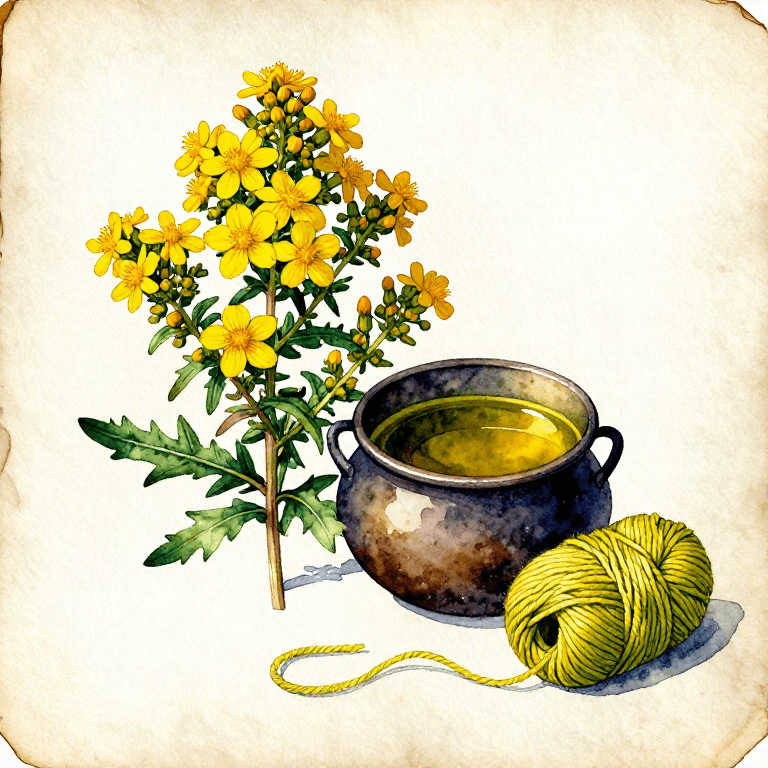
Dyeing Yellow-Green with St. John's Wort — The Midsummer Herb of European Dyers
ngu-Tex
Kwasendulo
79
0
0
0
0
0
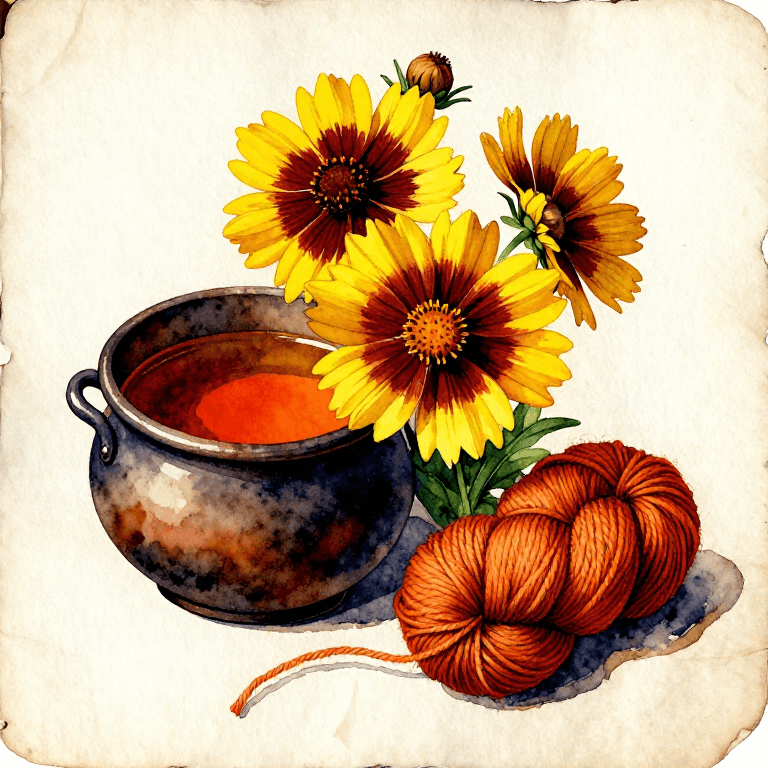
Dyeing Red-Orange with Coreopsis — The Plains Flower That Dyes from Yellow to Rust
ngu-Tex
Kwasendulo
75
0
0
0
0
0
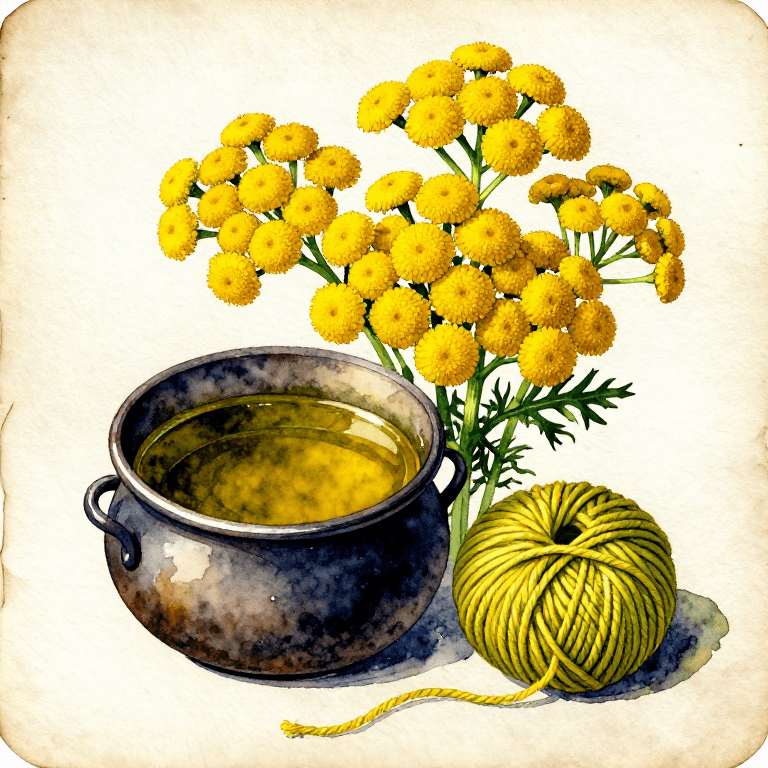
Dyeing Yellow-Green with Tansy — The Bitter Herb of Medieval Dye Gardens
ngu-Tex
Kwasendulo
139
0
0
0
0
0
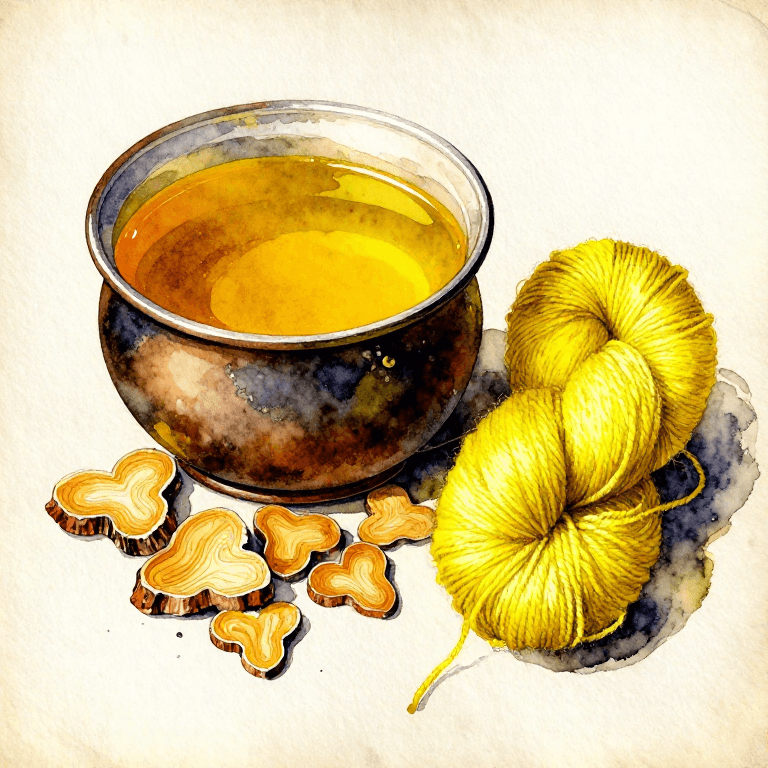
Dyeing Yellow with Osage Orange — The Brilliant Heartwood Dye of the Americas
ngu-Tex
Kwasendulo
70
0
0
0
1
0
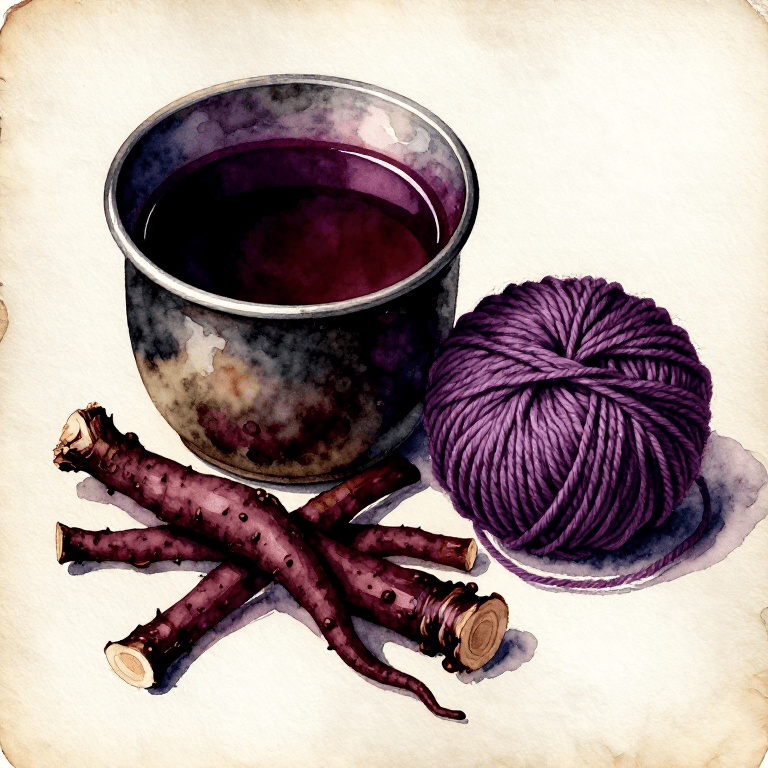
Dyeing Purple with Alkanet Root — The Mediterranean Pigment of Antiquity
ngu-Tex
Kwasendulo
66
0
0
0
0
0
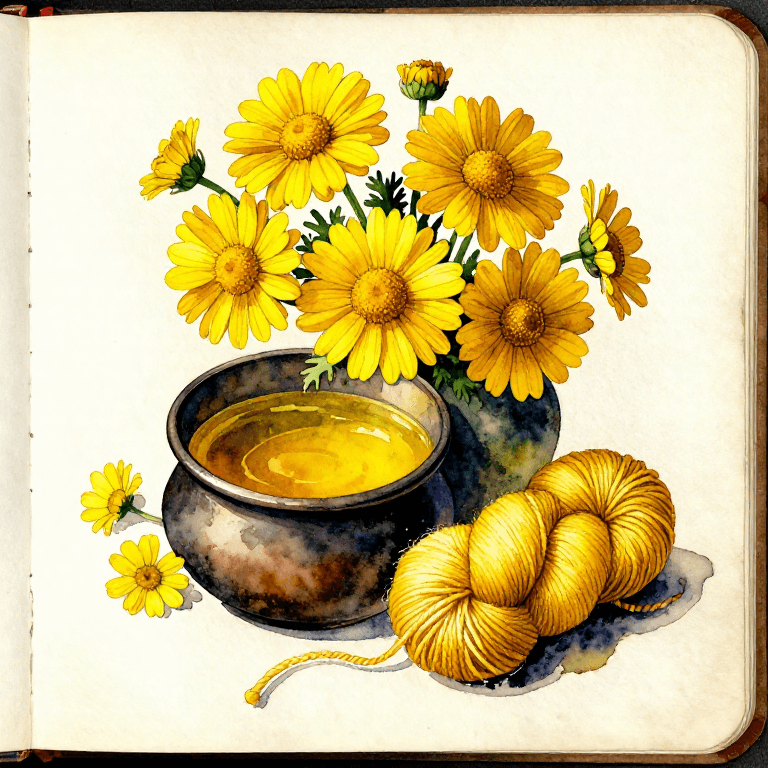
Dyeing Yellow with Dyer's Chamomile — The Golden Flower of Mediterranean Dye Gardens
ngu-Tex
Kwasendulo
111
0
0
0
1
0
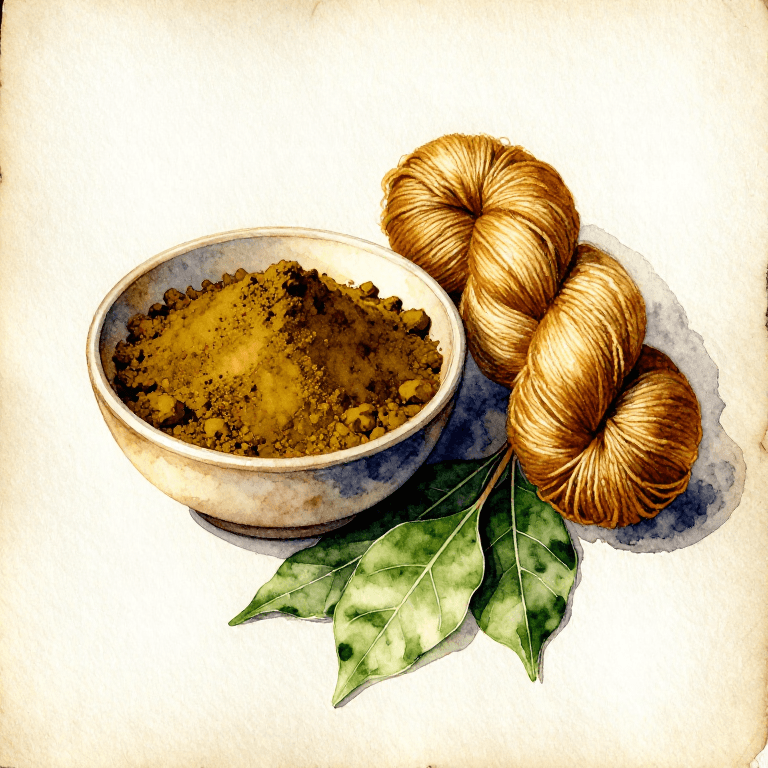
Dyeing with Henna — The Lawsone Pigment That Colours Fibre, Skin, and Hair
ngu-Tex
Kwasendulo
90
0
0
0
0
0
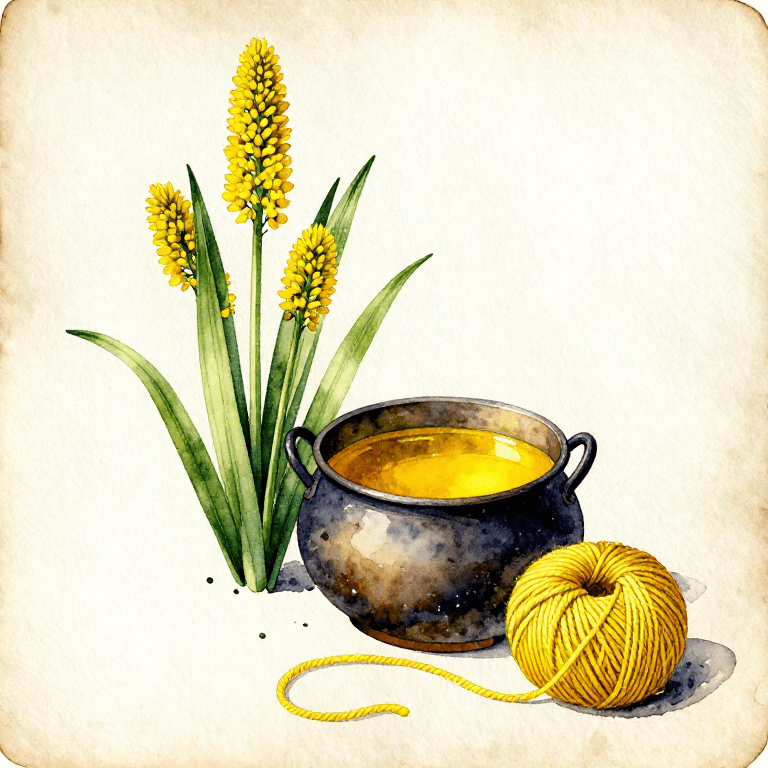
Dyeing Yellow with Weld — The Best Lightfast Plant Yellow in History
ngu-Tex
Ngaphambi Komlando
52
0
0
0
1
0
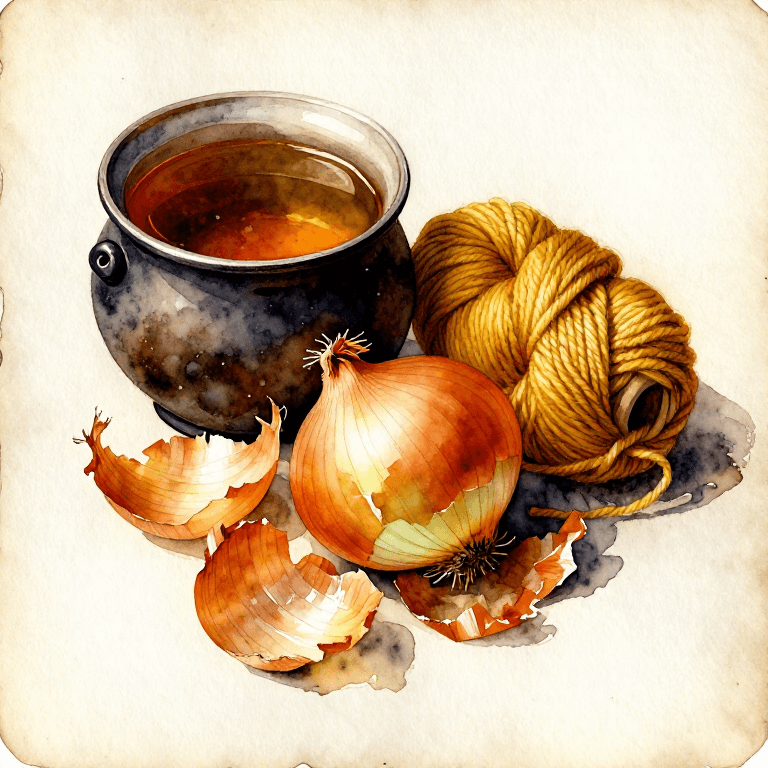
Dyeing Gold with Onion Skins — The Most Accessible Natural Dye in Any Kitchen
ngu-Tex
Kwasendulo
66
0
0
0
1
0
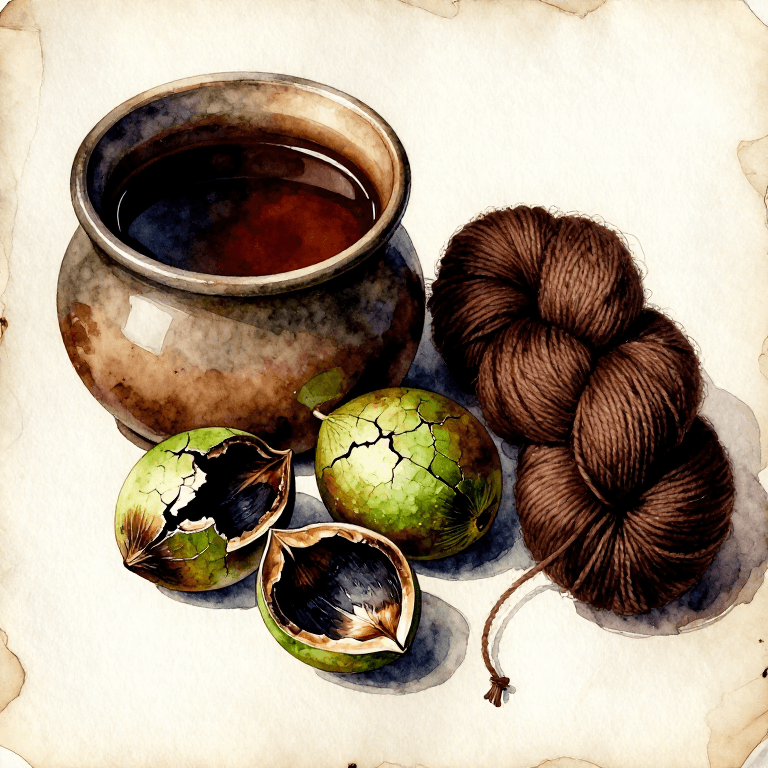
Dyeing Brown with Walnut Hulls — One of Humanity's Oldest and Most Permanent Dyes
ngu-Tex
Ngaphambi Komlando
71
0
0
0
2
0
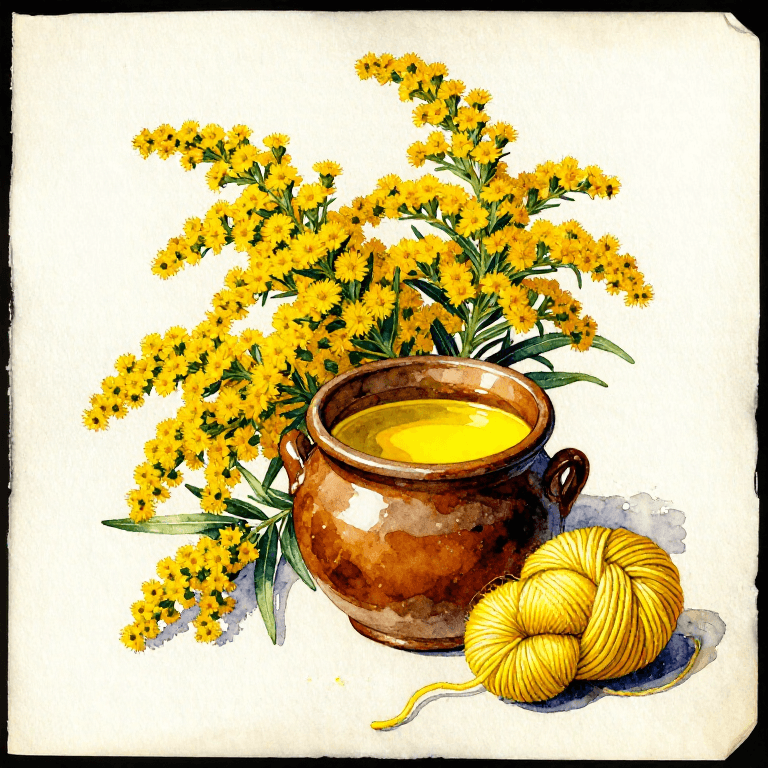
Dyeing Yellow with Goldenrod — One of the Best Wild-Plant Dyes in Nature
ngu-Tex
Ngaphambi Komlando
79
0
0
0
4
0
Kukhonjiswa 24 kwangu-1510