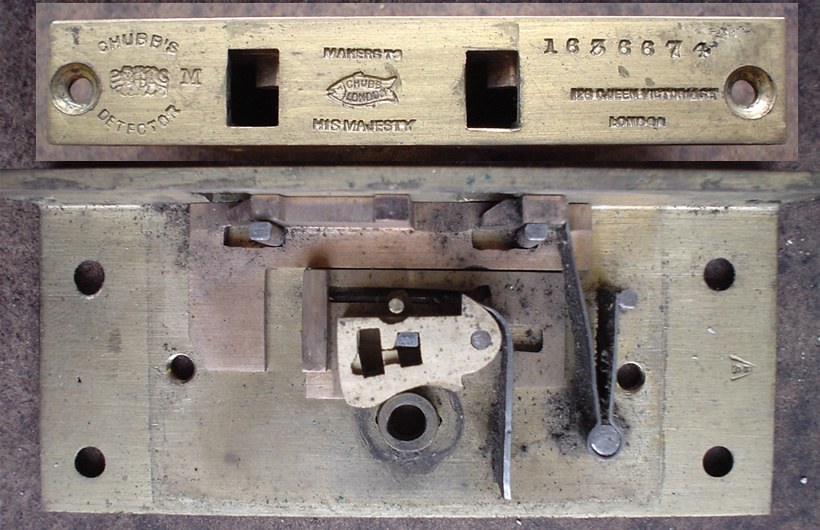


Isikhiya sikaChubb Esinesitholi
Imiyalelo
Yenza iliva elilodwa
Yenza iliva elilodwa
Qonda isikhiya samaliva esiyisisekelo ngaphambi kokwengeza ingxenye ehlakaniphile.
- Lengisa esikhonkwaneni iliva eliyisicaba elinembobo ende esikiwe kulo, ukuze lizungeze, futhi licindezelwe phansi yisipilingi.
- Faka isigxobo esincane — insika engashukumi ebhawodini — esihlala kuleyo mbobo.
- Ibhawodi lingashelela kuphela lapho isango lembobo liqondana nesigxobo.
Izinto zokwakha zalesi sinyathelo:
 Umucu wensimbi yensipho1 strip
 Ubhamu Lwethusi1 length
Beka amaliva okuphakama okuhlukene phezu kwelinye
Beka amaliva okuphakama okuhlukene phezu kwelinye
Ukuphepha kuvela ekudingeni ukuphakama okuningana okufanele ngesikhathi esisodwa.
- Beka amaliva amaningana esikhonkwaneni esisodwa, ngalinye linesango ekuphakameni okuhlukile.
- Sika ukhiye onezinyathelo ezihlukene zeliva ngalinye.
- Qinisekisa ukuthi ibhawodi linyakaza kuphela lapho wonke amasango eqondana ndawonye.
Engeza isitholi
Engeza isitholi
Okusunguliwe uqobo: ugibe lweliva eliphakanyiswe ngokweqile.
- Engeza isibambi esinesipilingi esibekwe NGAPHEZU kokuphakama okufanele kwamaliva.
- Noma yiliphi iliva eliphakanyiswe ledlula isango lalo libanjwa futhi ligcinwe yileso sibambi.
- Uma iliva libanjwe phezulu, ayikho inhlanganisela yokuphakamisa engaqondanisa wonke amasango.
Yenza sibambe, bese usibuyisela
Yenza sibambe, bese usibuyisela
Hlasela isikhiya sakho, bese usibuyisela.
- Phakamisa ngamabomu iliva elilodwa ngokweqile futhi uzwe isitholi silibamba.
- Zama ukhiye oqondile — isikhiya kufanele senqabe ukuvuleka.
- Jikisa ukhiye oqondile UYE EMUVA ukuze ukhulule isitholi, bese uvula njengokujwayelekile.
Umlando nesimo
Umlando nesimo
UJeremiah Chubb wathola ilungelo lobunikazi lesikhiya esinesitholi ngo-1818, kuthiwa ngenxa yomncintiswano kahulumeni owalandela ukugqekezwa endaweni yokwakha imikhumbi yasePortsmouth. Indaba edumile ithi umkhandi wezikhiya owayelahlwe yicala, eboshwe emkhunjini-jele, wathenjiswa ushwele nomklomelo uma engavula esisodwa, wase eyeka ngemva kwezinyanga eziningi ezama. Ivela ezincwadini zenkampani kaChubb futhi kufanele ijabulelwe ngokuqaphela okujwayelekile ngezikhangiso eziba ngumlando.
Isikhathi sezikhiya ezingavuleki ngobuqili saphela obala ngo-1851. EMbukisweni Omkhulu eLondon, umkhandi wezikhiya waseMelika u-Alfred Charles Hobbs wavula ngobuqili isikhiya sikaChubb esinesitholi, wabe — emahoreni angaba ngamashumi amahlanu ahlukaniswe phakathi kwamasonto amaningi — evula isikhiya sikaBramah esasihlale efasiteleni lesitolo amashumi eminyaka nenselelo yama-guinea angu-200. Umsebenzi wezikhiya wanyakaziswa kabi, kwalandela impikiswano yangempela yomphakathi mayelana nokuthi ukukhuluma ngobuthakathaka bezikhiya kuyasiza izigebengu noma kuphoqa ukuthuthukiswa.
Impendulo kaHobbs kuleyo mpikiswano isacashunwa emsebenzini wezokuphepha: izigebengu sezivele zazi lezi zindlela, futhi ukushiya umphakathi ungazi kuwushiya nje ungenakho ukuzivikela. Empeleni yimpikiswano yokudalula ngokugcwele ubuthakathaka, eyethulwa ngo-1853, futhi isewumpikiswano efanayo.
Okusasele: izikhiya zamaliva zisejwayelekile emasefini nasezikhiyeni zeminyango eBrithani. Umqondo wesitholi usekhona kabanzi njengomgomo wokuthi uhlelo lokuphepha kufanele lubhale phansi futhi lubike ukuhlaselwa, hhayi nje ukukumunca.
Izinto
2- 1 stripIsibambeli
- 1 lengthIsibambeli
CC0 Isizinda Somphakathi
Le blueprint ikhishwe ngaphansi kwe-CC0. Ukhululekile ukukopisha, ukuguqula, ukusabalalisa, nokusebenzisa ngaphandle kwemvume.
Sekela uMenzi ngokuthenga imikhiqizo nge-Blueprint yabo IKhomishane Yomenzi kumiswe ngabathengisi, noma dala inguqulo entsha yale Blueprint bese uyifaka njengoxhumaniso ku-Blueprint yakho ukuze wabelane ngemali engenayo.