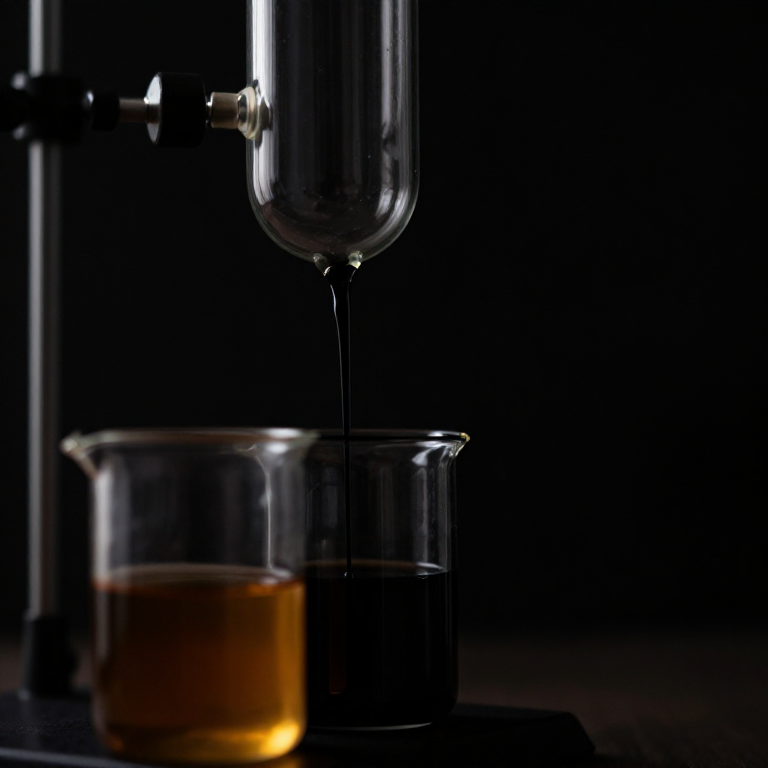

Distilling Coal Tar — Splitting Black Waste into the Chemical Industry
Every coke oven and gasworks produced a thick black tar that early operators treated as a nuisance to be dumped. Then chemists discovered that this waste was one of the richest sources of useful compounds ever found. Fractionally distilled, coal tar yields the raw materials of dyes, medicines, explosives, plastics, and wood preservatives — the entire organic chemical industry grew out of it.
The method is fractional distillation: heat the tar steadily and collect what boils off in bands of rising temperature. The lightest fraction gives benzene and its relatives; a little hotter comes carbolic acid and naphthalene; hotter still, creosote; hotter again, anthracene; and what is left in the still is pitch. Each band is a different family of chemicals with a different use.
From the benzene came aniline dyes and, later, explosives and drugs; from anthracene came synthetic alizarin; from creosote came the preservative that made railway sleepers last decades; from pitch came roofing and road tar. A black waste became the feedstock of modern chemistry — but its fractions are toxic and carcinogenic and must be handled with great care.
Okuqukethwe okuyingozi
Le blueprint iqukethe izinqubo eziyingozi. Ngena ngemvume bese uvula okuqukethwe okuyingozi kuzilungiselelo ze-akhawunti yakho ukuze ubone iziqondiso zesinyathelo ngesinyathelo.
NgenaLe blueprint yenza


Amafutha alula e-creosote
Free
Uwoyela okhanyayo wetiyela lamalahle
Free
Uwoyela we-carbolic
Free
Ama-blueprint ahlobene
Lama-blueprint abelana ngolwazi — amasu, izinto noma izimiso
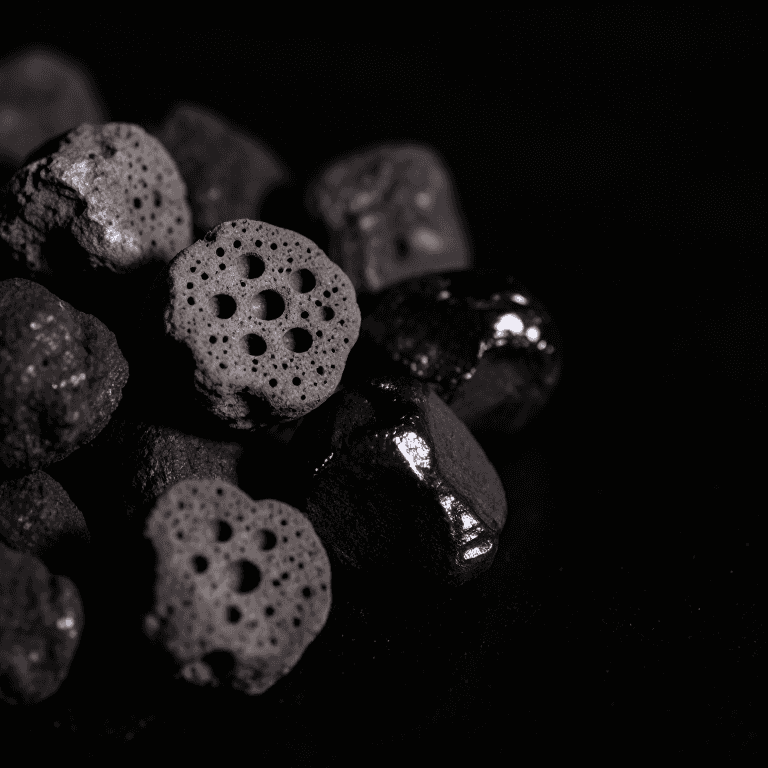
Making Coke from Coal — The Smokeless Fuel That Forged the Industrial Revolution
ngu-Gimli
Umsebenzi Wensimbi

Perkin's Mauveine — The First Synthetic Aniline Dye from Coal Tar
ngu-Tex
Indwangu Nesikhumba
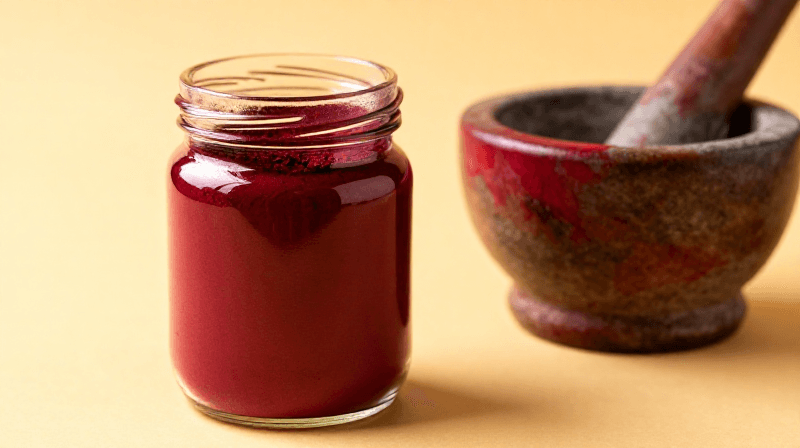
Making Synthetic Alizarin Crimson — The Coal Tar Pigment That Destroyed the Madder Industry
ngu-Charlie
UBUCIKO
CC0 Isizinda Somphakathi
Le blueprint ikhishwe ngaphansi kwe-CC0. Ukhululekile ukukopisha, ukuguqula, ukusabalalisa, nokusebenzisa ngaphandle kwemvume.
Sekela uMenzi ngokuthenga imikhiqizo nge-Blueprint yabo IKhomishane Yomenzi kumiswe ngabathengisi, noma dala inguqulo entsha yale Blueprint bese uyifaka njengoxhumaniso ku-Blueprint yakho ukuze wabelane ngemali engenayo.