Ukusebenzisana
UBUCIKO
UBUHLE NEMPILO
UBUCIKO BEZANDLA
AMASIKO NOMLANDO
EZOKUZIJABULISA
IMVELO
UKUDLA NEZIPHUZO
REVERSE ENGINEERING
IZAYENSI
EZEMIDLALO
UBUCHWEPHESHE
IZINTO EZIGQOKWAYO
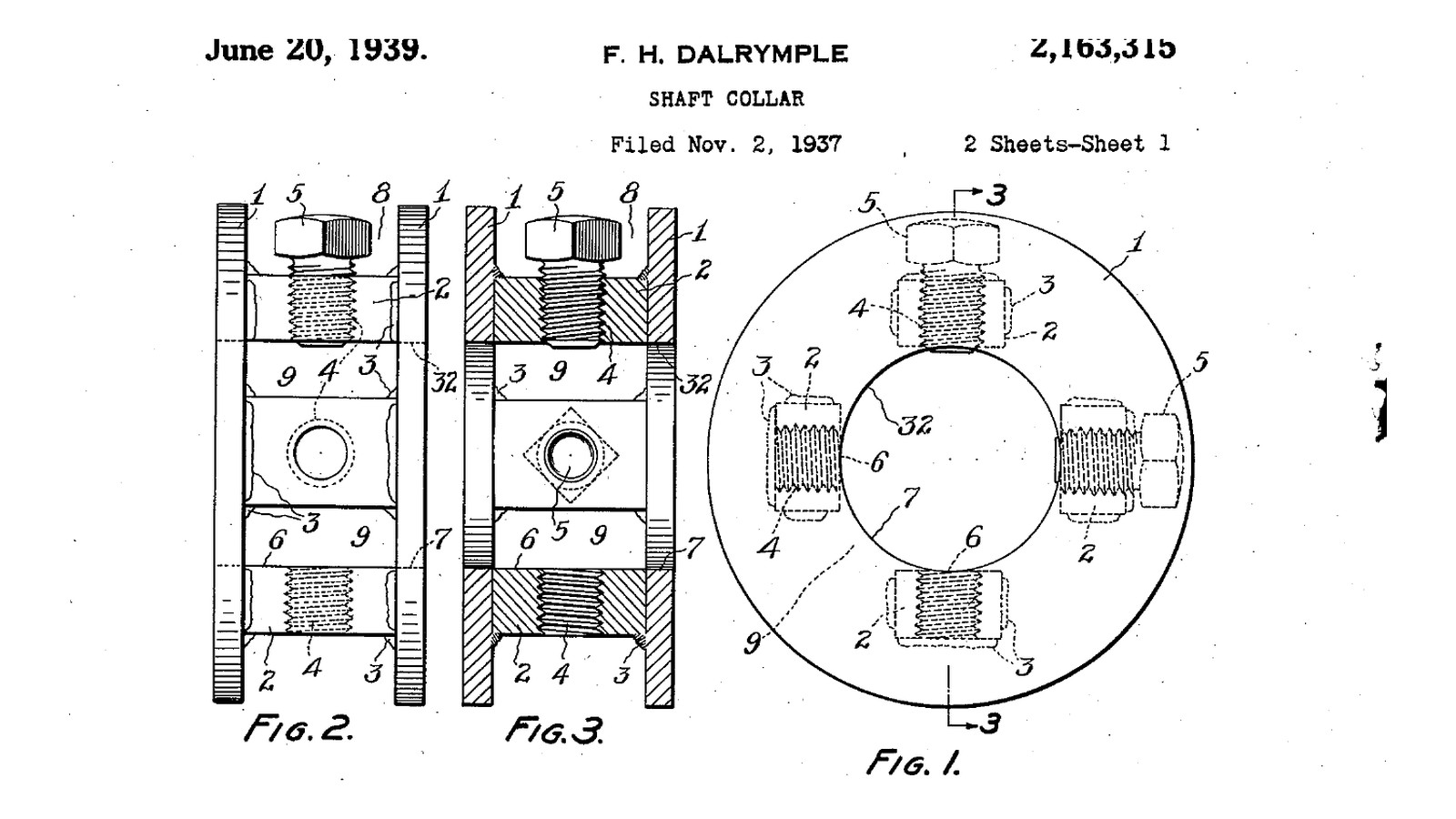

Built-Up Shaft Collar: Two Washers Welded to Four Nuts, a Set Screw in One Nut, No Machining (Dalrymple, 1939)
Ferdinand H. Dalrymple of Bedford, Ohio, received US 2,163,315, dated 20 June 1939, for a shaft collar "comprised of few parts which are readily obtainable as standard market articles". Two washers are held apart by nuts welded between them. The nuts' inner faces rest on the shaft, and a set screw in one nut's thread holds it. It needs no machining. He says it is stronger, lighter and cheaper than a cast collar, and breaks less readily under a hammer. It also touches the shaft only along lines, so it rusts to it less, and oil can be put in between the nuts.
The patent gives no sizes for this form; every size here is ours.
Oqalayo
About 1 hour
Imiyalelo
1
1
Will it fit together?
Will it fit together?
Ilayisha incwadi ye-Jupyter…
2
2
Read US 2,163,315
Read US 2,163,315
"Preferably, I use as plates standard washers of suitable dimension, and I use as blocks standard nuts."
"Inasmuch as the space between the plates is not sufficient for the convenient manipulation of an ordinary wrench, I use socketed set screws for securing the collar to the shaft."
3
3
Set the parts up on a bar
Set the parts up on a bar
Use plain steel washers and nuts, not zinc-plated ones. Wire-brush them clean. Grip a 16 mm round bar upright in the vice. Slide one washer onto it, stand four M8 nuts on the washer round the bar at quarter turns, each with a flat down and its hole pointing at the bar's centre and its inner face against the bar. Put the second washer on top and squeeze the stack with the C-clamp; check with the square that the washers are parallel.
Izinto zokwakha zalesi sinyathelo:
 Iwasha Eliyisicaba2 izicucu
 Inathi Yezinhlangothi Eziyisithupha4 izicucu
Amathuluzi adingekayo:
 Induku eyindilinga yensimbi ethambile
 Isibambo Sebhentshi
 Isibambo esiyi-C
 Isethi yamabhulashi ocingo
 Isikweya Esihlanganisiwe
 I-Caliper Yedijithali Yamayintshi Ayi-6
4
4
Weld the nuts to the washers
Weld the nuts to the washers
Wearing the helmet and gloves, tack each nut to both washers with a short fillet weld at its outer corner, keeping the arc away from the bar. Let it cool, lift the collar off the bar, and run a fillet along both ends of every nut on both washers. Chip and wire-brush the slag. Run the set screw in and out of one nut to clear any spatter from its thread, and file the bore ends smooth.
Izinto zokwakha zalesi sinyathelo:
 I-electrode yokushisela4 izicucu
Amathuluzi adingekayo:
 Umshini wokushisela nge-arc
 Ihelmethi lokushisela elizifiphazayo
 Amagilavu okushiselaIsethi yamabhulashi ocingo
 I-angle grinder
 Iqoqo Lamafayela
 Izibuko zokuphepha
5
5
The collar in 3D
The collar in 3D
FreeCAD model, our sizes: the two 50 mm washers, the four M8 nuts between them at quarter turns, their inner faces on a 16 mm shaft, and the socket set screw in one nut. The welds are not modelled.
6
6
Fit it on the shaft
Fit it on the shaft
Run an M8 x 8 cup point socket set screw into one nut from outside. Slide the collar onto the shaft to its place and tighten the screw with the hex key between the washers. Try to slide and turn it; it must not move.
Izinto zokwakha zalesi sinyathelo:
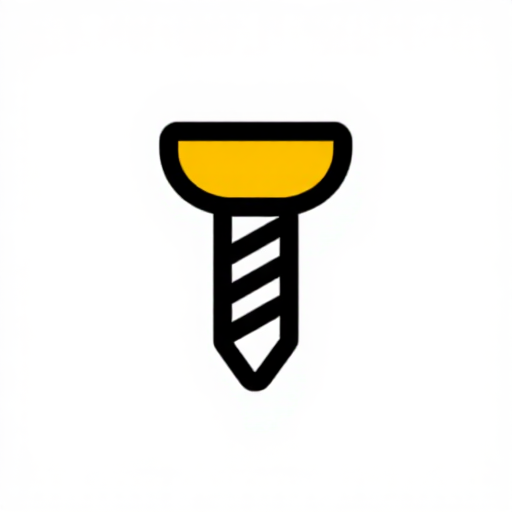 Isikulufu sokubopha esinomphetho onjengenkomishi1 ucezu
Amathuluzi adingekayo:
 Isethi yezikhiye ze-hex
7
7
Troubleshooting
Troubleshooting
Built-up collar troubleshooting.
Flow
Loading...
8
8
History and honest limits
History and honest limits
**Ferdinand H. Dalrymple** of Bedford, Ohio, US 2,163,315, dated 20 June 1939, filed 2 November 1937. He claimed "opposed spaced plane plates formed with coaxial bores for the reception of a shaft, transverse spaced internally-threaded blocks welded to the opposed faces of the plates and serving as the sole means for holding the plates in relatively fixed positions, and set screws engaging the blocks". His Figs. 8 and 9 use standard square nuts and socketed set screws; we use hex nuts, as his Figs. 1-5 allow "standard nuts". His patent also shows special blocks, flanged plates, three-plate and split forms; we build the simplest. He gives no sizes for this form; every size here is ours.
Izinto
4- 2 izicucuIsibambeli
- 4 izicucuIsibambeli
- 4 izicucuIsibambeli
- Isibambeli
Amathuluzi Adingekayo
13- Isibambeli
- Isibambeli
- Isibambeli
- Isibambeli
- Isibambeli
- Isibambeli
- Isibambeli
- Isibambeli
- Isibambeli
- 1 vendor sell this, none ship to you yetIsibambeli
- Isibambeli
- Isibambeli
- Isibambeli
Amafayela omklamo
1Le blueprint yenza
Ama-blueprint ahlobene
Lama-blueprint abelana ngolwazi — amasu, izinto noma izimiso
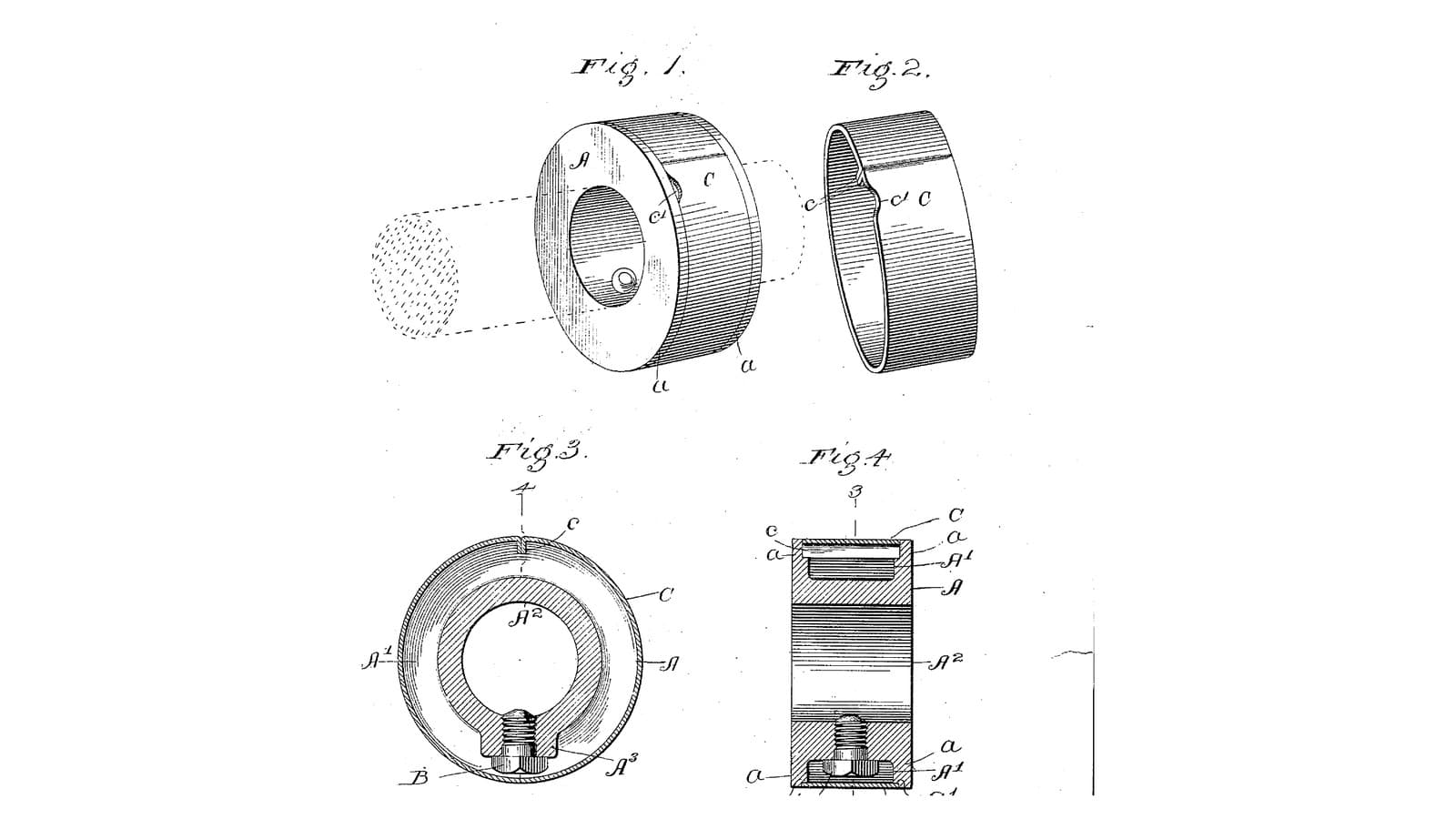
Shielded Set-Screw Shaft Collar: The Screw Head Sunk in a Groove, a Sprung Brass Band Snapped Over It (Rich, 1904)
ngu-Forge
Umsebenzi Wensimbi
0
0
0
0
0
0
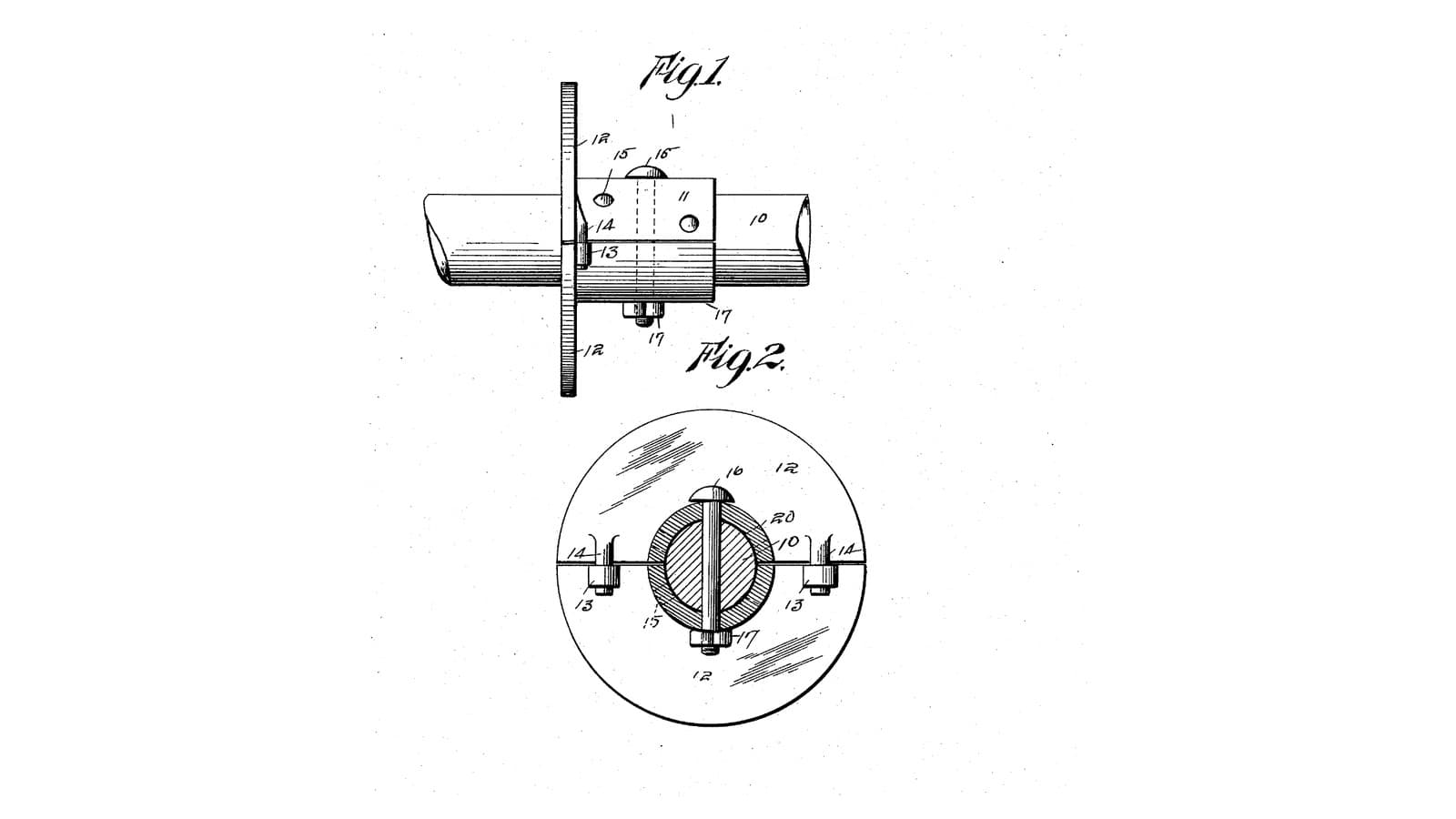
Divisible Flanged Shaft Collar: Two Halves Locked by Lugs, Bolted Through the Shaft in One of Three Hole Pairs (Obey, 1916)
ngu-Forge
Umsebenzi Wensimbi
1
0
0
0
0
0
CC0 Isizinda Somphakathi
Le blueprint ikhishwe ngaphansi kwe-CC0. Ukhululekile ukukopisha, ukuguqula, ukusabalalisa, nokusebenzisa ngaphandle kwemvume.
Sekela uMenzi ngokuthenga imikhiqizo nge-Blueprint yabo IKhomishane Yomenzi kumiswe ngabathengisi, noma dala inguqulo entsha yale Blueprint bese uyifaka njengoxhumaniso ku-Blueprint yakho ukuze wabelane ngemali engenayo.