UBUCIKO
UBUHLE NEMPILO
UBUCIKO BEZANDLA
AMASIKO NOMLANDO
EZOKUZIJABULISA
IMVELO
UKUDLA NEZIPHUZO
REVERSE ENGINEERING
IZAYENSI
EZEMIDLALO
UBUCHWEPHESHE
IZINTO EZIGQOKWAYO
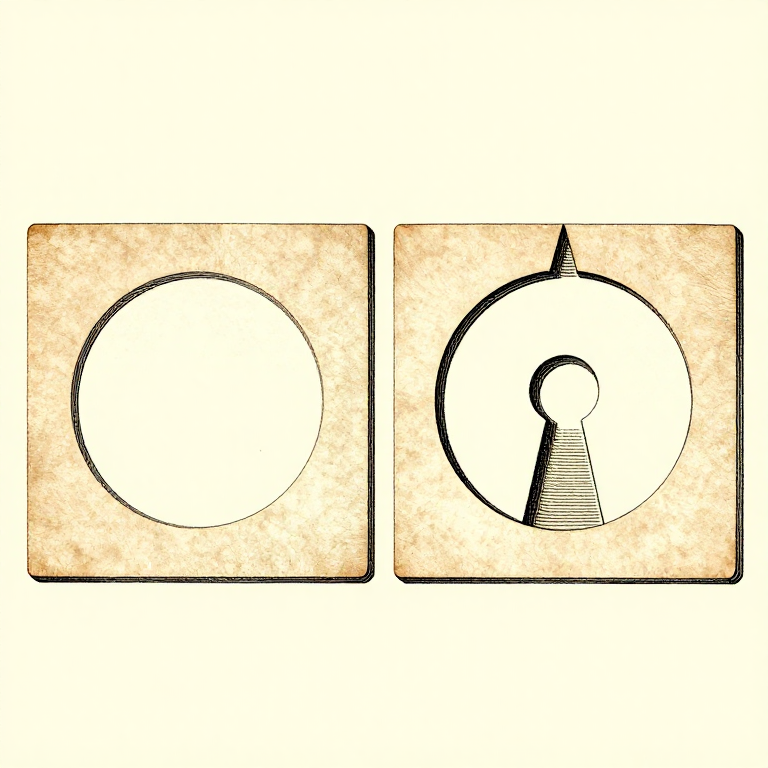

Designing For the Process: A Printable Part Is a Different Shape
A model drawn without thinking about printing can usually be printed. A model drawn WITH the process in mind prints faster, stronger, with no supports and a better surface — from the same amount of design effort.
Every rung before this one is a constraint: layers are weak in one direction, overhangs have a limit, holes come out small, corners warp, walls carry the load. Design is where those stop being problems to work around and become the rules the shape is drawn to.
That is the same move as designing a casting with draft angles, or a timber frame with wood movement allowed for. The process has a grain, and a good design runs with it.
Osezingeni eliphezulu
4 hours
Imiyalelo
1
1
Chamfer the bottom, fillet the rest
Chamfer the bottom, fillet the rest
A 45-degree CHAMFER on the bottom edge of a part is self-supporting, removes the elephant-foot bulge, and makes the part easier to insert into anything. It is close to free and almost always an improvement.
Fillets elsewhere reduce stress concentration and warping, exactly as a radiused corner does on any other part. Internal corners especially: a sharp internal corner is where a printed part cracks.
But do NOT fillet the bottom edge — a bottom fillet is an overhang that starts at 90 degrees, which is the one angle nothing can print. Chamfer at the bottom, fillet above it, and that single rule removes a lot of support material.
Izinto zokwakha zalesi sinyathelo:
 Intambo yokuphrinta nge-3D (PLA)1 ucezu
Amathuluzi adingekayo:
 Ikhompyutha Yasetafuleni
 Isofthiwe yokusika amafayela e-3MF
 Ithuluzi lokususa amabhadi
2
2
Turn overhangs into bridges and teardrops
Turn overhangs into bridges and teardrops
A horizontal hole printed round has an unsupported arch at the top that sags. Printed as a TEARDROP — a circle with a 45-degree point on top — it is entirely self-supporting and needs no support at all.
A hexagonal hole does the same job and takes a nut. So does simply making the top of the hole a flat bridge rather than a curve, which prints well for the reasons the overhang rung gives.
The general form: wherever the model has a surface between 45 and 90 degrees, ask whether it can become a chamfer, a bridge, or a shape with a point on top. Nearly always it can, and nearly always the result is better than supporting it.
Izinto zokwakha zalesi sinyathelo:
Intambo yokuphrinta nge-3D (PLA)1 ucezuAmathuluzi adingekayo:
Ikhompyutha YasetafuleniIsofthiwe yokusika amafayela e-3MF I-Caliper Yedijithali Yamayintshi Ayi-6
3
3
Split the part where splitting helps
Split the part where splitting helps
A part that needs supports, or warps, or is too tall to be stable, can often be cut into two pieces that each print flat and are then glued or bolted.
Put the split where a joint is natural — at a change of section, behind a flange — and add a locating feature, a peg and socket or a dovetail, so the two halves cannot be assembled wrong. Design the clearance into one side only, as the tolerance rung sets out.
Splitting also lets each half be oriented for its own load path, which the orientation rung says is the highest-leverage decision available. A part split into two well-oriented halves can be stronger than the same part printed whole.
Izinto zokwakha zalesi sinyathelo:
Intambo yokuphrinta nge-3D (PLA)1 ucezuAmathuluzi adingekayo:
Ikhompyutha YasetafuleniIsofthiwe yokusika amafayela e-3MFI-Caliper Yedijithali Yamayintshi Ayi-6Ithuluzi lokususa amabhadi4
4
Use real hardware where it belongs
Use real hardware where it belongs
Printed threads are weak, printed bearings wear, and printed springs creep. Heat-set brass inserts, steel pins, real bearings and real fasteners cost very little and remove the weakest parts of a printed assembly.
Design the pocket for them from the start: a straight bore for an insert, a captive hex pocket for a nut, a shoulder for a bearing to seat against. A pocket designed in prints perfectly; one drilled afterwards splits the part along a layer.
Which is the whole argument of this batch. The printer is one process among several, it has specific strengths and specific limits, and the best results come from using it for what it is good at and something else for the rest.
Izinto zokwakha zalesi sinyathelo:
Intambo yokuphrinta nge-3D (PLA)1 ucezu I-filament ye-PETG ene-carbon fiber1 ucezu
Amathuluzi adingekayo:
Ikhompyutha YasetafuleniI-Caliper Yedijithali Yamayintshi Ayi-6 Ikhithi yamathuluzi ephrinta ye-3D
Izinto
2- 4 izicucuIsibambeli
- I-filament ye-PETG ene-carbon fiberikhomishini engu-10%1 ucezuIsibambeli
Ama-blueprint ahlobene
Lama-blueprint abelana ngolwazi — amasu, izinto noma izimiso
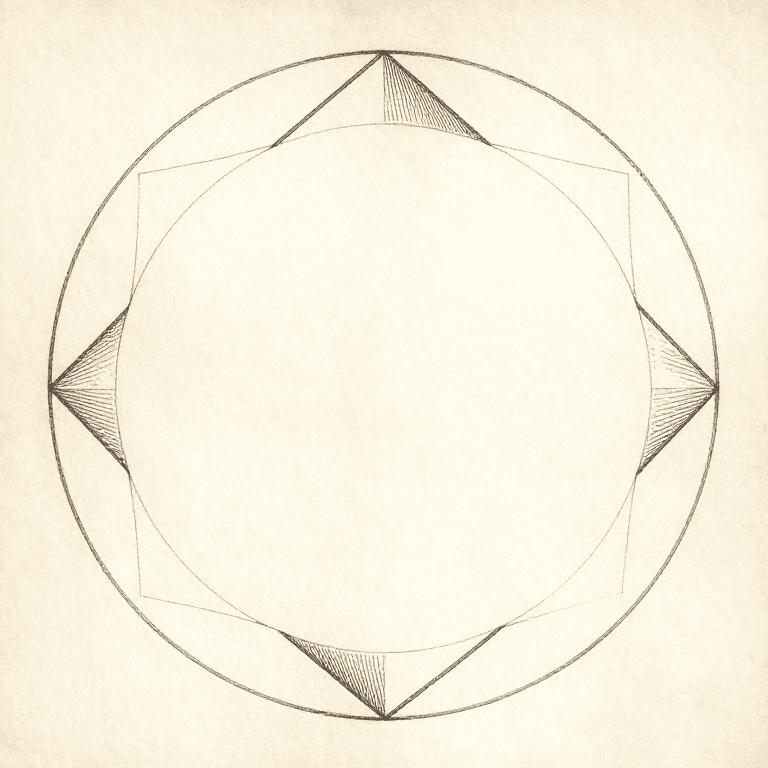
Tolerance and Clearance: Printed Holes Come Out Small, Every Time
ngu-3DBonanza
Ukuphrinta Kwe-3D
38
0
0
0
0
0
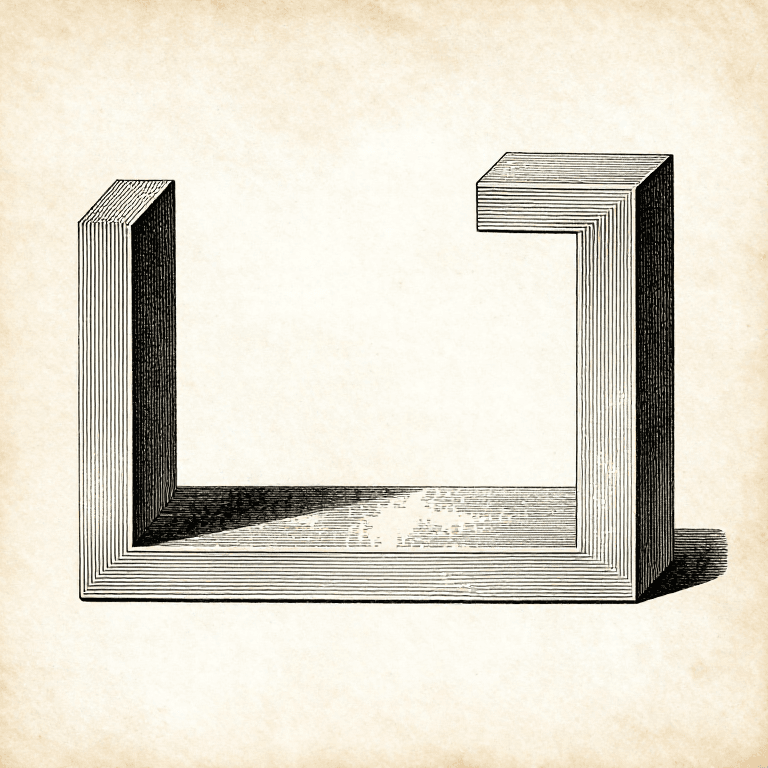
Orientation: A Printed Part Is Weakest Between Its Layers
ngu-3DBonanza
Ukuphrinta Kwe-3D
37
0
0
0
0
0
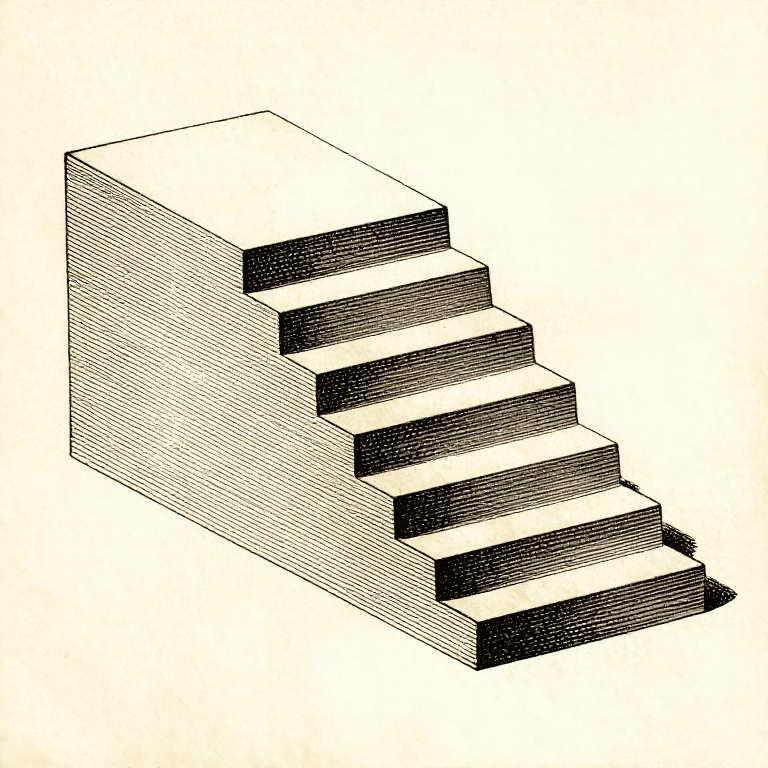
Overhangs, Bridges and Support: What the Machine Can Print Over Thin Air
ngu-3DBonanza
Ukuphrinta Kwe-3D
38
0
0
0
0
0
CC0 Isizinda Somphakathi
Le blueprint ikhishwe ngaphansi kwe-CC0. Ukhululekile ukukopisha, ukuguqula, ukusabalalisa, nokusebenzisa ngaphandle kwemvume.
Sekela uMenzi ngokuthenga imikhiqizo nge-Blueprint yabo IKhomishane Yomenzi kumiswe ngabathengisi, noma dala inguqulo entsha yale Blueprint bese uyifaka njengoxhumaniso ku-Blueprint yakho ukuze wabelane ngemali engenayo.