UBUCIKO
UBUHLE NEMPILO
UBUCIKO BEZANDLA
AMASIKO NOMLANDO
EZOKUZIJABULISA
IMVELO
UKUDLA NEZIPHUZO
REVERSE ENGINEERING
IZAYENSI
EZEMIDLALO
UBUCHWEPHESHE
IZINTO EZIGQOKWAYO
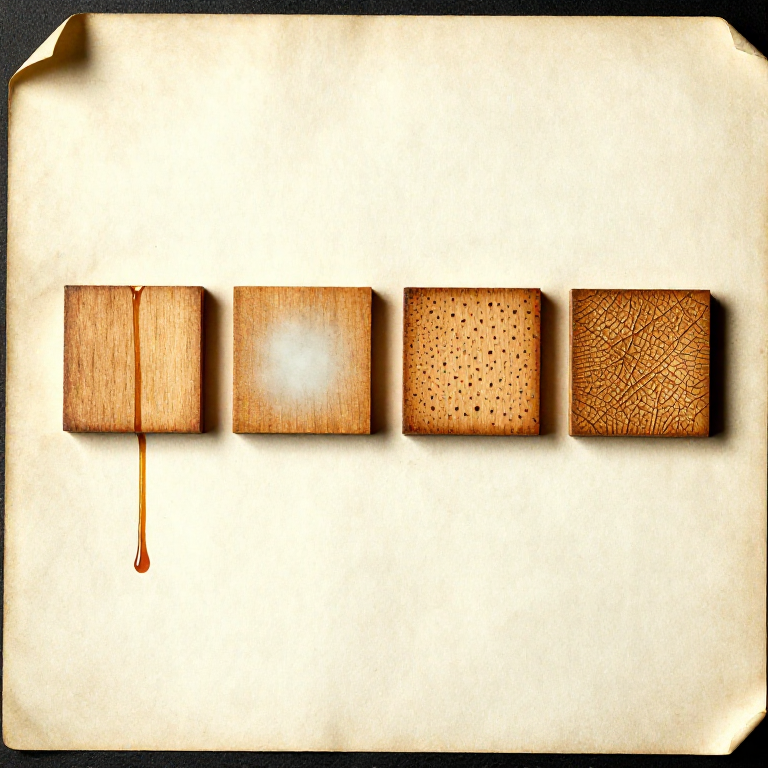


Runs, Nibs, Cloudiness and Fisheye: Fixing a Finish That Went Wrong
Every finish goes wrong sometimes, and almost every fault is repairable if you know what it is. The instinct to strip everything and start again is usually unnecessary.
Each fault has a signature appearance and a specific cause, and the fix follows from the cause rather than from how bad it looks. A run and a wrinkle look equally alarming; one is sanded off in five minutes and the other means the coat has to come off.
This rung is the diagnostic table, in the same spirit as reading a failed glue joint and reading a saw cut that went wrong — look at what the failure is telling you before deciding what to do.
Ophakathi
3 hours
Imiyalelo
1
1
Runs, sags and dust nibs: wait, then cut them off
Runs, sags and dust nibs: wait, then cut them off
A RUN or SAG is too much finish in one place. A DUST NIB is a speck that landed while it was wet. Both are lumps on an otherwise sound film, and both are fixed the same way.
Wait until the finish is genuinely hard — days for oil-based polyurethane, not hours. Attacking a run while it is soft drags and smears it into something much worse. Then slice the top off carefully with a sharp blade or sand it flat with a block, and recoat.
Use a block, never fingers. Fingertips follow the lump and leave a dip around it, which is then visible from every angle under a gloss finish.
Amathuluzi adingekayo:
 Isethi Yamabhulokhi Okugaya (uphaphu)
 I-Loupe Yokukhulisa
 Indwangu ebambe uthuli
 Iqoqo lamaphepha okuhlikihla
2
2
Cloudy, white or blushed
Cloudy, white or blushed
A milky haze in the film is usually moisture trapped in it — from applying in high humidity, or in a cold room, or over a surface that was not dry. It is called BLUSHING.
With shellac and lacquer it often clears by re-wetting the surface with the solvent so the moisture can escape as the film re-forms. With polyurethane it generally does not clear and the coat has to come off.
A white RING on a waxed or shellacked surface is the same thing locally — moisture in the finish, not in the wood. It usually responds to gentle heat, or to abrading and re-waxing. A BLACK mark is different: that is water that reached the wood and reacted with tannin, and it has to be bleached or sanded out.
Izinto zokwakha zalesi sinyathelo:
 I-shellac1 ucezu
Amathuluzi adingekayo:
 Indwangu YekotiniI-Loupe Yokukhulisa
 Utshwala olwenziwe lungaphuzwa
3
3
Fisheye, wrinkling and a finish that never dries
Fisheye, wrinkling and a finish that never dries
FISHEYE is small craters where the finish pulls away from the surface. The cause is contamination — almost always silicone, from a furniture polish or a spray, and it is in the wood rather than on it. The reliable cure is a barrier coat of dewaxed shellac, which sticks where other finishes will not.
WRINKLING means a coat was applied too thickly, or recoated before the one beneath had cured, so the solvent attacked it. It has to come off; there is no way to flatten it.
A finish that NEVER DRIES has three usual causes: oil-based finish over a not-yet-cured oil, stain that was not wiped off, or old shellac past its shelf life. Only the first can wait it out — the other two must be removed.
Izinto zokwakha zalesi sinyathelo:
I-shellac1 ucezuAmathuluzi adingekayo:
Indwangu Yekotini Ibhulashi legwebuI-Loupe Yokukhulisa
 Umoya wamaminerali
4
4
Knowing when to strip, and how to avoid it next time
Knowing when to strip, and how to avoid it next time
Strip when the problem is IN the film across the whole surface — wrinkling, widespread fisheye, a coat that will not cure — rather than on it. Local faults are local repairs.
Shellac lifts with alcohol, which is why it is so forgiving. Oil-based varnish needs a chemical stripper or scraping and sanding. Sand as little as possible on shaped work: a moulding sanded to remove a finish loses its crispness, and that is a worse outcome than the finish was.
Most of these faults trace back to three habits, and all three are cheap: test the whole schedule on an offcut of the same board, apply thin coats, and let each one cure before the next. Almost nothing in this rung happens to someone doing those three things.
Izinto zokwakha zalesi sinyathelo:
 Ipulangwe Lokhuni Oluqinile1 ucezu
Amathuluzi adingekayo:
Indwangu YekotiniIsethi Yamabhulokhi Okugaya (uphaphu) Amagilavu E-nitrile
 Izibuko Zokuphepha EzicwathileUtshwala olwenziwe lungaphuzwaUmoya wamaminerali
Amathuluzi Adingekayo
10- Isethi Yamabhulokhi Okugaya (uphaphu)ikhomishini engu-10%Isibambeli
- Isibambeli
- Isibambeli
- Isibambeli
- Isibambeli
- Isibambeli
- Isibambeli
- Isibambeli
- Isibambeli
- Isibambeli
Ama-blueprint ahlobene
Lama-blueprint abelana ngolwazi — amasu, izinto noma izimiso


CC0 Isizinda Somphakathi
Le blueprint ikhishwe ngaphansi kwe-CC0. Ukhululekile ukukopisha, ukuguqula, ukusabalalisa, nokusebenzisa ngaphandle kwemvume.
Sekela uMenzi ngokuthenga imikhiqizo nge-Blueprint yabo IKhomishane Yomenzi kumiswe ngabathengisi, noma dala inguqulo entsha yale Blueprint bese uyifaka njengoxhumaniso ku-Blueprint yakho ukuze wabelane ngemali engenayo.