
Greek Silver Coin — Striking a Silver Drachma Coin
Imiyalelo
Engrave the Coin Dies
Engrave the Coin Dies
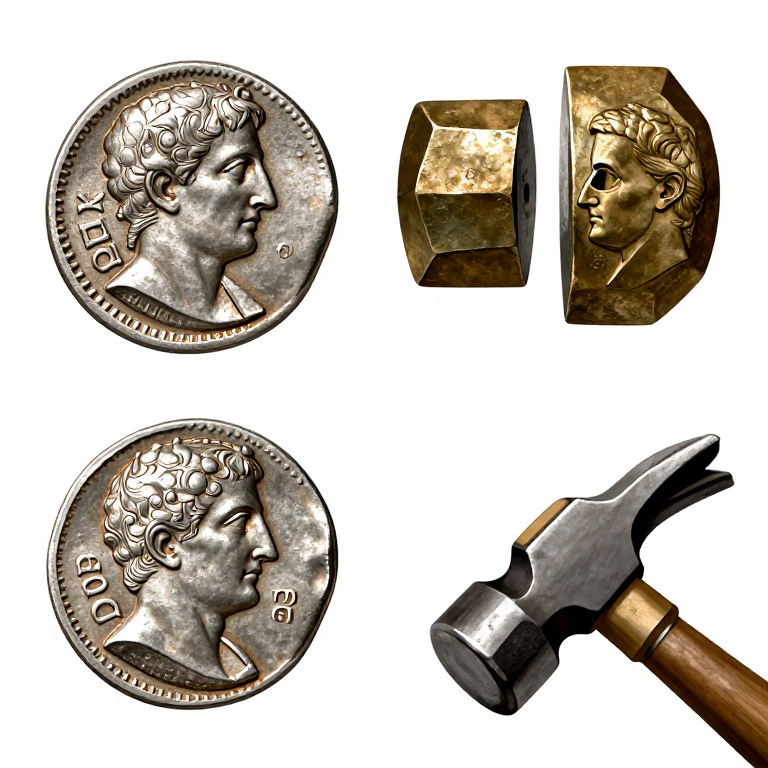
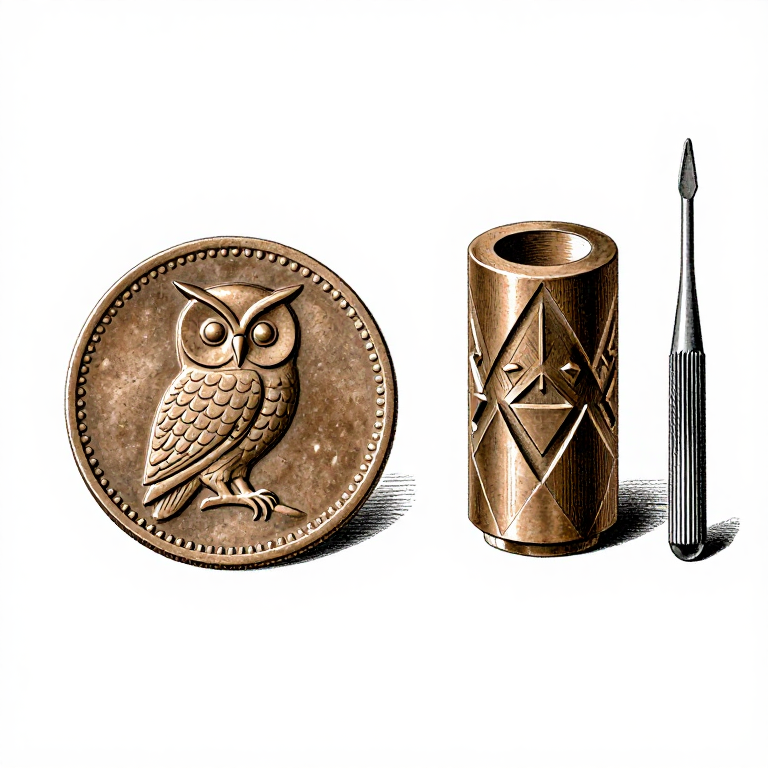
Prepare two dies from hardened bronze or iron: the anvil die (obverse, bottom) is set into the anvil or a heavy block, and the punch die (reverse, top) is a hand-held cylindrical tool. Engrave the designs in intaglio (recessed into the die face) so they will appear in relief (raised) on the struck coin. The designs must be carved in mirror image. Greek coin designs typically featured a patron deity or symbol on the obverse (such as the owl of Athens, the turtle of Aegina, or the Pegasus of Corinth) and a geometric punch mark or secondary design on the reverse. Use fine burins and gravers to cut the design into the polished die face. This is the most skilled step — ancient Greek die engravers were master artists whose miniature sculptures in metal rival the finest large-scale Greek art.
Izinto zokwakha zalesi sinyathelo:
 Isiliva Esimsulwa4-5 g per coin (drachma weight) g
 Ucingo lwethusi elimnyama2 pieces, each 5-8 cm long, 2-3 cm diameter cm
 Amalahle Achotshoziwe1-2 kg kg
Amathuluzi adingekayo:
 Iziko Lokukhanda
 Amathuluzi wokuqopha
 Isando
 Insimbi Yokukhandela
 Udlawu Lomkhandi
 Isikali Esinembile
Prepare the Silver Blank (Flan)
Prepare the Silver Blank (Flan)
Weigh out the correct amount of silver for the denomination being struck — an Athenian drachma weighed approximately 4.3 g, based on the Attic weight standard. Melt the silver in a small crucible and pour it into a small round depression in a stone or clay mold to form a roughly circular blank (flan) approximately 15-18 mm in diameter. Alternatively, cut blanks from hammered silver sheet and trim to weight. Greek mints maintained strict weight standards enforced by city magistrates — coins significantly underweight were rejected. The silver purity was also controlled; Athenian tetradrachms are consistently 98-99% pure silver, demonstrating sophisticated assaying capabilities.
Heat the Blank and Position on the Anvil Die
Heat the Blank and Position on the Anvil Die
Heat the silver blank in the forge to a dull red glow (approximately 500-600 degrees Celsius), which softens the metal and allows it to flow into the die details under the striking force. Using tongs, place the hot blank precisely centered on the anvil die face. Position the punch die on top of the blank, aligned so the reverse design will be correctly oriented relative to the obverse. Speed is essential — the small blank cools quickly, and if it cools before striking, the design will not be fully impressed. Ancient minters worked in rapid succession: heat, place, strike, remove, in a continuous rhythm that could produce hundreds of coins per hour.
Strike the Coin
Strike the Coin
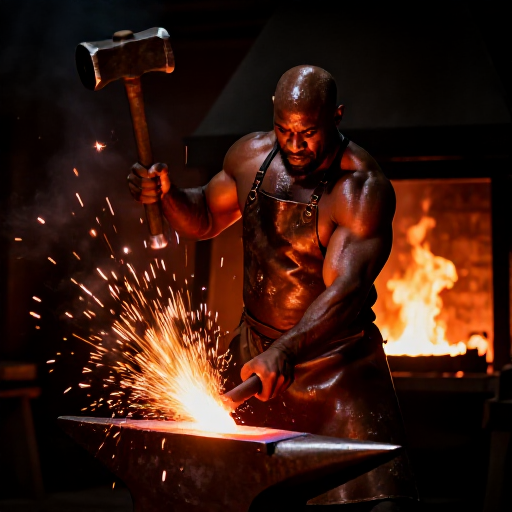
With the heated blank sandwiched between the two dies, deliver one or two heavy, decisive hammer blows to the top of the punch die. The force must be sufficient to drive the softened silver into all recesses of both dies simultaneously, transferring both obverse and reverse designs to the coin in a single strike. A typical striking force is 50-100 kg delivered instantaneously by a 1-2 kg hammer. If the first strike does not fully impress the design, the blank can be reheated and restruck, though this risks a double-struck appearance if the blank shifts between strikes. Well-struck coins show sharp, complete design details with no flat or missing areas.
Inspect and Trim the Finished Coin
Inspect and Trim the Finished Coin
Remove the struck coin from the dies and quench it in water. Examine both faces for complete design transfer, centering, and any defects. Common striking defects include off-center strikes (design not centered on the flan), weak strikes (incomplete design impression), and die cracks (lines on the coin surface transferred from cracks in a worn die). If the flan spread unevenly during striking, trim the excess with shears to produce a roughly circular outline. Weigh the finished coin to verify it meets the weight standard. Greek coins circulated by weight as well as by face value, so accuracy was important for commercial acceptance. The invention of coinage transformed Mediterranean commerce by providing a portable, standardized, state-guaranteed medium of exchange that replaced the cumbersome barter and bullion-weighing systems of earlier trade.
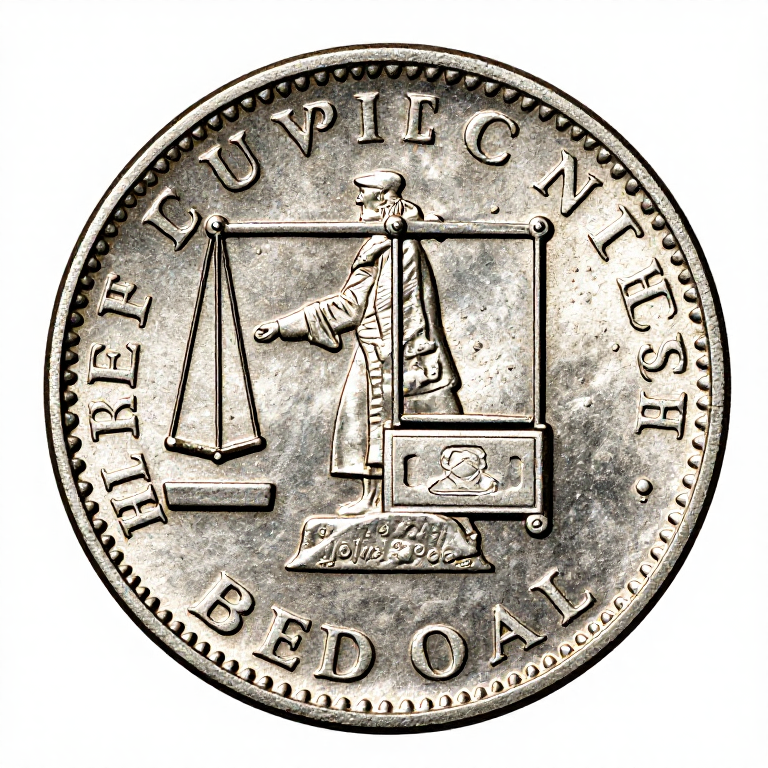
Izinto
4- 4-5 g per coin (drachma weight) gIsibambeli
- 1-2 kg kgIsibambeli
- 2 pieces, each 5-8 cm long, 2-3 cm diameter ucezuIsibambeli
- Isibambeli
Amathuluzi Adingekayo
7- Isibambeli
- Isibambeli
- Isibambeli
- Isibambeli
- Isibambeli
- Isibambeli
- Isibambeli
Le blueprint yenza

CC0 Isizinda Somphakathi
Le blueprint ikhishwe ngaphansi kwe-CC0. Ukhululekile ukukopisha, ukuguqula, ukusabalalisa, nokusebenzisa ngaphandle kwemvume.
Sekela uMenzi ngokuthenga imikhiqizo nge-Blueprint yabo IKhomishane Yomenzi kumiswe ngabathengisi, noma dala inguqulo entsha yale Blueprint bese uyifaka njengoxhumaniso ku-Blueprint yakho ukuze wabelane ngemali engenayo.