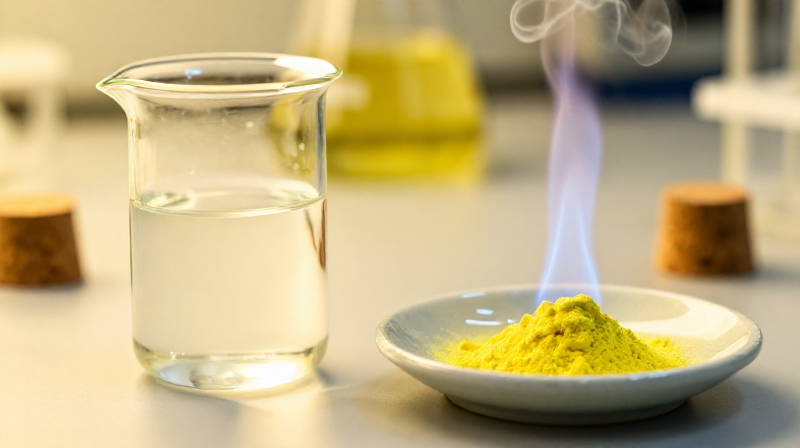

Making Sulfuric Acid by the Lead Chamber Process — The Acid That Built the Industrial Revolution
Sulfuric acid (H₂SO₄, oil of vitriol) is the single most important chemical in industrial history. More sulfuric acid is produced worldwide than any other manufactured chemical — over 260 million tonnes per year — and a nation's sulfuric acid output was long used as the measure of its industrial development. It is essential for manufacturing fertilizers, refining petroleum, processing metals, producing dyes and pigments, and hundreds of other processes.
Before 1746, sulfuric acid was made by the 'bell process' — burning sulfur with saltpeter under small glass bells and collecting the acid mist. This produced tiny quantities at enormous cost. In 1746, John Roebuck and Samuel Garbett in Birmingham replaced the fragile glass bells with large lead-lined chambers — lead being resistant to dilute sulfuric acid and far cheaper than glass. This single change scaled production by a factor of one hundred and slashed the price, making sulfuric acid available for the first time as a bulk industrial chemical.
The chemistry is elegant: sulfur burns in air to form sulfur dioxide (SO₂), which is then oxidized to sulfur trioxide (SO₃) by nitrogen dioxide (NO₂) from decomposing saltpeter. The NO₂ acts as a catalyst — it is consumed in oxidizing SO₂ but regenerated when the resulting nitric oxide (NO) reacts with air. SO₃ dissolves in water to form sulfuric acid. The catalytic cycle: SO₂ + NO₂ → SO₃ + NO, then 2NO + O₂ → 2NO₂ — the nitrogen oxides shuttle oxygen from the air to the sulfur dioxide.
This lab-scale demonstration replicates the essential chemistry of Roebuck's industrial process using glass vessels in place of the original lead chambers. The product is dilute sulfuric acid — concentrating it further requires specialized apparatus and extreme care, as hot concentrated sulfuric acid is one of the most dangerous substances in the laboratory.
SAFETY WARNING: Sulfur dioxide is a toxic, choking gas that causes severe respiratory irritation. Nitrogen dioxide (brown fumes) is acutely toxic to the lungs. Sulfuric acid causes severe burns. Work ONLY in a functioning fume hood or outdoors with wind at your back. Wear full PPE including acid-rated respirator. Never heat concentrated sulfuric acid without proper training.
Okuqukethwe okuyingozi
Le blueprint iqukethe izinqubo eziyingozi. Ngena ngemvume bese uvula okuqukethwe okuyingozi kuzilungiselelo ze-akhawunti yakho ukuze ubone iziqondiso zesinyathelo ngesinyathelo.
NgenaLe blueprint yenza
Ama-blueprint ahlobene
Lama-blueprint abelana ngolwazi — amasu, izinto noma izimiso
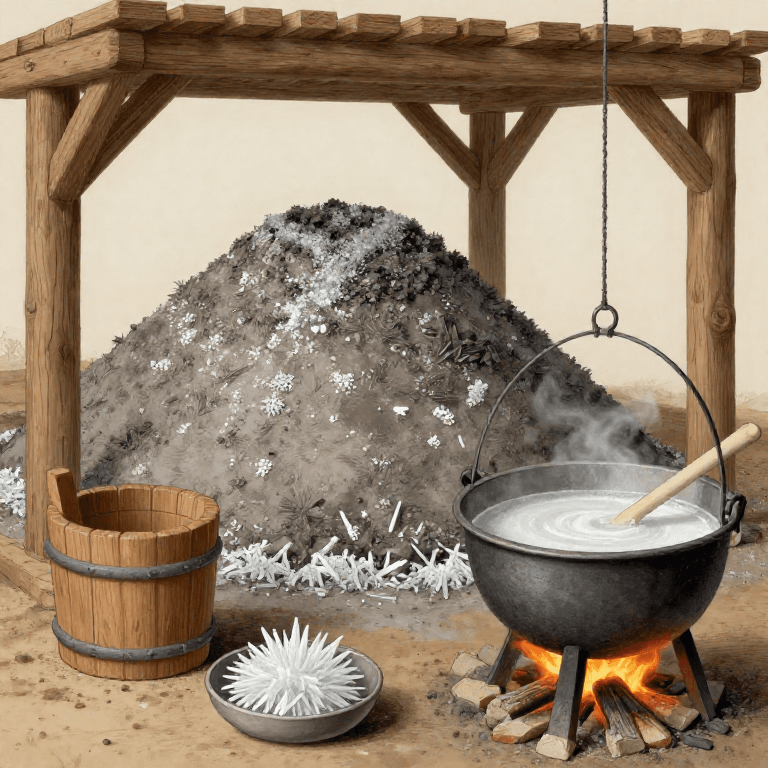
Growing Saltpeter from Niter Beds — The Explosive Element in Every Living Thing
ngu-Peter
Kwasendulo
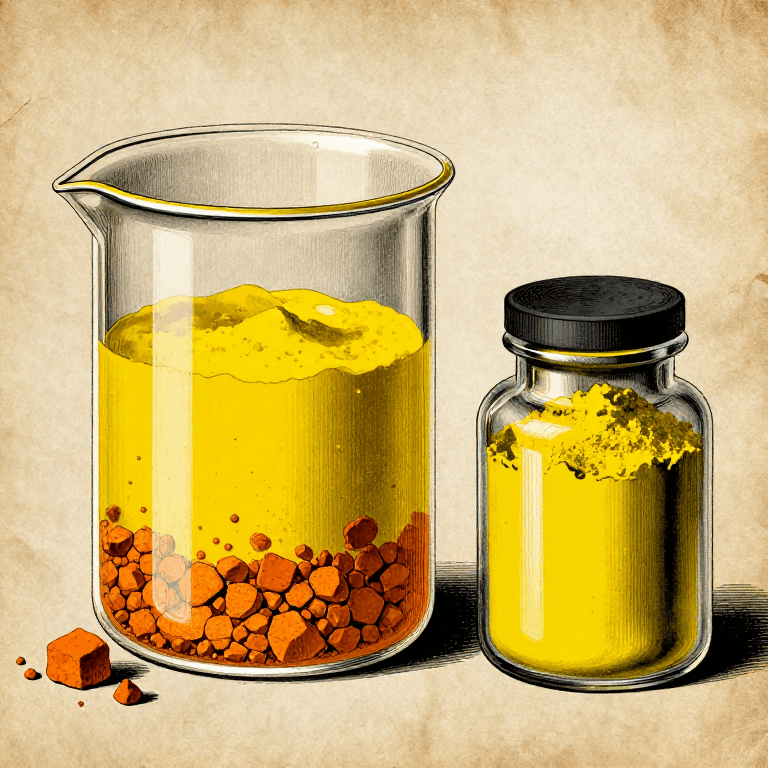
Making Chrome Yellow — The Brilliant Lead Chromate Pigment of the 19th Century
ngu-Charlie
UBUCIKO
Understanding Oxygen Through Combustion — The Element That Makes Fire Breathe
ngu-Peter
Kwasendulo
Synthesising Aspirin — The Reaction That Founded Modern Pharmaceuticals
ngu-Charlie
Kwezimboni
Making Bakelite — The First Fully Synthetic Plastic That Launched the Age of Polymers
ngu-Charlie
Kwezimboni
CC0 Isizinda Somphakathi
Le blueprint ikhishwe ngaphansi kwe-CC0. Ukhululekile ukukopisha, ukuguqula, ukusabalalisa, nokusebenzisa ngaphandle kwemvume.
Sekela uMenzi ngokuthenga imikhiqizo nge-Blueprint yabo IKhomishane Yomenzi kumiswe ngabathengisi, noma dala inguqulo entsha yale Blueprint bese uyifaka njengoxhumaniso ku-Blueprint yakho ukuze wabelane ngemali engenayo.