UBUCIKO
UBUHLE NEMPILO
UBUCIKO BEZANDLA
AMASIKO NOMLANDO
EZOKUZIJABULISA
IMVELO
UKUDLA NEZIPHUZO
REVERSE ENGINEERING
IZAYENSI
EZEMIDLALO
UBUCHWEPHESHE
IZINTO EZIGQOKWAYO

PETG Pellets: Dimethyl Terephthalate with Ethylene Glycol and CHDM
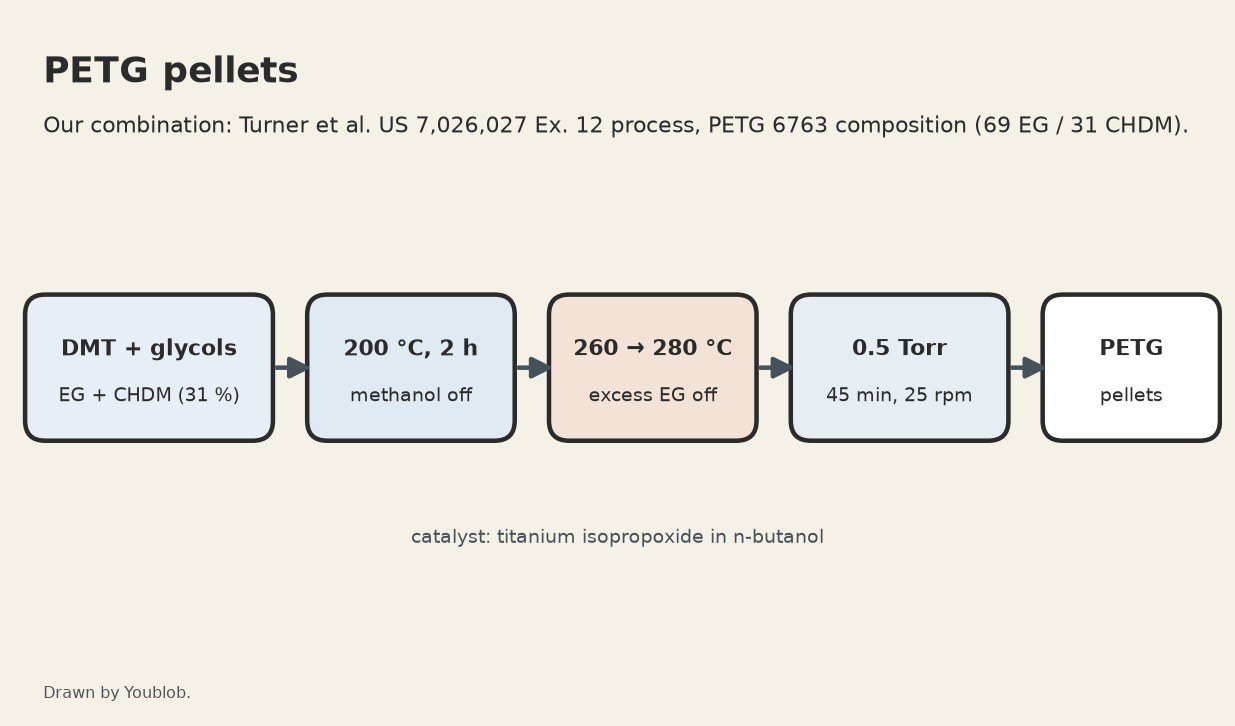
PETG is PET in which part of the ethylene glycol is replaced by CHDM, which keeps the plastic clear and amorphous. Eastman's patent US 7,026,027 describes PETG 6763 as terephthalate with about 69 mol % ethylene glycol and 31 mol % CHDM, but gives no recipe for it. This blueprint is our own combination: that composition, made by the same patent's pilot-plant process (Example 12, written for a CHDM/neopentyl glycol copolyester), with ethylene glycol in place of neopentyl glycol as in Kibler's 1959 Eastman patent. The charge weights are our arithmetic.
The picture: our diagram.
Osezingeni eliphezulu
About 5 hours
Imiyalelo
1
1
Charge the reactor
Charge the reactor
Our charge for 31 mol % CHDM: 10.669 kg dimethyl terephthalate (54.9 mol, as in the patent's example), 2.456 kg CHDM (31 % of those moles) and 4.058 kg ethylene glycol, so the glycols total 1.5 times the ester moles as in the example. Add 53.4 g of catalyst solution (15 g titanium isopropoxide in 250 ml n-butanol). The patent's reactor held 18 gallons and had spiral agitators and a distillation column.
Izinto zokwakha zalesi sinyathelo:
 I-dimethyl terephthalate10.669 kg
 1,4-Cyclohexanedimethanol2.456 kg
 I-ethylene glycol4.058 kg
Amathuluzi adingekayo:
 I-titanium isopropoxide
 I-n-Butanol
 Isikali sesilinganiso
 I-reactor yokwenza i-polymer enejakhethi
 Isicwengi esahlukanisayo
 Izibuko Zokuchitheka Kwamakhemikhali
2
2
Ester interchange at 200 °C
Ester interchange at 200 °C
Stir (forward 50 minutes, then reverse 10), heat to 200 °C and hold 2 hours. Methanol distils off through the column.
Amathuluzi adingekayo:
I-reactor yokwenza i-polymer enejakhethiIsicwengi esahlukanisayo I-thermocouple enesibonisi
3
3
260 °C, then 280 °C
260 °C, then 280 °C
Raise to 260 °C for 30 minutes and weigh the distillate, then raise to 280 °C and weigh it again. The surplus ethylene glycol is driven off; Kibler found the CHDM stays in the polymer.
Amathuluzi adingekayo:
I-reactor yokwenza i-polymer enejakhethiI-thermocouple enesibonisiIsikali sesilinganiso4
4
Polymerise under vacuum
Polymerise under vacuum
Switch the agitator direction every 6 minutes and pull vacuum at 13 Torr a minute down to 0.5 Torr. Hold full vacuum for 45 minutes at 25 rpm.
Amathuluzi adingekayo:
I-reactor yokwenza i-polymer enejakhethi Iphampu yomoya
 Isilinganiso sokungabi namoya
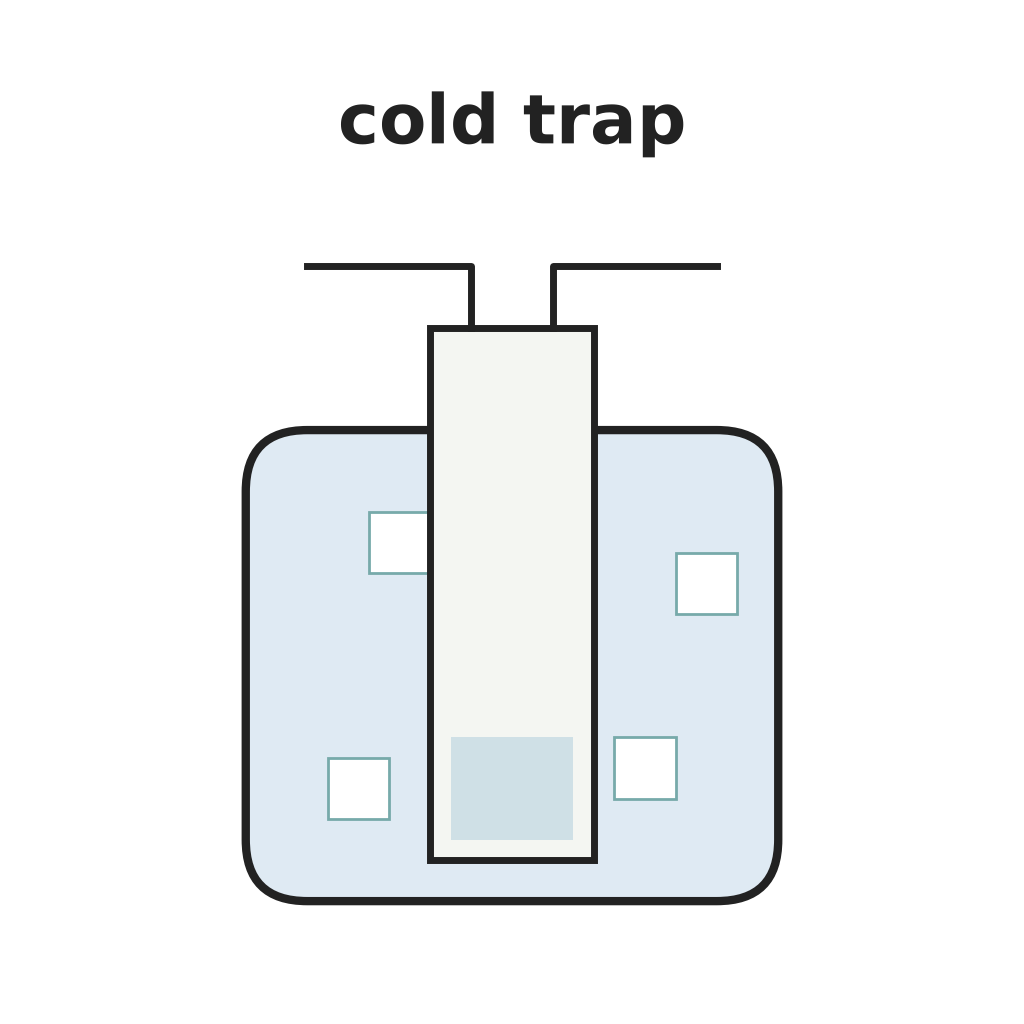 Isixhaphi esibandayo
5
5
Extrude and chop into pellets
Extrude and chop into pellets
Let nitrogen in, extrude the polymer at once and chop it into pellets. Check the composition: in the patent's example the polymer kept slightly less CHDM than was charged (38.1 % for 40.7 %).
Amathuluzi adingekayo:
 Isilinda Segesi Ye-Nitrogen
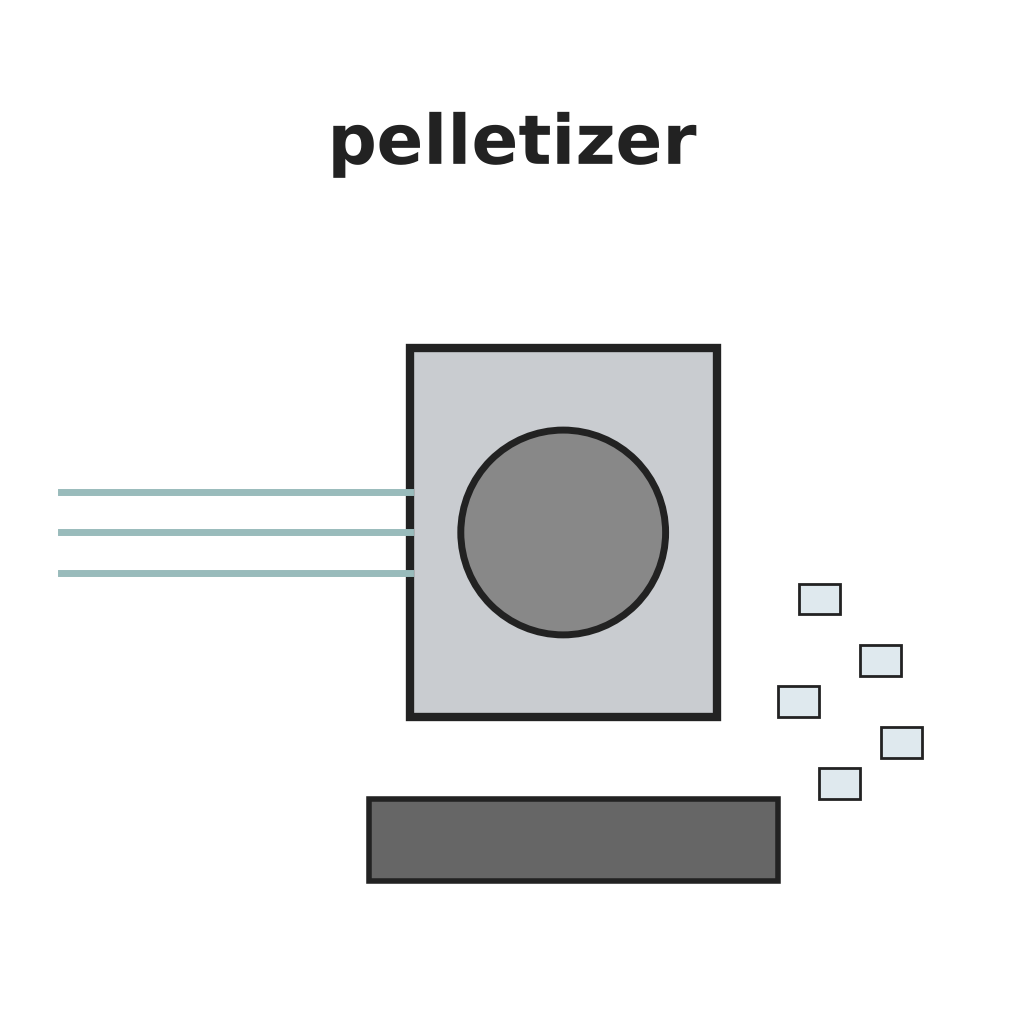 I-Pelletizer
 Amagilavu Amelana Nokushisa
Izinto
3- 10.669 kgIsibambeli
- 2.456 kgIsibambeli
- 4.058 kgIsibambeli
Amathuluzi Adingekayo
13- Isibambeli
- Isibambeli
- Isibambeli
- Isibambeli
- Isibambeli
- Isibambeli
- Isibambeli
- 1 vendor sell this, none ship to you yetIsibambeli
- Isibambeli
- Isibambeli
- Isibambeli
- Isibambeli
- Isibambeli
Le blueprint yenza
Ama-blueprint ahlobene
Lama-blueprint abelana ngolwazi — amasu, izinto noma izimiso
Yingozi
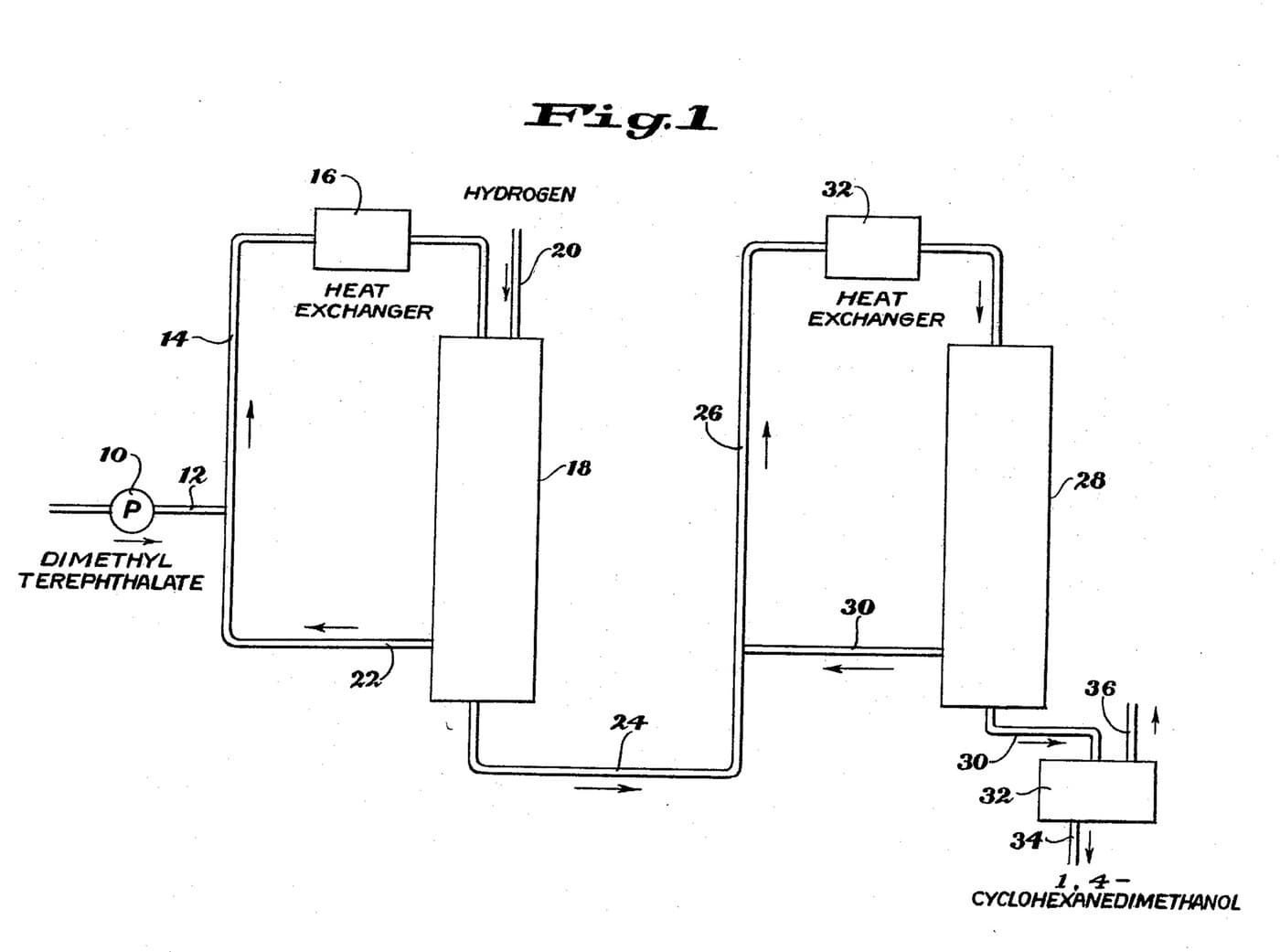
1,4-Cyclohexanedimethanol: Dimethyl Terephthalate Hydrogenated over Palladium, then Copper Chromite
ngu-Charlie
Kwezimboni
3
0
0
0
0
0

Dimethyl Terephthalate: Terephthalic Acid and Methanol Sprayed through a Hot Tube
ngu-Charlie
Kwezimboni
3
0
0
0
0
0
Yingozi
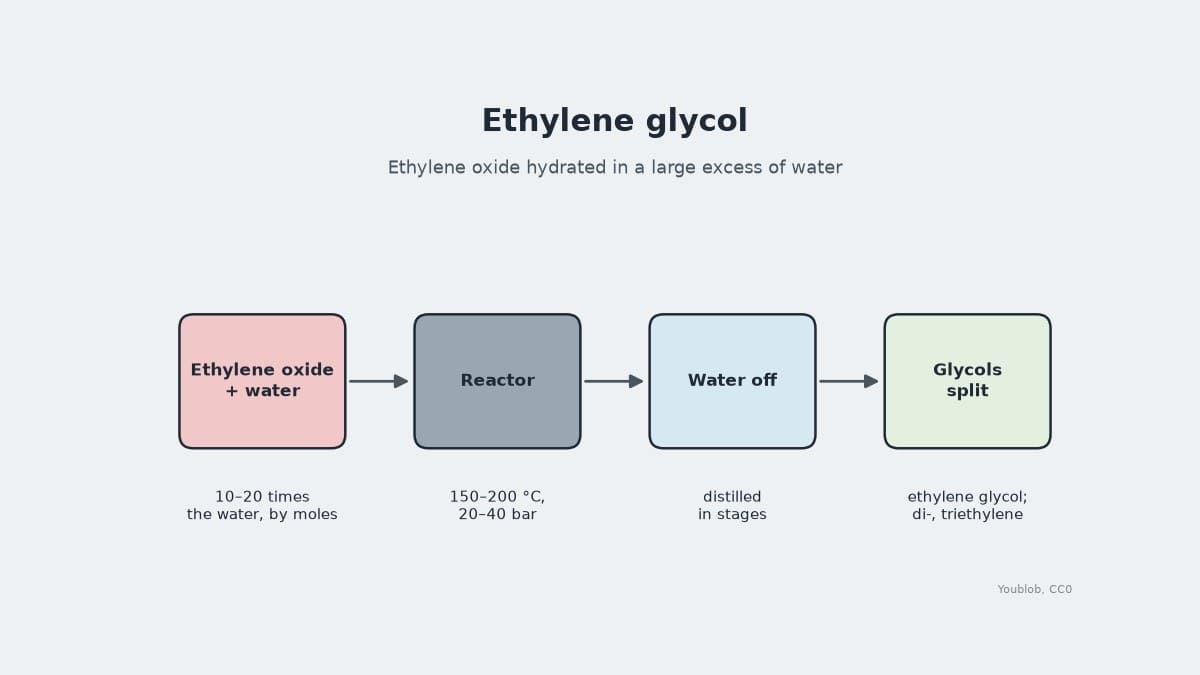
Ethylene Glycol by Hydration of Ethylene Oxide
ngu-Charlie
Kwezimboni
5
0
0
0
0
0
CC0 Isizinda Somphakathi
Le blueprint ikhishwe ngaphansi kwe-CC0. Ukhululekile ukukopisha, ukuguqula, ukusabalalisa, nokusebenzisa ngaphandle kwemvume.
Sekela uMenzi ngokuthenga imikhiqizo nge-Blueprint yabo IKhomishane Yomenzi kumiswe ngabathengisi, noma dala inguqulo entsha yale Blueprint bese uyifaka njengoxhumaniso ku-Blueprint yakho ukuze wabelane ngemali engenayo.