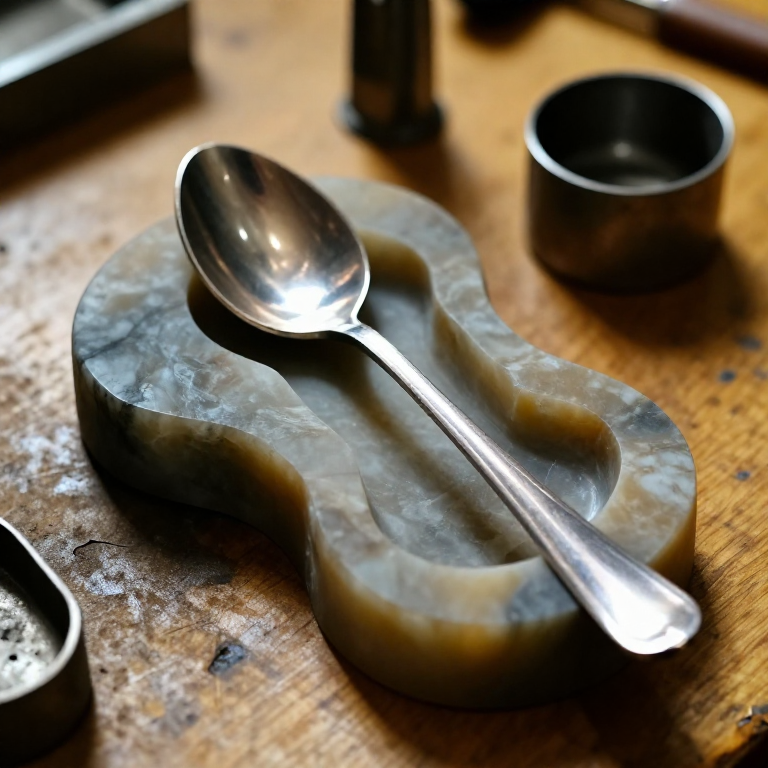


Casting a Pewter Spoon in a Soapstone Mould — Low-Temperature Metal Casting
Pewter — an alloy of roughly 92% tin with small amounts of antimony and copper — melts at just 230°C, making it the most accessible metal for casting. Medieval spoon-makers carved two-part moulds from soapstone, poured molten pewter, and finished the castings with files and burnishing. The result is a bright, food-safe utensil that lasts generations. This blueprint covers carving the soapstone mould, melting the pewter over a simple charcoal fire, casting, and finishing.
Imiyalelo
Select the soapstone
Select the soapstone
Izinto zokwakha zalesi sinyathelo:
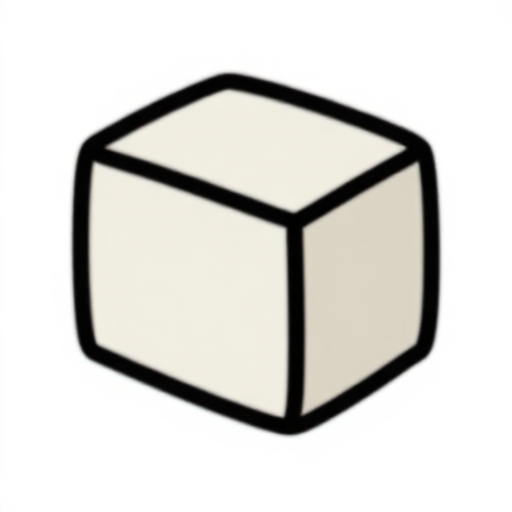 Ibhulokhi letshe lensipho1 ucezu
Flatten the mould faces
Flatten the mould faces
Draw the spoon pattern
Draw the spoon pattern
Carve the bowl cavity
Carve the bowl cavity
Amathuluzi adingekayo:
 I-gouge yokhuni
 Ummese We-Sloyd
Carve the matching half
Carve the matching half
Carve alignment keys and pour gate
Carve alignment keys and pour gate
Pre-heat the mould
Pre-heat the mould
Melt the pewter
Melt the pewter
Izinto zokwakha zalesi sinyathelo:
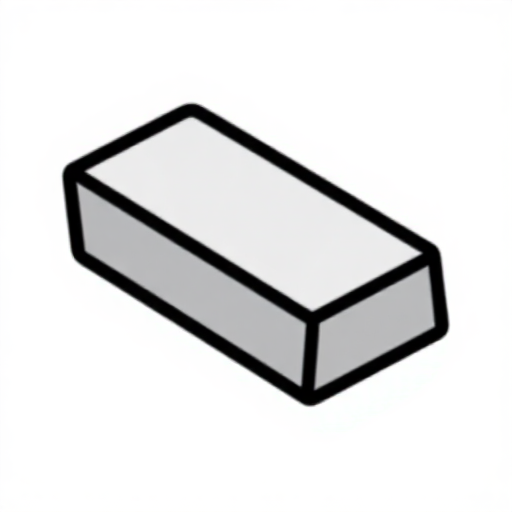 Isigaxa se-pewter200 g
Amathuluzi adingekayo:
 Imbiza yokuncibilikisa yensimbi
 Udlawu Lwesitsha Sokuncibilikisa
Pour the casting
Pour the casting
Cool and open the mould
Cool and open the mould
Remove the gate and flash
Remove the gate and flash
Amathuluzi adingekayo:
 Isethi Yamafayela Amancane
Shape and refine the spoon
Shape and refine the spoon
Burnish to a bright finish
Burnish to a bright finish
Izinto
2- 1 ucezuIsibambeli
- 200 gIsibambeli
Amathuluzi Adingekayo
5- Isibambeli
- Isibambeli
- Isibambeli
- Isibambeli
- Isibambeli
Izinto Zokwakha Ze-Blueprint Exhunyiwe

Le blueprint yenza

Ama-blueprint ahlobene
Lama-blueprint abelana ngolwazi — amasu, izinto noma izimiso

CC0 Isizinda Somphakathi
Le blueprint ikhishwe ngaphansi kwe-CC0. Ukhululekile ukukopisha, ukuguqula, ukusabalalisa, nokusebenzisa ngaphandle kwemvume.
Sekela uMenzi ngokuthenga imikhiqizo nge-Blueprint yabo IKhomishane Yomenzi kumiswe ngabathengisi, noma dala inguqulo entsha yale Blueprint bese uyifaka njengoxhumaniso ku-Blueprint yakho ukuze wabelane ngemali engenayo.