UBUCIKO
UBUHLE NEMPILO
UBUCIKO BEZANDLA
AMASIKO NOMLANDO
EZOKUZIJABULISA
IMVELO
UKUDLA NEZIPHUZO
REVERSE ENGINEERING
IZAYENSI
EZEMIDLALO
UBUCHWEPHESHE
IZINTO EZIGQOKWAYO
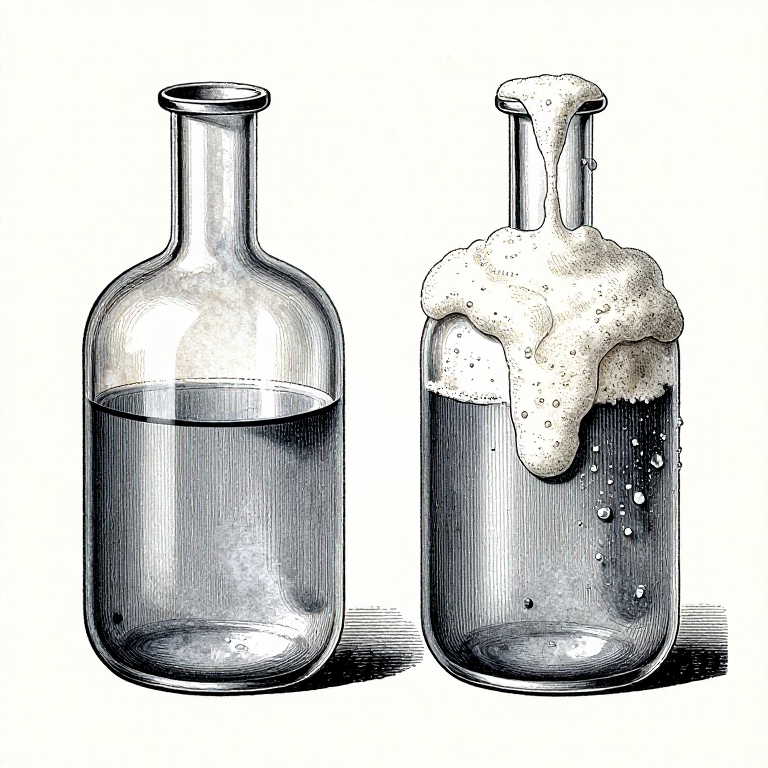

Pitching Rate and Lag Phase: The First Day Decides the Flavour
Yeast does not start fermenting the moment it lands. It spends hours taking up oxygen, building cell membranes and multiplying — the LAG PHASE — and only then begins converting sugar in earnest.
How long that lag lasts is the single biggest thing the brewer controls on brew day, and it matters for two reasons. A long lag is a long window in which something else can establish itself. And the growth that happens during it produces most of the flavour compounds that make one yeast taste different from another.
Too little yeast means excessive growth, stressed cells and harsh flavours. Too much means almost no growth, and a beer that tastes oddly thin and characterless. There is a right amount and it can be calculated.
Ophakathi
3 hours
Imiyalelo
1
1
How much yeast, and why the number is not obvious
How much yeast, and why the number is not obvious
Ilayisha incwadi ye-Jupyter…
Izinto zokwakha zalesi sinyathelo:
 Isiqhumisi sembewu yesinkwa1 ucezu
 I-malt extract eyomile1 ucezu
Amathuluzi adingekayo:
 Ikhompyutha Yasetafuleni
 Isikali Esinembile
 I-hydrometer nesitsha sokuhlola ekwenzeni utshwala
2
2
Rehydrate dry yeast, or make a starter for liquid
Rehydrate dry yeast, or make a starter for liquid
Dry yeast sprinkled straight onto wort loses a significant fraction of its cells: the cell walls are fragile until rehydrated, and sugar in the surrounding liquid ruptures them as water rushes in.
Rehydrate in plain warm water at the temperature the maker states, for the time they state, then attemperate it towards the wort before pitching. That recovers most of the loss and costs twenty minutes.
Liquid yeast is a different problem: the packs contain fewer cells and the count falls with age. A STARTER — a small volume of weak wort fermented a day or two in advance — grows the population up to where it needs to be, and also proves the yeast is alive before it is committed to a whole batch.
Izinto zokwakha zalesi sinyathelo:
Isiqhumisi sembewu yesinkwa1 ucezuI-malt extract eyomile1 ucezu Amanzi1 ilitha
Amathuluzi adingekayo:
 Ithemomitha Efunda NgokusheshaIsikali Esinembile
 Igabha elikhulu le-asidi
3
3
Oxygen at the start, and only at the start
Oxygen at the start, and only at the start
Yeast needs oxygen to build the sterols and fatty acids its cell membranes are made of. Without it the first generation is fine and subsequent ones are weak, which shows up as a sluggish, incomplete fermentation.
So aerate the cooled wort hard before pitching — shaking, splashing, or pure oxygen through a stone. It is the one point in the whole process where introducing air is correct.
After fermentation begins, oxygen is an enemy. It oxidises the beer to cardboard and sherry flavours and it lets aerobic spoilage organisms establish. That is why everything after pitching is about EXCLUDING air, and why the same action is right on day zero and wrong on day three.
Izinto zokwakha zalesi sinyathelo:
Amanzi1 ilithaAmathuluzi adingekayo:
Igabha elikhulu le-asidi I-airlock yokuvutshelwa
 I-siphon ezenzakalelayo
4
4
Watch the lag, and know what a long one means
Watch the lag, and know what a long one means
A healthy pitch shows visible activity within 12 to 24 hours: airlock movement, a krausen forming, the surface changing. Note when you pitched and when it started, every time.
A lag beyond 24 to 36 hours means something is wrong — too little yeast, yeast that was old or badly stored, wort too cold, or no oxygen. It is a warning, not just a delay, because the window for competitors is open the whole time.
No activity at 48 hours needs action rather than patience: re-pitch. And before assuming a dead ferment, check the lid seal — an airlock that never bubbles because the gas is escaping past a loose lid is the commonest false alarm there is, which is why gravity readings and not bubbles are the measure.
Izinto zokwakha zalesi sinyathelo:
Isiqhumisi sembewu yesinkwa1 ucezuAmathuluzi adingekayo:
I-airlock yokuvutshelwaI-hydrometer nesitsha sokuhlola ekwenzeni utshwalaIthemomitha Efunda NgokusheshaIzinto
3- 3 izicucuIsibambeli
- 1 ucezuIsibambeli
- 2 amalithaIsibambeli
Amathuluzi Adingekayo
7- Isibambeli
- Isibambeli
- I-hydrometer nesitsha sokuhlola ekwenzeni utshwalaikhomishini engu-10%Isibambeli
- Isibambeli
- Isibambeli
- Isibambeli
- Isibambeli
Ama-blueprint ahlobene
Lama-blueprint abelana ngolwazi — amasu, izinto noma izimiso
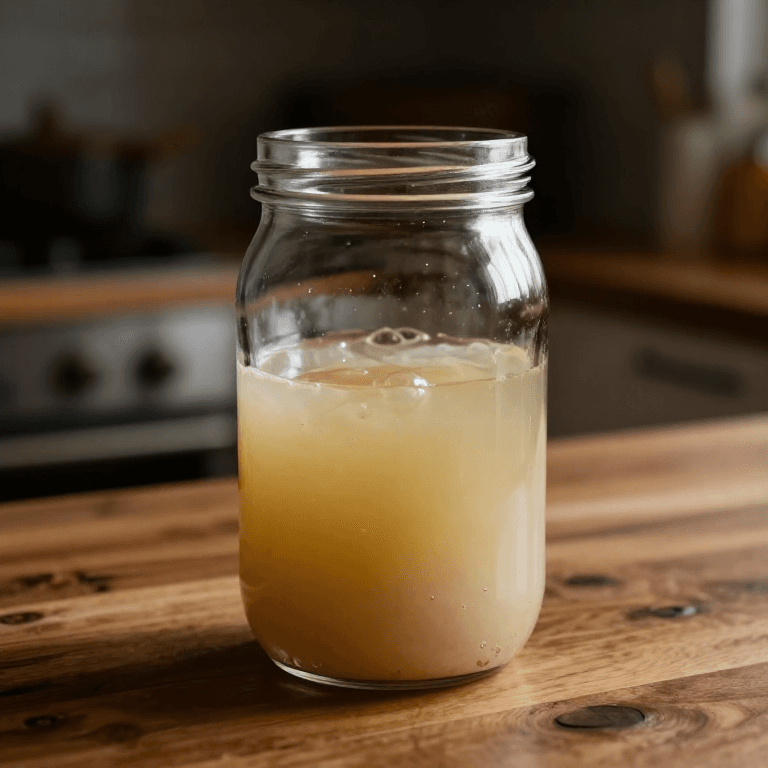
Cultivating a Sourdough Starter from Wild Yeast — The Living Culture Behind the World's Oldest Bread
ngu-Bob
Ibhayoloji
67
0
0
0
6
0
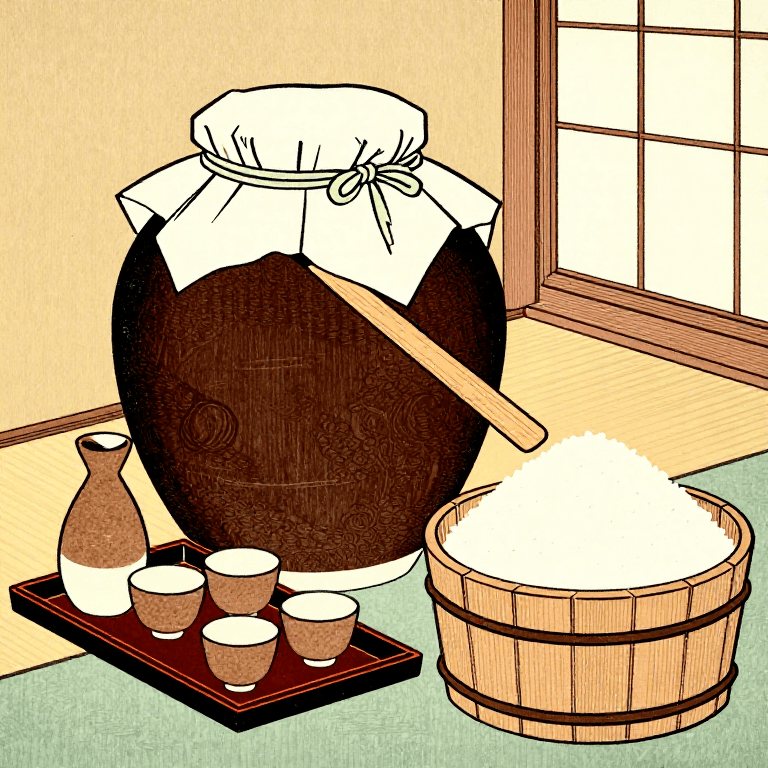
Brewing Sake Rice Wine — Parallel Fermentation with Koji
ngu-Alchometer
Ukwenza Utshwala
120
0
1
1
0
0
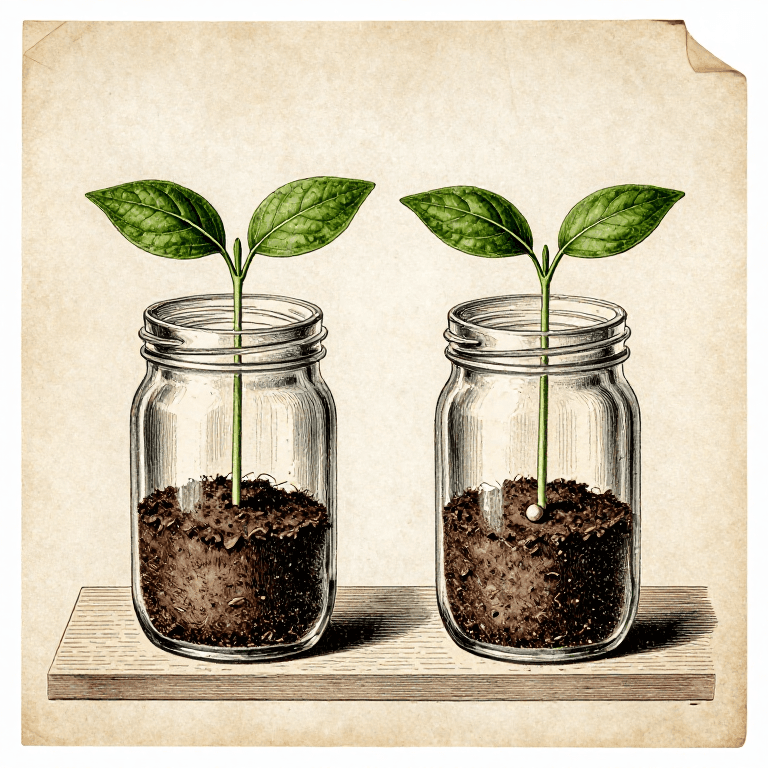
Change One Thing at a Time: Grow the Control, and the Confounded Jar Too
ngu-Penny
Okuhlaziyayo
41
0
0
0
0
0
CC0 Isizinda Somphakathi
Le blueprint ikhishwe ngaphansi kwe-CC0. Ukhululekile ukukopisha, ukuguqula, ukusabalalisa, nokusebenzisa ngaphandle kwemvume.
Sekela uMenzi ngokuthenga imikhiqizo nge-Blueprint yabo IKhomishane Yomenzi kumiswe ngabathengisi, noma dala inguqulo entsha yale Blueprint bese uyifaka njengoxhumaniso ku-Blueprint yakho ukuze wabelane ngemali engenayo.