UBUCIKO
UBUHLE NEMPILO
UBUCIKO BEZANDLA
AMASIKO NOMLANDO
EZOKUZIJABULISA
IMVELO
UKUDLA NEZIPHUZO
REVERSE ENGINEERING
IZAYENSI
EZEMIDLALO
UBUCHWEPHESHE
IZINTO EZIGQOKWAYO
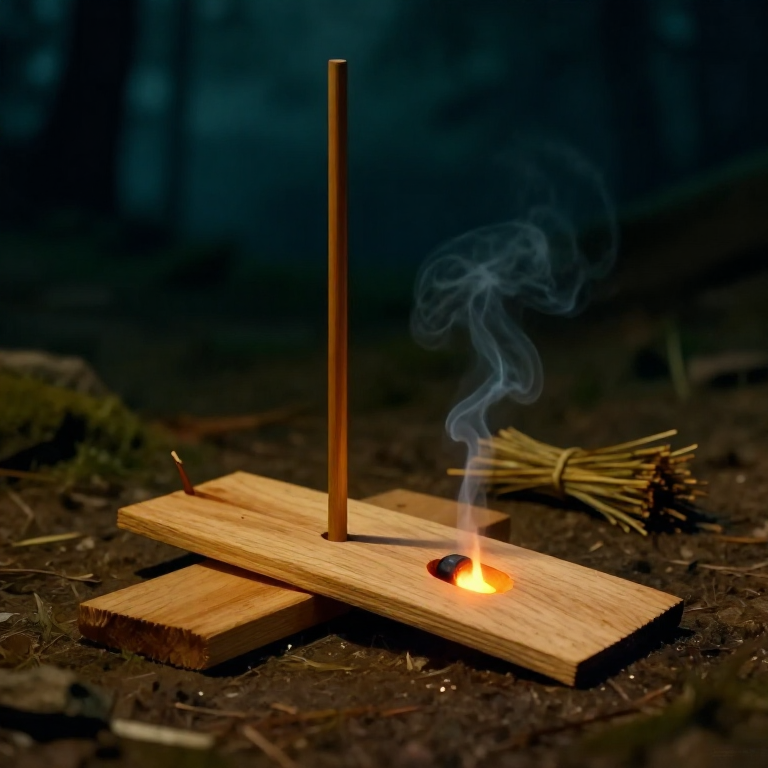


Starting Fire with a Hand Drill — The Simplest Friction Fire Method
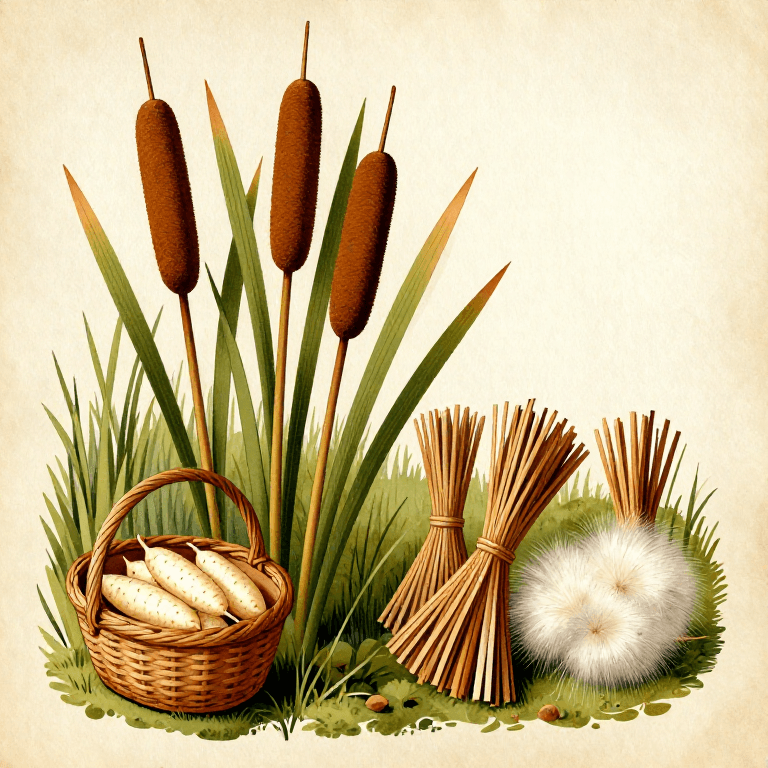
The hand drill is the most primitive friction fire-starting method — it requires nothing but a straight stick (the spindle) and a flat piece of soft wood (the fireboard). No cordage, no bearing block, no bow. The spinner rolls the spindle rapidly between their palms while pressing down, generating friction heat at the contact point with the fireboard. When the wood dust in the notch reaches approximately 400°C, it forms a glowing coal that can be transferred to a tinder bundle and blown into flame. The hand drill demands technique and endurance — it is physically harder than a bow drill because the hands provide both rotation and downward pressure simultaneously. Ideal spindle woods include mullein, cattail, clematis, and yucca flower stalks — dry, straight, and with pithy or soft cores.
Ophakathi
30 minutes - 1 hour
Imiyalelo
1
1
Select a Spindle
Select a Spindle
Choose a dry, straight stick 45 to 60 cm long and 8 to 12 mm in diameter. Ideal spindle woods include mullein stalk, cattail stem, clematis vine, yucca flower stalk, or elder. The wood must have a pithy or soft core — dense hardwoods generate friction heat too slowly and exhaust the user before producing a coal.
Izinto zokwakha zalesi sinyathelo:
 Uthi Lomuthi Omncane Oluqinile1 ucezu
2
2
Verify the Spindle Is Bone Dry and Straight
Verify the Spindle Is Bone Dry and Straight
The spindle must be truly straight and bone dry — any moisture prevents coal formation. Sight down the length of the stick to check for bends. If it has a slight curve, gently straighten it over low heat. Test dryness by snapping a small twig from the same source — it should break cleanly with an audible snap, not bend.
3
3
Select a Fireboard
Select a Fireboard
Choose a flat, dry piece of softwood 2 to 3 cm thick — willow, cottonwood, cedar, or basswood all work well. The board should be wide enough to carve multiple holes (at least 8 to 10 cm wide) and long enough to brace with your foot (20 to 30 cm). The spindle and fireboard should ideally be the same species or similar hardness.
4
4
Carve a Depression in the Fireboard
Carve a Depression in the Fireboard
Using a flint flake or the tip of a knife, carve a small round depression in the fireboard surface, positioned about 1 cm from the edge. The depression should be just wide enough to seat the bottom of the spindle and prevent it from wandering across the board.
5
5
Burn In the Socket
Burn In the Socket
Place the spindle in the depression and spin it between your palms to char and seat the hole. This burn-in creates a smooth, fitted socket where the spindle sits securely. Continue until the hole is blackened and the spindle drops into it naturally without wobbling.
6
6
Cut a V-Shaped Notch
Cut a V-Shaped Notch
Cut a V-shaped notch from the edge of the fireboard into the centre of the charred depression. The notch should extend approximately one-eighth of the way around the hole — roughly a 45-degree pie slice. This notch is critical: it collects the hot wood dust (char) generated by friction and allows oxygen to reach the forming coal.
7
7
Place a Coal Catcher Under the Notch
Place a Coal Catcher Under the Notch
Place a dry leaf, thin bark chip, or flat piece of wood under the notch to catch the coal as it forms. Without a coal catcher, the ember falls into dirt or damp ground and dies immediately. The catcher must be thin enough to slide out from under the fireboard without disturbing the coal.
8
8
Begin Spinning the Spindle
Begin Spinning the Spindle
Kneel with one foot bracing the fireboard firmly. Position the spindle in the hole. Place both palms flat against the spindle near the top, press inward, and roll the spindle rapidly downward between your hands while applying steady downward pressure. The motion should be fast and fluid — speed matters more than force.
9
9
Maintain Continuous Spinning
Maintain Continuous Spinning
When your palms reach the bottom of the spindle, move them back to the top quickly and continue without pausing. Do not let the spindle cool between strokes — the heat must accumulate continuously. Some practitioners use a technique called 'floating' the hands back up while maintaining light contact to prevent the spindle from falling out of the socket.
10
10
Watch for Smoke
Watch for Smoke
Smoke should appear within 30 to 60 seconds of sustained spinning. The charred wood dust will begin to accumulate in the notch as a dark brown or black powder. As the temperature builds, the smoke will thicken. Continue spinning with increased speed and pressure — do not stop at the first sign of smoke.
11
11
Confirm the Coal Has Formed
Confirm the Coal Has Formed
When thick smoke rises from the notch and continues rising after you stop spinning, a coal has formed in the accumulated dust. Carefully lift the fireboard away from the coal catcher. The coal will be a small, glowing ember in the dark dust pile — it should smoke steadily on its own without any spinning.
12
12
Transfer the Coal to a Tinder Bundle and Blow Into Flame
Transfer the Coal to a Tinder Bundle and Blow Into Flame
Carefully transfer the glowing coal on its bark or leaf catcher into a pre-made tinder bundle of dry grass, cattail fluff, shredded cedar bark, or other fine, fluffy tinder. Fold the bundle loosely around the coal and blow gently with long, steady breaths. The tinder will begin to smoke, then glow, then burst into flame. Hold the bundle away from your face when it ignites.
Izinto
3- Isibambeli
- Isibambeli
- 1 inqwabaIsibambeli
Izinto Zokwakha Ze-Blueprint Exhunyiwe
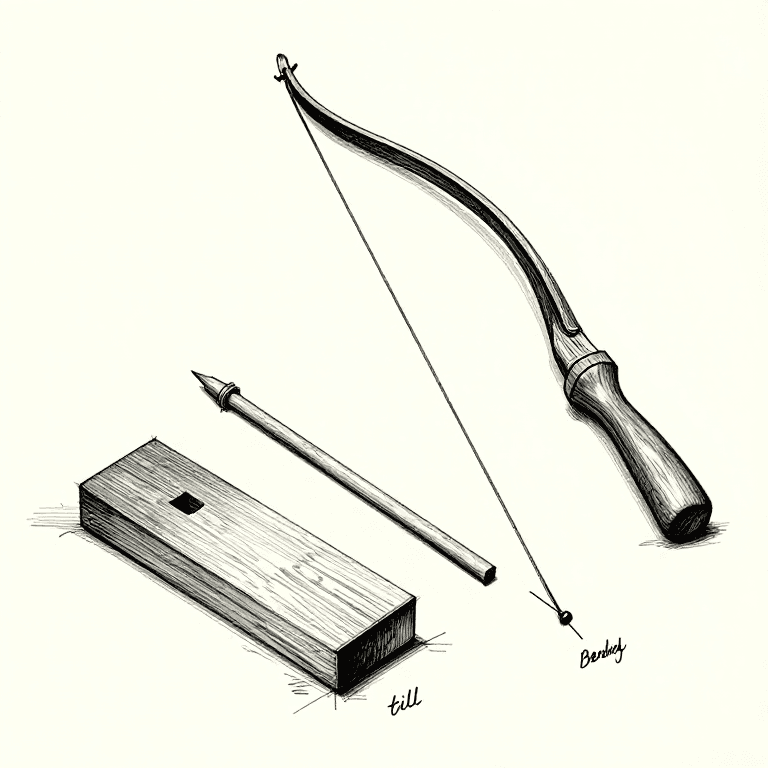
Le blueprint yenza
Ama-blueprint ahlobene
Lama-blueprint abelana ngolwazi — amasu, izinto noma izimiso


CC0 Isizinda Somphakathi
Le blueprint ikhishwe ngaphansi kwe-CC0. Ukhululekile ukukopisha, ukuguqula, ukusabalalisa, nokusebenzisa ngaphandle kwemvume.
Sekela uMenzi ngokuthenga imikhiqizo nge-Blueprint yabo IKhomishane Yomenzi kumiswe ngabathengisi, noma dala inguqulo entsha yale Blueprint bese uyifaka njengoxhumaniso ku-Blueprint yakho ukuze wabelane ngemali engenayo.