UBUCIKO
UBUHLE NEMPILO
UBUCIKO BEZANDLA
AMASIKO NOMLANDO
EZOKUZIJABULISA
IMVELO
UKUDLA NEZIPHUZO
REVERSE ENGINEERING
IZAYENSI
EZEMIDLALO
UBUCHWEPHESHE
IZINTO EZIGQOKWAYO
Reading a Firing: Heatwork Is Not Temperature, and Cones Measure the Difference
A kiln that reaches 1200 degrees and switches off immediately has not done the same thing as one that reaches 1180 and holds for an hour. Clay and glaze respond to the COMBINATION of temperature and time, which potters call heatwork.
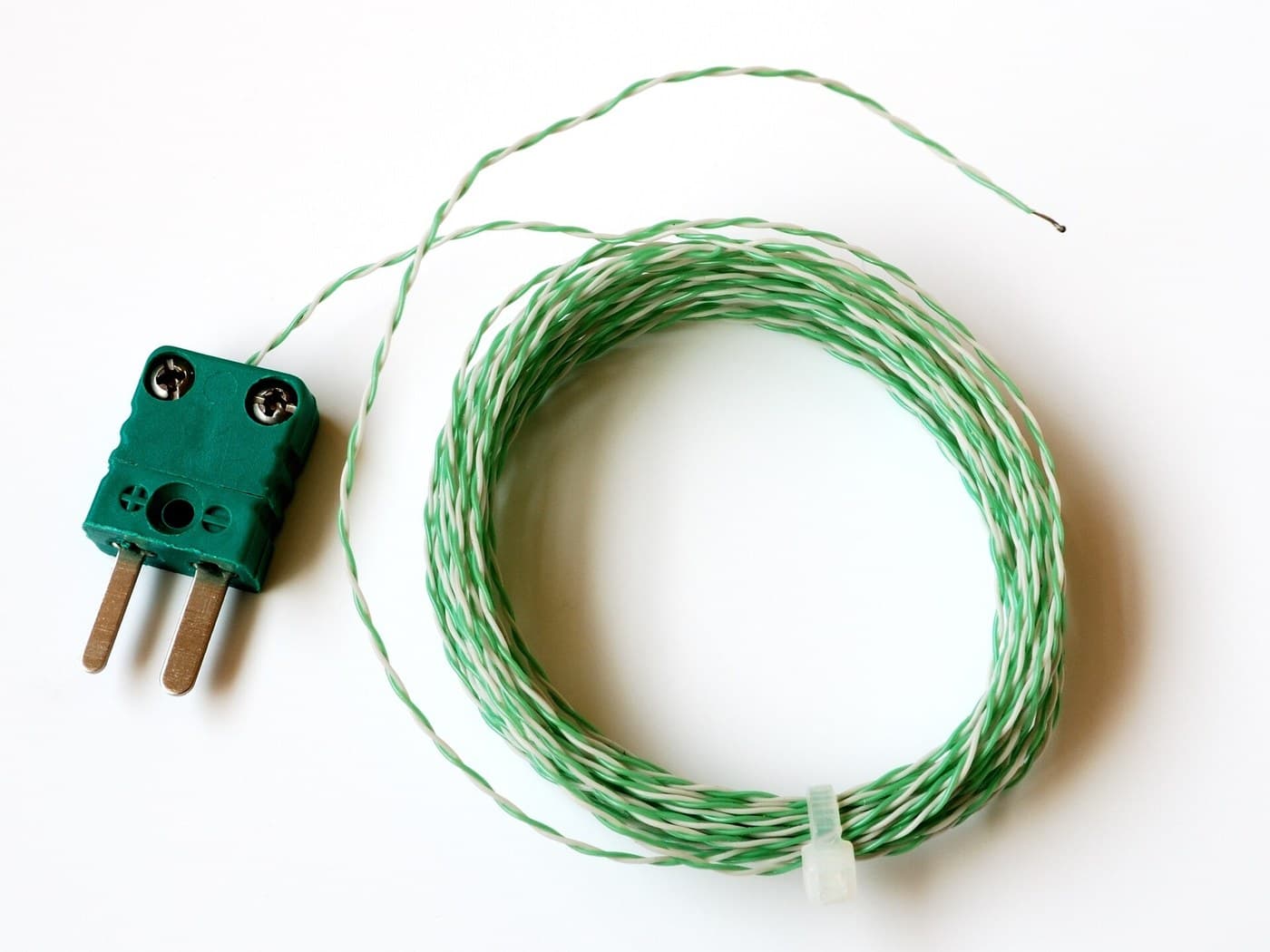
That is why a thermocouple alone is not enough. It reports the temperature of one spot at one instant, and says nothing about how long the work has been near it.
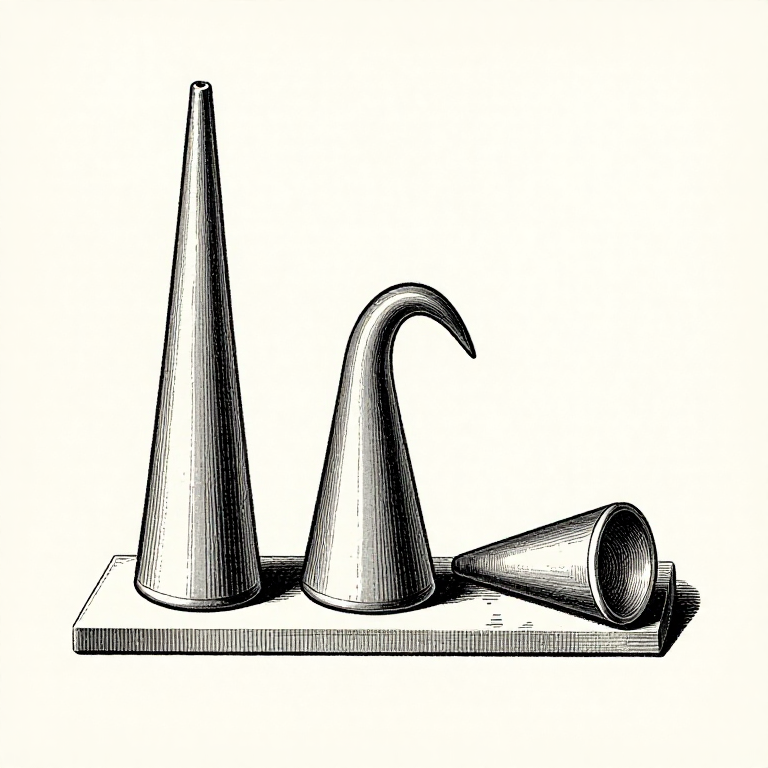
A pyrometric CONE is the instrument that measures heatwork directly. It is a small shaped piece of ceramic formulated to soften and bend at a known combination of heat and time — so it integrates the whole firing rather than sampling it.
Osezingeni eliphezulu
4 hours
Imiyalelo
1
1
Cones measure what the work actually experienced
Cones measure what the work actually experienced
A cone bends when it has had enough heatwork, and it bends whether that came from a high peak briefly or a lower temperature held for longer. That is precisely the quantity that matters to the clay.
Cones are numbered, and each number corresponds to a known bending point at a stated rate of climb — which is why a cone's temperature is always quoted with a rate. The same cone bends a little lower on a slow firing and a little higher on a fast one, and that is the instrument working correctly rather than being imprecise.
Set three: one number below the target, the target, and one above. The first warns you it is coming, the second says stop, and the third tells you afterwards if it went too far.
Izinto zokwakha zalesi sinyathelo:
 Izitsha zebumba ezomile qhwa1 ucezu
Amathuluzi adingekayo:
 Isithando
 I-pyrometer
2
2
A thermocouple tells you the rate, which is the other half
A thermocouple tells you the rate, which is the other half
Cones tell you where you got to; a thermocouple tells you how fast you are getting there, and the rate is what you can actually control during a firing.
Rate matters at specific points. Slow below 200 degrees so the last water leaves. Slow through about 570 degrees, where quartz in the body changes crystal form and changes volume abruptly — going through that fast cracks pots, on the way up and on the way down.
Use both instruments for what each is good at, which is the pyrometer rung's point exactly: every instrument lies about something, and the cure is a second instrument that lies about something else.
Amathuluzi adingekayo:
 I-thermocouple enesibonisiI-pyrometerIsithando
3
3
Cool slowly, because cooling breaks as much as heating
Cool slowly, because cooling breaks as much as heating
Opening a kiln early is the commonest way to lose a whole load. The pots are hot and the room is cold, so the outside contracts against an interior that has not cooled — the same stress that cracks a pot in drying, delivered in seconds.
Below about 200 degrees you can crack pots simply by letting cold air in, and glaze crazing is often a cooling fault rather than a fit fault. A kiln that took eight hours to fire deserves twelve to cool.
The rule of thumb is to open it when you can put a bare hand inside comfortably. Impatience here undoes every careful thing done in the previous fortnight, and it is the hardest discipline in pottery.
Amathuluzi adingekayo:
IsithandoI-thermocouple enesibonisi4
4
Keep a kiln log
Keep a kiln log
Write down for every firing: the date, what was in it, where it was on the shelves, the schedule, which cones bent and which did not, and what came out well or badly.
Kilns are not uniform. One shelf runs hotter, one corner runs cool, and the only way to learn yours is to put cones in several places and record what they did. After a dozen firings the log tells you where to put the piece that matters.
It also makes a good result repeatable, which is the whole argument of the notebook rung. A glaze that came out beautifully and cannot be reproduced is a nice object and nothing more.
Amathuluzi adingekayo:
IsithandoI-pyrometerIzinto
1- 1 ucezuIsibambeli
Ama-blueprint ahlobene
Lama-blueprint abelana ngolwazi — amasu, izinto noma izimiso
Measuring High Temperature: Thermocouples, Pyrometers, and What Each Lies About
ngu-Penny
Umsebenzi Wensimbi
44
0
0
0
0
0
Constructing a Roman Updraft Pottery Kiln — Ceramic Firing Technology
ngu-Clay
Ubumba Nodaka
131
0
0
0
0
0
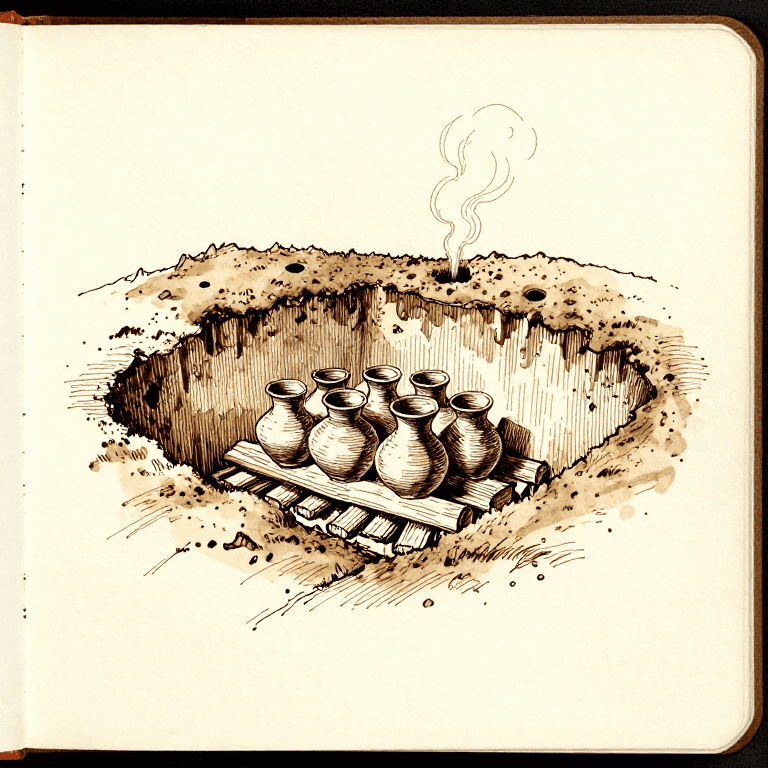
Building a Pit Kiln for Firing Pottery — Earth-Covered Open Firing
ngu-Clay
Ubumba Nodaka
149
0
0
0
3
0
CC0 Isizinda Somphakathi
Le blueprint ikhishwe ngaphansi kwe-CC0. Ukhululekile ukukopisha, ukuguqula, ukusabalalisa, nokusebenzisa ngaphandle kwemvume.
Sekela uMenzi ngokuthenga imikhiqizo nge-Blueprint yabo IKhomishane Yomenzi kumiswe ngabathengisi, noma dala inguqulo entsha yale Blueprint bese uyifaka njengoxhumaniso ku-Blueprint yakho ukuze wabelane ngemali engenayo.