UBUCIKO
UBUHLE NEMPILO
UBUCIKO BEZANDLA
AMASIKO NOMLANDO
EZOKUZIJABULISA
IMVELO
UKUDLA NEZIPHUZO
REVERSE ENGINEERING
IZAYENSI
EZEMIDLALO
UBUCHWEPHESHE
IZINTO EZIGQOKWAYO
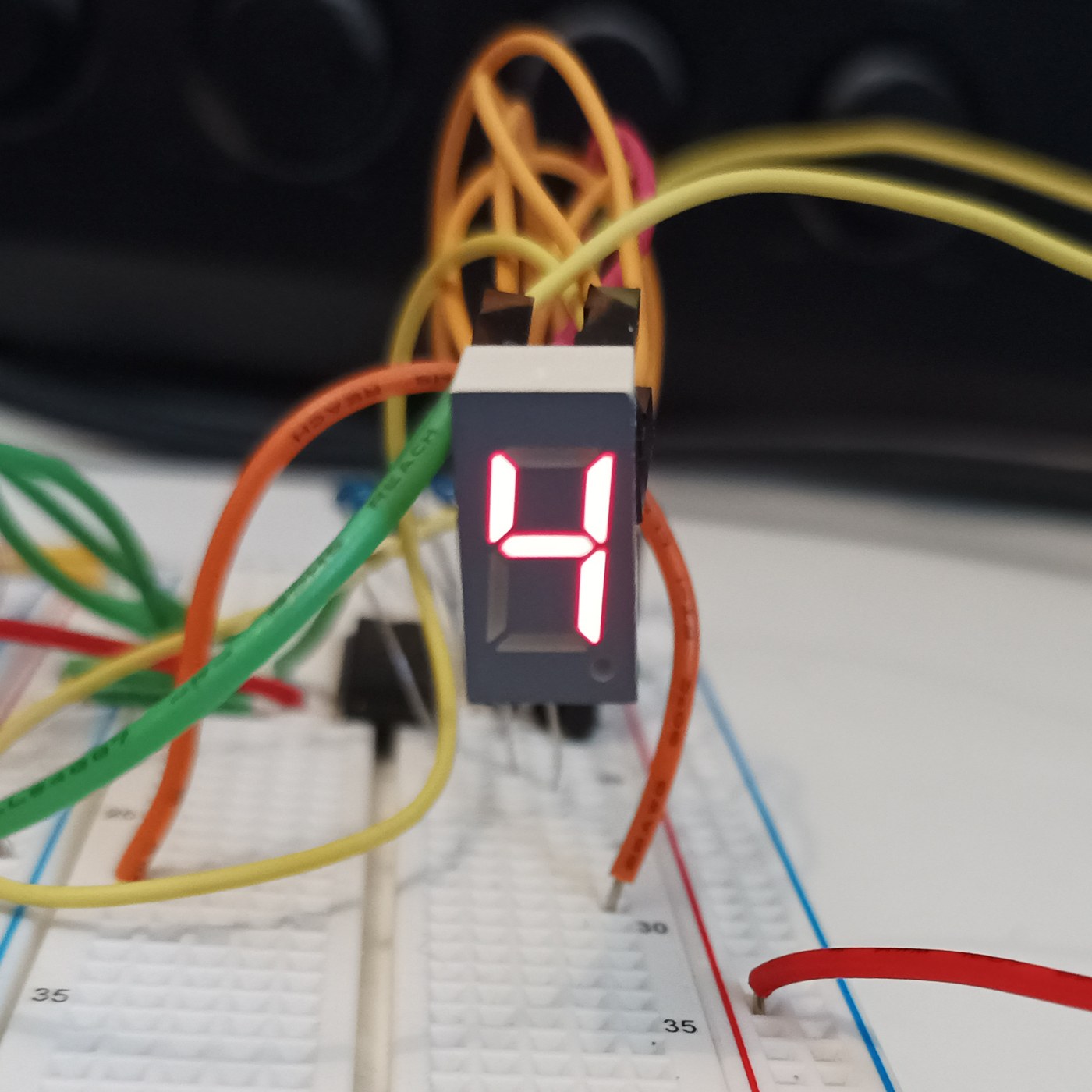

The Seven-Segment LED Display
The opposite of the Nixie: instead of a shaped numeral at 170 V, the fewest straight lines that still make every digit — seven bars in a figure eight, at 2 V and pennies. It looks like sticks and nobody cares, because it is seven LEDs and never wears out. You will build a four-digit display and confront its one clever idea, multiplexing, then measure the refresh rate at which the flicker vanishes for your own eyes.
Oqalayo
4 hours
Imiyalelo
1
1
Seven sticks, ten digits, and the sibling that used 170 volts
Seven sticks, ten digits, and the sibling that used 170 volts
Nixie versus seven-segment: the same job, opposite answers. The Nixie shows the real numeral shape at 170 V and poisons its cathodes; the seven-segment builds each digit from seven bars (a-g) at 2 V and never wears out. Before wiring, draw a figure eight, label the bars a-g, and write which bars light for each digit 0-9. That table is the whole interface and becomes the lookup table in the code step.
Izinto zokwakha zalesi sinyathelo:
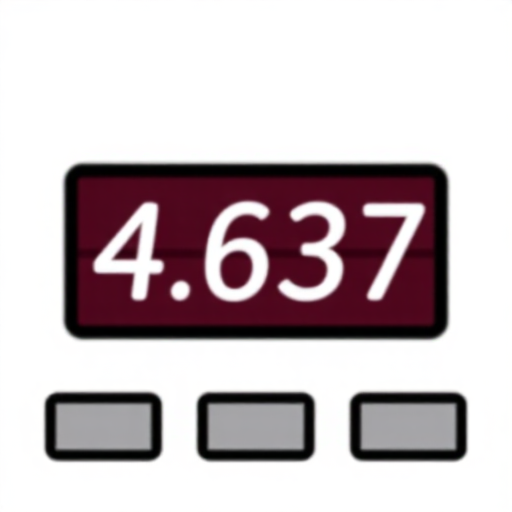 Isibonisi sezinombolo ezine ezinezingxenye eziyisikhombisa (TM1637)1 ucezu
2
2
Wire it: seven segment resistors, one transistor per digit
Wire it: seven segment resistors, one transistor per digit
The multiplex wiring. All four digits' matching segments share one pin through ONE resistor — seven segment lines, seven resistors, whatever the digit count. Each digit's common cathode switches to ground through one NPN. Resistors go on the SEGMENTS, not the digits, or an 8 shares one resistor seven ways and dims. Four digits: eleven pins instead of twenty-eight. That saving is why you multiplex.
Kulayishwa isibukeli se-KiCanvas...
Isibukeli Somklamo We-PCB Sobungcweti
Izinto zokwakha zalesi sinyathelo:
Isibonisi sezinombolo ezine ezinezingxenye eziyisikhombisa (TM1637)1 ucezu Isethi Yamarezista1 ikhithi
 Inhlanganisela yama-transistor1 isethi
Amathuluzi adingekayo:
 Ibhodi Lokuhlola
 Isiteshi Sokushisela
3
3
Drive it, and find the flicker frequency for your own eyes
Drive it, and find the flicker frequency for your own eyes
The sketch multiplexes the four digits, then sweeps the refresh rate down so YOU find the frequency at which the steady number breaks into flicker — your flicker-fusion threshold, higher in peripheral vision. Each digit is lit a quarter of the time, so to stay bright it must be driven harder while on: refresh too slow and it flickers, drive too hard and you exceed the LED peak current. You have measured one wall of that box.
sevenseg_mux.inocpp
Izinto zokwakha zalesi sinyathelo:
Isibonisi sezinombolo ezine ezinezingxenye eziyisikhombisa (TM1637)1 ucezuAmathuluzi adingekayo:
 Ibhodi Lokuthuthukisa le-ESP32
 Izintambo Zokuxhuma
4
4
Multiplex duty cycle versus perceived brightness
Multiplex duty cycle versus perceived brightness
Ilayisha incwadi ye-Jupyter…
Amathuluzi adingekayo:
 Ikhompyutha Yasetafuleni
Izinto
3- Isibambeli
- Isibambeli
- 1 isethiIsibambeli
Amathuluzi Adingekayo
5- 1 vendor sell this, none ship to you yetIsibambeli
- Isibambeli
- Isibambeli
- 3 vendors sell this, none ship to you yetIsibambeli
- Isibambeli
Ama-blueprint ahlobene
Lama-blueprint abelana ngolwazi — amasu, izinto noma izimiso
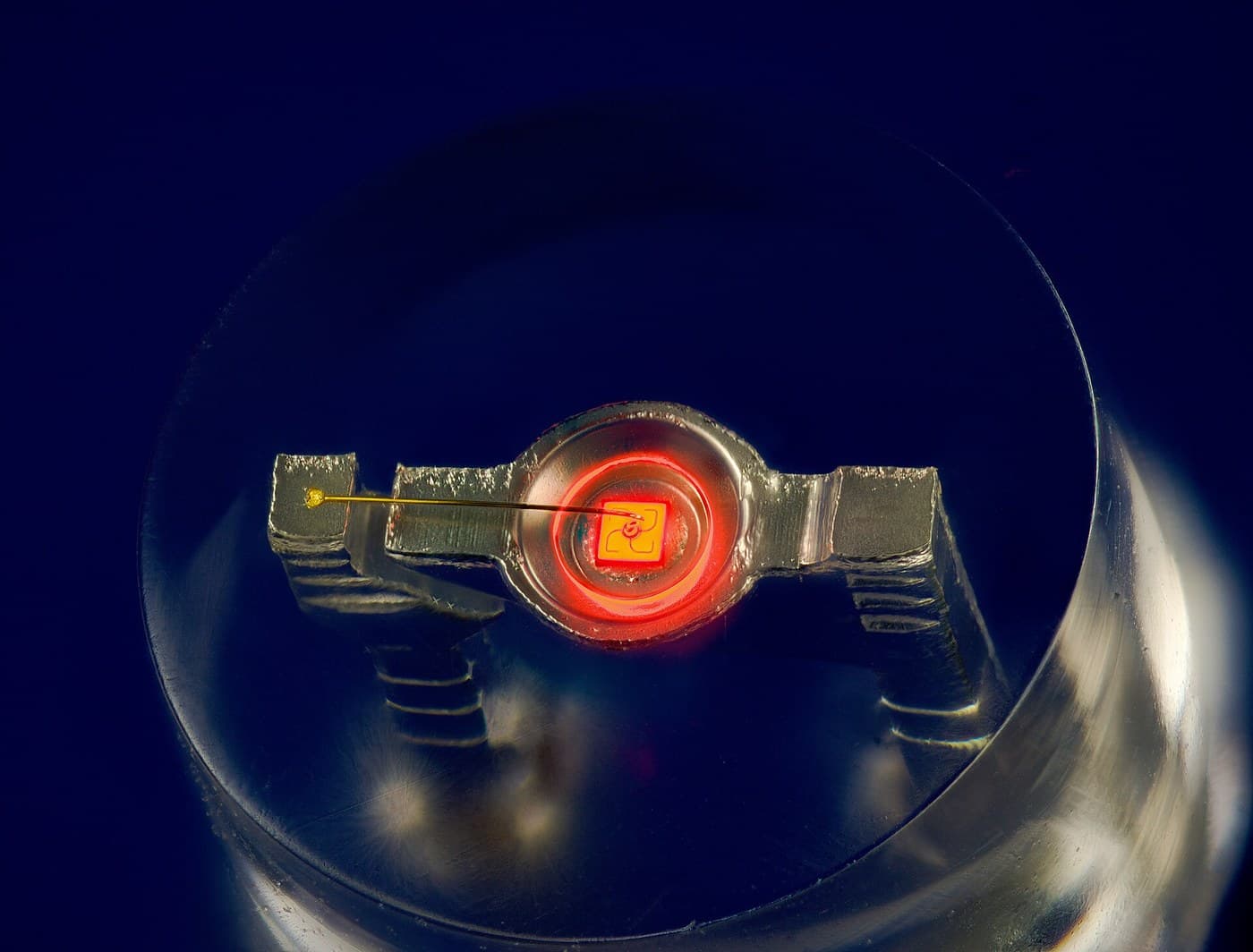

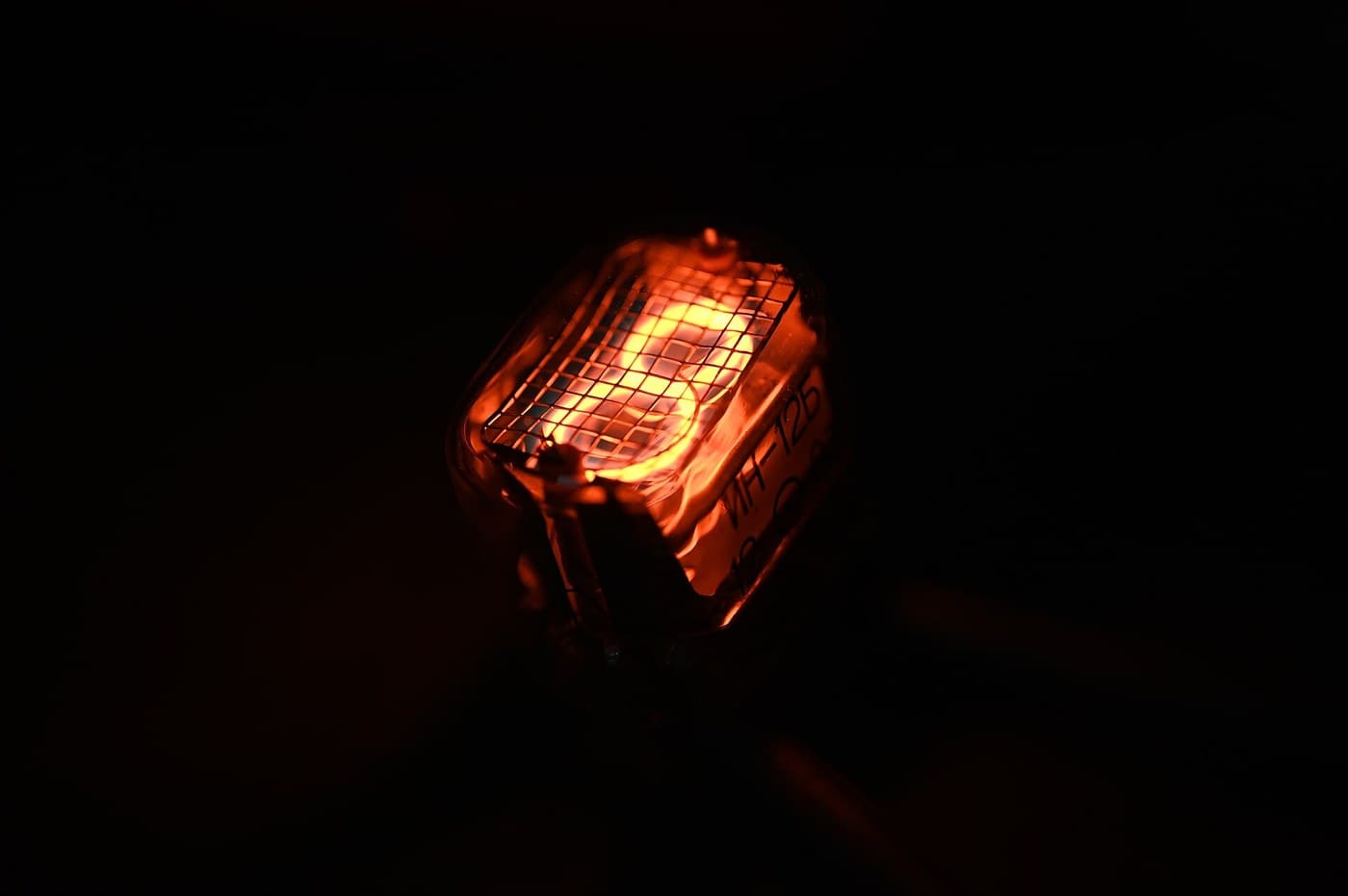
CC0 Isizinda Somphakathi
Le blueprint ikhishwe ngaphansi kwe-CC0. Ukhululekile ukukopisha, ukuguqula, ukusabalalisa, nokusebenzisa ngaphandle kwemvume.
Sekela uMenzi ngokuthenga imikhiqizo nge-Blueprint yabo IKhomishane Yomenzi kumiswe ngabathengisi, noma dala inguqulo entsha yale Blueprint bese uyifaka njengoxhumaniso ku-Blueprint yakho ukuze wabelane ngemali engenayo.