UBUCIKO
UBUHLE NEMPILO
UBUCIKO BEZANDLA
AMASIKO NOMLANDO
EZOKUZIJABULISA
IMVELO
UKUDLA NEZIPHUZO
REVERSE ENGINEERING
IZAYENSI
EZEMIDLALO
UBUCHWEPHESHE
IZINTO EZIGQOKWAYO
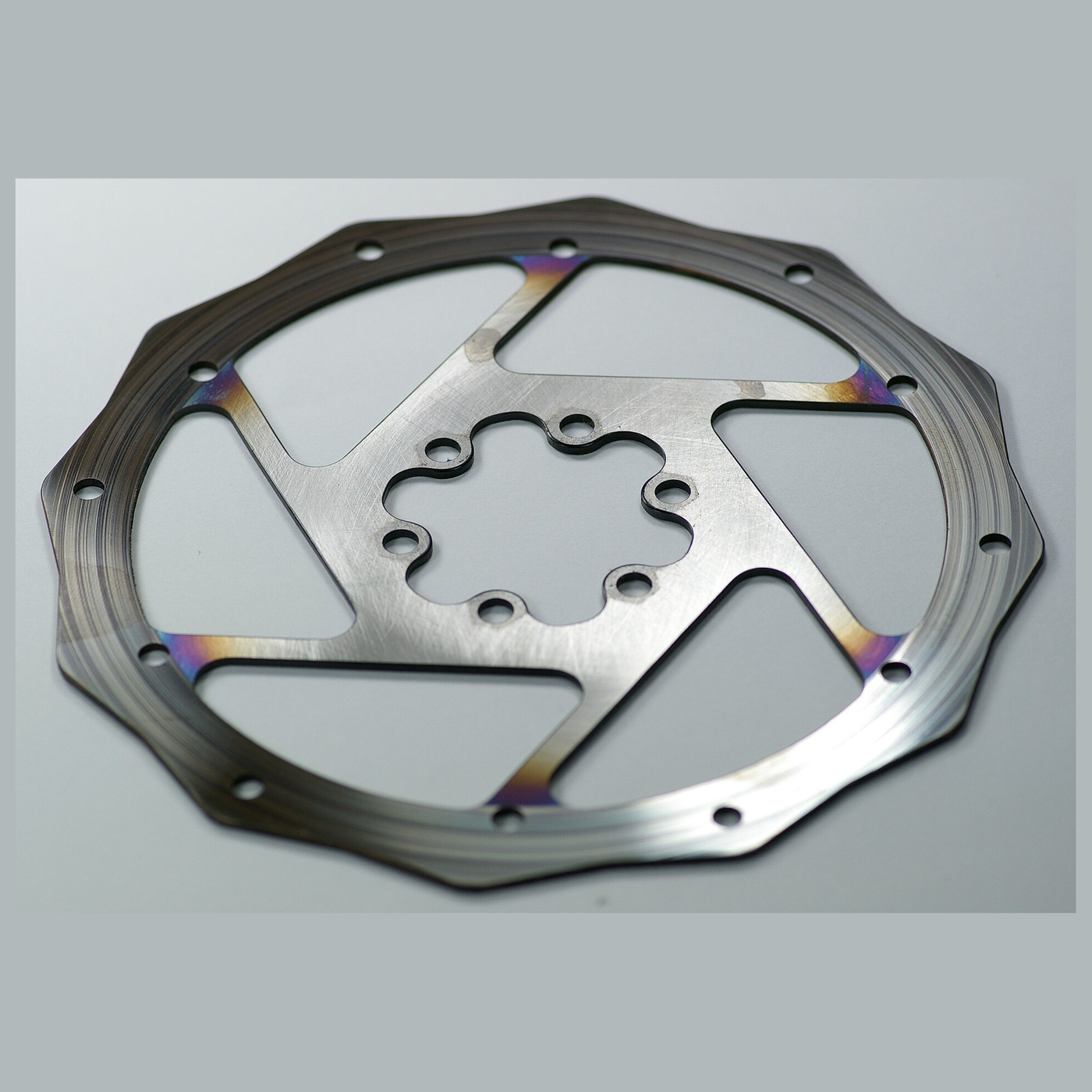

The Disc Brake: A Stop Is Heat, and the Disc Can Get Rid of It
Frederick Lanchester, in Birmingham in 1902, fitted a car with a brake that clamped a disc between two pads, like a bicycle's calliper brake closing on a flat plate instead of a rim. The idea came back strongly in the 1950s, when faster cars were fading their drum brakes on long descents.
A brake turns the car's energy of motion into heat, and in a hard stop that heat has nowhere to go but into the brake itself. A disc's friction faces are open to the air, and a ventilated disc pumps air through its middle as it turns; there is no self-servo, so the braking stays steady as the pads heat.
This rung works out how hot a disc gets per stop and how hard the calliper must clamp, and measures a real disc's temperature after braking.
Ophakathi
About 2 hours
Imiyalelo
1
1
Energy per stop and clamping force
Energy per stop and clamping force
Ilayisha incwadi ye-Jupyter…
2
2
Measure a disc after braking
Measure a disc after braking
On a bicycle with disc brakes (or a car, with its owner's help and on private ground), measure the disc temperature with the infrared thermometer before a stop, then brake firmly from a steady speed to a halt and measure again straight away — on the braking surface, not the shiny spokes. Repeat three stops in quick succession and watch the temperature climb: each stop adds heat faster than the disc can lose it.
Wait five minutes and measure again: most of the heat has gone. That cooling rate is what a ventilated disc improves.
Do not touch a disc after braking; it can be well over 100 °C. Look at the pads through the calliper: glazed, shiny pads have been overheated.
Amathuluzi adingekayo:
 Ithemomitha Ye-Infrared
 Iwashi Lokumisa Isikhathi
 Amagilavu Omsebenzi Esikhumba
3
3
History and context
History and context
**Frederick William Lanchester, Birmingham, 1902** — a calliper disc brake on a motor car. No patent number is asserted here. Disc brakes spread in aircraft in the 1930s and 40s; in cars they came back in the 1950s, when Jaguar raced with them at Le Mans in 1953, and from the 1960s they became standard at the front.
**Honest limits.** No self-servo, so a disc needs more clamping force than a drum — hence the servo assistance on most cars. Exposed discs collect water and dirt. And a disc can only absorb so much before its pads fade too: sustained descents still call for engine braking.
Amathuluzi Adingekayo
3- Isibambeli
- Isibambeli
- Isibambeli
Ama-blueprint ahlobene
Lama-blueprint abelana ngolwazi — amasu, izinto noma izimiso
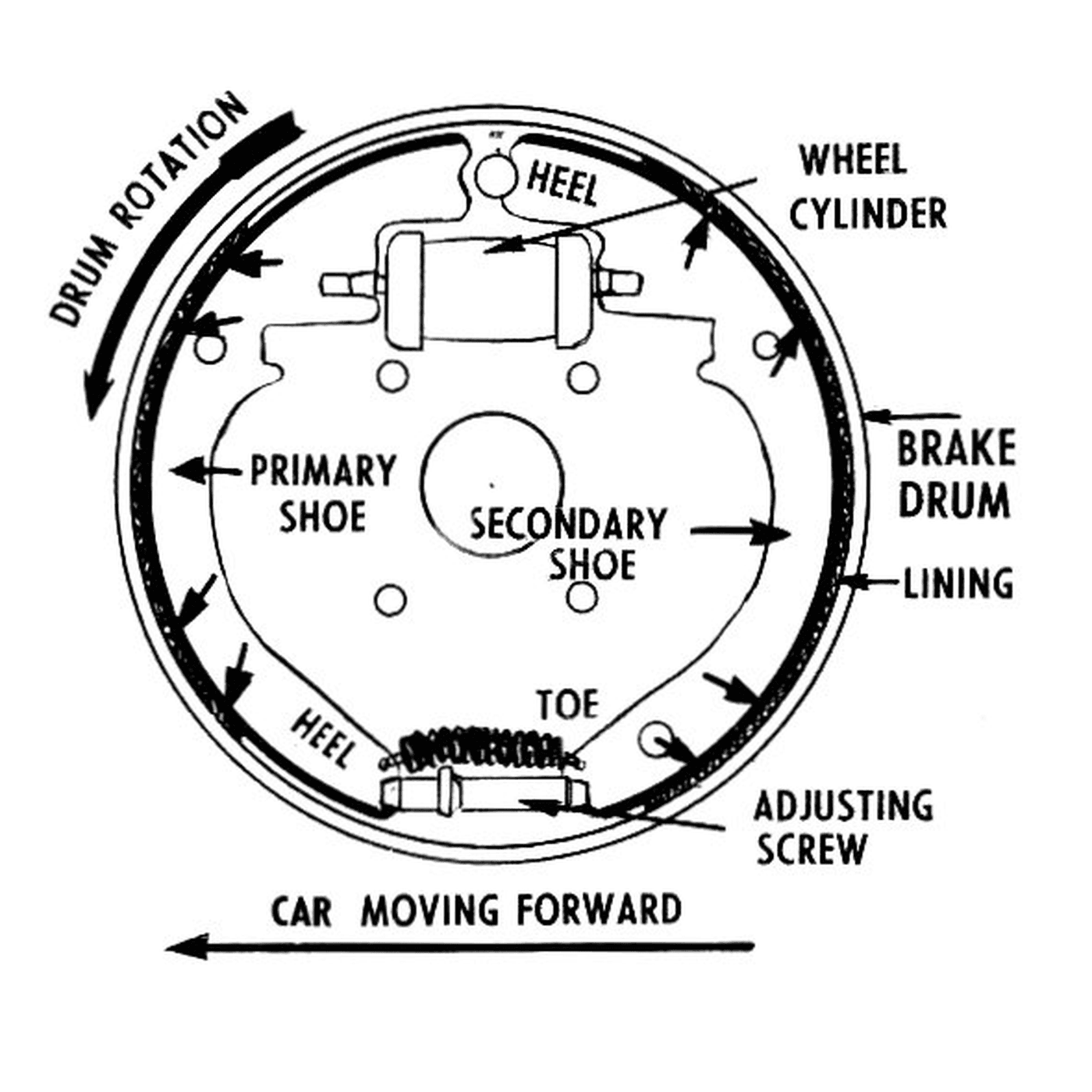
The Drum Brake: Shoes That Push Themselves Harder
ngu-Martin
Ezomshini
39
0
0
0
0
0
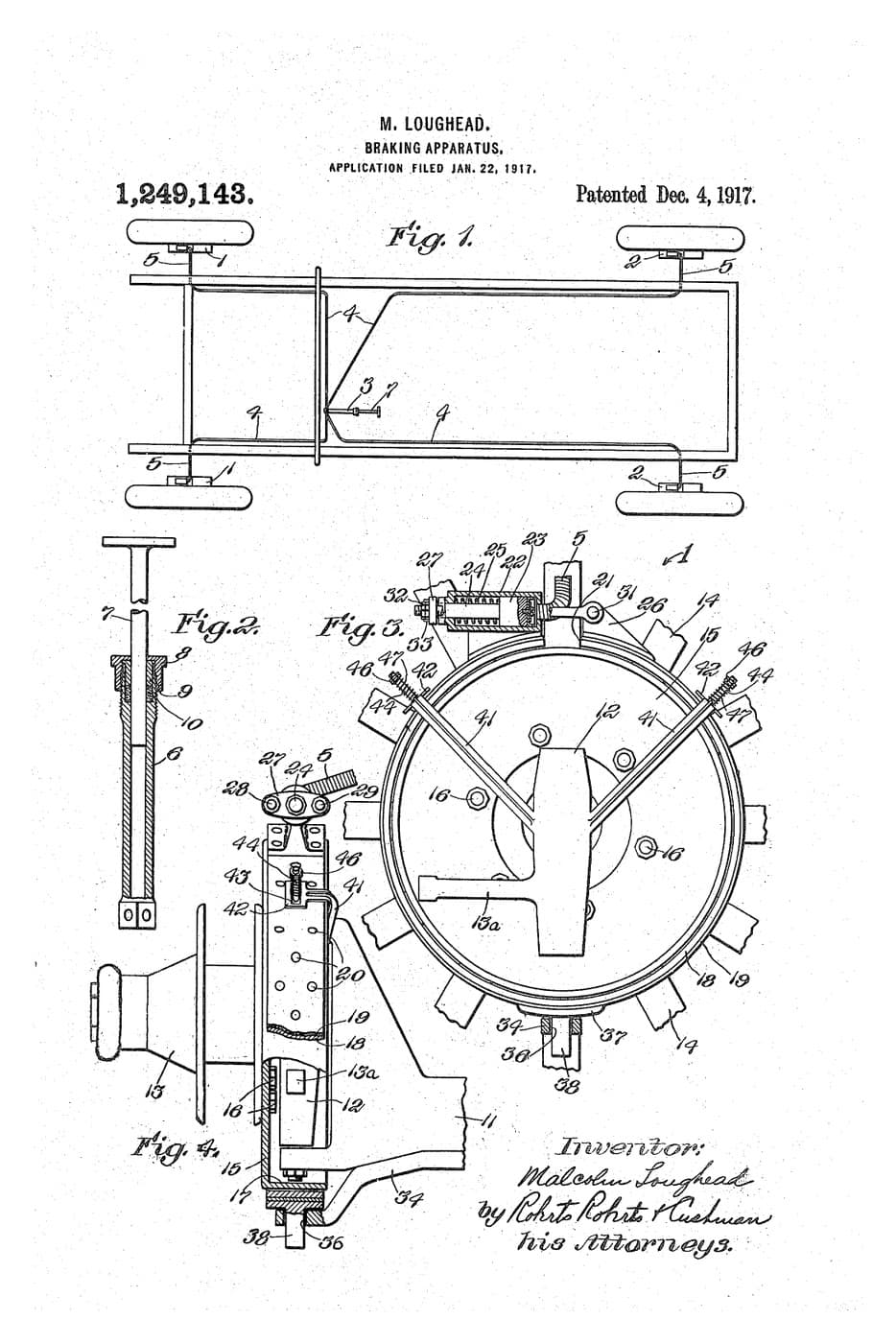
Hydraulic Brake
ngu-Emma
UBUCHWEPHESHE
43
0
0
0
0
0
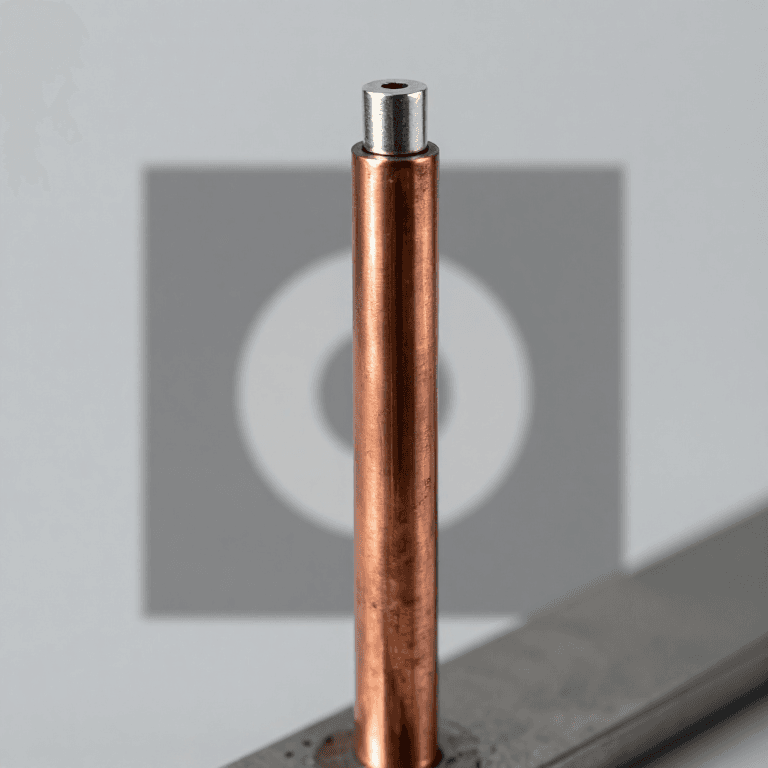
The Eddy Current Brake
ngu-Emma
Amandla Kazibuthe
38
0
0
0
0
0
Fins and the Heat Sink: A Fin That Is Too Long Does Nothing
ngu-Emma
Ezomshini
25
0
0
0
0
0
Freewheel and Coaster Brake
ngu-Spartan
Umsebenzi Wensimbi
47
0
0
0
0
0
CC0 Isizinda Somphakathi
Le blueprint ikhishwe ngaphansi kwe-CC0. Ukhululekile ukukopisha, ukuguqula, ukusabalalisa, nokusebenzisa ngaphandle kwemvume.
Sekela uMenzi ngokuthenga imikhiqizo nge-Blueprint yabo IKhomishane Yomenzi kumiswe ngabathengisi, noma dala inguqulo entsha yale Blueprint bese uyifaka njengoxhumaniso ku-Blueprint yakho ukuze wabelane ngemali engenayo.