UBUCIKO
UBUHLE NEMPILO
UBUCIKO BEZANDLA
AMASIKO NOMLANDO
EZOKUZIJABULISA
IMVELO
UKUDLA NEZIPHUZO
REVERSE ENGINEERING
IZAYENSI
EZEMIDLALO
UBUCHWEPHESHE
IZINTO EZIGQOKWAYO
The Gramme Ring: A Continuous Winding for Steady Current
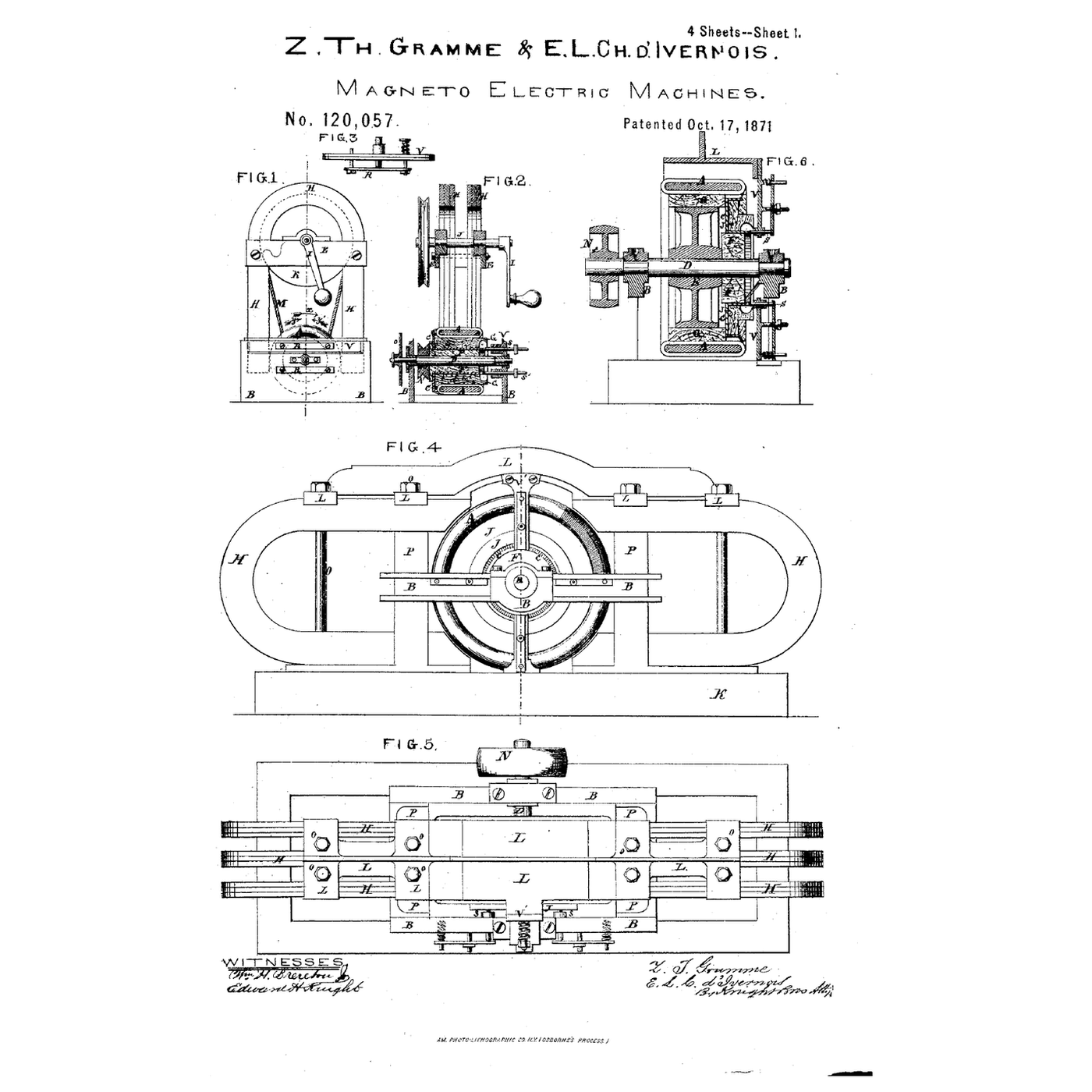
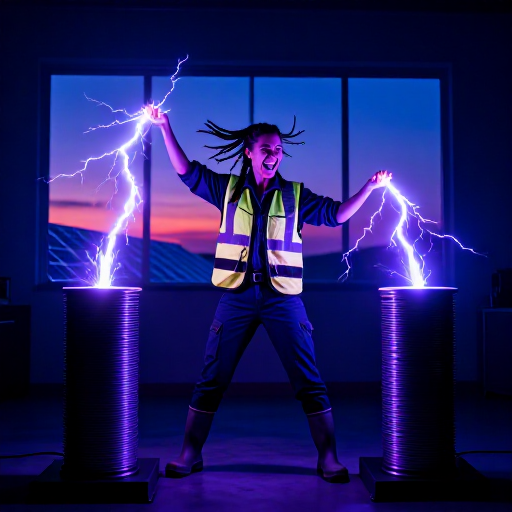
The first generators gave a current that pulsed with every half-turn. Zénobe Gramme, a Belgian working in Paris, wound his armature as a continuous coil round an iron ring, tapped at regular intervals to the segments of a commutator. At any moment many turns of the winding are cutting the field and adding together, so the current comes out nearly steady. His US patent of 1871 describes it as a 'magneto-electric machine'.
It was the first generator steady and strong enough for industry — electroplating, arc lighting — and, run backwards, it was one of the first practical electric motors.
This rung models how the ripple falls as the coils multiply, and winds a small ring armature with an eight-segment commutator.
Ophakathi
About 6 hours
Imiyalelo
1
1
Ripple against the number of coils
Ripple against the number of coils
Ilayisha incwadi ye-Jupyter…
2
2
Wind a ring armature
Wind a ring armature
Print a ring 60 mm across with a 15 mm square section, on a hub that fits a steel shaft. Wind enamelled copper wire round the ring in eight equal coils of 40 turns each, all in the same direction and without cutting the wire between them: one continuous winding. At each junction between coils, pull out a loop and scrape its enamel.
Print a commutator drum on the shaft with eight strips of copper sheet glued round it, insulated from each other, and solder each junction loop to its own segment in order.
Izinto zokwakha zalesi sinyathelo:
 Ifilamenti ye-PETG60 g
 Ucingo Lwethusi Olumbozwe Nge-Enamel1 umqulu
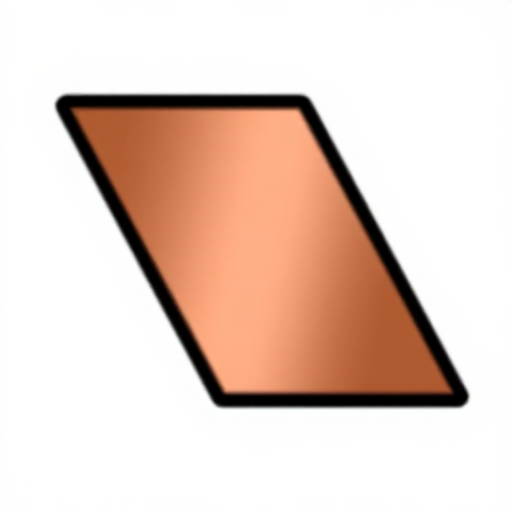 Ishidi Lethusi1 ishidi
 Insimbi eluhlaza eyindukwana1 ucezu
 I-Bearing Yamabhola2 izicucu
Amathuluzi adingekayo:
 Iphrinta ye-3D yentambo (i-FDM)
 Iqoqo lamaphepha okuhlikihla
 I-Caliper Yedijithali Yamayintshi Ayi-6
 Isethi yezikhiye ze-hex
3
3
Spin it between magnets and measure
Spin it between magnets and measure
Mount the shaft in bearings in a plywood frame with neodymium magnets on either side of the ring, one north-facing and one south-facing. Bend two strips of copper as brushes to press on opposite segments, at the positions where the output is greatest (find them by turning the brushes round while measuring).
Spin the shaft with the cordless drill and read DC volts across the brushes. Switch the multimeter to AC volts: the reading is the ripple left on the DC. Now lift four adjacent junction loops off their segments, so the machine behaves as a coarser one, and read the AC ripple again — it rises.
Compare with the two-segment Brush dynamo in this catalogue: same idea, fewer segments, more ripple.
Izinto zokwakha zalesi sinyathelo:
 Isethi yezikhondlakhondla ze-neodymium1 isethi
 Ishidi le-plywood1 ishidiIshidi Lethusi1 ishidi
Amathuluzi adingekayo:
 Ibhola Elingenantambo
 Isilinganisi sikagesi esiyinhlanganisela
 Isilinganiso Sokuzungeza Sedijithali
 Izibuko Zokuphepha Ezicwathile
4
4
History and context
History and context
**US 120,057, 'Magneto-Electric Machines', Zénobe Théophile Gramme and E. d'Ivernois, dated 17 October 1871.** Gramme's machines, built in Paris, supplied electroplating works and arc lighting in the 1870s; at the Vienna Exhibition of 1873 a Gramme machine was shown driving another as a motor.
The ring was later replaced by the drum armature, which puts all its copper in the field (on a ring, the turns inside the ring do no work), but the continuous, many-segment commutated winding is Gramme's.
**Honest limits.** The inner half of every turn on a ring is wasted copper. Commutators and brushes spark and wear. And a DC generator's voltage cannot be stepped up with a transformer, which is why alternating current won long-distance supply.
Izinto
7- Isibambeli
- Isibambeli
- 1 ishidiIsibambeli
- 1 ucezuIsibambeli
- Isibambeli
- Isibambeli
- 1 ishidiIsibambeli
Amathuluzi Adingekayo
8- Isibambeli
- Isibambeli
- Isibambeli
- Isibambeli
- 1 vendor sell this, none ship to you yetIsibambeli
- Isibambeli
- Isibambeli
- Isibambeli
Ama-blueprint ahlobene
Lama-blueprint abelana ngolwazi — amasu, izinto noma izimiso
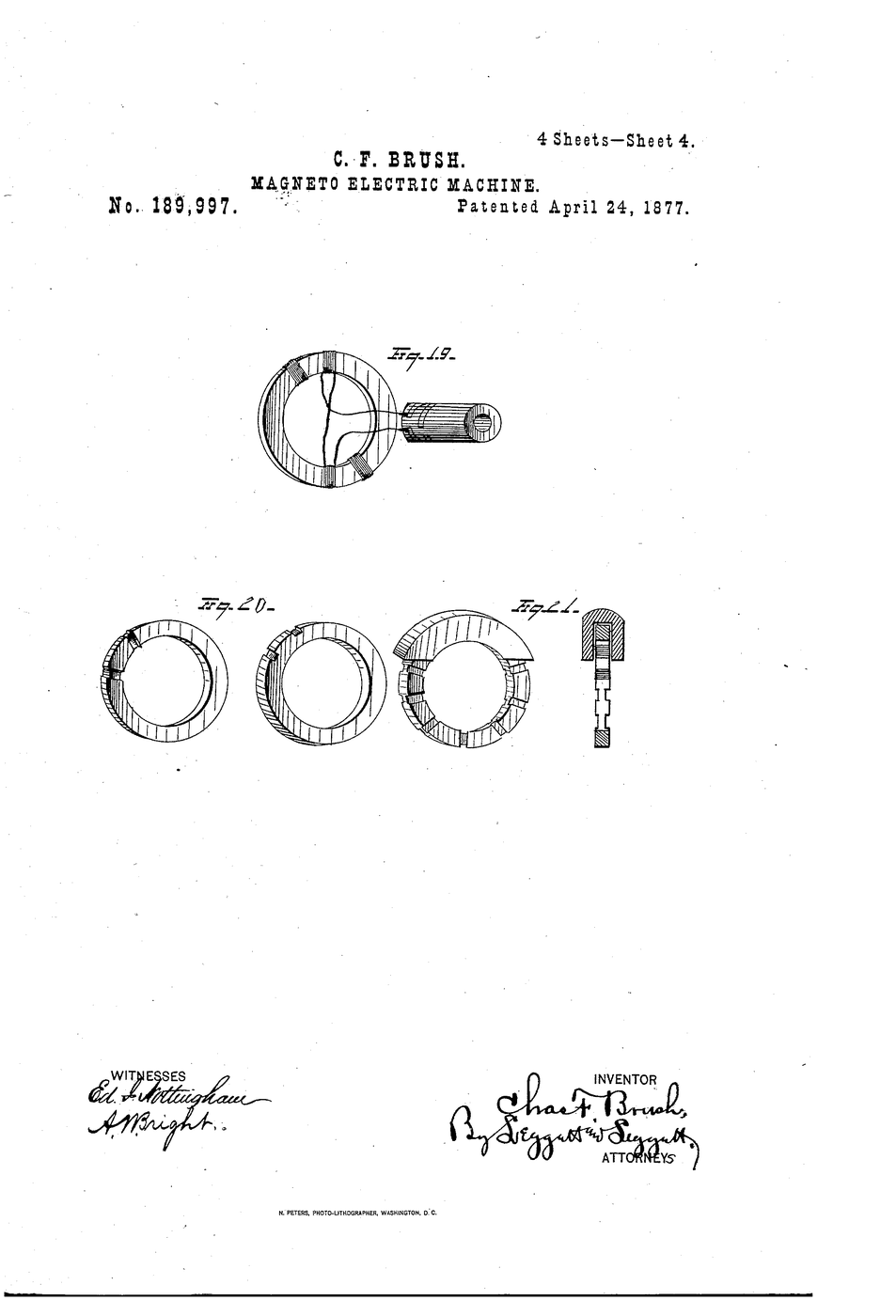
Brush Dynamo
ngu-Emma
Amandla
44
0
0
0
1
0

Building a Voltaic Pile — The First Battery and the Birth of Steady Electricity
ngu-Gloin
I-Elekthronikhi
39
0
0
0
2
0
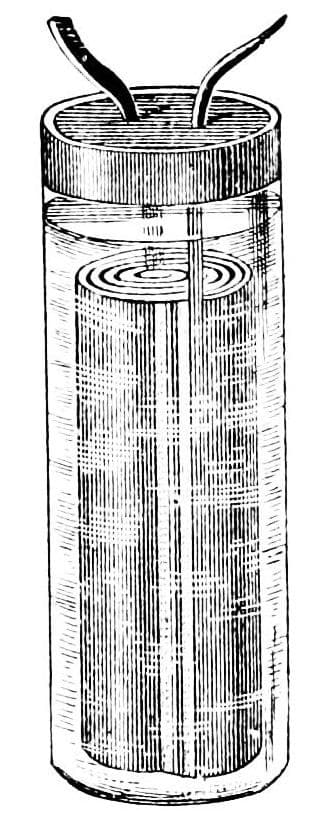
Yingozi
Plante Lead-Acid Cell
ngu-Volt
Amandla
61
0
0
0
0
0
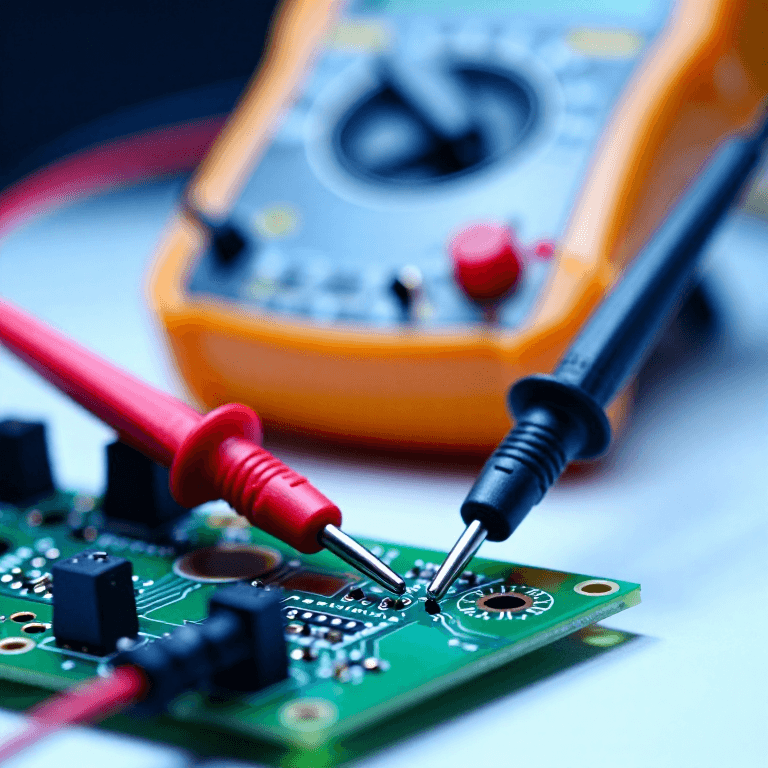
Using a Multimeter: Continuity, Volts, Ohms — and the Setting That Blows the Fuse
ngu-Ed
I-Elekthronikhi
40
0
0
0
0
0
CC0 Isizinda Somphakathi
Le blueprint ikhishwe ngaphansi kwe-CC0. Ukhululekile ukukopisha, ukuguqula, ukusabalalisa, nokusebenzisa ngaphandle kwemvume.
Sekela uMenzi ngokuthenga imikhiqizo nge-Blueprint yabo IKhomishane Yomenzi kumiswe ngabathengisi, noma dala inguqulo entsha yale Blueprint bese uyifaka njengoxhumaniso ku-Blueprint yakho ukuze wabelane ngemali engenayo.