UBUCIKO
UBUHLE NEMPILO
UBUCIKO BEZANDLA
AMASIKO NOMLANDO
EZOKUZIJABULISA
IMVELO
UKUDLA NEZIPHUZO
REVERSE ENGINEERING
IZAYENSI
EZEMIDLALO
UBUCHWEPHESHE
IZINTO EZIGQOKWAYO
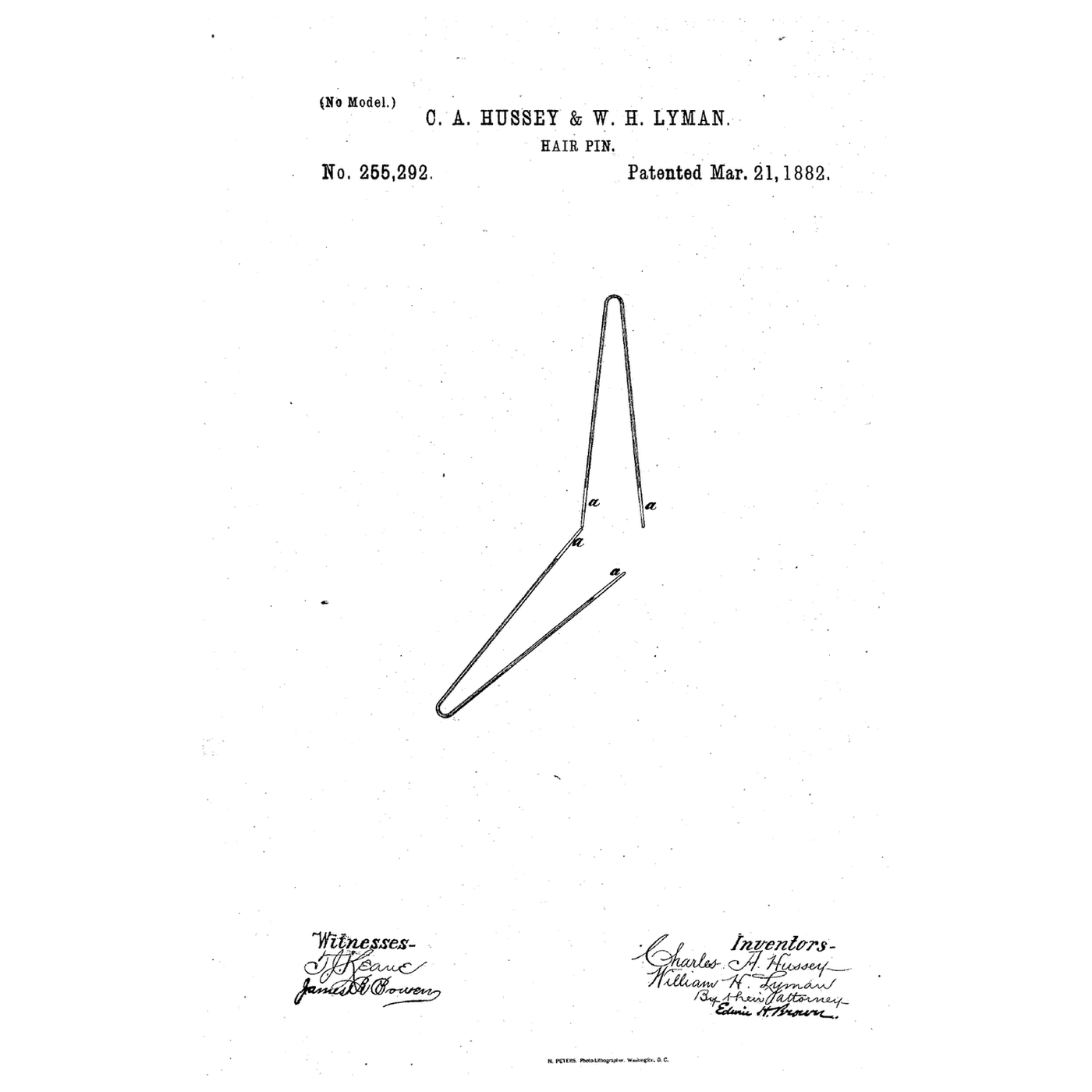


The Magnetised Hairpin: Proving the Steel With a Compass
Steel hairpins hold their spring and last; iron ones bend and rust. The two look the same, so cheap iron could be sold as steel.
Charles A. Hussey and William H. Lyman of New York received US 255,292, dated 21 March 1882 (filed 4 February 1882), for "a new article of manufacture--namely, a magnetized steel hair-pin", so that customers "can demand that hair-pins offered to them as steel shall be tested in their presence by a compass".
This rung computes how a magnetised pin swings a compass with distance, then magnetises a hairpin, a nail and a paper clip and measures what each keeps.
Oqalayo
About 1 hour
Imiyalelo
1
1
How close the compass must be
How close the compass must be
Ilayisha incwadi ye-Jupyter…
2
2
The instrument that does the testing
The instrument that does the testing
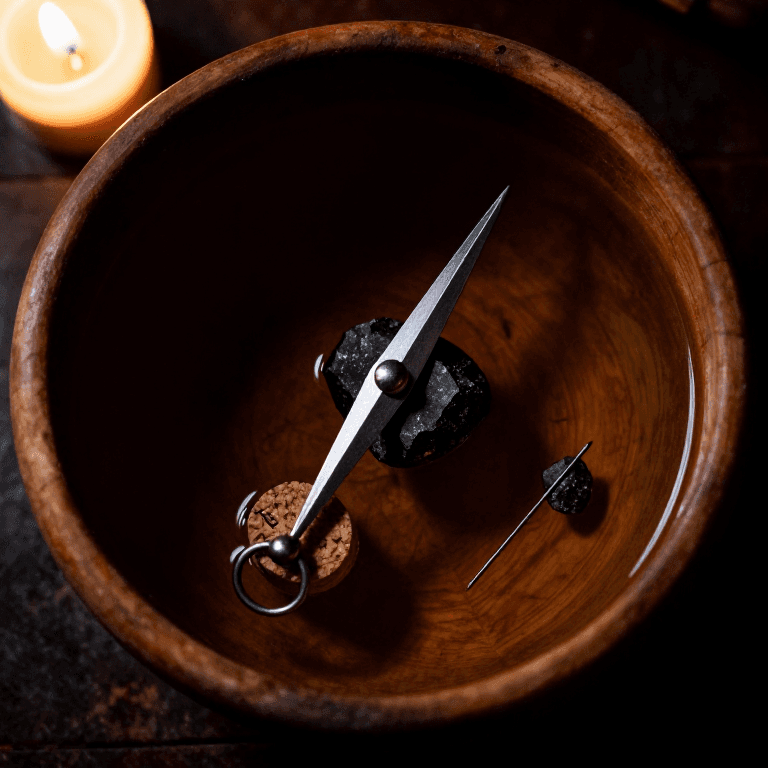
The embedded blueprint magnetises a needle and floats it; the same needle tests the pin.
3
3
Read US 255,292
Read US 255,292
"Hair-pins are commonly made of iron or soft metal; but the better grade of these articles are made of steel. Unscrupulous dealers oftentimes sell the iron and soft-metal hair-pins for those made of steel, thus defrauding their customers".
"The object of our improvement is to produce steel hair-pins which may be easily distinguished from those of inferior quality. To this end our improvement consists in a new article of manufacture--namely, a magnetized steel hair-pin."
The ends are left bare as magnetic poles, and "A hair-pin embodying our improvement can be tested as to being magnetic by its ability to attract another".
4
4
The test, as a program
The test, as a program
Indawo Yokusebenza Ye-Blockly
Loading Blockly workspace...
5
5
Steel pin, iron nail, paper clip
Steel pin, iron nail, paper clip
Magnetise a hairpin, an iron nail and a straightened paper clip as in the program, the same number of strokes each. Test each one with the compass at 2, 4 and 8 cm, and count how many paper clips each will lift.
Tap each ten times on the table and test again, then leave them a day and test again. Write down which kept its magnetism. Compare the fall-off with distance against the notebook.
Izinto zokwakha zalesi sinyathelo:
 Izipikili Zensimbi1 ucezu
 Amaklipsi ephepha1 ucezu
Amathuluzi adingekayo:
 Ikhampasi yokudonsa
 Isethi yezikhondlakhondla zebha
 Irula
Irula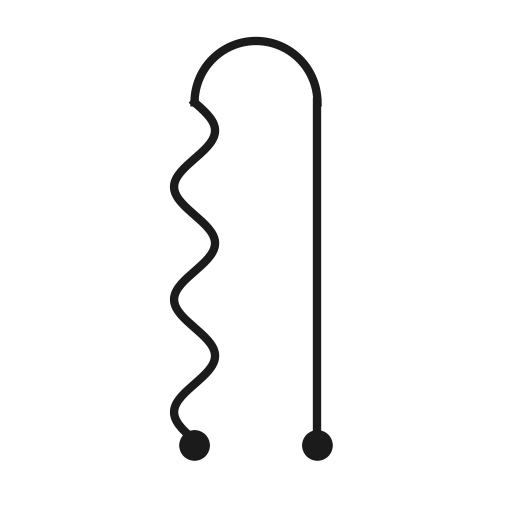 Iphini lezinwele
6
6
A magnet test that gives the wrong answer
A magnet test that gives the wrong answer
Magnetised-pin test troubleshooting.
Flow
Loading...
7
7
History and honest limits
History and honest limits
**Charles A. Hussey** and **William H. Lyman** of New York filed US 255,292 on 4 February 1882; it is dated 21 March 1882.
**Honest limits.** The patent says "steel is the only metal which will retain magnetism". That is not so: cobalt, nickel and some of their alloys also do, and soft iron keeps a little. The test shows a pin is not soft iron, not that it is good steel. The dipole formula is only a rough guide closer than the pin's own length, which is where the 1 and 2 cm rows sit. The earth's field and the magnetisations in the notebook are examples.
Izinto
2- 1 ucezuIsibambeli
- 1 ucezuIsibambeli
Amathuluzi Adingekayo
4- Isibambeli
- Isibambeli
- Isibambeli
- Isibambeli
Ama-blueprint ahlobene
Lama-blueprint abelana ngolwazi — amasu, izinto noma izimiso



CC0 Isizinda Somphakathi
Le blueprint ikhishwe ngaphansi kwe-CC0. Ukhululekile ukukopisha, ukuguqula, ukusabalalisa, nokusebenzisa ngaphandle kwemvume.
Sekela uMenzi ngokuthenga imikhiqizo nge-Blueprint yabo IKhomishane Yomenzi kumiswe ngabathengisi, noma dala inguqulo entsha yale Blueprint bese uyifaka njengoxhumaniso ku-Blueprint yakho ukuze wabelane ngemali engenayo.