UBUCIKO
UBUHLE NEMPILO
UBUCIKO BEZANDLA
AMASIKO NOMLANDO
EZOKUZIJABULISA
IMVELO
UKUDLA NEZIPHUZO
REVERSE ENGINEERING
IZAYENSI
EZEMIDLALO
UBUCHWEPHESHE
IZINTO EZIGQOKWAYO


The Travelling Pin Cushion: Felt Between Veneers, Wax in the Lid
A pin cushion keeps pins and needles where they can be found and taken one at a time. For travelling, it has to be flat and hold everything else too.
Scotto C. Nash of Harrisburg, Pennsylvania, received US 234,922, dated 30 November 1880 (filed 19 August 1880), for a thread and pin holder he called a "traveler's vade mecum": a box for buttons and a thimble, flat wings that hold thread and are pin-cushions, "a layer of felt" between two pieces of veneer, a double-ended cushion in one cover and a cup of beeswax in the other.
This rung estimates how felt holds a pin, then makes a flat felt cushion and measures the pull to draw a pin out.
Oqalayo
About 2 hours
Imiyalelo
1
1
How felt holds a pin
How felt holds a pin
Ilayisha incwadi ye-Jupyter…
2
2
The wax in the lid
The wax in the lid
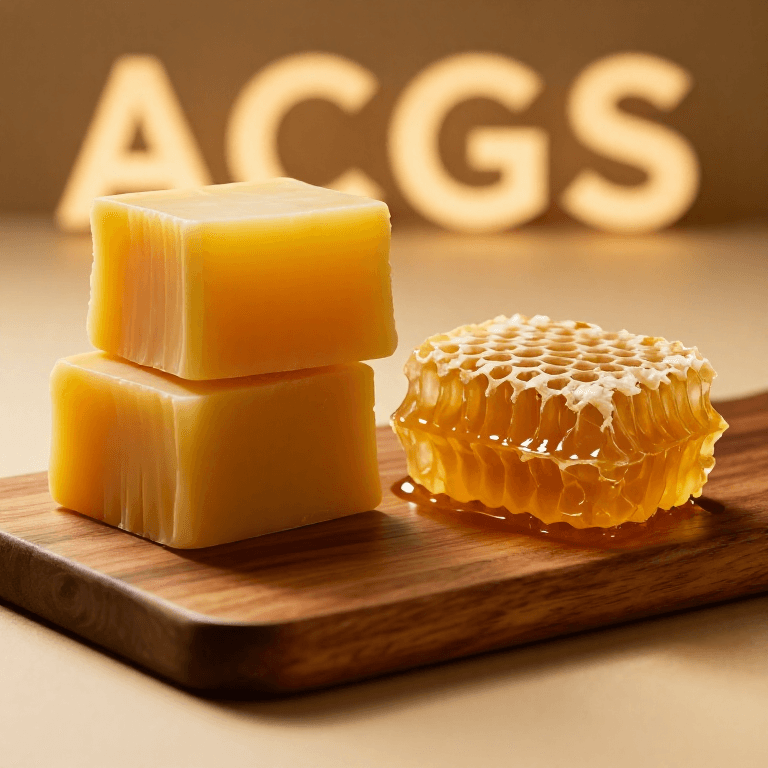
The embedded blueprint renders beeswax from comb; drawn over sewing thread it smooths and strengthens it, which is why Nash's case carries a cup of it.
3
3
Read US 234,922
Read US 234,922
"This device, which I term a 'traveler's vade mecum,' is made with a box for receiving buttons and similar articles, and with wings of peculiar construction at each side of the box for holding thread and forming pin-cushions, and the removable cover at one end has a receptacle for beeswax on the inside, so as to keep the wax from becoming soiled, or from soiling the fingers".
In the other cover is "a double-ended pincushion", "adapted to receive long pins or needles at the inner end, that are left projecting and pass into the thimble", and "ordinary pins can be inserted into the outer end of the cushion."
"There is a layer of felt" between "two pieces of veneer", "the parts being glued together". "The pins are easily stuck into this felt."
4
4
Make a flat cushion and test it
Make a flat cushion and test it
Cut two pieces of thin card or veneer and a piece of wool felt the same size, and glue the felt between them, leaving the felt edge exposed all round. Wind thread round it; the pins go into the felt edge.
Push a pin into the felt edge to 5, 10 and 20 mm. Tie thread to its head and pull it straight out with the force meter, reading the peak. Repeat each depth three times, and compare the trend with the notebook. Draw a length of thread through the beeswax and feel the difference when sewing.
Izinto zokwakha zalesi sinyathelo:
 Ishidi lofelefele woboya1 ucezu
 Isibabule Sezinyosi1 ucezu
 Intambo yokuthunga1 ucezu
 Amashidi ephethini ekhadibhodi1 ucezu
Amathuluzi adingekayo:
 Umcamelo wezikhonkwane
 Isilinganiso Samandla (Isikali Sensimbi Esontekile)
 Irula
Irula Isikelo sendwangu
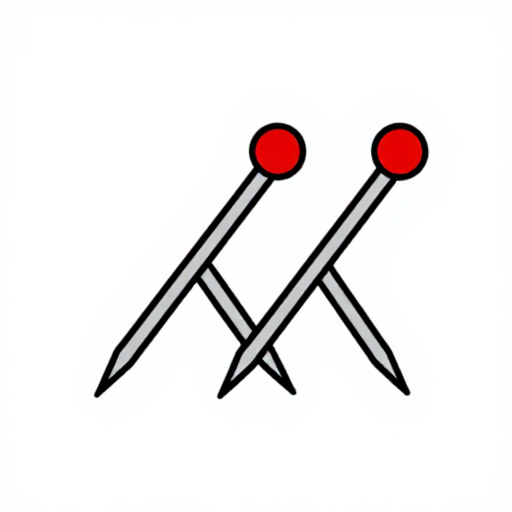 Izikhonkwane zokuthunga
5
5
A cushion that drops pins or blunts them
A cushion that drops pins or blunts them
Pin cushion troubleshooting.
Flow
Loading...
6
6
History and honest limits
History and honest limits
**Scotto C. Nash** of Harrisburg, Pennsylvania, filed US 234,922 on 19 August 1880; it is dated 30 November 1880. His claims include the flat cushion of two veneers with felt between them and wood strips at the edges.
**Honest limits.** The notebook treats the felt's squeeze as an even pressure; real felt varies with density and wear. Pressure, friction and sizes are examples. Your force-meter readings are the measurement.
Izinto
4- 1 ucezuIsibambeli
- 1 ucezuIsibambeli
- 1 ucezuIsibambeli
- Isibambeli
Amathuluzi Adingekayo
5- Isibambeli
- Isibambeli
- Isibambeli
- Isibambeli
Le blueprint yenza
Ama-blueprint ahlobene
Lama-blueprint abelana ngolwazi — amasu, izinto noma izimiso


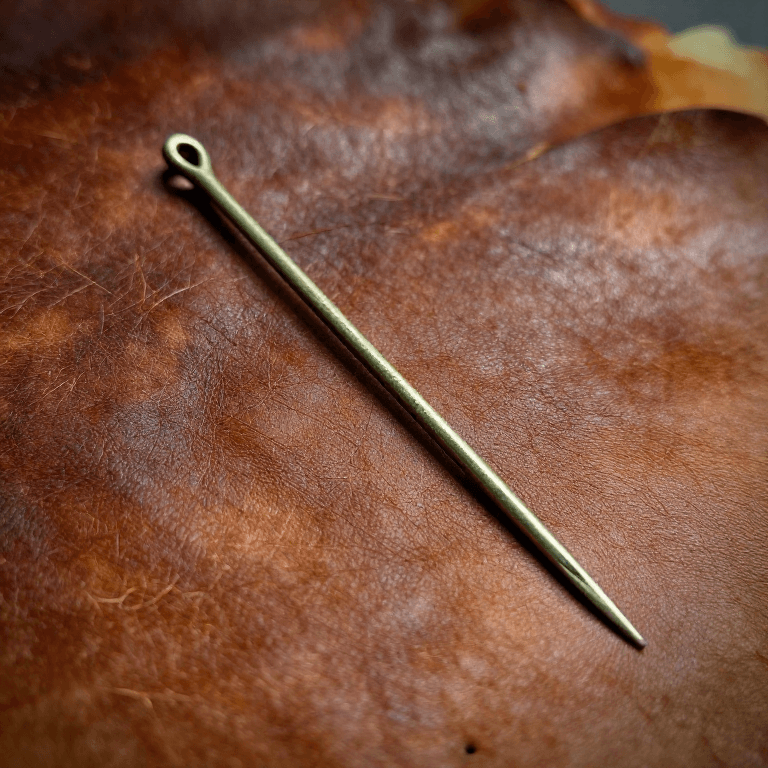

CC0 Isizinda Somphakathi
Le blueprint ikhishwe ngaphansi kwe-CC0. Ukhululekile ukukopisha, ukuguqula, ukusabalalisa, nokusebenzisa ngaphandle kwemvume.
Sekela uMenzi ngokuthenga imikhiqizo nge-Blueprint yabo IKhomishane Yomenzi kumiswe ngabathengisi, noma dala inguqulo entsha yale Blueprint bese uyifaka njengoxhumaniso ku-Blueprint yakho ukuze wabelane ngemali engenayo.