
Colored Cotton from Paraíba — Color Without Dyeing
Instruções
Choose the EMBRAPA cultivar
Choose the EMBRAPA cultivar
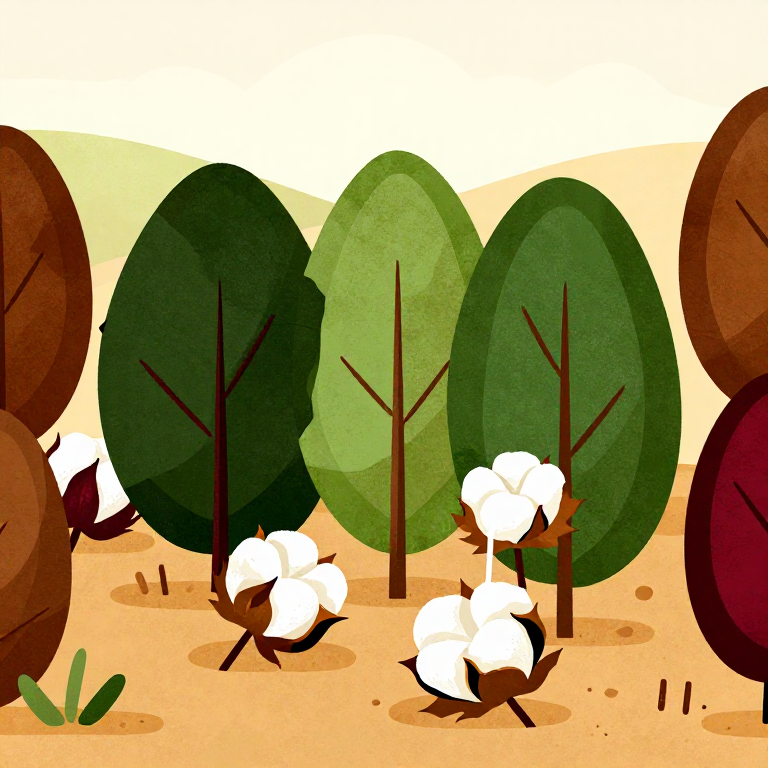
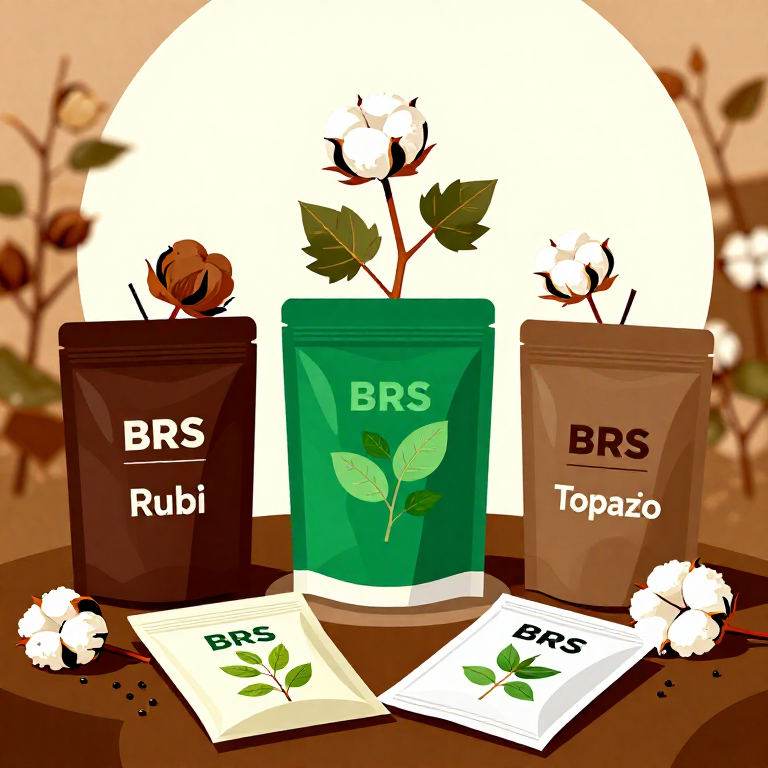
Select the colored cotton cultivar according to the desired color: BRS Rubi (dark reddish-brown, the most cultivated), BRS Topázio (light brown), BRS Safira (reddish-brown), BRS Verde (green — caffeic acid color) or BRS Jade (light brown, high productivity). All are NON-GMO, developed through conventional breeding.
Materiais para este passo:
 Algodão naturalmente colorido1 kg
Prepare the soil
Prepare the soil
EMBRAPA colored cotton was developed for the northeastern semi-arid region. Sandy to clay soil, well-drained, pH 6.0-7.0. Hot climate with defined dry season. Organic cultivation — without pesticides or herbicides.
Plant
Plant
Sow at the beginning of the rainy season. Spacing: 0.80-1.0m between rows, 0.20-0.25m between plants. Depth: 3-5cm. Annual varieties (except BRS 200 Marrom, which is semi-perennial with a 3-year cycle).
Isolate from white cotton
Isolate from white cotton
CRUCIAL: maintain a minimum distance of 250m from any conventional white cotton cultivation. Cross-pollination destroys the genetic purity of the colors. Each colored cultivar must also be isolated from the others.
Cultivate organically
Cultivate organically
Organic management without agrotoxics. Paraíba colored cotton has organic certification. Biological pest control. Supplementary irrigation if necessary in the semi-arid region.
Harvest manually
Harvest manually
Harvest the cotton bolls when they open completely, revealing the lint. The fiber initially comes out white — the genetic color manifests within approximately 1 week after harvest.
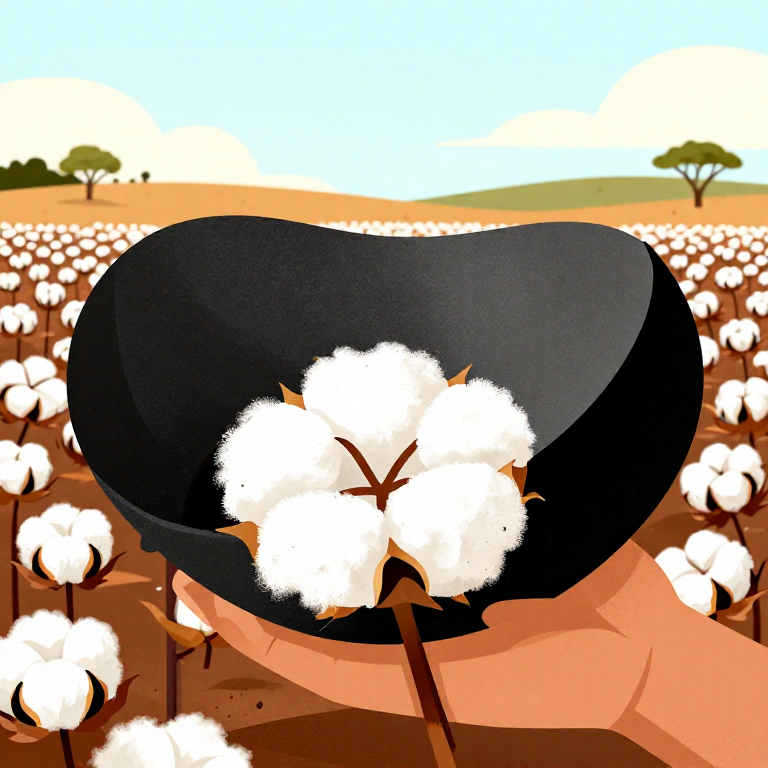
Observe color development
Observe color development
Brown and ruby colors: from tannin vacuoles within the fiber lumen. Green color: from caffeic acid in the suberin layers (wax). Green color is less stable to sunlight than brown colors.
Gin
Gin
Separate the fiber from the seeds with a manual or mechanical gin. The seeds can be saved for the next planting (they are not hybrids — seeds reproduce true to color).
Card the fiber
Card the fiber
Card the fiber with hand cards to align the fibers and remove impurities. Colored cotton has shorter fiber than commercial white cotton — careful carding improves reliability.
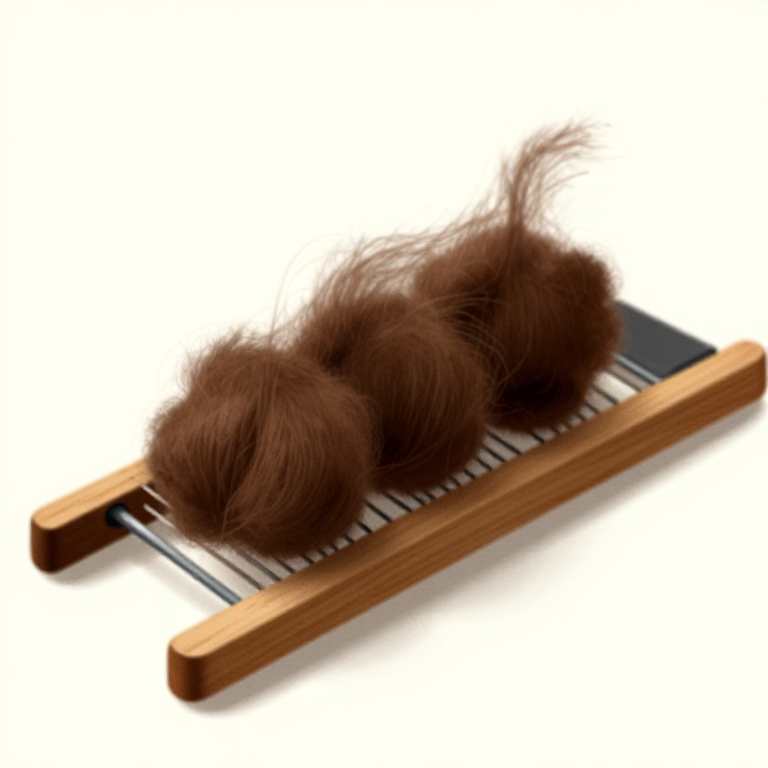
Ferramentas necessárias:
 Cardas de mão
Spin manually
Spin manually
Spin the carded fiber on a hand spindle or spinning wheel. The shorter fiber requires more careful drafting and more twist. It can be mixed with white cotton to increase length and strength.
Ferramentas necessárias:
 Fuso de mão
Test washing
Test washing
Unlike chemically dyed fabrics, naturally colored EMBRAPA cotton INTENSIFIES its color with each washing. Wash a sample to see the effect — researchers at Texas Tech University confirmed this phenomenon.
Weave or knit
Weave or knit
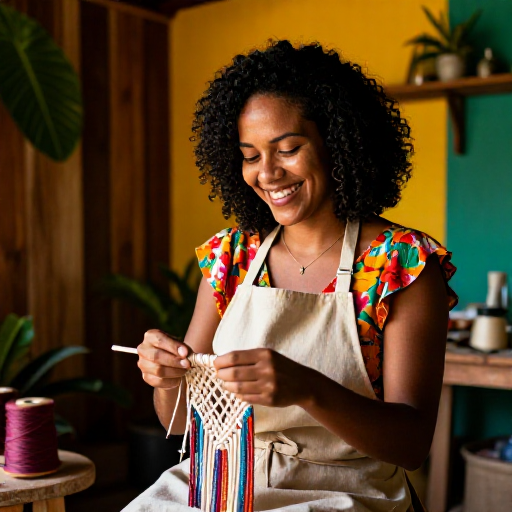
Use the yarn in hand looms or knitting work. Paraíba colored cotton has been used in jeans, clothing, accessories and has already been presented at fashion events in Milan.
Environmental impact
Environmental impact
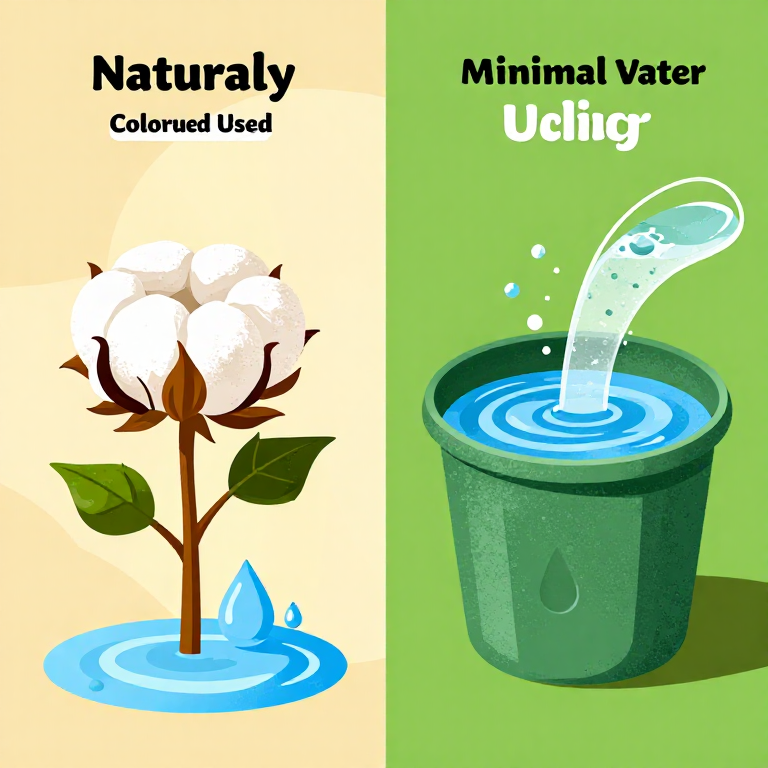
This production saves 87.5% of the water consumed in conventional textile processing — without bleaching, without dyeing, without chemical treatment. Quilombola communities and rural settlements in Paraíba produce the cotton with organic certification.
Natural UV protection
Natural UV protection
Research demonstrates that colored cotton, especially green, offers UV protection rated as 'good' to 'very good' (ASTM 6603), maintained even after 80 cycles of light exposure and multiple washings.
Materiais
1- Referência
Ferramentas necessárias
2- Referência
- Referência
Este projeto faz
CC0 Domínio Público
Este blueprint é liberado sob CC0. Você é livre para copiar, modificar, distribuir e usar este trabalho para qualquer finalidade, sem pedir permissão.
Apoie o Maker comprando produtos através do Blueprint, onde ele ganha uma Comissão Maker definida pelos vendedores, ou crie uma nova versão deste Blueprint e inclua-o como conexão no seu próprio Blueprint para compartilhar receita.