ARTE
BELEZA E BEM-ESTAR
ARTESANATO
CULTURA E HISTÓRIA
ENTRETENIMENTO
MEIO AMBIENTE
COMIDA E BEBIDAS
ENGENHARIA REVERSA
CIÊNCIAS
ESPORTES
TECNOLOGIA
TECNOLOGIA VESTÍVEL
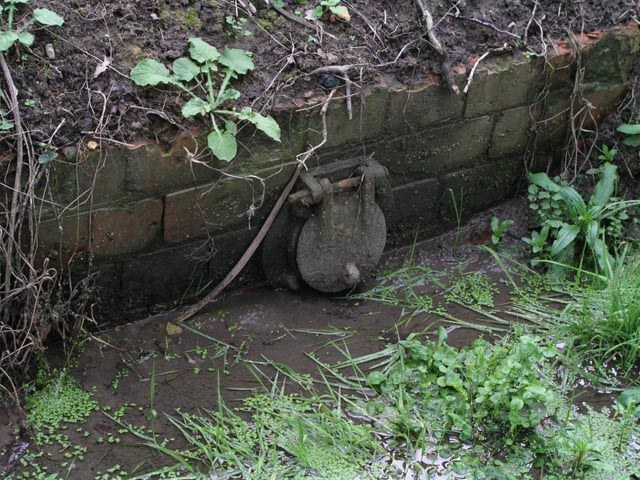


The Backwater Valve
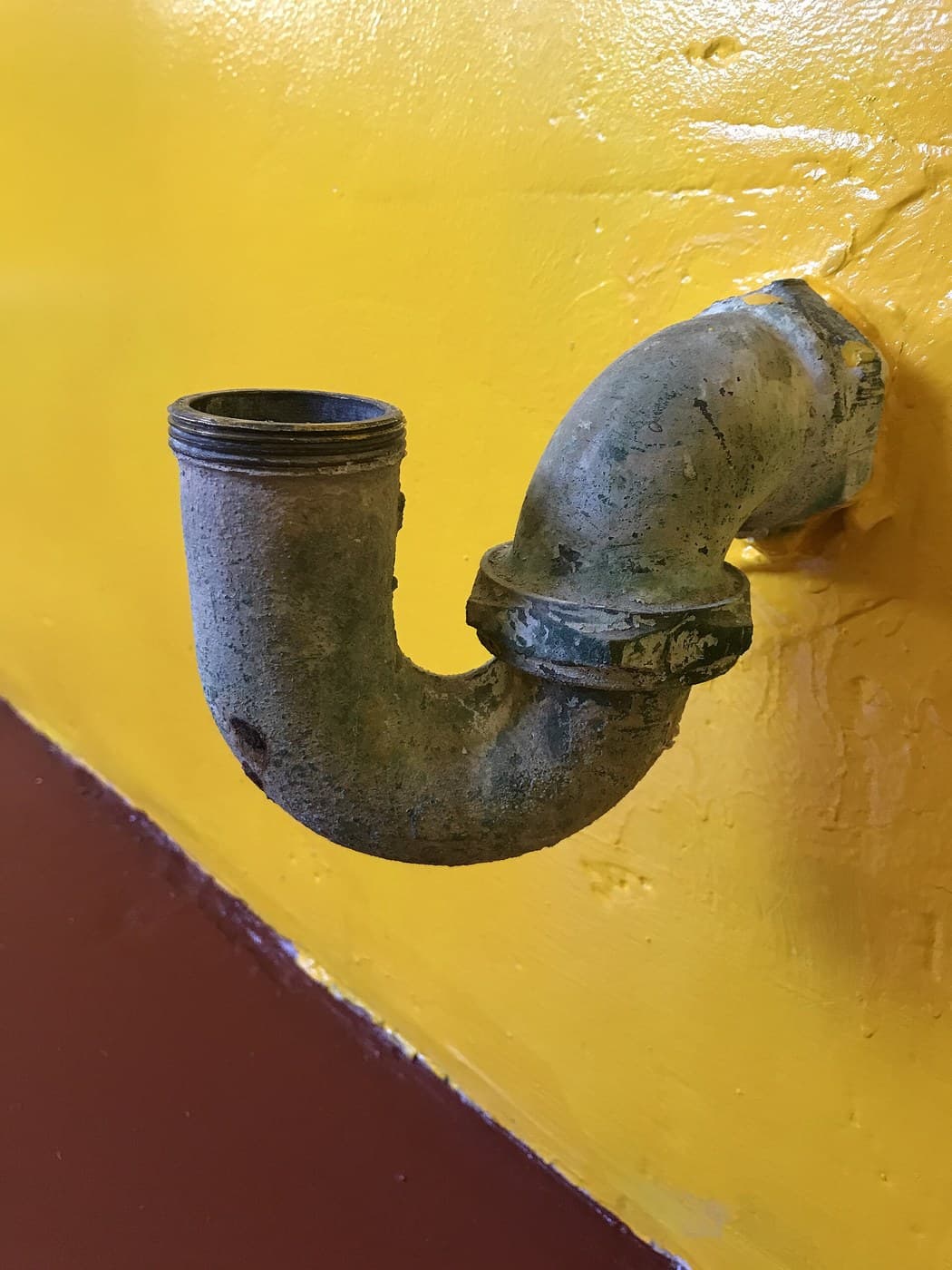
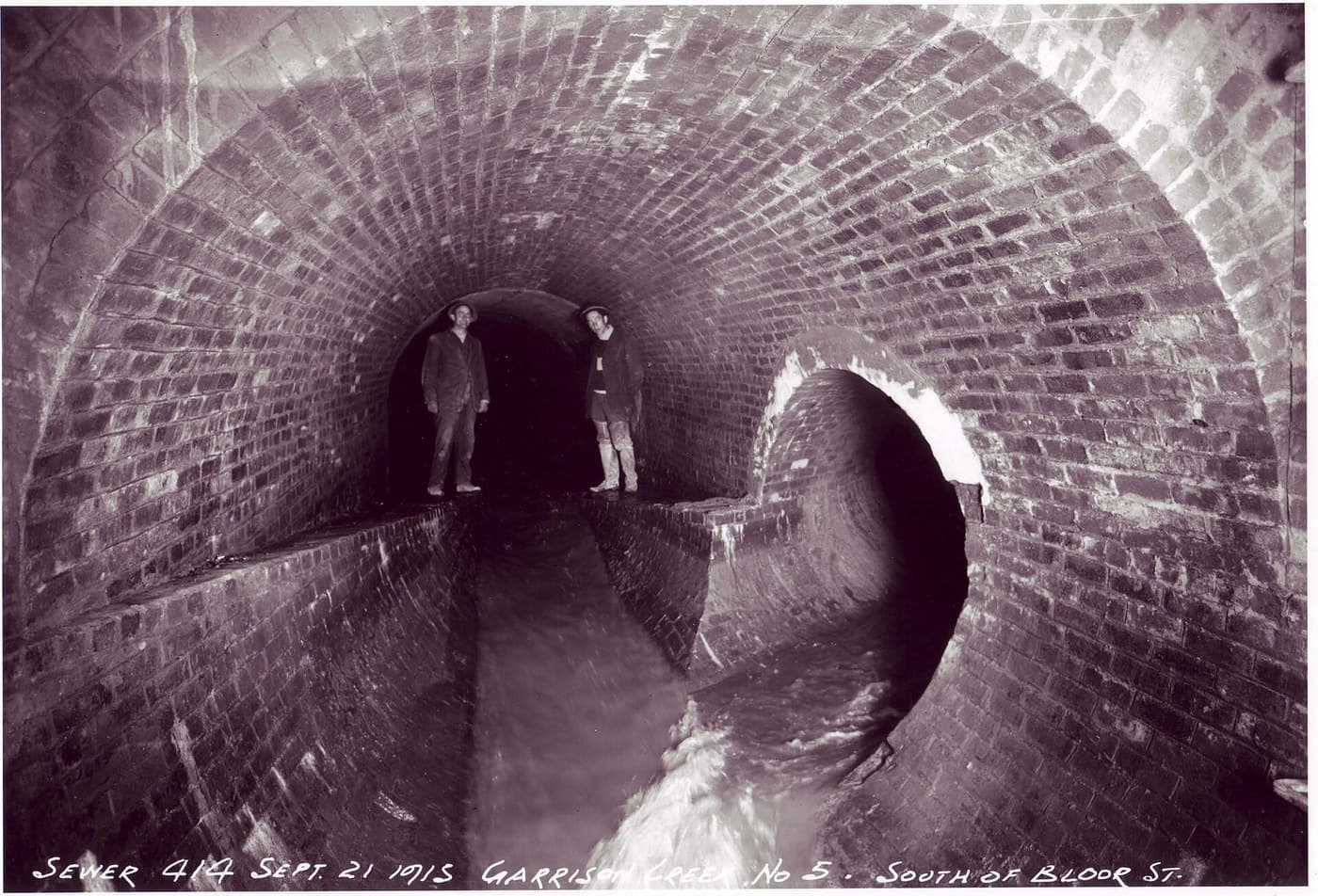
A drain works by gravity, which means it works in one direction only as long as the sewer it discharges into has room. When the sewer is surcharged — a storm on a combined system, a blockage downstream, a pumping station that has stopped — the water level in it rises above the level of the fixtures connected to it. Gravity then does exactly what it did before, in the other direction, and the sewer discharges into the building.
What comes up is not water. It arrives at the lowest fixture, which is a basement floor gully, a cellar toilet or a shower in a converted lower ground floor. It is the single most damaging and most disgusting thing that can happen to a house from a drainage failure, it is not covered by many insurance policies without a valve fitted, and it is entirely preventable with one moving part.
A backwater valve is a flap in the drain that hangs open when flow goes the right way and is pushed shut when it goes the wrong way. That sounds trivial and the physics is trivial, but the engineering is not, because the valve must satisfy two requirements that pull against each other.
It must offer almost no resistance to forward flow, or it becomes the blockage it was fitted to protect against — and a drain carries rags, wipes and solids that will jam an obstruction. And it must seal against reverse flow at a head of possibly several metres, on a seat that has spent years in a sewer.
Those requirements are opposed, because everything that makes a flap seal well makes it more likely to catch something, and everything that makes it pass solids freely makes it seal worse.
That tension is the whole subject, and it is why the standard is not one flap but two in series with different characteristics, plus an access cover, plus an inspection interval that people are as bad at keeping as they are with grease interceptors.
Intermediário
5 hours
Instruções
1
1
Build the flap, and balance it against its two jobs
Build the flap, and balance it against its two jobs
One flap, one hinge, one seat, and every dimension is a compromise between passing solids and sealing.
THE BODY. A 100 millimetre clear pipe section 300 millimetres long with a removable top cover — clear, because you must see what the flap does, and removable because every real backwater valve has an access cover and you should build the habit.
THE SEAT. A ring machined or cut at 45 degrees to the pipe axis, not perpendicular. The angle matters. A flap on an angled seat swings clear of the flow path when open, and it closes under gravity assisted by the seat angle rather than needing to swing the full 90 degrees. Standard practice is 45 degrees and it is worth copying.
THE FLAP. An elliptical disc — because a circular pipe cut at 45 degrees gives an ellipse — of 3 millimetre acrylic or stainless, with a soft resilient face bonded on. Hinged at the top edge with a stainless pin in bosses either side.
THE THREE NUMBERS TO BALANCE.
FLAP MASS. Heavier closes more positively and seals better against low reverse heads, and obstructs forward flow more. Aim for a flap that hangs fully open under its own weight with a modest flow and falls closed cleanly with none.
HINGE FRICTION. Must be near zero. A stiff hinge is the commonest reason a valve fails to close, and a hinge in a sewer accumulates grease and rag. Use a smooth stainless pin in oversized bosses and no bush. Loose is right here.
SEAT COMPLIANCE. A hard flap on a hard seat needs perfect alignment and will leak on the first piece of grit. A soft face conforms and seals over small debris, at the cost of being the part that perishes. Use a 3 millimetre EPDM or silicone face and expect to replace it.
TEST FORWARD FLOW FIRST. Run water through at increasing rates and measure the head loss across the valve with two manometer tappings. It should be small — a few millimetres — at normal flows, and you should see the flap lift fully clear rather than fluttering. A fluttering flap is throttling the drain and will eventually catch something.
NOW TEST REVERSE. Block the downstream end and fill it, raising the head slowly, and watch. The flap should seat as soon as flow reverses, well before any significant head builds. Measure the leak rate at 0.5, 1 and 2 metres of reverse head by catching what passes over a timed interval.
A good valve leaks a little and that is acceptable. What must not happen is that it fails to close at all.
Materiais para este passo:
 Tubo de PVC transparente3 metre
 Sortido de acessórios para tubo de PVC1 conjunto
 Chapa de acrílico1 square metre
 Folha de borracha de silicone1 peça
 Varão de aço inoxidável1 metre
 Vedante de silicone1 peça
 Tubo de vinil transparente3 metre
Ferramentas necessárias:
 Serra de arco para metais
 Berbequim sem fios
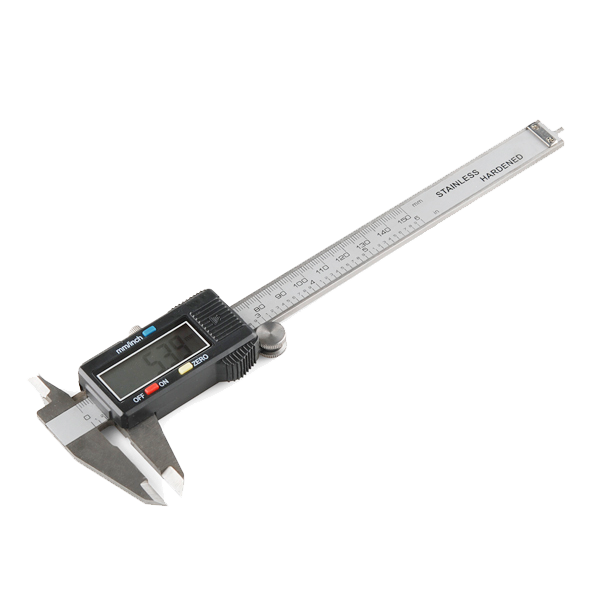 Digital Calipers - 152.4 mm
 Balança digital de precisão
 Balde
Balde Cronómetro
2
2
Jam it, and understand why there are two flaps
Jam it, and understand why there are two flaps
A backwater valve that does not close is worse than no valve, because the householder believes they are protected. So the honest work here is to find out how it fails.
JAM IT DELIBERATELY. Introduce, one at a time, the things a real drain carries: a wet wipe, a length of dental floss, a scrap of rag, a fibrous vegetable peeling, a small piece of grit.
Send each through with normal forward flow, then test reverse closure. Record which ones lodge and where.
The wipe and the rag are the dangerous ones. Both drape over the flap edge or catch on the hinge and hold the flap a few millimetres off its seat, and a few millimetres is a large hole at two metres of head. Grit sits on the seat and does the same on a hard-faced flap, though a soft face may swallow it.
Dental floss is the one that catches people out: it wraps around the hinge pin and stays there, adding friction with every subsequent pass until the flap no longer falls freely.
MEASURE THE CONSEQUENCE. With a wipe draped over the seat, measure the reverse leak rate at one metre of head. Convert it to litres per hour and then imagine it entering a basement for the six hours a storm surcharge might last. It is not a trickle.
NOW UNDERSTAND THE STANDARD ANSWER. Building regulations in most places require a backwater valve to have TWO flaps in series, and having jammed one you can now see why.
The two are not identical and they are not redundant in the simple sense. The first, upstream, is the working flap: light, freely swinging, offering minimal resistance, doing the job on every normal reverse event. The second is the emergency flap: often heavier, sometimes manually closable, sitting in cleaner water because the first one has already stopped the bulk.
The reasoning is probabilistic. The chance that one flap is fouled at the moment of a surcharge is uncomfortably high, because fouling is continuous and surcharges are rare. The chance that BOTH are fouled at the same moment is much lower — provided the second is not fouled by the same mechanism, which is why it sits behind the first.
Some designs add a manual gate as the second device, closed by the householder when a flood is forecast. That is a different kind of answer: it substitutes human action for reliability, which is excellent when there is warning and useless at three in the morning.
FIT THE ACCESS COVER AND USE IT. Every real installation has a cover directly above the valve so it can be inspected without excavation. Inspect yours after each test, and note how quickly it accumulates material even in clean bench conditions. The recommended interval is at least annually, and after every surcharge event.
The honest summary of this device: it is a simple mechanism whose reliability depends entirely on a maintenance regime, protecting against an event that is rare, expensive and disgusting. Every part of that sentence is why it is both required by regulation and widely neglected.
Materiais para este passo:
 Rede de malha fina1 peça
 Areia2 kilogram
 Trapos de algodão1 peça
Ferramentas necessárias:
BaldeCronómetro Régua
Régua Microscópio digital
3
3
Head, leak rate, and whether two flaps are worth it
Head, leak rate, and whether two flaps are worth it
A carregar o notebook Jupyter…
Ferramentas necessárias:
 Computador de secretária
Materiais
10- 3 metreReferência
- 1 conjuntoReferência
- 1 square metreReferência
- Referência
- 1 metreReferência
- 1 peçaReferência
- 3 metreReferência
- 1 peçaReferência
- 2 kilogramReferência
- 1 peçaReferência
Ferramentas necessárias
9- Referência
- 1 vendor sell this, none ship to you yetReferência
- Digital Calipers - 152.4 mm10% de comissãoR$73.15
- Referência
- Referência
- Referência
- Referência
- Referência
- Referência
Blueprints relacionados
Estes blueprints compartilham conhecimento — técnicas, materiais ou princípios

CC0 Domínio Público
Este blueprint é liberado sob CC0. Você é livre para copiar, modificar, distribuir e usar este trabalho para qualquer finalidade, sem pedir permissão.
Apoie o Maker comprando produtos através do Blueprint, onde ele ganha uma Comissão Maker definida pelos vendedores, ou crie uma nova versão deste Blueprint e inclua-o como conexão no seu próprio Blueprint para compartilhar receita.