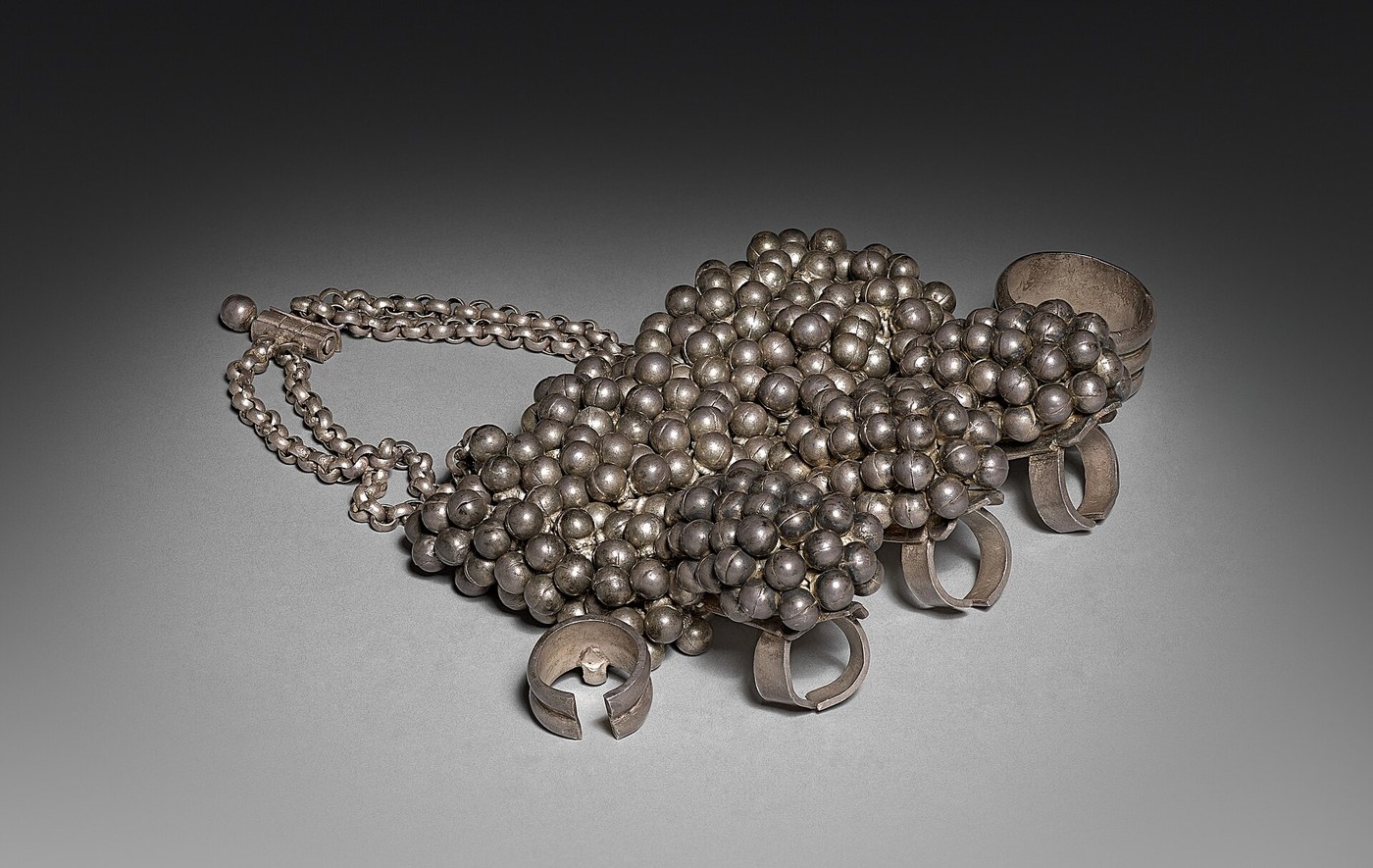


बिछिया
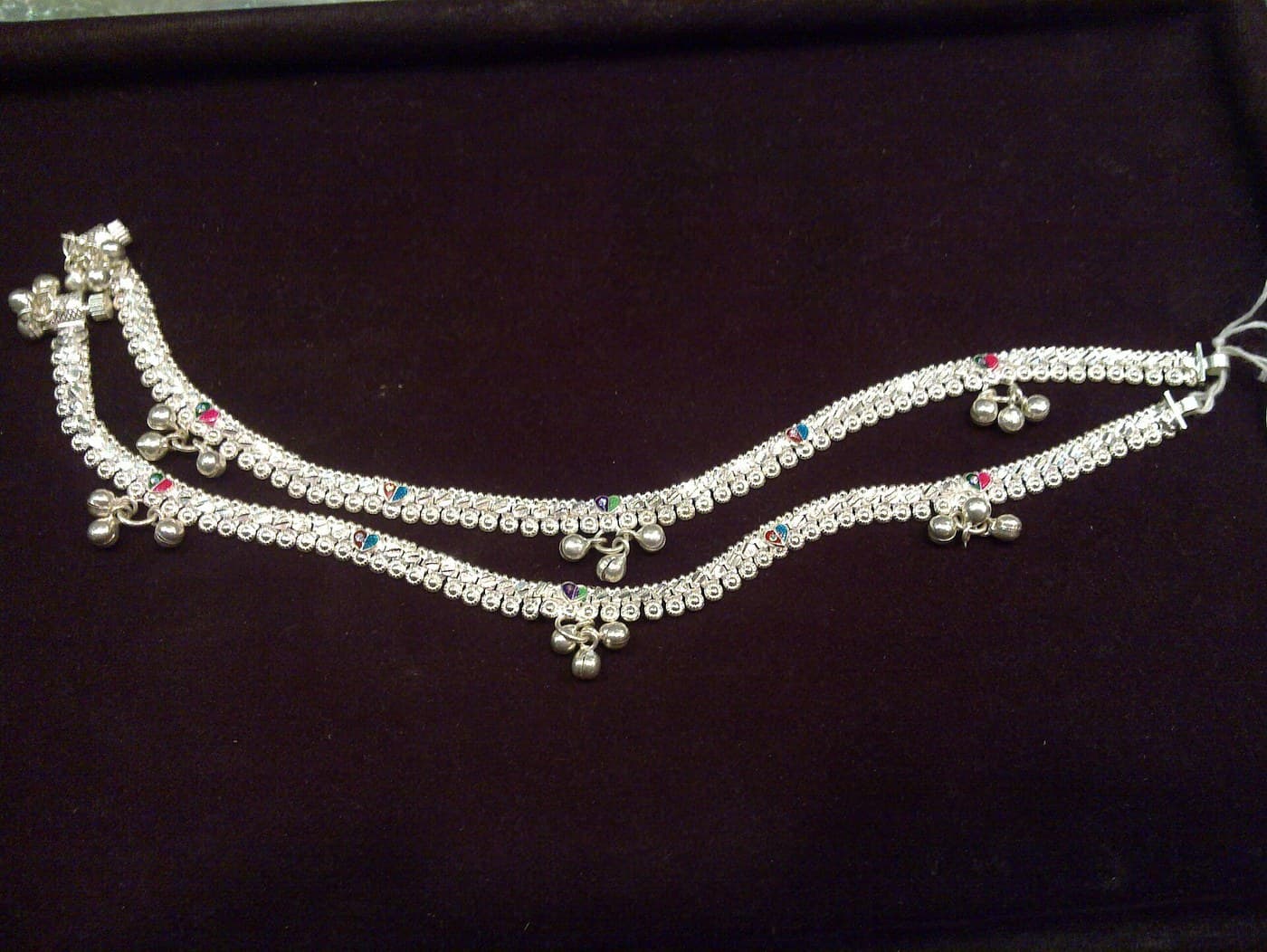
बिछिया चाँदी की ही होती है, सोने की नहीं। इसका कारण रिवाज़ है — सोना कमर से ऊपर, चाँदी कमर से नीचे। पैर की उँगली का गहना इसीलिए हमेशा चाँदी का बनता है।
बनाने में सबसे बड़ी बात एक ही है: बिछिया बंद छल्ला नहीं होती। उसमें एक खुलाव रखा जाता है, ताकि पहनने वाली उसे दबाकर अपनी उँगली के नाप पर बैठा सके। यह गहना रोज़ पहना जाता है, उतारा नहीं जाता — इसलिए नाप बदलने की गुंजाइश गहने में ही रखनी पड़ती है।
चाँदी नरम है, पैर की उँगली पतली है, और चलने में गहना लगातार रगड़ खाता है। तीनों बातें मिलकर तय करती हैं कि तार कितना मोटा हो और डिज़ाइन कितना उभरा हुआ।
Instruções
उँगली का नाप लें
उँगली का नाप लें
पैर की दूसरी उँगली के चारों ओर धागा लपेटकर नाप लें। बिछिया आमतौर पर दूसरी उँगली में पहनी जाती है, अँगूठे में नहीं।
Ferramentas necessárias:
 Régua
Réguaचाँदी का तार लें
चाँदी का तार लें
16 से 18 गेज का चाँदी का तार लें। पतला तार जल्दी मुड़ जाता है, मोटा तार पहनने में चुभता है।
Materiais para este passo:
 Fio de prata fina 999 de 0,5 mm1 metro
तार को नरम करें
तार को नरम करें
तार को हल्का लाल होने तक गरम करें और ठंडा होने दें। कड़ा तार मोड़ने पर टूटता है; नरम तार साँचे पर सधता है।
Ferramentas necessárias:
 Maçarico a propano
मंडरेल पर मोड़ें
मंडरेल पर मोड़ें
नाप के मुताबिक़ मंडरेल पर तार को गोल करें। एक ही बार में पूरा गोल करें — बार-बार मोड़ने से तार कमज़ोर होता है।
Ferramentas necessárias:
 Mandril para anéis de dedo do pé (aço)
सिरे मिलाएँ नहीं — खुलाव छोड़ें
सिरे मिलाएँ नहीं — खुलाव छोड़ें
दोनों सिरों के बीच 3-4 मिमी का खुलाव छोड़ें। यही खुलाव बिछिया को पहनने लायक़ बनाता है — इसी को दबाकर नाप ठीक किया जाता है।
सिरों को गोल घिसें
सिरों को गोल घिसें
दोनों सिरों को घिसकर गोल कर दें। तेज़ सिरा बग़ल की उँगली में लगता रहेगा और चलने में घाव कर देगा।
Ferramentas necessárias:
 Jogo de limas de agulha
ऊपर का हिस्सा चपटा करें
ऊपर का हिस्सा चपटा करें
छल्ले के ऊपरी हिस्से को हथौड़े से हल्का चपटा करें। इससे डिज़ाइन के लिए जगह बनती है और गहना उँगली पर घूमता नहीं।
डिज़ाइन उथला रखें
डिज़ाइन उथला रखें
ऊपरी सतह पर बारीक लकीरें या दाने बनाएँ, पर उभार कम रखें। ऊँचा उभार ज़मीन से रगड़ खाकर कुछ महीनों में घिस जाता है।
अंदर की सतह चिकनी करें
अंदर की सतह चिकनी करें
भीतर की तरफ़ अच्छी तरह घिसें। यही हिस्सा दिन-भर त्वचा से लगा रहता है, और यहीं की खुरदराहट सबसे पहले तकलीफ़ देती है।
Ferramentas necessárias:
 Lixa
Lixaजोड़ी बनाएँ
जोड़ी बनाएँ
दूसरी बिछिया भी उसी नाप और डिज़ाइन की बनाएँ। बिछिया जोड़े में पहनी जाती है — दोनों पैरों में।
पहनकर देखें
पहनकर देखें
पहनाकर थोड़ा चलवाएँ। ढीली हो तो खुलाव हल्का दबाएँ, कसी हो तो थोड़ा खोलें। नाप चलने में तय होता है, बैठे-बैठे नहीं।
चमकाएँ
चमकाएँ
बारीक कपड़े से घिसकर चमक लाएँ। चाँदी पर समय के साथ जो हल्की कालिमा आती है, उसे कई लोग जान-बूझकर रहने देते हैं — उससे डिज़ाइन उभरकर दिखता है।
इतिहास और संदर्भ
इतिहास और संदर्भ
चाँदी ही क्यों। भारत के बड़े हिस्से में यह चलन रहा है कि सोना कमर से ऊपर पहना जाता है और चाँदी कमर से नीचे। इसीलिए पायल, बिछिया और पैर के दूसरे गहने चाँदी के होते हैं। यह नियम हर जगह एक-सा नहीं है — क्षेत्र और समुदाय के हिसाब से बदलता है — पर उत्तर भारत में यह आम है।
पहनने का अर्थ। कई समुदायों में बिछिया विवाहित स्त्री का चिह्न मानी जाती है और जोड़े में पहनी जाती है। यह रिवाज़ है, नियम नहीं, और इसका पालन हर जगह एक जैसा नहीं होता। इसे तथ्य की तरह दर्ज करना ठीक है; इसे सबके लिए अनिवार्य बताना ठीक नहीं।
खुला छल्ला — बनावट की मजबूरी नहीं, समझदारी है। यह गहना रोज़ पहना जाता है और अक्सर उतारा नहीं जाता। पैर की उँगली का नाप दिन-भर में, और सालों में, बदलता है। खुला सिरा पहनने वाली को ख़ुद नाप ठीक करने देता है — बिना सुनार के पास गए। बंद छल्ला ज़्यादा मज़बूत होता, पर बेकार होता।
घिसाव का हिसाब। पैर का गहना ज़मीन से, चप्पल से और दूसरी उँगली से लगातार रगड़ खाता है। इसीलिए बिछिया का डिज़ाइन चपटा और उथला रखा जाता है, जबकि हाथ की अँगूठी में ऊँचा नग लगाया जा सकता है। एक ही धातु, एक ही कारीगर — पर जगह बदलते ही डिज़ाइन के नियम बदल जाते हैं।
Materiais
1- Referência
Ferramentas necessárias
5- Referência
- Referência
- Referência
- Referência
- Referência
Blueprints relacionados
Estes blueprints compartilham conhecimento — técnicas, materiais ou princípios
CC0 Domínio Público
Este blueprint é liberado sob CC0. Você é livre para copiar, modificar, distribuir e usar este trabalho para qualquer finalidade, sem pedir permissão.
Apoie o Maker comprando produtos através do Blueprint, onde ele ganha uma Comissão Maker definida pelos vendedores, ou crie uma nova versão deste Blueprint e inclua-o como conexão no seu próprio Blueprint para compartilhar receita.