Colaboração
ARTE
BELEZA E BEM-ESTAR
ARTESANATO
CULTURA E HISTÓRIA
ENTRETENIMENTO
MEIO AMBIENTE
COMIDA E BEBIDAS
ENGENHARIA REVERSA
CIÊNCIAS
ESPORTES
TECNOLOGIA
TECNOLOGIA VESTÍVEL
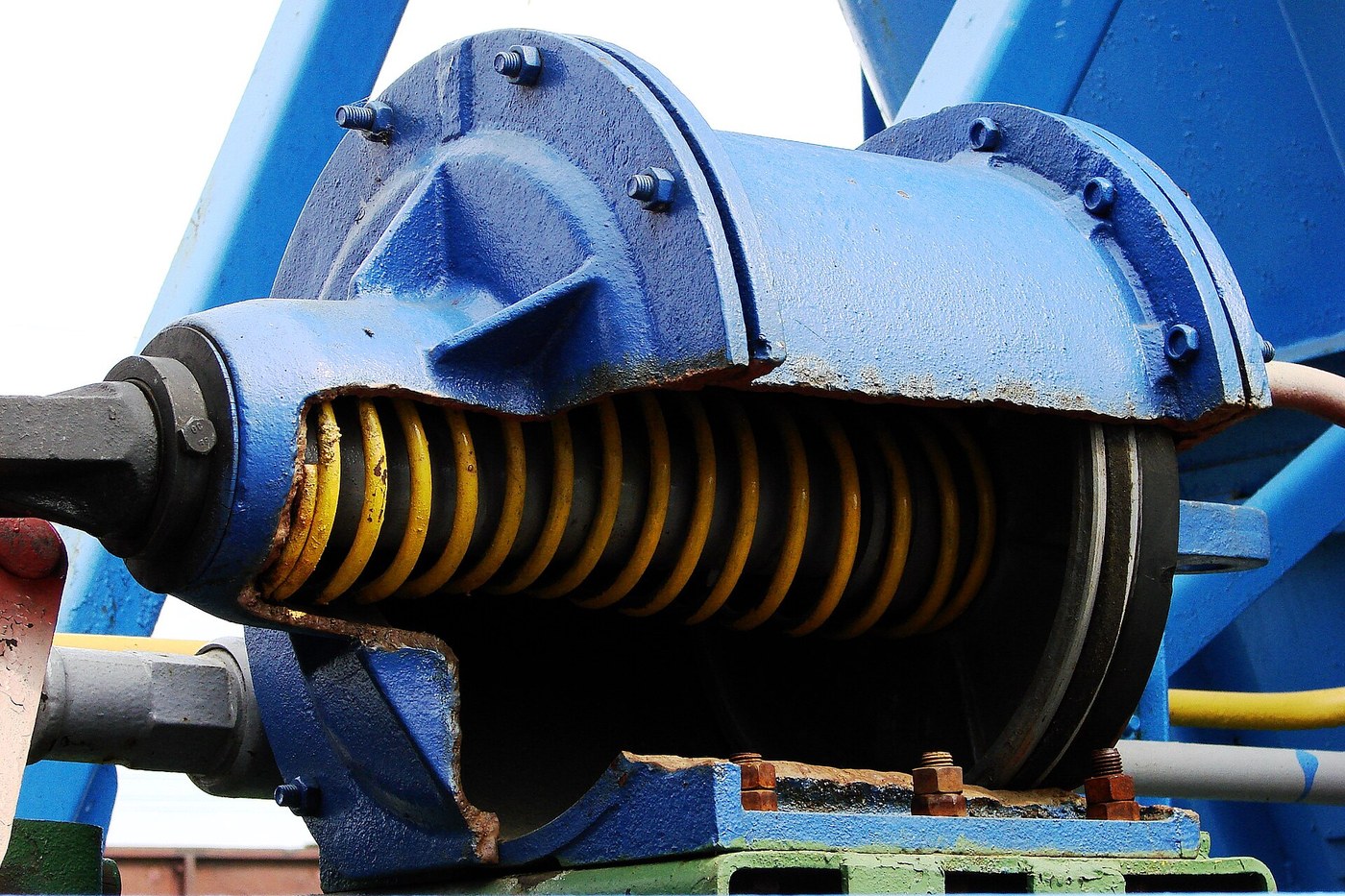


Brake Cylinder: Piston with Packing Leather, Expander Ring and Release Spring (Westinghouse Air Brake Co., 1901)
The air cylinder that puts on a railway car's brakes. Air let into the pressure end drives the piston out, and its push rod works the brake levers. When the air is let out, a release spring pushes the piston back. A cup of leather, held against the wall by a spring ring, stops the air from leaking past the piston.
Result: a brake cylinder. In the book's driver-brake example, an 8-inch cylinder fully applied puts 2,500 pounds on its piston.
Source: Westinghouse Air Brake Company, Air Brake Instruction Book (1901), pp. 55-57 and 97. Unknown: every size except the 8-inch bore, and the metal of every part except the leather; the book does not give them. Picture: Wikimedia Commons.
Avançado
1 week
Instruções
1
1
Bore the cylinder
Bore the cylinder
Make the cylinder with a pressure end and an open end closed by the non-pressure head. Cut a small groove along the wall, the leakage groove: a slight flow of air into the cylinder then escapes through it to the open end instead of pushing the piston out. Unknown: the metal and the sizes (the book's example is an 8-inch cylinder). Ours: bored on a lathe.
Materiais para este passo:
 Metal desconhecido1 as required
Ferramentas necessárias:
 Torno mecânico
 Barra de mandrilar
 Conjunto de ferramentas de torno (HSS)
 Paquímetro
 Dimensões desconhecidas
2
2
Make piston, follower and heads
Make piston, follower and heads
Turn the piston with its sleeve, into which the push rod from the brake levers fits, a follower plate, and the non-pressure head. Drill the piston for the studs that hold the follower. Unknown: metal and sizes. Ours: lathe and drill press.
Materiais para este passo:
Metal desconhecido1 as requiredFerramentas necessárias:
Torno mecânicoConjunto de ferramentas de torno (HSS) Engenho de furarPaquímetroDimensões desconhecidas
3
3
Fit the packing leather
Fit the packing leather
Clamp the packing leather to the piston under the follower plate with studs and nuts; its flange presses against the cylinder wall to keep the air from escaping past the piston. Put the round spring packing expander inside the flange to hold it against the wall. Keep the follower nuts tight. Ours: the leather cut to shape with a knife.
Materiais para este passo:
 Couro1 as requiredMetal desconhecido1 studs and expander ring
 Porca sextavada1 conjunto
Ferramentas necessárias:
 X-ato de oficina
 Chave inglesaDimensões desconhecidas
4
4
Assemble with the release spring
Assemble with the release spring
Slide the piston into the cylinder, put the release spring behind it and close the cylinder with the non-pressure head, so the spring forces the piston back to release whenever the air pressure is let out of the pressure end. The book's maintenance rule: a light grease in the cylinder, especially at the top and inside the packing leather where the expander rests.
Materiais para este passo:
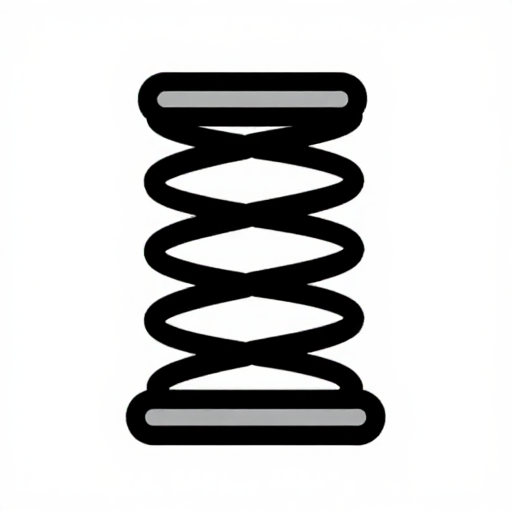 Conjunto de molas de compressão1 release spring
Ferramentas necessárias:
Chave inglesaDimensões desconhecidasMateriais
4- 1 studs and expander ringReferência
- 1 as requiredReferência
- 1 conjuntoReferência
- 1 release springReferência
Ferramentas necessárias
8- Referência
- Referência
- Referência
- Referência
- Referência
- Referência
- Referência
- Referência
Este projeto faz

CC0 Domínio Público
Este blueprint é liberado sob CC0. Você é livre para copiar, modificar, distribuir e usar este trabalho para qualquer finalidade, sem pedir permissão.
Apoie o Maker comprando produtos através do Blueprint, onde ele ganha uma Comissão Maker definida pelos vendedores, ou crie uma nova versão deste Blueprint e inclua-o como conexão no seu próprio Blueprint para compartilhar receita.