

Casting Out Nines
Instruções
Find digital roots
Find digital roots
Reduce numbers to a single digit by repeated digit-summing.
- Take 4871: 4+8+7+1 = 20, then 2+0 = 2.
- Take 693: 6+9+3 = 18, then 1+8 = 9.
- Do a dozen more until it is quick.
Materiais para este passo:
 Papel milimétrico1 pad
 Jogo de lápis de grafite1 conjunto
Check a multiplication
Check a multiplication
Do the same operation on the roots.
- Multiply 4871 × 693 by hand and get an answer.
- Take the roots: 2 and 9.
- Multiply those: 2 × 9 = 18, root 9.
- Reduce your full answer to its root and compare.
Find what it cannot catch
Find what it cannot catch
Attack the checksum deliberately. This is the important step.
- Take a correct answer and SWAP two of its digits.
- Re-check the digital root.
- Now change a digit by exactly 9, or change a 0 to a 9.
Understand why nine
Understand why nine
The magic is a property of base ten, not of nine.
- Note that 10 ≡ 1 (mod 9), so 100 ≡ 1, 1000 ≡ 1, and so on.
- Therefore every digit contributes its face value regardless of position.
- The digit sum is congruent to the number itself, modulo 9.
History and context
History and context
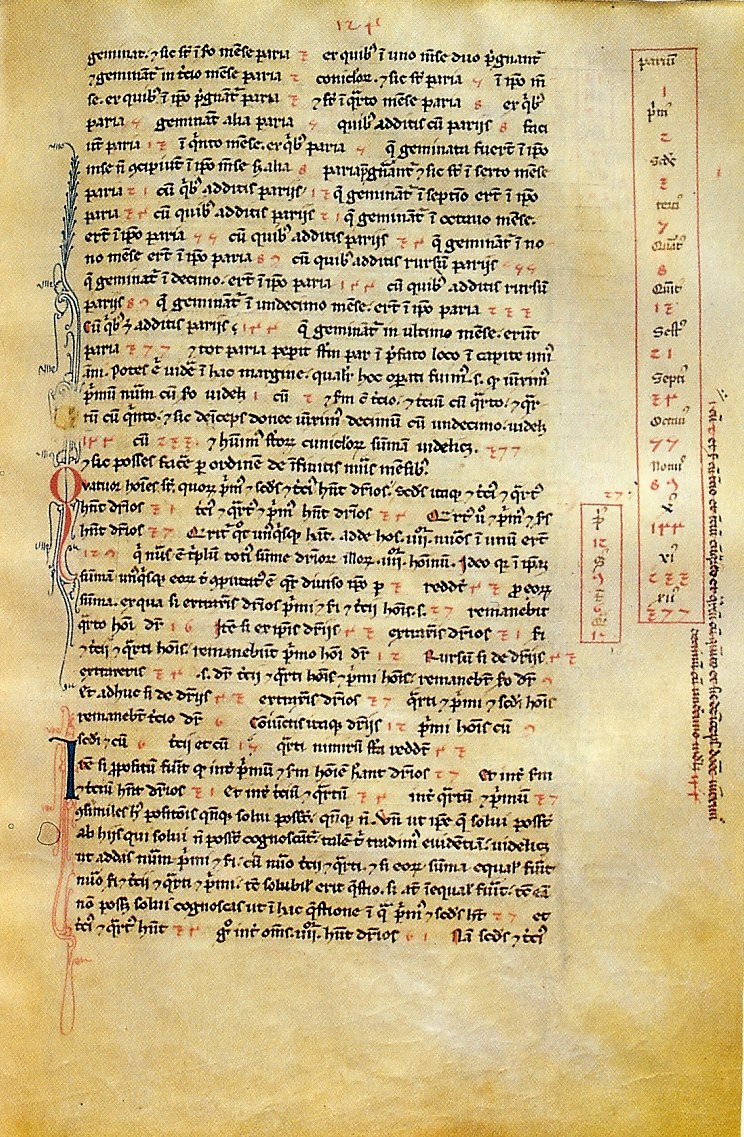
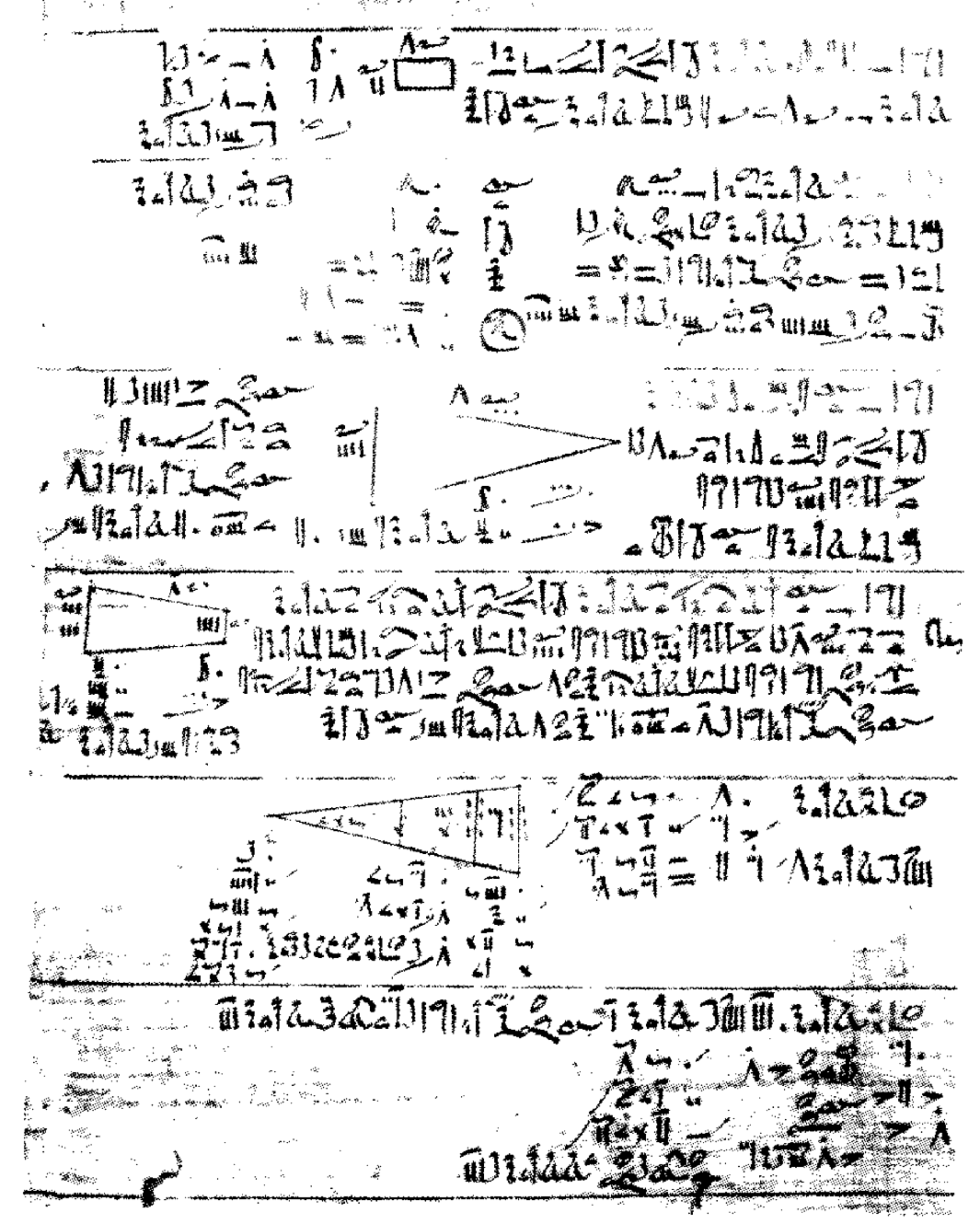
The method travels with the Hindu-Arabic numeral system. It is described by Indian mathematicians, transmitted through Arabic works, and appears in Fibonacci's Liber Abaci (1202) and in the abbaco manuals that taught merchants' sons to calculate. Before mechanical calculators, checking arithmetic was a daily necessity and this was the standard tool.
Its descendants are everywhere and they are better designed. The final digit of an ISBN, the check digit on a bank account or IBAN, the Luhn algorithm on every credit card number — all are checksums built on the same idea, but using weighted sums specifically chosen so that transposing adjacent digits DOES change the result. They learned from the weakness you found in step 3.
The philosophy generalises to all of error detection. A checksum is a lossy summary: it can prove a difference but not an identity. Parity bits, CRCs and cryptographic hashes all sit on the same spectrum, differing only in how hard it is to produce a collision — and the arms race from casting out nines to SHA-256 is entirely about making accidental or deliberate collisions harder.
A caution worth carrying: passing a checksum is weak evidence, and treating it as proof is a real failure mode in practice. The correct reading of a passed check is no error detected, not no error present.
Materiais
2- 1 padReferência
- 1 conjuntoReferência
Blueprints relacionados
Estes blueprints compartilham conhecimento — técnicas, materiais ou princípios
CC0 Domínio Público
Este blueprint é liberado sob CC0. Você é livre para copiar, modificar, distribuir e usar este trabalho para qualquer finalidade, sem pedir permissão.
Apoie o Maker comprando produtos através do Blueprint, onde ele ganha uma Comissão Maker definida pelos vendedores, ou crie uma nova versão deste Blueprint e inclua-o como conexão no seu próprio Blueprint para compartilhar receita.