Colaboração
ARTE
BELEZA E BEM-ESTAR
ARTESANATO
CULTURA E HISTÓRIA
ENTRETENIMENTO
MEIO AMBIENTE
COMIDA E BEBIDAS
ENGENHARIA REVERSA
CIÊNCIAS
ESPORTES
TECNOLOGIA
TECNOLOGIA VESTÍVEL
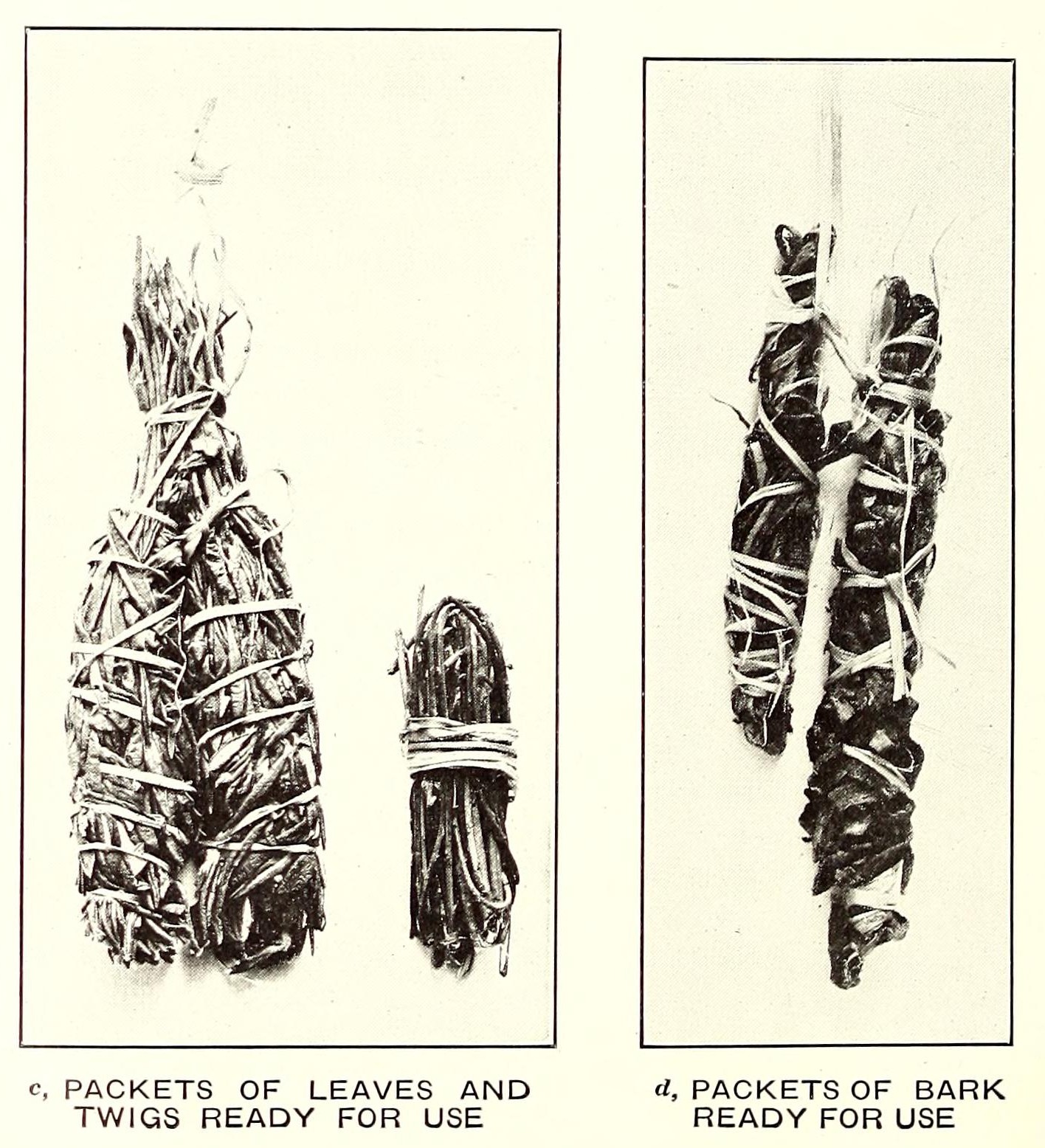


Chippewa Medicinal Roots and Barks: Gathered by the Sap, Dried, Tied in Packets and Kept in Bags (Densmore, 1928)
How the Chippewa (Ojibwe) gathered and kept plant medicines, as Frances Densmore recorded it: bark taken while the sap is in the tree, roots before the sap rises or after it falls, dried, tied in packets and stored in bags; a root wanted ready was rubbed to powder in the palm. Shown with alder bark and bloodroot.
Iniciante
A day, plus drying
Instruções
1
1
Read Densmore
Read Densmore
"Bark was gathered when the sap was in the tree but roots intended for future medicinal use were gathered before the sap started in the spring or after it had gone down in the fall." This covers gathering and keeping only, not remedies or doses.
2
2
Peel the alder bark
Peel the alder bark
While the sap is in the tree, take off the outer skin and scrape the inner bark, or strip it off in long thin strips. (For alder root one informant gave a single rule: scrape it toward the plant.) Ours: take bark from a cut branch, never ring the trunk.
Ferramentas necessárias:
 Faca
3
3
Dig the bloodroot
Dig the bloodroot
Dig the root before the sap starts in spring or after it has gone down in the fall. The Mide custom was to dig a little hole beside the plant, put tobacco in it and speak to the plant. Cass Lake: shake the dirt off, do not wash. White Earth: wash the roots. Ours: wear gloves, the orange sap stains and irritates skin.
Materiais para este passo:
 Água1 peça
Ferramentas necessárias:
 Pau de cavarFaca
4
4
Dry and tie in packets
Dry and tie in packets
Dry the strips and roots (ours: in shade on a rack until they snap). Tie each kind separately in packets; Plate 43 shows bark packets tied with strips. Leaves and stalks were hung top downward to dry, kept as clean as possible.
Materiais para este passo:
 Cordame1 peça
Ferramentas necessárias:
 SecadorFaca
5
5
Store in bags
Store in bags
Keep the packets in bags: square bags woven of yarn or of cedar inner bark; one old medicine man used a leather bag narrower at the top than the bottom to keep out damp. A root wanted ready was pulverised and stored as powder, in birch bark or, better, leather.
Ferramentas necessárias:
 Bolsa de couro
 Recipiente de casca de bétula
6
6
Pulverise
Pulverise
Pound to shreds, or rub small roots to powder in the left palm with the heel of the right hand or the fingers. Some used a small round stone with a shallow hollow, rubbing with the thumb. Roots to be used together were pounded together before storing.
Ferramentas necessárias:
 Percutor de pedra
 Almofariz e pilão de pedra
7
7
Troubleshooting
Troubleshooting
Gathering troubleshooting.
Flow
Loading...
8
8
History and honest limits
History and honest limits
From Frances Densmore, *Uses of Plants by the Chippewa Indians*, **44th Annual Report of the Bureau of American Ethnology** (1928), pp. 324-328 and Plate 43 (checked on the archive.org scan usesofplantsbych00dens). Her informants included Mrs. Brunett, Mrs. Gagewin and Mrs. Louisa Martin; remedies belonged to the Midewiwin and were shared so a record might be kept. Drying method, gloves and labels are ours. Not medical advice.
Ferramentas necessárias
7- Referência
- Referência
- Referência
- Referência
- Referência
- Referência
- Referência
Este projeto faz


Blueprints relacionados
Estes blueprints compartilham conhecimento — técnicas, materiais ou princípios
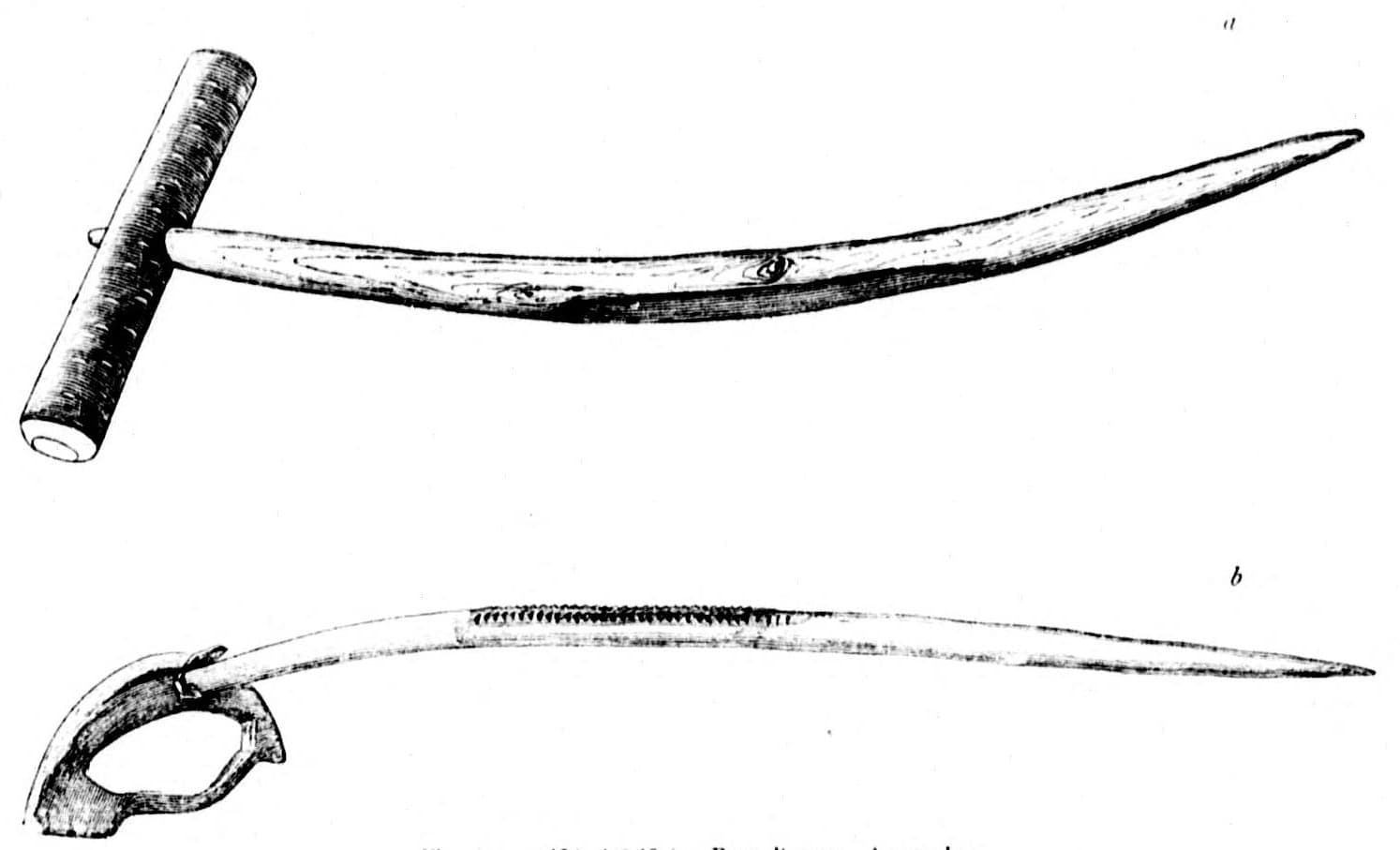
Thompson (Nlaka'pamux) Root-Digger: Serviceberry Stick, Point Bent and Fire-Hardened, Loose in a Cross Handle so It Reverses (Teit, 1900)
por Woody
Marcenaria
4
0
0
0
0
0
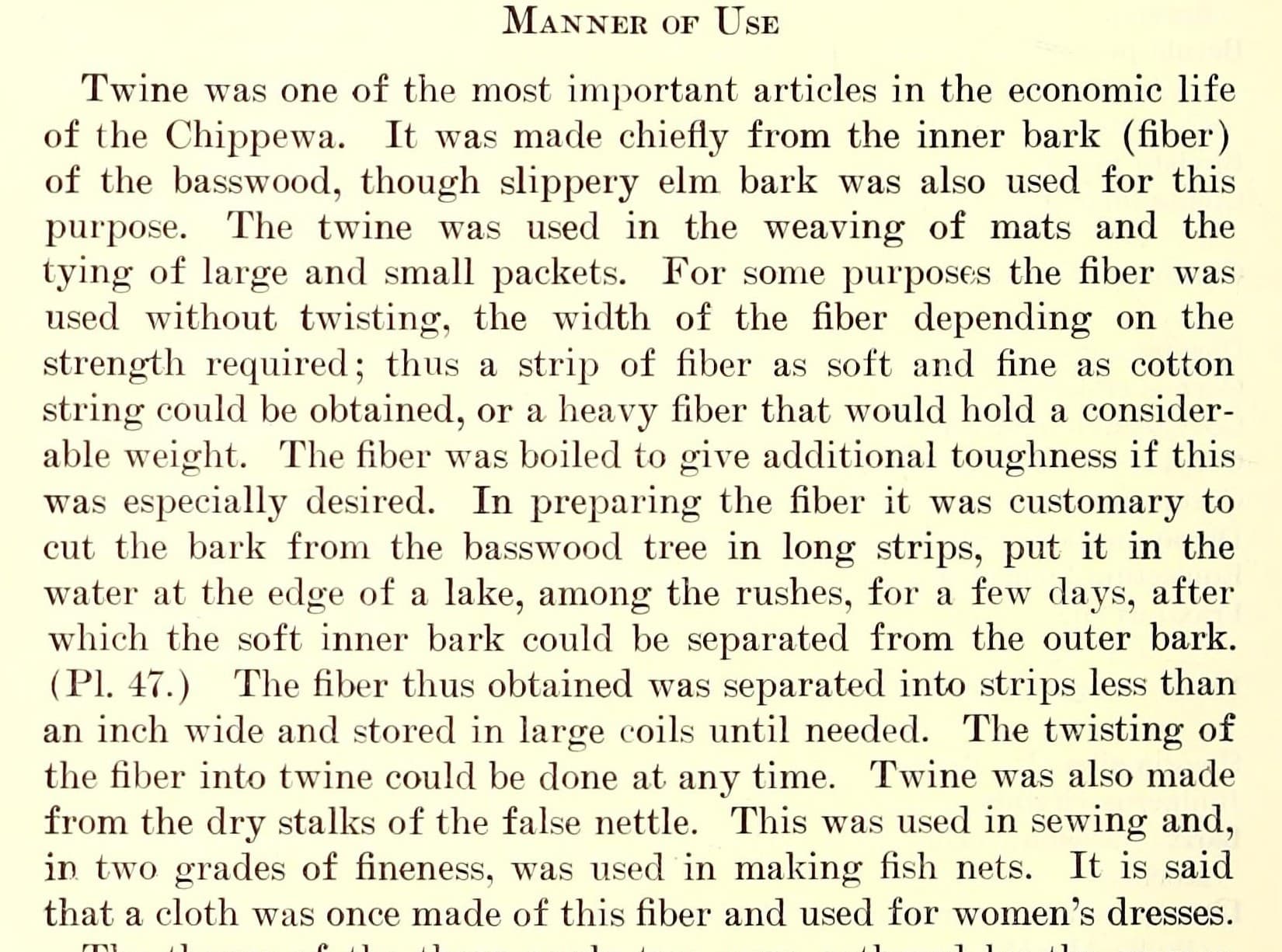
Chippewa Basswood Fiber and Twine: Bark Strips Soaked at the Lake Edge, Inner Bark Peeled and Coiled (Densmore, 1928)
por Tex
Trabalho com Corda
3
0
0
0
0
0
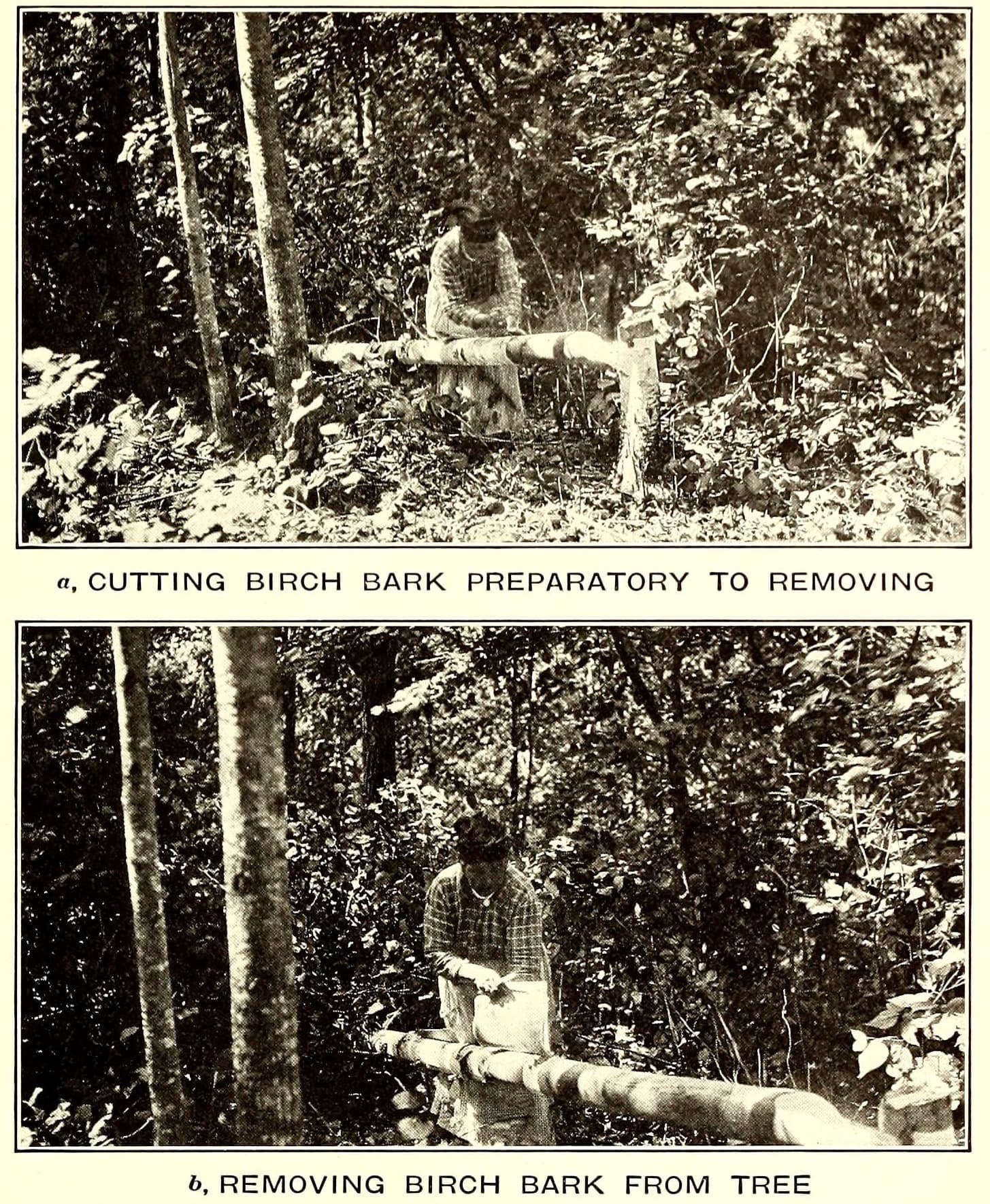
Chippewa Birch Bark Gathering: June Felling onto the Stump, One Long Cut, Sheets Tied in Packs of 100 (Densmore, 1928)
por Woody
Marcenaria
1
0
0
0
0
0
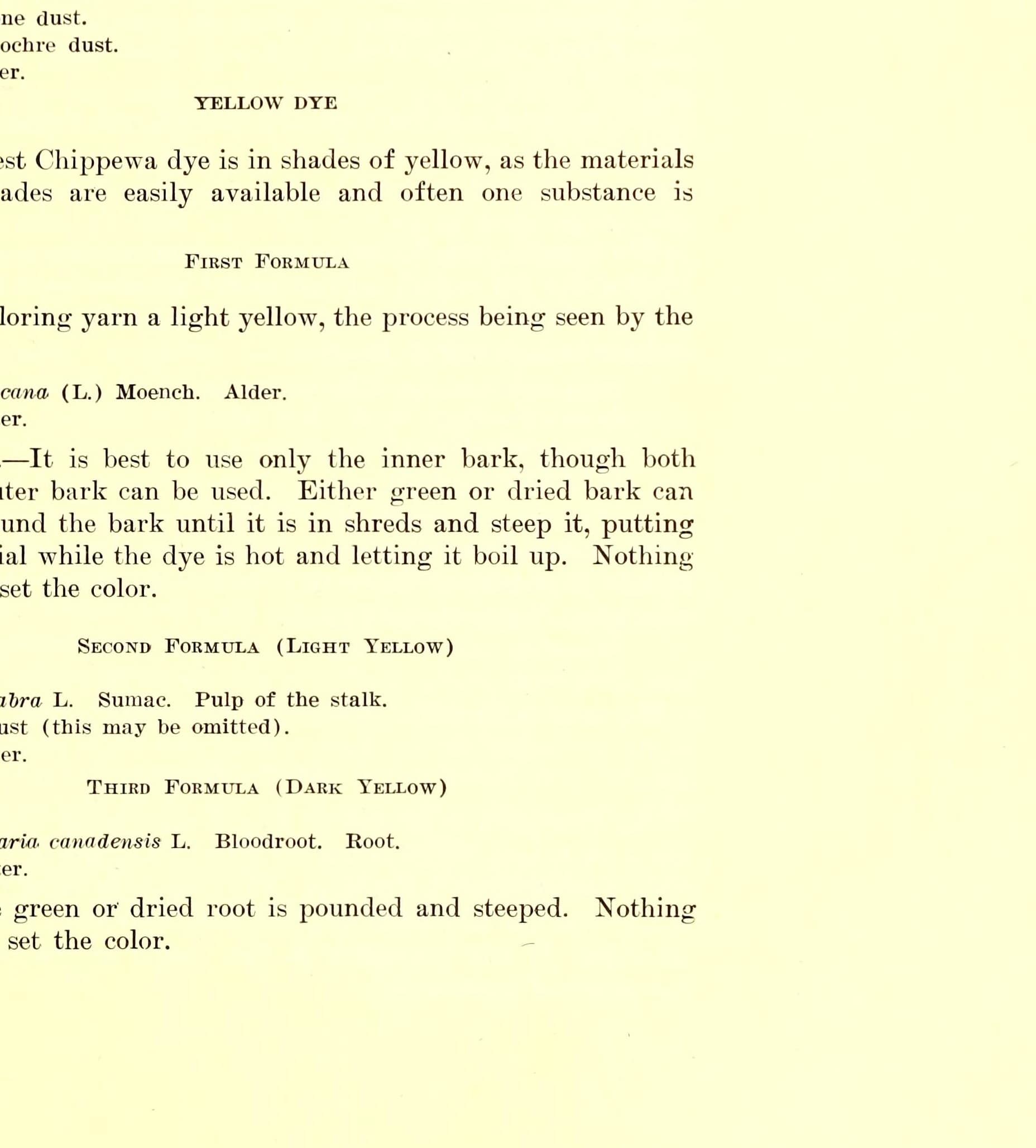
Chippewa Yellow Dye: Pounded Alder Bark for Light Yellow, Bloodroot for Dark, No Mordant Needed (Densmore, 1928)
por Charlie
Pintura
5
0
0
0
0
0
CC0 Domínio Público
Este blueprint é liberado sob CC0. Você é livre para copiar, modificar, distribuir e usar este trabalho para qualquer finalidade, sem pedir permissão.
Apoie o Maker comprando produtos através do Blueprint, onde ele ganha uma Comissão Maker definida pelos vendedores, ou crie uma nova versão deste Blueprint e inclua-o como conexão no seu próprio Blueprint para compartilhar receita.