
From Vicuña Fiber to Yarn — The Fiber of the Inca Gods
Instruções
Obtaining Legally-Sourced Fiber
Obtaining Legally-Sourced Fiber
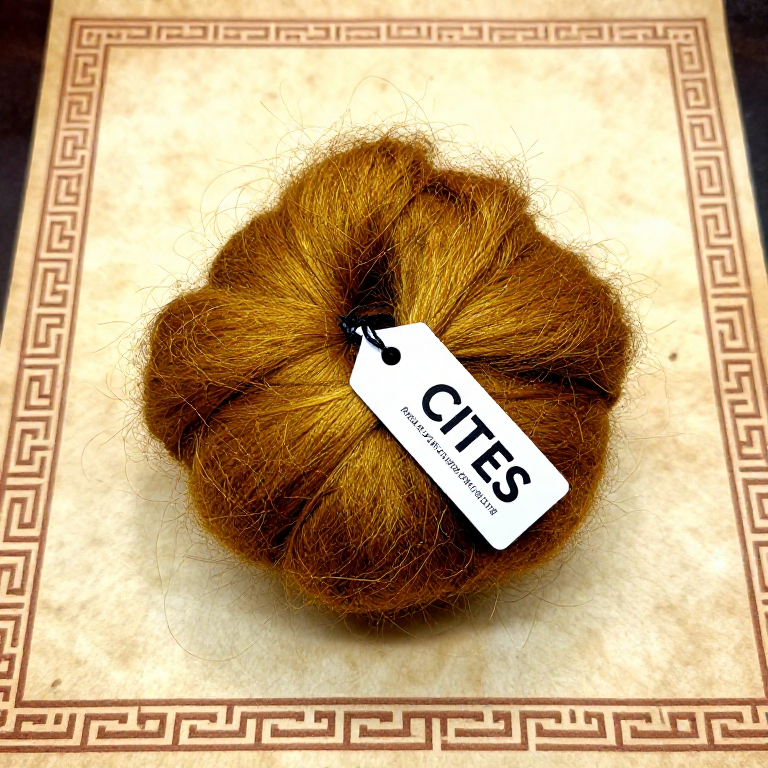
The vicuña is protected by CITES (Convention on International Trade in Endangered Species). Fiber can only be legally obtained from authorized Andean communities that practice the chaccu — ceremonial shearing of live animals that are then released. Always verify certification of origin.
Materiais para este passo:
 Lã de vicunha (fibra bruta)200 g
Understanding the Fiber
Understanding the Fiber
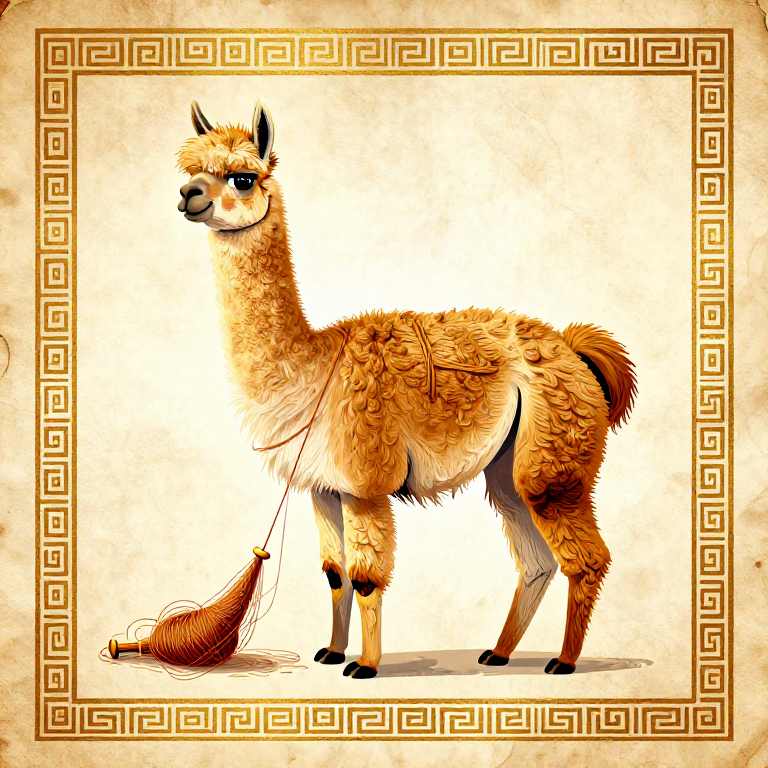
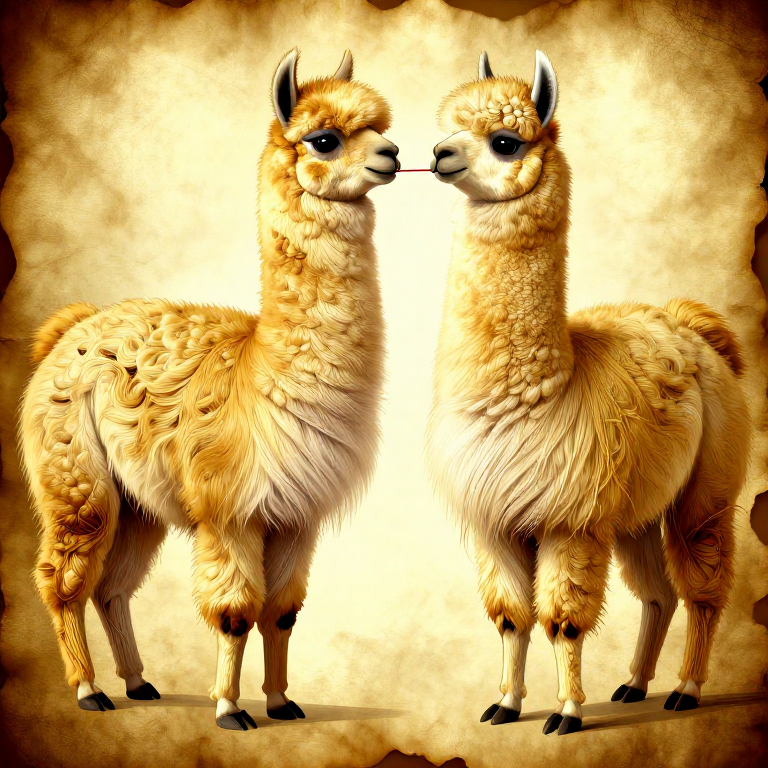
Vicuña fiber is 12-13 microns in diameter — finer than cashmere (15-19μ), mohair (25-45μ) or merino wool (15-23μ). Each animal produces only 200-300 g every two years. The fiber is golden cinnamon on the back and white on the chest. Treat every gram with respect.
Separating Guard Hair
Separating Guard Hair
Like the llama, the vicuña has some thicker outer hair mixed with the ultra-fine down. Separate carefully by hand. The thickness difference is more subtle — you need good lighting and patience.
Ultra-Gentle Washing
Ultra-Gentle Washing
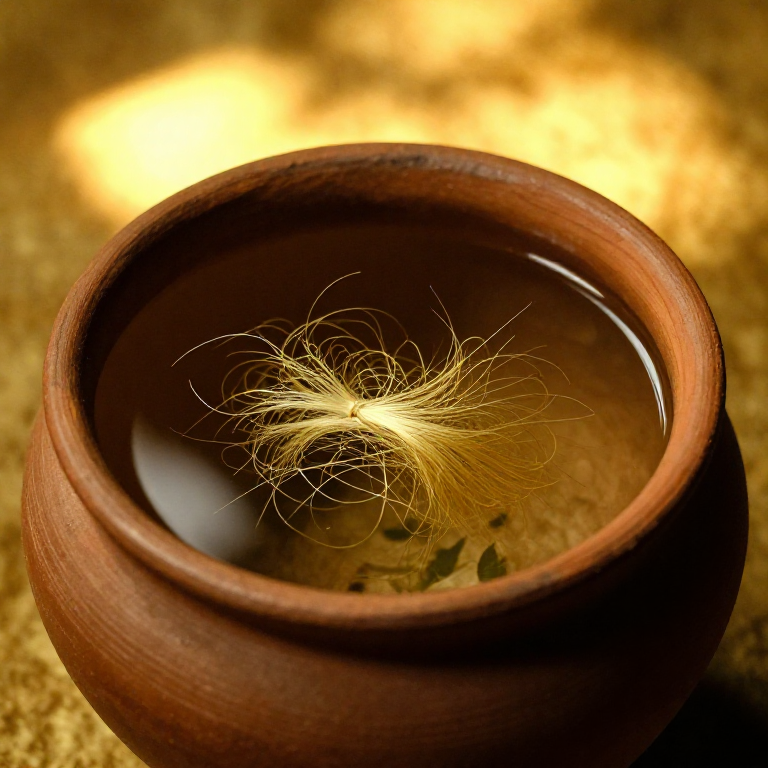
Soak the fiber in warm water at 25-30°C — cooler than for alpaca or llama. The fiber is so fine that any agitation or excessive temperature causes irreversible felting. Leave to soak 15 minutes. Do not touch.
Materiais para este passo:
 Água5 litros
Careful Rinsing
Careful Rinsing
Transfer the fiber to clean water at the same temperature. Never change the temperature abruptly — thermal shock felts the fiber instantly. A single rinse is usually sufficient.
Drying Without Pressure
Drying Without Pressure
Remove the fiber from the water with both hands open, like a cloud. Place on fine netting in the shade. Never squeeze, wring or press. Let dry naturally — it may take 24 hours.
Opening Locks with Gentleness
Opening Locks with Gentleness
With your fingertips, gently open each lock of dry fiber. Vicuña fiber is so fine it almost floats — work in a space without air currents.
Carding with Fine Cards
Carding with Fine Cards
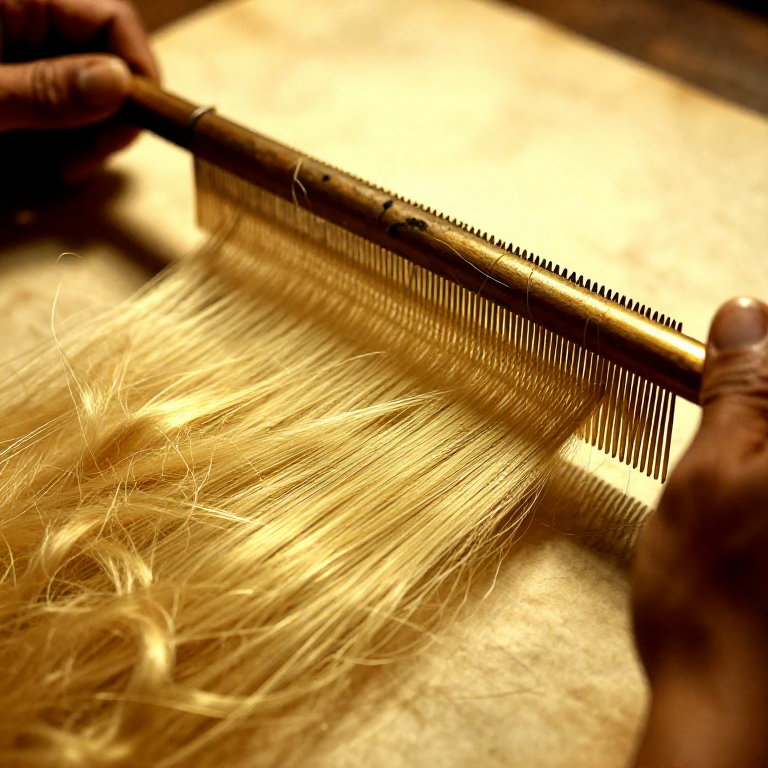
Use hand cards with fine, tight teeth. Load a minimal amount of fiber — half what you would use for alpaca. Pass the second card with ultra-gentle movements, 3-4 times only. Excessive carding damages the fiber.
Ferramentas necessárias:
 Cardas de mão
Forming Small Rolags
Forming Small Rolags
Roll the carded fiber into very small, light rolags. Each rolag should have little fiber — vicuña spins into extremely fine yarn, and large rolags would be wasted.
Choosing a Light Spindle
Choosing a Light Spindle
Use the lightest drop spindle available — ideally less than 20 grams. A heavy spindle will break the ultra-fine fiber. Traditional Andean spindles for vicuña are small and delicate, often made of bone or very light wood.
Ferramentas necessárias:
 Fuso de mão
Spinning with Minimal Draw
Spinning with Minimal Draw
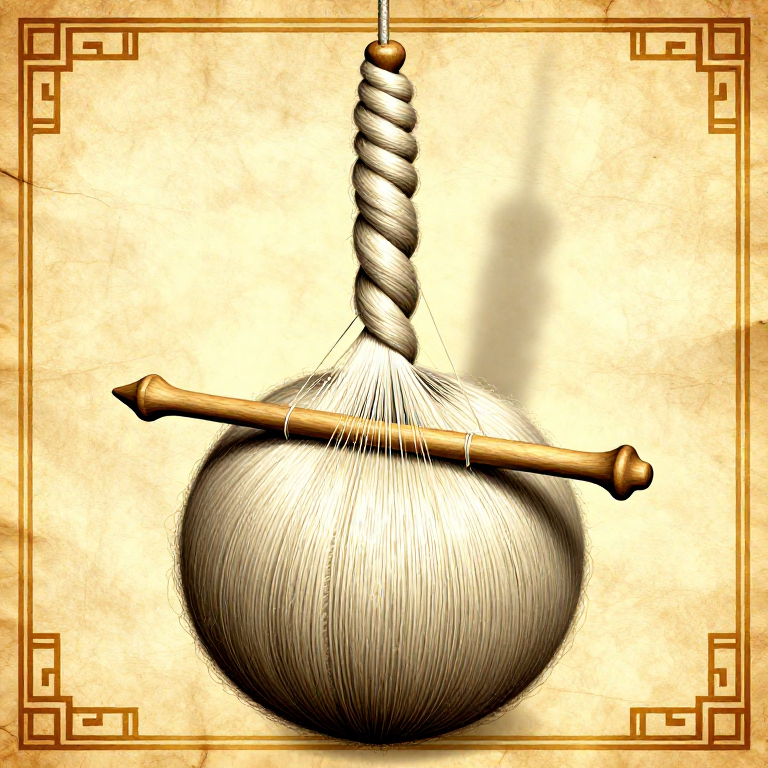
Vicuña is the finest fiber in the world — draw only 3-5 cm at a time. Apply much more twist than for alpaca or sheep. High twist is essential to give strength to such fine yarn. The resulting yarn will be almost like sewing thread.
Maintaining Constant Tension
Maintaining Constant Tension
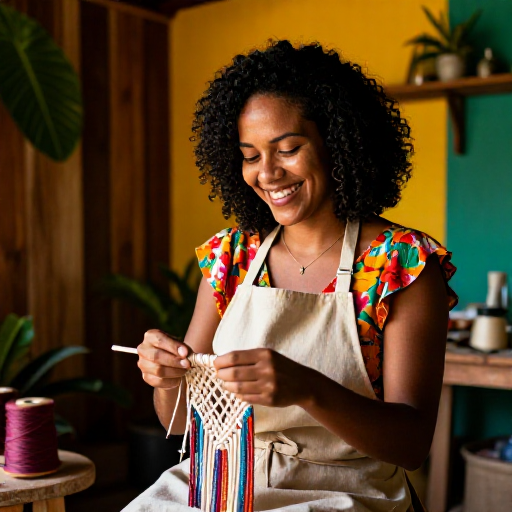
The key to spinning vicuña is maintaining constant tension between your hands and the spindle. Any variation creates weak points in the yarn. This requires practice — spinning vicuña is considered the highest level of hand spinning art.
Spinning the Entire Lot
Spinning the Entire Lot
Continue spinning all the rolags. Remember: every gram of fiber represents a rare and precious resource. Minimize waste. Traditional Andean spinners don't lose a single fiber.
Plying Two Yarns
Plying Two Yarns
Ply two single yarns together in the opposite direction. Vicuña plied yarn will be fine but surprisingly strong. The double twist also softens the surface, enhancing the natural silky sheen.
Setting the Twist
Setting the Twist
Soak the plied yarn in warm water (25°C) for 15 minutes. Remove carefully, squeeze between open palms and hang with minimal weight to dry.
Materiais para este passo:
Água2 litrosWinding into Skein
Winding into Skein
Wind the dry yarn into a small skein. An entire vicuña fleece (200-300 g) produces perhaps 150-200 g of finished yarn — enough for a small scarf.
Appreciating the Result
Appreciating the Result
Hand-spun vicuña yarn is one of the most precious textile materials in the world. It is warmer than cashmere, softer than silk, and represents an artisanal tradition with more than 5,000 years of Andean history.
Conservation and Respect
Conservation and Respect
The vicuña almost went extinct in the 20th century — from 2 million in Inca times to just 6,000 in 1974. Thanks to CITES protection and the return of community chaccu, the population recovered to more than 350,000. Every strand of vicuña yarn carries this story of near-extinction and rebirth.
Ferramentas necessárias
2- Referência
- Referência
Este projeto faz
CC0 Domínio Público
Este blueprint é liberado sob CC0. Você é livre para copiar, modificar, distribuir e usar este trabalho para qualquer finalidade, sem pedir permissão.
Apoie o Maker comprando produtos através do Blueprint, onde ele ganha uma Comissão Maker definida pelos vendedores, ou crie uma nova versão deste Blueprint e inclua-o como conexão no seu próprio Blueprint para compartilhar receita.