ARTE
BELEZA E BEM-ESTAR
ARTESANATO
CULTURA E HISTÓRIA
ENTRETENIMENTO
MEIO AMBIENTE
COMIDA E BEBIDAS
ENGENHARIA REVERSA
CIÊNCIAS
ESPORTES
TECNOLOGIA
TECNOLOGIA VESTÍVEL
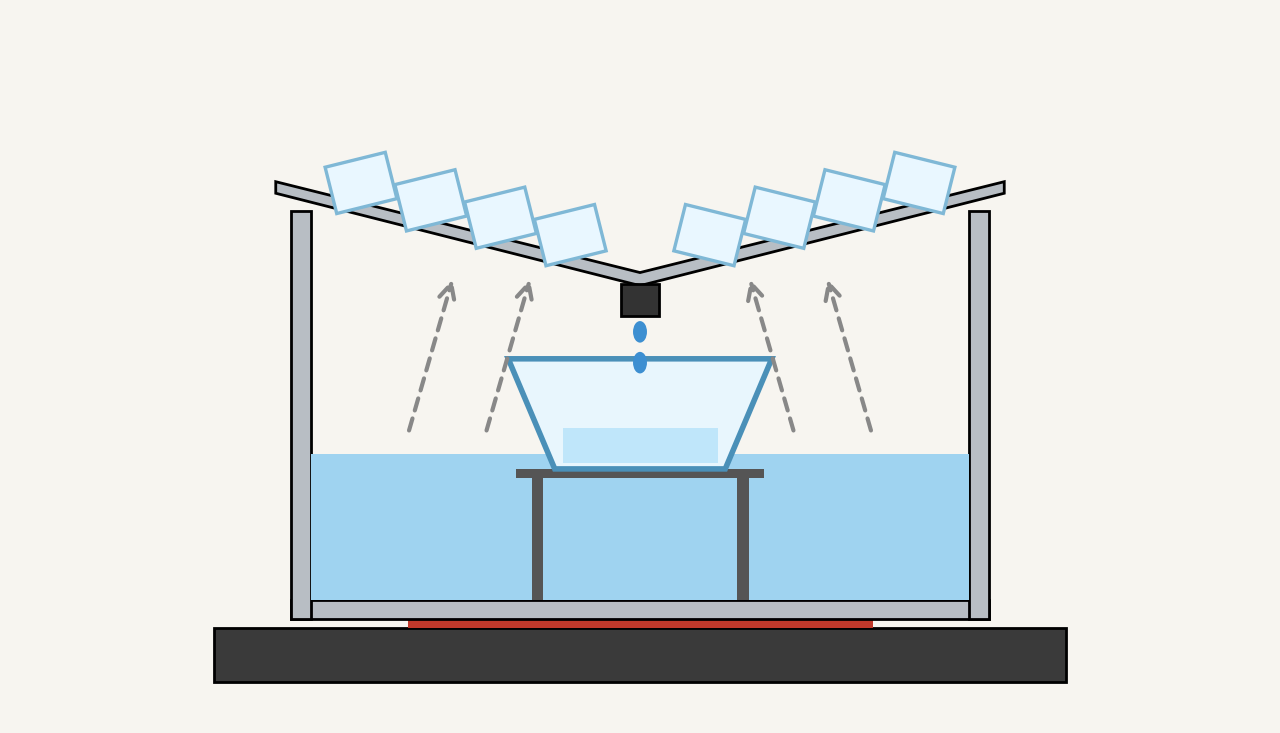


Distilled Water on the Stovetop
Boil tap water in a covered pot and catch the steam that condenses on the cold, upturned lid. The steam leaves the dissolved salts and minerals behind, so the drops that fall into a bowl in the middle are distilled water: for steam irons, lead-acid batteries, chemistry, humidifiers and topping up anything that must not scale.
It is slow and uses a lot of energy for little water. The notebook shows why, and how to measure your own stove.
Iniciante
About 2 hours
Instruções
1
1
Why it takes so much energy
Why it takes so much energy
A carregar o notebook Jupyter…
2
2
Set up the pot
Set up the pot
Stand a trivet in the stockpot and a glass bowl on it. Pour tap water around the bowl to about 5 cm below the bowl's rim, about 4 litres; none may splash into the bowl.
Materiais para este passo:
 Água4 litros
Ferramentas necessárias:
 Panela alta
 Base para panelas
 Taça de vidro
3
3
Turn the lid over
Turn the lid over
Put the lid on upside down, handle down, so it slopes to its centre over the bowl. Steam will condense on its underside and run to the handle and drip into the bowl.
Ferramentas necessárias:
Panela alta4
4
Simmer
Simmer
Heat until the water simmers, then turn down so it keeps a gentle simmer. A hard boil throws spray into the bowl. Start the stopwatch at the first drip.
Ferramentas necessárias:
 Placa de aquecimento
 Cronómetro
5
5
Ice on the lid
Ice on the lid
Fill the upturned lid with ice. The colder lid condenses more steam. When the ice has melted, ladle the meltwater off with oven gloves on and add fresh ice.
Materiais para este passo:
 Cubos de gelo1 kg
Ferramentas necessárias:
 Concha de servir
 Luvas resistentes ao calor
6
6
Stop before it runs dry
Stop before it runs dry
Stop while at least 3 cm of water is left in the pot: what stays behind holds all the salts. Turn off the heat, let it cool 10 minutes, and lift the lid away from you; steam scalds.
Ferramentas necessárias:
Luvas resistentes ao calor7
7
Weigh and test
Weigh and test
Weigh the distillate and note the time. Read a sample of the tap water and of the distillate with a TDS meter: the distillate should read far lower. Enter your numbers in the notebook.
Ferramentas necessárias:
 Balança digital de cozinhaCronómetro
 Medidor de TDS
8
8
Store it
Store it
Pour it into a clean glass jar with a lid and label it. Throw away the water left in the pot.
Ferramentas necessárias:
 Frascos de vidro com tampa
9
9
Troubleshooting
Troubleshooting
Stovetop distillation troubleshooting.
Flow
Loading...
10
10
What it removes, and what it does not
What it removes, and what it does not
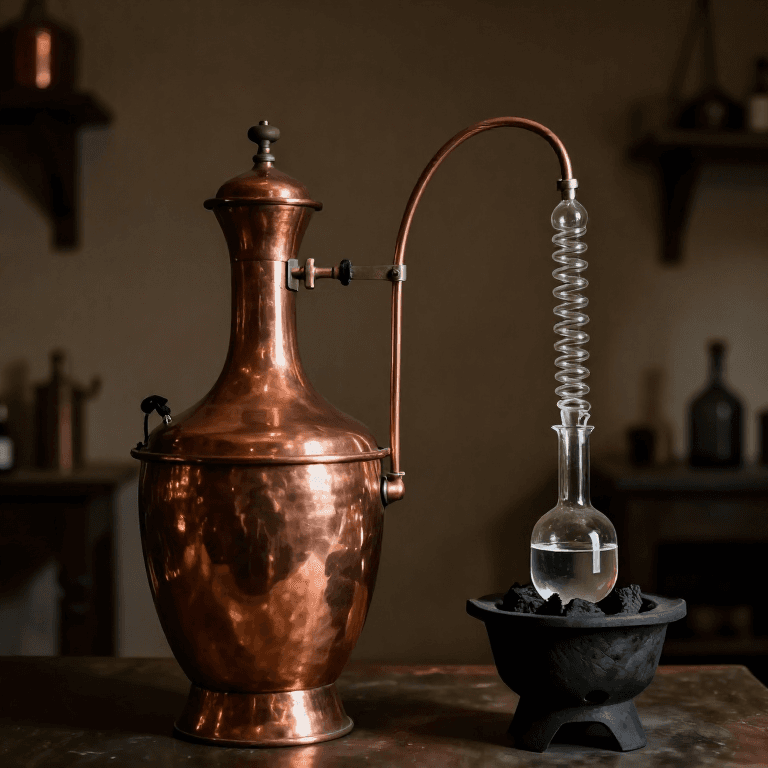
Distillation leaves dissolved salts, minerals and most dirt behind in the pot. Substances that boil at or below water's boiling point can travel with the steam, so it is not a guaranteed way to remove solvents or fuels from contaminated water. Laboratory stills use the same principle with a water-cooled condenser, which is faster and uses less ice.
Ferramentas necessárias
10- Referência
- Referência
- Referência
- Referência
- Referência
- Referência
- Referência
- Referência
- Referência
- Referência
Este projeto faz
Blueprints relacionados
Estes blueprints compartilham conhecimento — técnicas, materiais ou princípios


CC0 Domínio Público
Este blueprint é liberado sob CC0. Você é livre para copiar, modificar, distribuir e usar este trabalho para qualquer finalidade, sem pedir permissão.
Apoie o Maker comprando produtos através do Blueprint, onde ele ganha uma Comissão Maker definida pelos vendedores, ou crie uma nova versão deste Blueprint e inclua-o como conexão no seu próprio Blueprint para compartilhar receita.