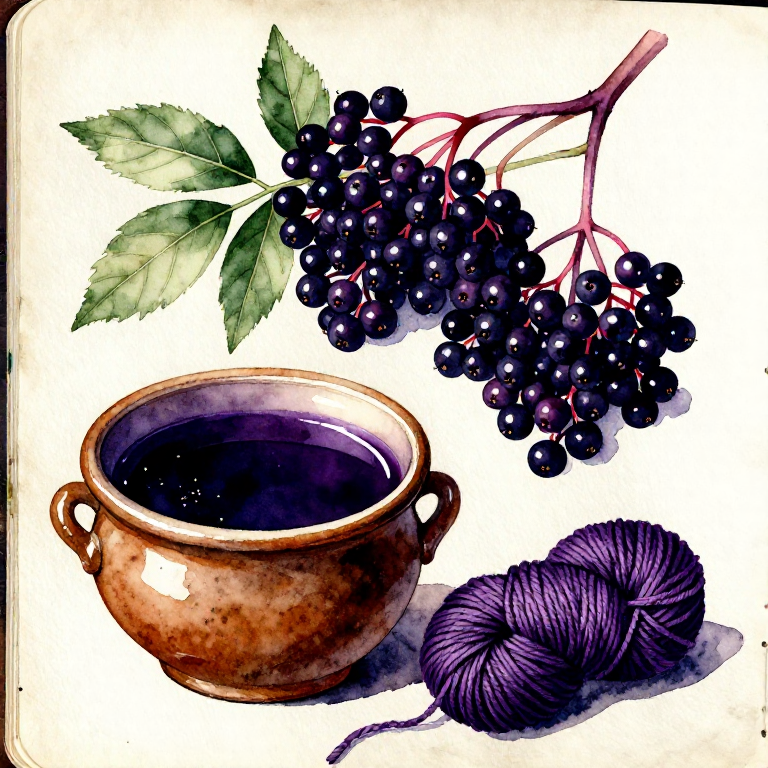

Tingir com bagas de sabugueiro — o roxo fugaz da sebe
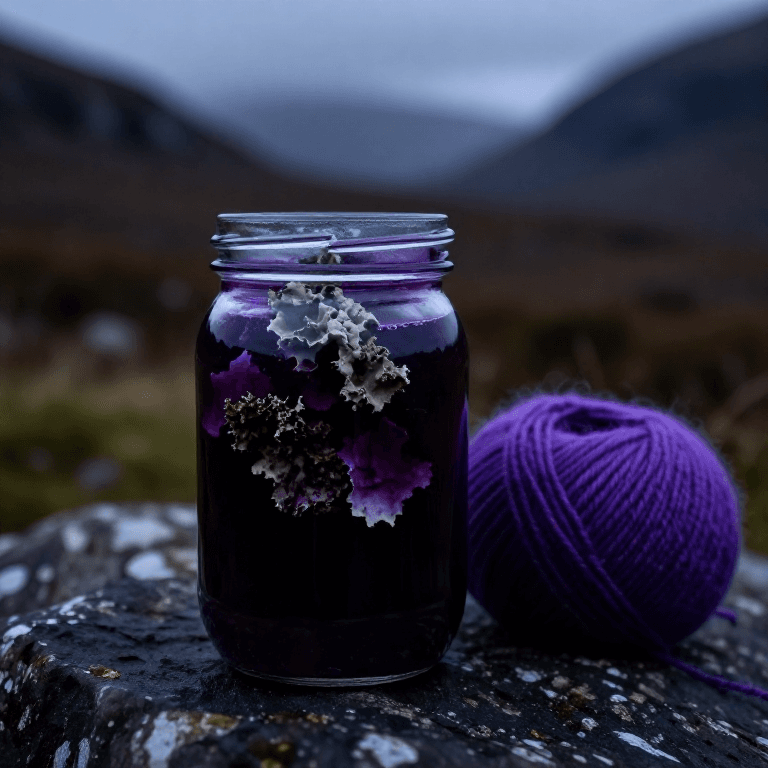
As bagas de sabugueiro (Sambucus nigra) dão um dos banhos de tinta roxa mais vivos da natureza: um violeta profundo, cor de tinta, espetacular na panela. As bagas são gratuitas e abundam nas sebes da Europa (na América do Norte cresce espontaneamente o sabugueiro-americano, Sambucus canadensis, uma espécie aparentada), e a cor é imediata e intensa. Mas o sabugueiro guarda um segredo que todo o tintureiro natural tem de aprender: é uma tinta fugaz. Os pigmentos antocianos que dão ao sumo de sabugueiro um roxo tão espetacular são instáveis por natureza: desbotam depressa com a luz e saem com as lavagens ao longo do tempo, seja qual for o mordente.
Por isso o sabugueiro é uma das tintas didáticas mais importantes das artes têxteis. Demonstra um princípio fundamental: nem todas as cores vivas são cores permanentes. Um tintureiro principiante que salte o sabugueiro acabará por perder tempo e fibra a perseguir pigmentos instáveis sem perceber porquê. O sabugueiro ensina a diferença entre uma tinta sólida à luz, que fica na fibra, e uma cor fugaz, que desbota à luz e sai com a lavagem. A lição vale bem uma meada de lã.
Apesar da fraca solidez à luz, a cor do sabugueiro não é inútil: o sumo de sabugueiro é hoje um corante alimentar natural autorizado (por exemplo, nos Estados Unidos e no Japão). Na fibra, com mordente de alúmen, dá um roxo esbatido. A cor é bonita enquanto dura e aguenta muito mais em objetos guardados longe da luz: saquinhos, forros, peças expostas à sombra.
Instruções
Apanhe e pese as bagas de sabugueiro
Apanhe e pese as bagas de sabugueiro
Use 200-300% do peso da fibra (WOF) em bagas frescas, ou 100% em bagas secas. Para 100 g de lã, apanhe 200-300 g de bagas frescas e maduras ou 100 g de bagas secas. As bagas têm de estar completamente maduras, de um roxo quase negro, nem vermelhas nem verdes. As bagas verdes têm menos antocianinas e dão uma cor mais fraca e baça. Separe as bagas dos pés passando um garfo pelos cachos e retire o máximo de pé que conseguir: à exceção das flores e das bagas maduras, todas as partes do sabugueiro, incluindo caules, folhas e sementes, contêm um glicósido cianogénico e são venenosas cruas. Não coma nada do banho de tinta e use uma panela e utensílios reservados só para tingir. O sumo também mancha muito as mãos, por isso use luvas.
Materiais para este passo:
 Bagas de sabugueiro (secas)100 g
Ferramentas necessárias:
 Balança digital de cozinha
 Luvas de borracha
Aqueça as bagas para extrair a tinta
Aqueça as bagas para extrair a tinta
Ponha as bagas na panela de tingir com cerca de 4 litros de água. Aqueça a cerca de 80 °C, abaixo da fervura branda, e mantenha 45 minutos, esmagando as bagas de vez em quando com a colher para libertar mais sumo. O líquido ficará de um roxo intenso e opaco: um dos banhos mais espetaculares da tinturaria natural. Não deixe ferver com força: o calor alto degrada as antocianinas e desvia a cor para um castanho turvo.
Ferramentas necessárias:
 Panela alta
 Colher de pau para mexer
Coe a polpa das bagas
Coe a polpa das bagas
Coe o banho por um passador de rede fina para uma panela limpa, espremendo a polpa para tirar todo o líquido roxo. O banho coado deve ser de um roxo profundo e vivo, quase negro de tão concentrado. Deite fora ou composte a polpa gasta. A cor deste banho é enganadoramente bela: parece capaz de dar um roxo permanente, e é exatamente essa a lição que o sabugueiro ensina.
Ferramentas necessárias:
 Peneira de malha fina
Junte a lã mordentada com alúmen e tinja a 80 °C durante 45 minutos
Junte a lã mordentada com alúmen e tinja a 80 °C durante 45 minutos
Deixe o banho coado arrefecer até à temperatura ambiente. Molhe previamente a lã mordentada com alúmen, esprema o excesso e mergulhe-a no banho. Suba lentamente a 80 °C e mantenha 45 minutos, virando a cada 10 minutos. A lã vai absorver o roxo depressa. A meada sairá de um roxo-violeta rico e profundo, magnífico enquanto está molhada.
Materiais para este passo:
 Meada de lã100 g
 Alúmen (alúmen de potássio)10 g
Ferramentas necessárias:
 Termómetro de cozinha
Arrefeça, enxague e observe a cor inicial
Arrefeça, enxague e observe a cor inicial
Deixe a lã arrefecer no banho durante a noite; depois retire-a e enxague em água morna. A água do enxaguamento sairá roxa: sai mais cor do que com tintas de mordente bem fixadas como a garança ou a cochonilha, e esse é o primeiro sinal da natureza fugaz do sabugueiro. A lã seca ficará de um lilás-roxo suave, mais clara do que seria de esperar de um banho tão escuro. Estenda à sombra para secar.
Teste a solidez à luz — a lição das tintas fugazes
Teste a solidez à luz — a lição das tintas fugazes
Corte a meada seca ao meio. Guarde uma metade numa gaveta escura. Prenda a outra metade na sua janela mais soalheira. Compare as duas amostras lado a lado ao fim de duas semanas e de novo ao fim de um mês. A amostra da janela vai desbotar, do roxo para tons cinzentos ou acastanhados, e a diferença aumenta quanto mais tempo fica pendurada. É esta a lição central: as antocianinas do sabugueiro são sensíveis ao pH, sensíveis à luz e fracamente ligadas. Nenhum mordente as torna sólidas à luz: a própria molécula do pigmento é instável. Perceber este princípio poupa o tintureiro de desperdiçar fibra cara noutras tintas fugazes (amora fresca, couve-roxa, beterraba) que dão cores vivas mas passageiras.
Materiais
3- Referência
- 100 gReferência
- Referência
Ferramentas necessárias
6- Referência
- Referência
- Referência
- Referência
- Referência
- Referência
Materiais de Blueprints conectados
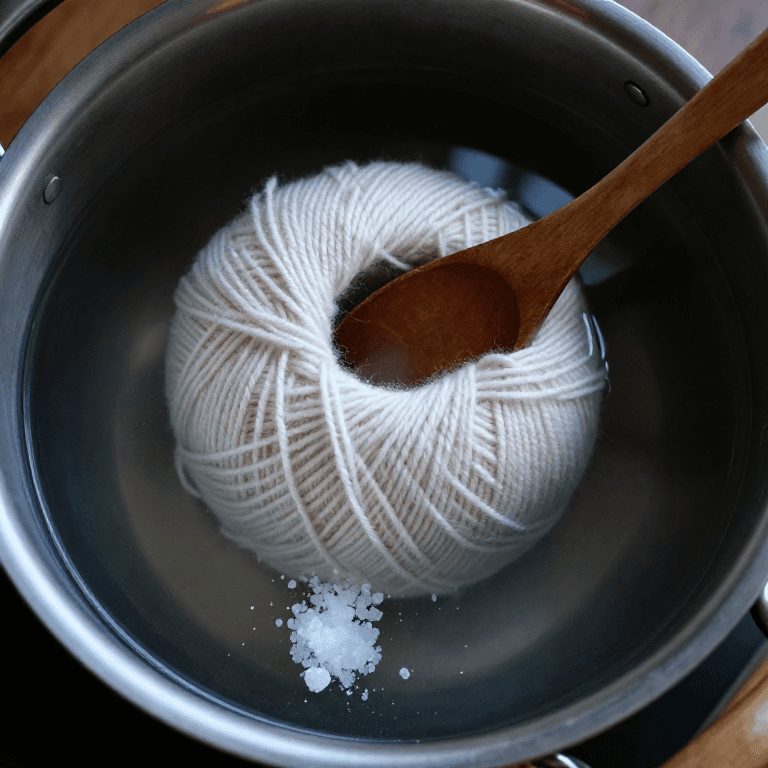
Mordanting Wool with Alum — The Foundation of Natural Dyeing
por Tex
Têxtil e Couro
Dyeing Purple-Grey with Blackberries — The Hedgerow Dye of Prehistoric Europe
por Tex
Têxtil e Couro
Dyeing Blue-Purple with Hollyhock — The Cottage Garden Dye of the Ancient World
por Tex
Têxtil e Couro
Blueprints relacionados
Estes blueprints compartilham conhecimento — técnicas, materiais ou princípios
CC0 Domínio Público
Este blueprint é liberado sob CC0. Você é livre para copiar, modificar, distribuir e usar este trabalho para qualquer finalidade, sem pedir permissão.
Apoie o Maker comprando produtos através do Blueprint, onde ele ganha uma Comissão Maker definida pelos vendedores, ou crie uma nova versão deste Blueprint e inclua-o como conexão no seu próprio Blueprint para compartilhar receita.