ARTE
BELEZA E BEM-ESTAR
ARTESANATO
CULTURA E HISTÓRIA
ENTRETENIMENTO
MEIO AMBIENTE
COMIDA E BEBIDAS
ENGENHARIA REVERSA
CIÊNCIAS
ESPORTES
TECNOLOGIA
TECNOLOGIA VESTÍVEL
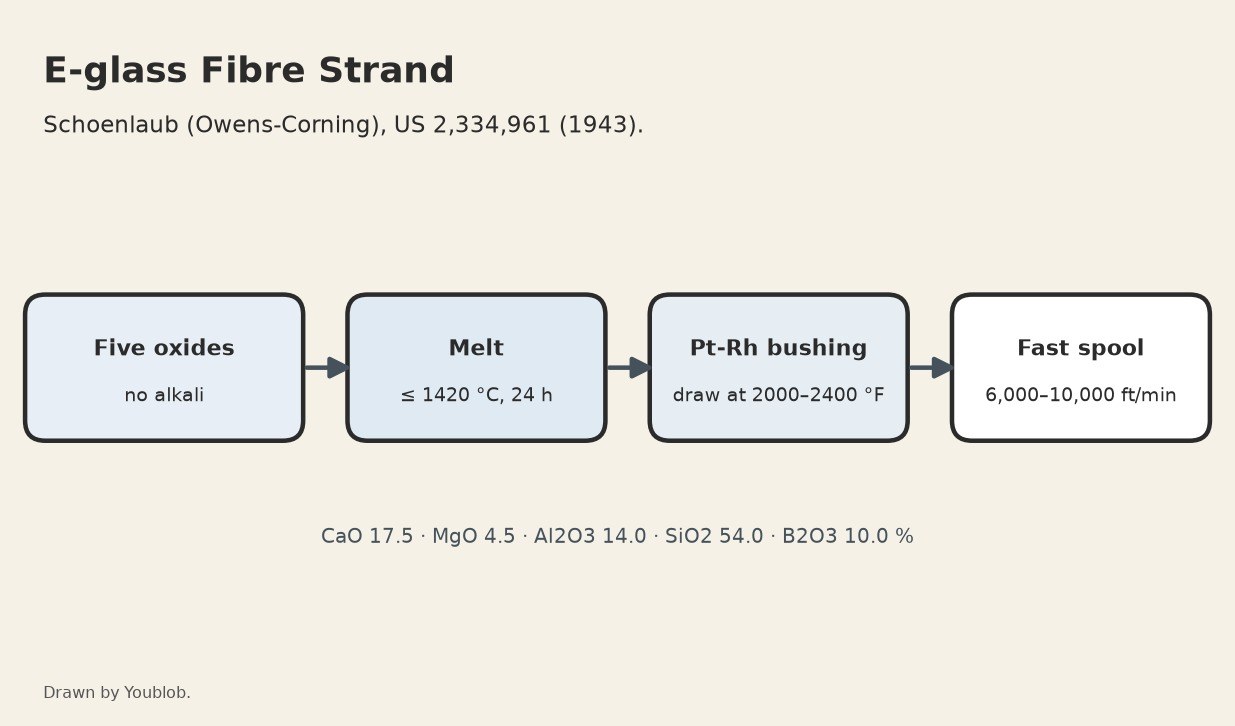


E-glass Fibre Strand: Alkali-Free Lime-Alumina-Borosilicate Glass Drawn to Filament
Fibre from ordinary glass carries alkali on its huge surface; it takes up water from the air and slowly destroys itself, and it conducts electricity. Schoenlaub's Owens-Corning glass (US 2,334,961, 1943) has no alkali at all: lime, magnesia, alumina and silica fluxed with boric oxide. It was made to be drawn into fibres for insulation and textiles. It is melted at up to 1420 °C and drawn into continuous filaments on a fast spool.
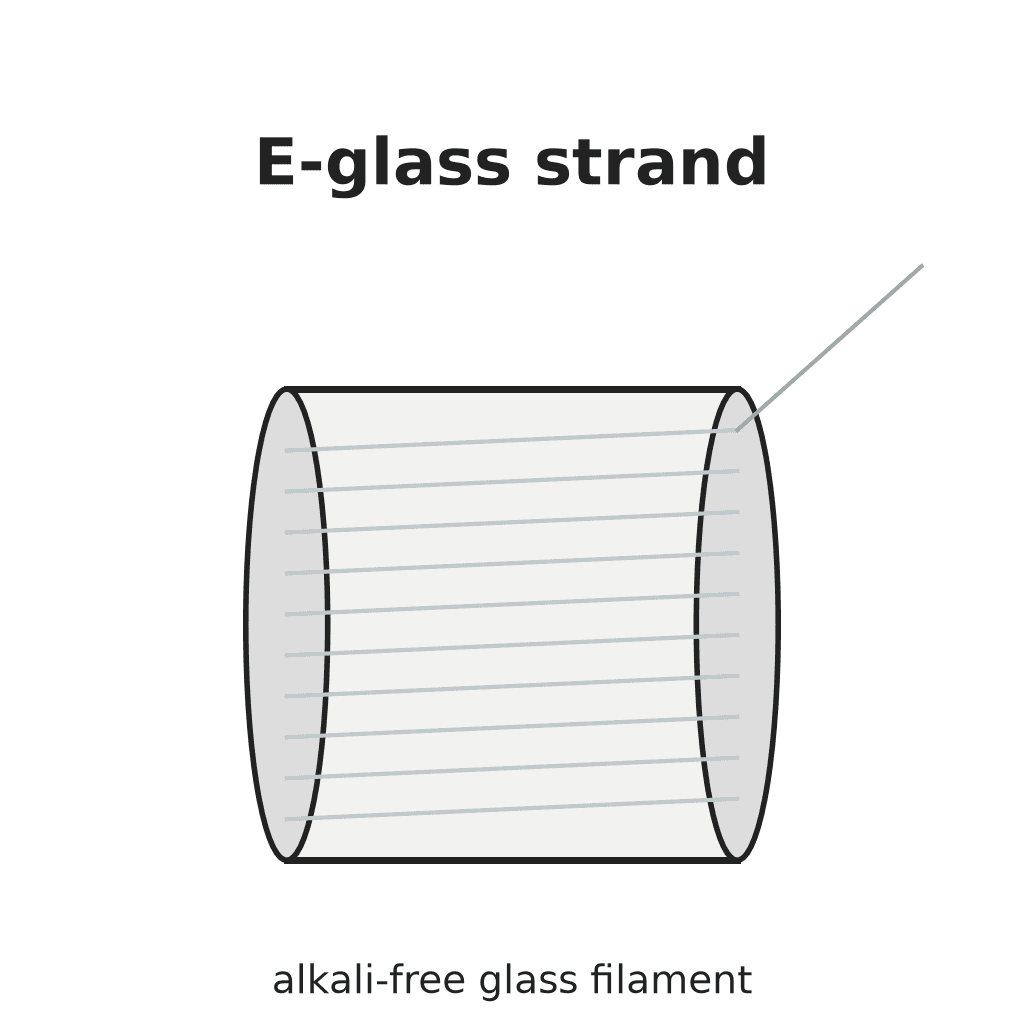
The picture: our diagram.
Avançado
2 days
Instruções
1
1
Weigh out the batch
Weigh out the batch
The patent's example glass: lime (CaO) 17.5 %, magnesia (MgO) 4.5 %, alumina 14.0 %, silica 54.0 %, boric oxide 10.0 %. Ours: weigh those five oxides in those proportions and mix them. Keep within the patent's limits; small changes make this glass devitrify.
Materiais para este passo:
 Cal viva17.5 parts
 Óxido de magnésio4.5 parts
 Pó de alumina (óxido de alumínio)14 parts
 Areia de quartzo54 parts
 Óxido bórico10 parts
Ferramentas necessárias:
 Balança de pratos
 Óculos de segurança
2
2
Melt at no more than 1420 °C
Melt at no more than 1420 °C
Melt the batch in a glass tank furnace without going above 1420 °C; the patent's day tanks ran on a 24-hour cycle.
Ferramentas necessárias:
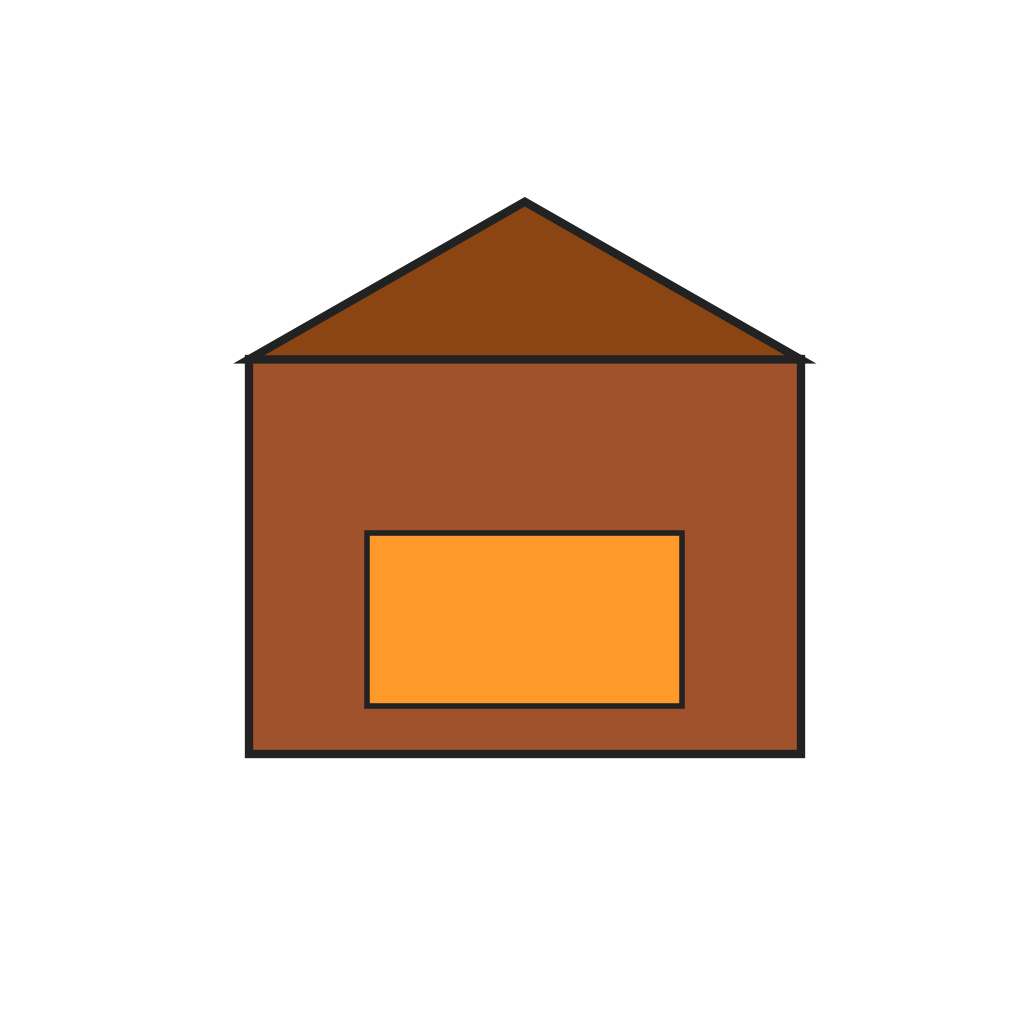 Forno de fusão de vidro
 Pirómetro
 Luvas resistentes ao calorÓculos de segurança
3
3
Feed the platinum bushing
Feed the platinum bushing
Draw from a platinum-rhodium bushing like Slayter and Thomas's, heated by an adjustable current. The drawing range of this glass is about 2000–2400 °F (1090–1320 °C). A blower below the nozzles sets each filament.
Ferramentas necessárias:
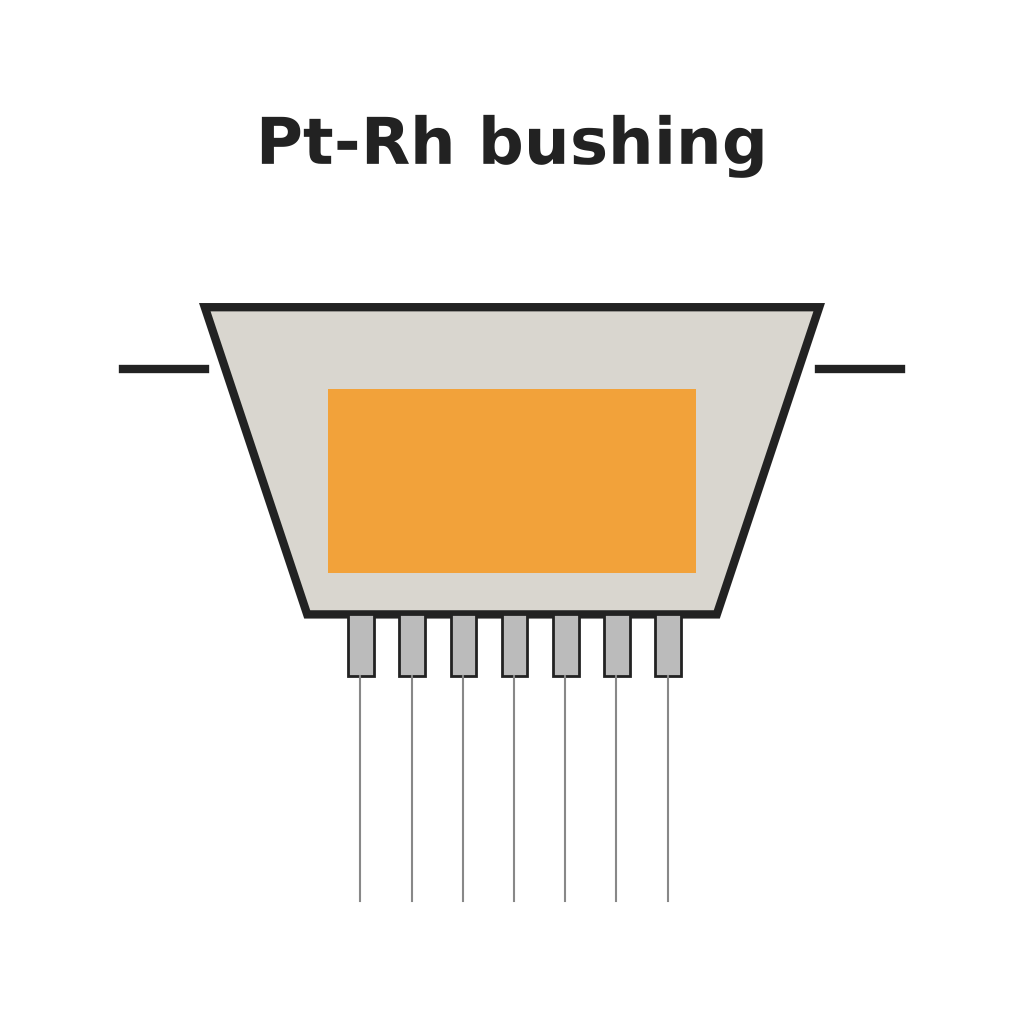 Fieira de Platina-Ródio
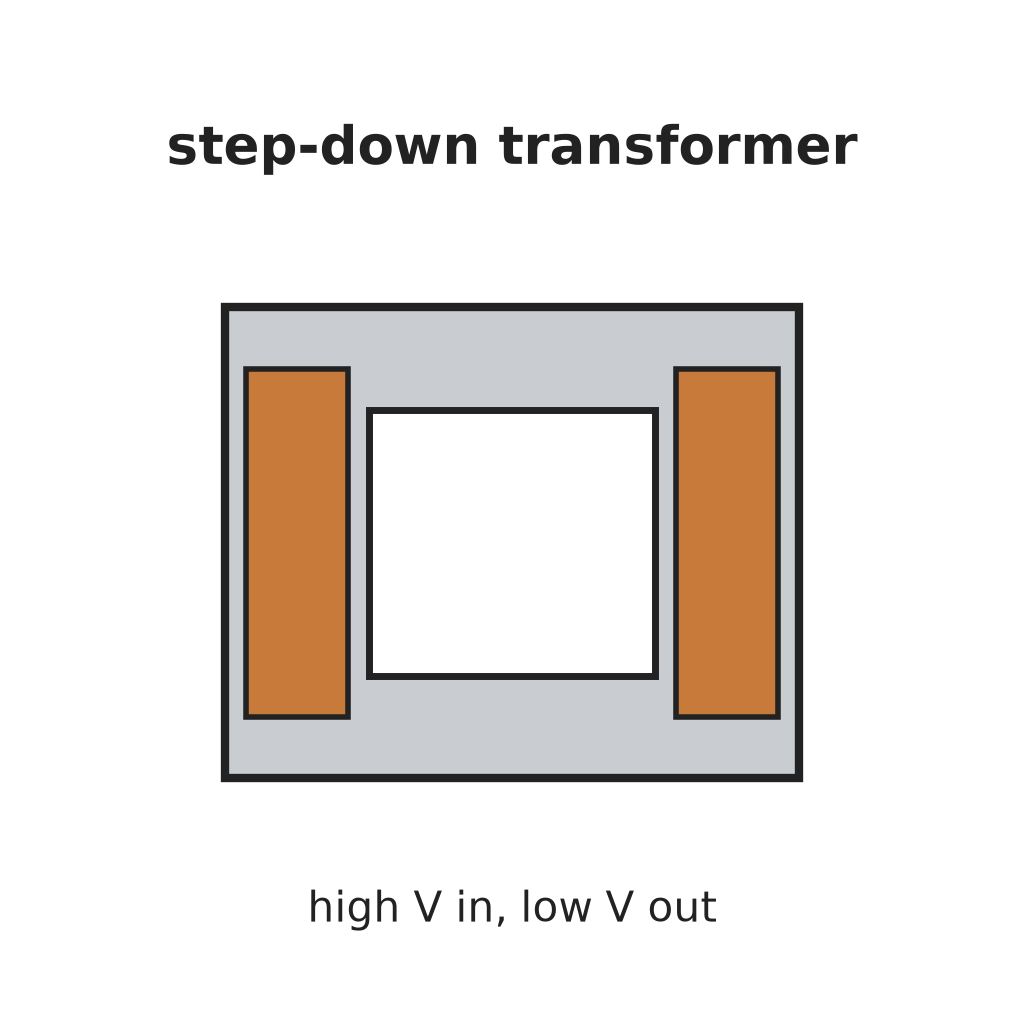 Transformador AbaixadorPirómetro
 Soprador de arLuvas resistentes ao calor
4
4
Wind on a fast spool
Wind on a fast spool
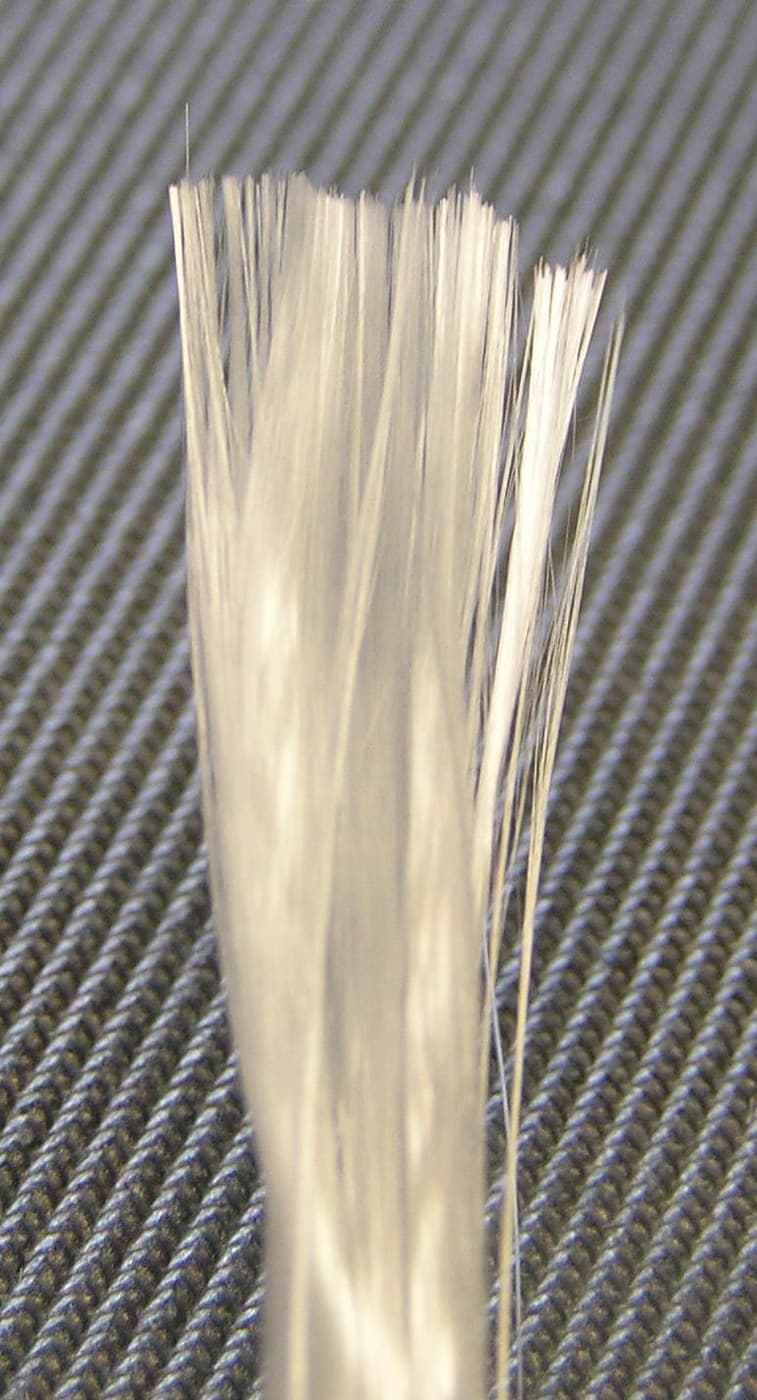
Gather the filaments into a strand and wind it on a spool running as fast as 6,000–10,000 ft per minute (30–50 m/s). Filaments come out about .0001–.0003 in (2.5–7.6 µm) thick. The strand can then be twisted and plied into yarn.
Ferramentas necessárias:
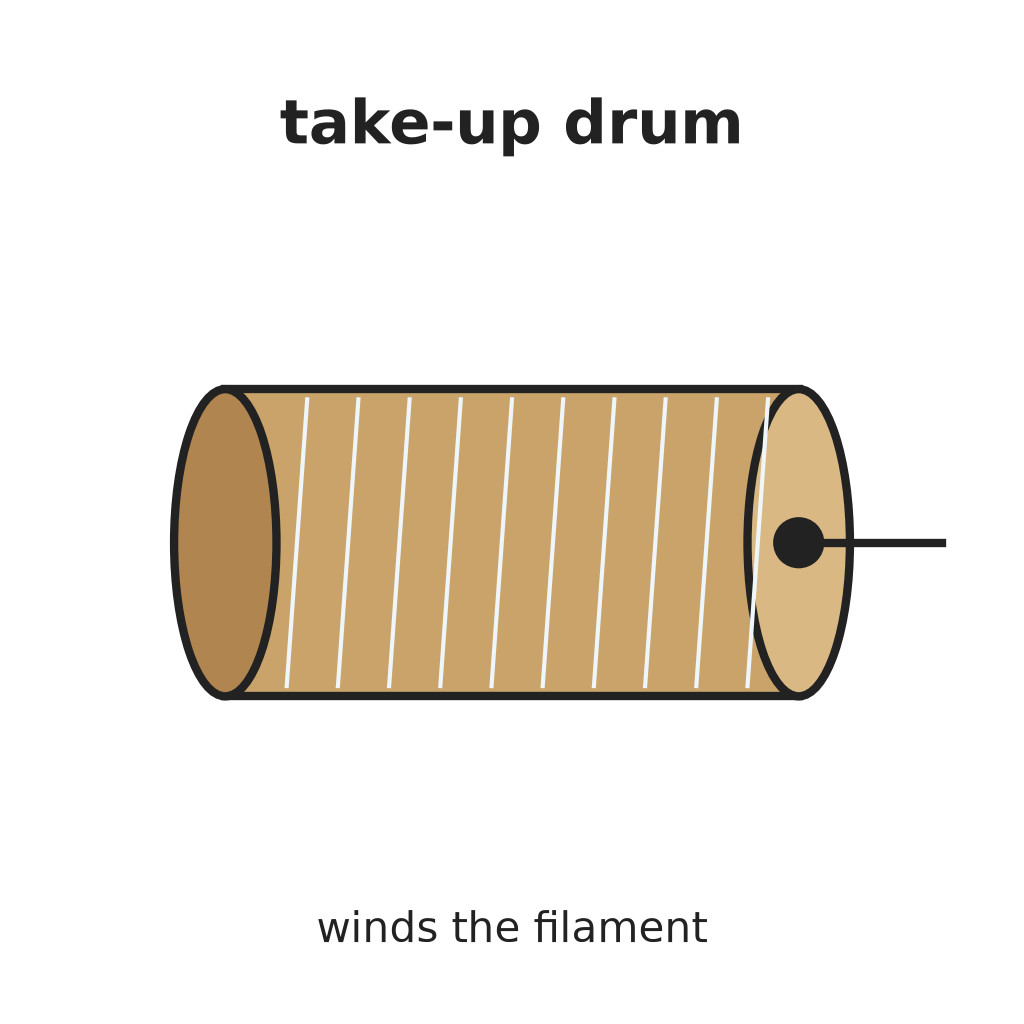 Tambor de recolhimento
Materiais
5- 17.5 partsReferência
- 4.5 partsReferência
- Referência
- 54 partsReferência
- 10 partsReferência
Ferramentas necessárias
9- Referência
- Referência
- Referência
- Referência
- Referência
- Referência
- Referência
- Referência
- Referência
Este projeto faz
Blueprints relacionados
Estes blueprints compartilham conhecimento — técnicas, materiais ou princípios
CC0 Domínio Público
Este blueprint é liberado sob CC0. Você é livre para copiar, modificar, distribuir e usar este trabalho para qualquer finalidade, sem pedir permissão.
Apoie o Maker comprando produtos através do Blueprint, onde ele ganha uma Comissão Maker definida pelos vendedores, ou crie uma nova versão deste Blueprint e inclua-o como conexão no seu próprio Blueprint para compartilhar receita.