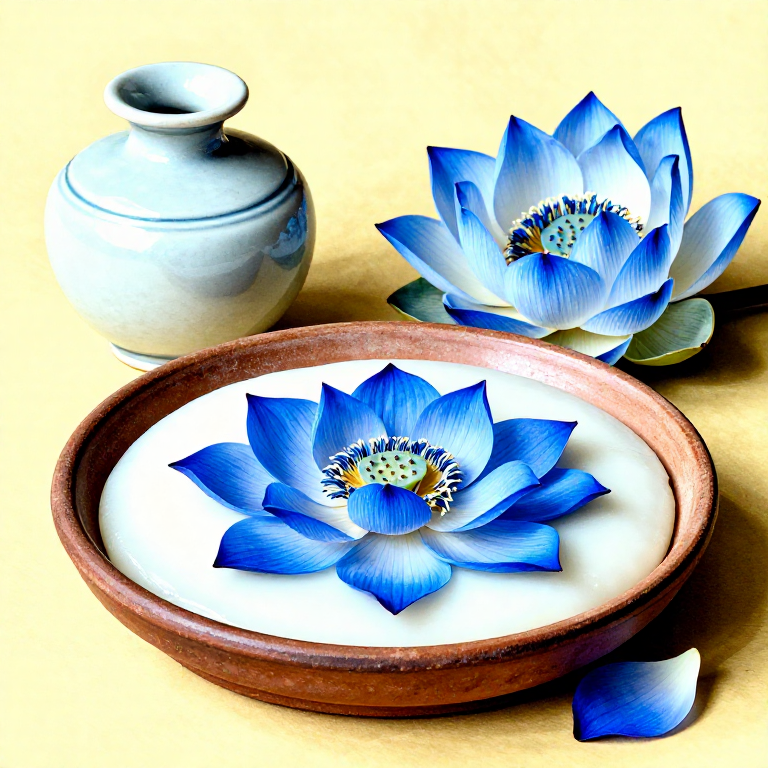


Egyptian Lotus Perfume — Extracting Lotus Perfume by Enfleurage
Instruções
Prepare the Fat Medium
Prepare the Fat Medium
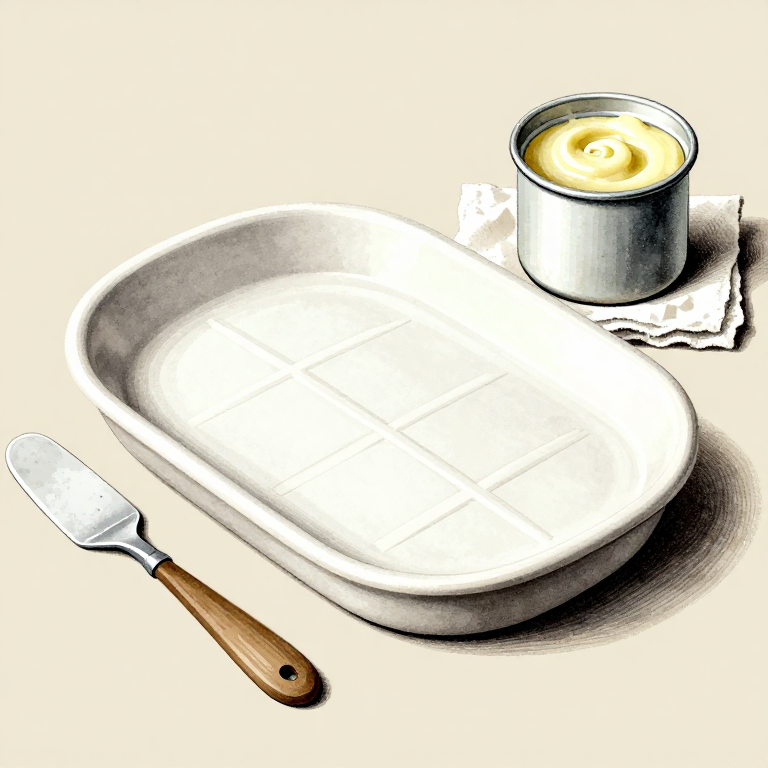
Render beef tallow or lard by slowly heating raw fat with water to separate impurities, strain through fine cloth and allow to solidify. Repeat purification 2-3 times until the fat is white and completely odorless. Spread the purified fat approximately 1 cm thick across shallow ceramic trays. Score the surface in a crosshatch pattern to increase surface area for fragrance absorption. Ancient Egyptian perfumers, depicted in scenes at the tombs of Petosiris and at the temple of Edfu, used ox fat and various flowers including lotus, lily, and herbs. The fat must be completely neutral in scent or it will contaminate the floral fragrance.
Materiais para este passo:
 Flores de lótus200-500 g fresh petals g
 Gordura animal (sebo)500 g g
 Azeite de bagaço200 ml ml
Ferramentas necessárias:
 Tabuleiros de cerâmica pouco fundos
 Musselina fina
 Recipientes de armazenamento hermeticamente fechados
 Espátula
Layer Fresh Flower Petals on the Fat
Layer Fresh Flower Petals on the Fat
Carefully place fresh, dry blue lotus petals in a single layer directly on the scored fat, pressing gently for full contact. The fat-soluble aromatic compounds in petals are gradually absorbed into the fat through direct contact — this is enfleurage. Cover the tray with a lid or inverted tray to trap volatile fragrance. Place in a cool location. The blue lotus (Nymphaea caerulea) was the most sacred flower of ancient Egypt, associated with creation and rebirth. Its fragrance is sweet, musky, and slightly narcotic, containing aporphine alkaloids including nuciferine and apomorphine.
Replace Petals Repeatedly Over Several Days
Replace Petals Repeatedly Over Several Days
After 24-48 hours, the petals will have wilted and released most fragrance into the fat. Remove spent petals with a spatula and replace with a fresh batch. This recharging cycle is repeated 10-30 times over 2-4 weeks, each batch adding more fragrance. Fat has remarkable capacity to absorb and retain volatile aromatics. After many rechargings, the fat becomes heavily saturated with fragrance. This slow, labor-intensive process is why ancient Egyptian perfumes were luxury goods reserved for royalty, priests, and the wealthy. The process requires patience but produces an extraordinarily rich fragrance concentrate.
Extract the Fragrant Pomade
Extract the Fragrant Pomade
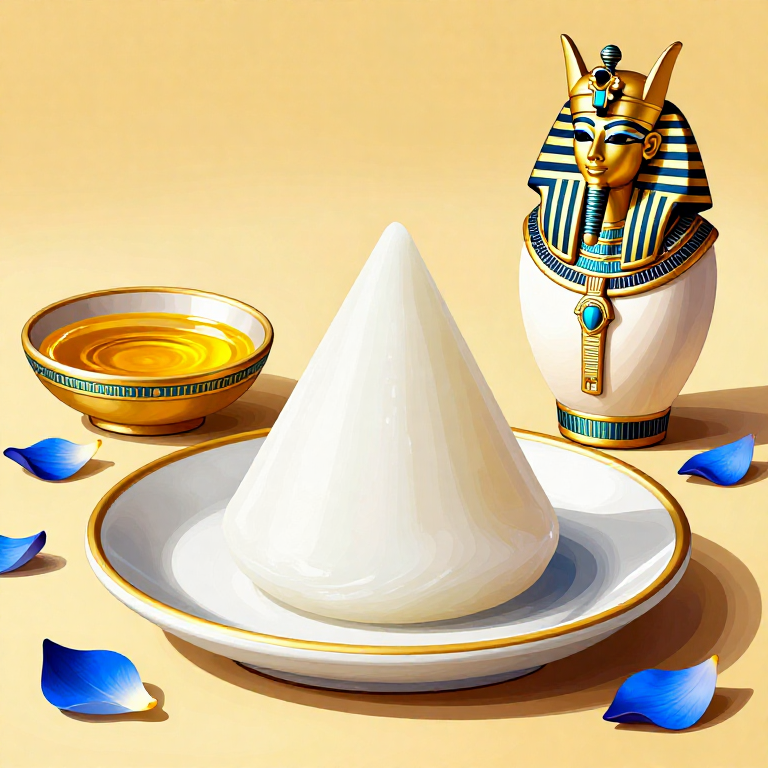
After the final recharging, remove spent petals and scrape the scented fat (pomade) into a clean container. The pomade can be used directly as solid perfume — ancient Egyptians shaped scented fat into cones placed on the head at banquets, where body heat gradually melted them, releasing fragrance over hair and clothing. This practice is depicted in numerous Theban tomb banquet scenes. Alternatively, mix pomade with warmed olive or sesame oil to create liquid perfumed oil. Stir pomade into warm oil until dissolved, then strain through fine linen to remove flower particles.
Store and Use the Perfume
Store and Use the Perfume
Store finished perfumed oil or solid pomade in sealed ceramic, stone, or glass vessels in a cool, dark location. Ancient Egyptian perfume vessels were often alabaster (calcite), which kept contents cool due to the stone's thermal properties. Apply perfumed oil to pulse points where body heat activates and disperses the fragrance. Fat-based perfumes are inherently long-lasting because fat releases aromatics slowly over hours, unlike modern alcohol-based perfumes. Egyptian perfumes were major trade commodities — the temple of Edfu contains detailed inscriptions listing recipes including the famous Kyphi, a complex blend of 16 ingredients. Well-made enfleurage perfume retains fragrance for months when properly stored.
Materiais
4- 200-500 g fresh petals gReferência
- 500 g gReferência
- 200 ml mlReferência
- 200-500 g fresh petals peçaReferência
Ferramentas necessárias
7- Referência
- Referência
- Referência
- Referência
- Referência
- Referência
CC0 Domínio Público
Este blueprint é liberado sob CC0. Você é livre para copiar, modificar, distribuir e usar este trabalho para qualquer finalidade, sem pedir permissão.
Apoie o Maker comprando produtos através do Blueprint, onde ele ganha uma Comissão Maker definida pelos vendedores, ou crie uma nova versão deste Blueprint e inclua-o como conexão no seu próprio Blueprint para compartilhar receita.