ARTE
BELEZA E BEM-ESTAR
ARTESANATO
CULTURA E HISTÓRIA
ENTRETENIMENTO
MEIO AMBIENTE
COMIDA E BEBIDAS
ENGENHARIA REVERSA
CIÊNCIAS
ESPORTES
TECNOLOGIA
TECNOLOGIA VESTÍVEL
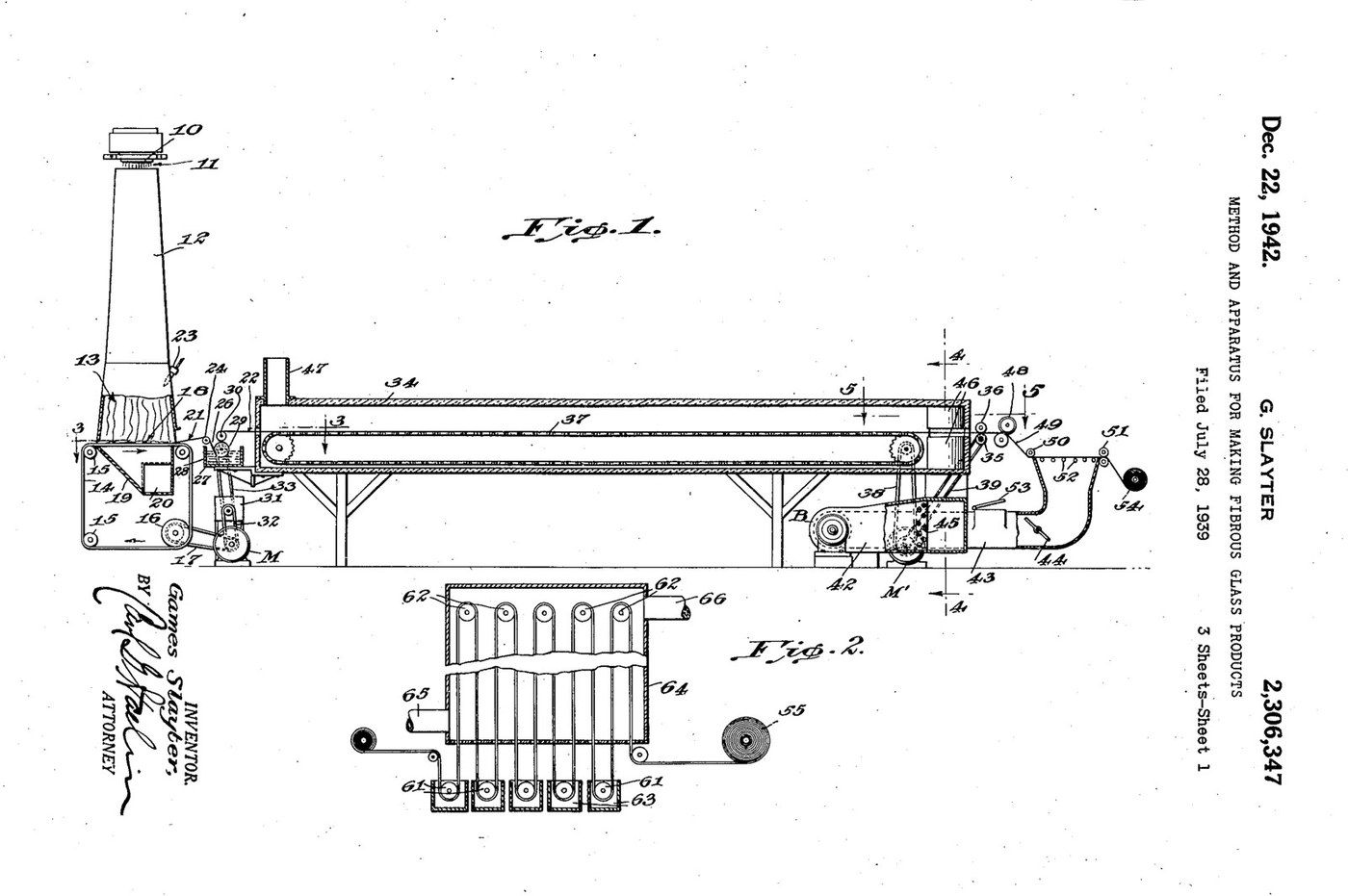


Glass Fibre Mat: Blown Glass Wool Drafted into a Bonded Sheet (Slayter 1942)
Blown glass wool lands on a moving screen as a loose, weak tangle. Slayter pulled a thin web off its front edge two to four times faster than the screen moves, so the fibres line up lengthwise but still cross each other, and then soaked and dried it in a binder. The result is a thin, even, strong glass sheet, used for insulation, filters and separators between battery plates.
Source: Games Slayter (Owens-Corning Fiberglas), US 2,306,347 (1942). Unknown: the glass and the binder. Slayter names neither the glass nor the binder's strength, so both are linked to unknown heads. Speeds and temperatures are not given either. Picture: the patent's Fig. 1.
Avançado
continuous
Instruções
1
1
Blow fibres from the bushing
Blow fibres from the bushing
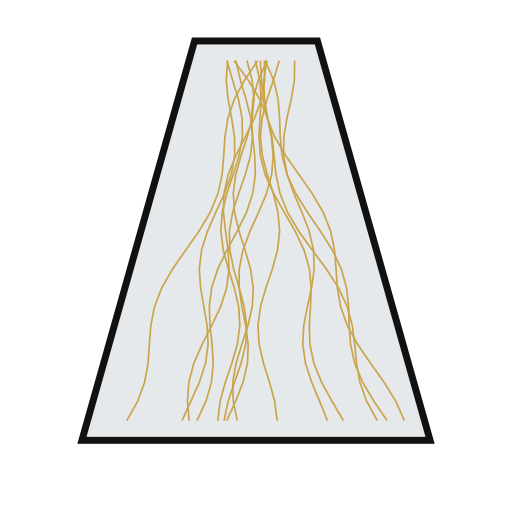
Let molten glass run in many streams from one or more electrically heated bushings. Gas blasts from jets around the streams draw them out into long, fine fibres, which set at once as they fall through a forming hood. Unknown: the glass, the bushing temperature and the blast. Slayter gives none of them.
Materiais para este passo:
 Vidro desconhecido1 as required
Ferramentas necessárias:
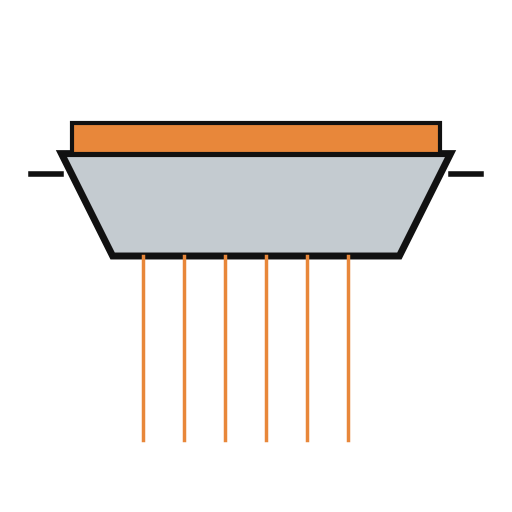 Fieira de fibra de vidro
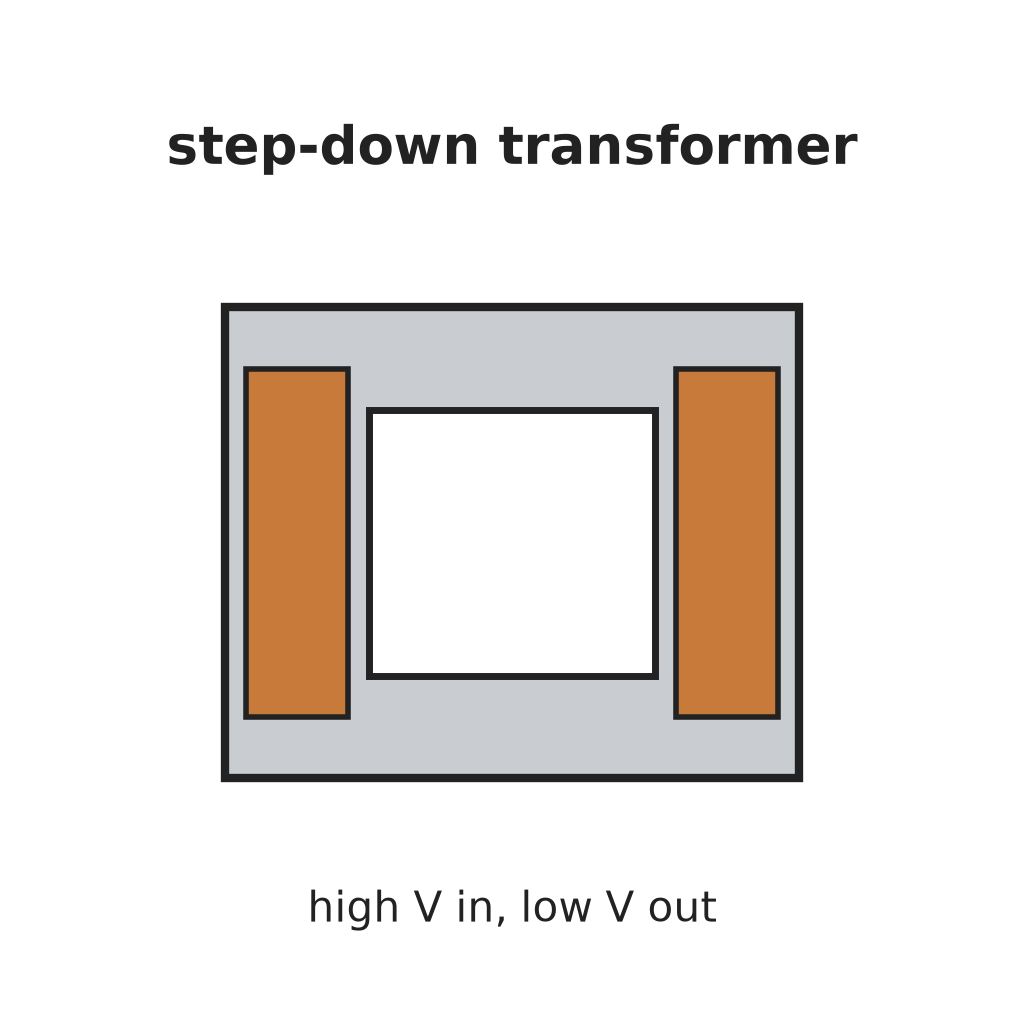 Transformador Abaixador
 Câmara de formação
 Luvas resistentes ao calor
 Óculos de segurança
2
2
Collect a mat on a moving screen
Collect a mat on a moving screen
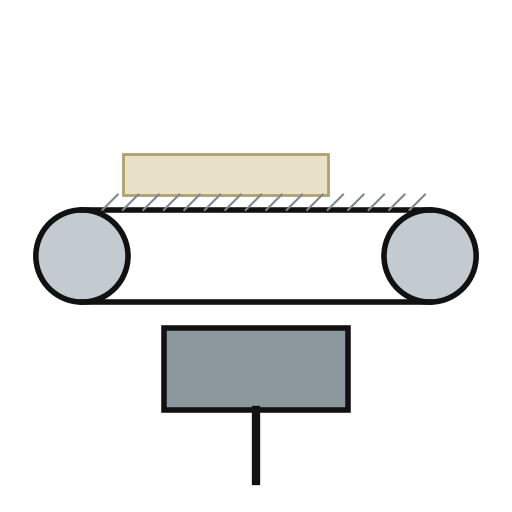
The fibres land on an endless wire screen running over rollers, with a suction box under it to draw off the blast and hold the fibres down. They pile up in every direction as a mat. If you like, spray a lubricant into the hood first (oil, soap, fatty acid, glycerin or graphite are named), so the fibres slide past each other when drafted.
Ferramentas necessárias:
 Transportador de tela
 Soprador de arCâmara de formação
3
3
Draft a web off the front edge
Draft a web off the front edge
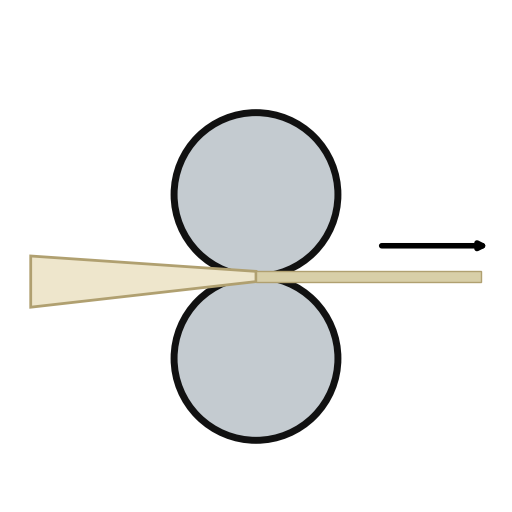
Pull a thin web from the front edge of the mat over an idler roller set slightly above the screen, faster than the screen moves. Slayter recommends a 3 to 1 draft for long fibres and 2 to 1 up to 4 to 1 in general. The fibres turn mostly lengthwise but stay crossed, which holds the sheet together across its width.
Ferramentas necessárias:
 Rolos de estiragemTransportador de tela
4
4
Soak it in binder between the drafting rolls
Soak it in binder between the drafting rolls
Lead the web down under the surface of a pool of binder solution and between the drafting pinch rolls. The lower roll is perforated and half under the liquid. The rolls set the draft through a variable-speed drive and squeeze out the excess binder, which runs back into the tank. Unknown: the binder. For battery separators Slayter wants one that keeps the sheet porous: 'a relatively weak solution' of phenolic resin, rubber, starch, gelatin, polystyrene or methyl methacrylate, with no strength given.
Materiais para este passo:
 Aglutinante desconhecido1 as required
Ferramentas necessárias:
Rolos de estiragem5
5
Dry it under slight tension
Dry it under slight tension
Pull the wet sheet through a drying oven with a second pair of pinch rolls, blowing heated air through against the sheet's direction. Keep only a slight draft, 1.05 to 1 up to 1.5 to 1, so the sheet neither wrinkles across nor stretches lengthwise as the binder sets. Unknown: the oven temperature. Wind the dry mat onto a roll.
Ferramentas necessárias:
 Estufa de secagemRolos de estiragemSoprador de ar
Materiais
2- 1 as requiredReferência
- 1 as requiredReferência
Ferramentas necessárias
9- Referência
- Referência
- Referência
- Referência
- Referência
- Referência
- Referência
- Referência
- Referência
Este projeto faz
Blueprints relacionados
Estes blueprints compartilham conhecimento — técnicas, materiais ou princípios
CC0 Domínio Público
Este blueprint é liberado sob CC0. Você é livre para copiar, modificar, distribuir e usar este trabalho para qualquer finalidade, sem pedir permissão.
Apoie o Maker comprando produtos através do Blueprint, onde ele ganha uma Comissão Maker definida pelos vendedores, ou crie uma nova versão deste Blueprint e inclua-o como conexão no seu próprio Blueprint para compartilhar receita.