ARTE
BELEZA E BEM-ESTAR
ARTESANATO
CULTURA E HISTÓRIA
ENTRETENIMENTO
MEIO AMBIENTE
COMIDA E BEBIDAS
ENGENHARIA REVERSA
CIÊNCIAS
ESPORTES
TECNOLOGIA
TECNOLOGIA VESTÍVEL
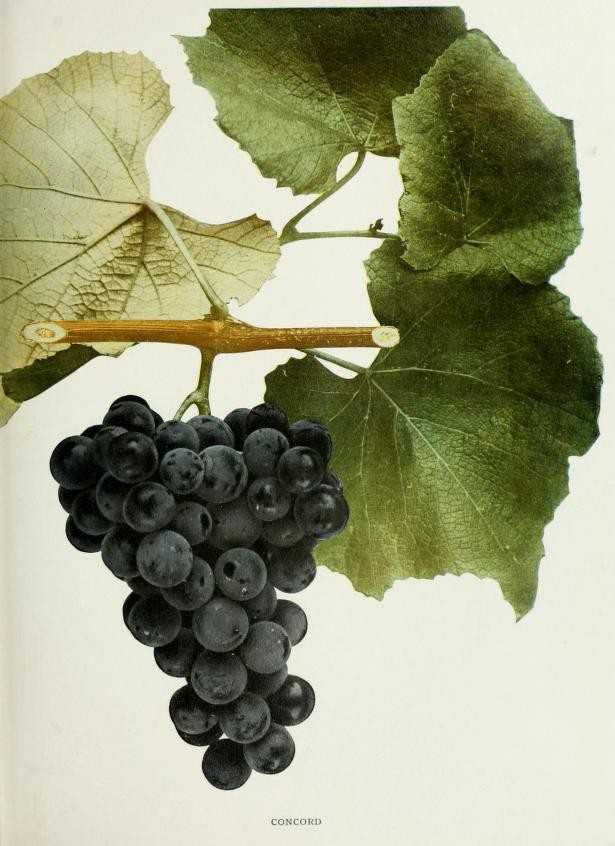


Grape Juice: Concord Grapes Heated, Pressed and Pasteurized Twice Below 180 F (USDA / New York Station, 1939)
Home grape juice by the New York State Experiment Station's method, as broadcast by the U.S. Department of Agriculture in 1939: ripe Concord grapes heated until the juice runs, pressed through a jelly bag, heated to 165-180 F (never above 180), jarred and pasteurized, then left 3 to 6 months so the gritty crystals settle, strained and pasteurized again.
Iniciante
About 4 months, two short sessions
Instruções
1
1
The temperatures in Celsius
The temperatures in Celsius
A carregar o notebook Jupyter…
2
2
Read the 1939 leaflet
Read the 1939 leaflet
"Too much heat gives a cooked bitter flavor to the juice. Too little heat will not sterilize it for keeping."
3
3
Wash and stem
Wash and stem
Use fully ripe, sound, clean Concord or other slip-skin grapes. Wash and stem them.
Materiais para este passo:
 Uvas1 as required
Ferramentas necessárias:
 Crivo
4
4
Heat until the juice flows
Heat until the juice flows
Heat them in an aluminium or enamelware kettle until the juice flows easily and the colour of the skins spreads through the whole mass.
Ferramentas necessárias:
 Panela grande
 Colher de pau
5
5
Press through a jelly bag
Press through a jelly bag
Press the juice through a jelly bag.
Ferramentas necessárias:
 Saco de coar
 Jarro medidor
6
6
Heat to 165-180 F
Heat to 165-180 F
Heat the juice to simmering, between 165 and 180 F (74-82 C), never above 180 F. Use a thermometer.
Ferramentas necessárias:
Panela grande Termómetro de cozinha
7
7
Fill hot jars
Fill hot jars
Pour it hot into hot sterilized jars, leaving as little air space at the top as possible. Seal them.
Ferramentas necessárias:
 Frascos de conserva (Mason)
8
8
Pasteurize 20 minutes
Pasteurize 20 minutes
Pasteurize the sealed jars in a water bath for 20 minutes at simmering temperature.
Ferramentas necessárias:
 Panela de esterilização em banho-mariaTermómetro de cozinha
9
9
Store 3 to 6 months
Store 3 to 6 months
Put the jars away in a cool dark place for 3 to 6 months, so the tartrate crystals settle.
Ferramentas necessárias:
Frascos de conserva (Mason)10
10
Strain, sweeten, pasteurize again
Strain, sweeten, pasteurize again
Strain the juice off the particles at the bottom. Add sugar to taste if wanted, heat it once more and pasteurize it in sealed jars as before.
Materiais para este passo:
 Açúcar branco1 as required
Ferramentas necessárias:
Saco de coarPanela grandeTermómetro de cozinhaFrascos de conserva (Mason)Panela de esterilização em banho-maria11
11
Troubleshooting
Troubleshooting
Grape juice problems and fixes.
Flow
Loading...
12
12
History and honest limits
History and honest limits
From the U.S. Department of Agriculture's radio script "Putting up apple and grape juice at home", Housekeepers' Chat, 2 September 1939, reporting the New York State Experiment Station's directions. It gives no batch size. These are 1939 directions: check current home-canning safety guidance for your jars and altitude as well. Ours: the Celsius figures.
Este projeto faz
Blueprints relacionados
Estes blueprints compartilham conhecimento — técnicas, materiais ou princípios

CC0 Domínio Público
Este blueprint é liberado sob CC0. Você é livre para copiar, modificar, distribuir e usar este trabalho para qualquer finalidade, sem pedir permissão.
Apoie o Maker comprando produtos através do Blueprint, onde ele ganha uma Comissão Maker definida pelos vendedores, ou crie uma nova versão deste Blueprint e inclua-o como conexão no seu próprio Blueprint para compartilhar receita.