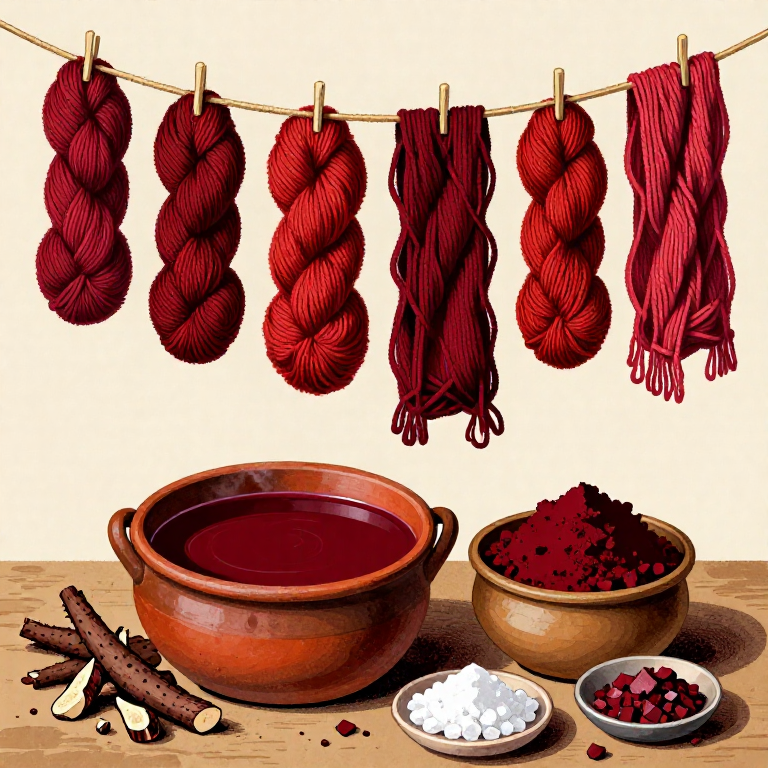


Greek Wool Dyeing — Dyeing Wool with Madder Root
Instruções
Mordant the Wool with Alum
Mordant the Wool with Alum
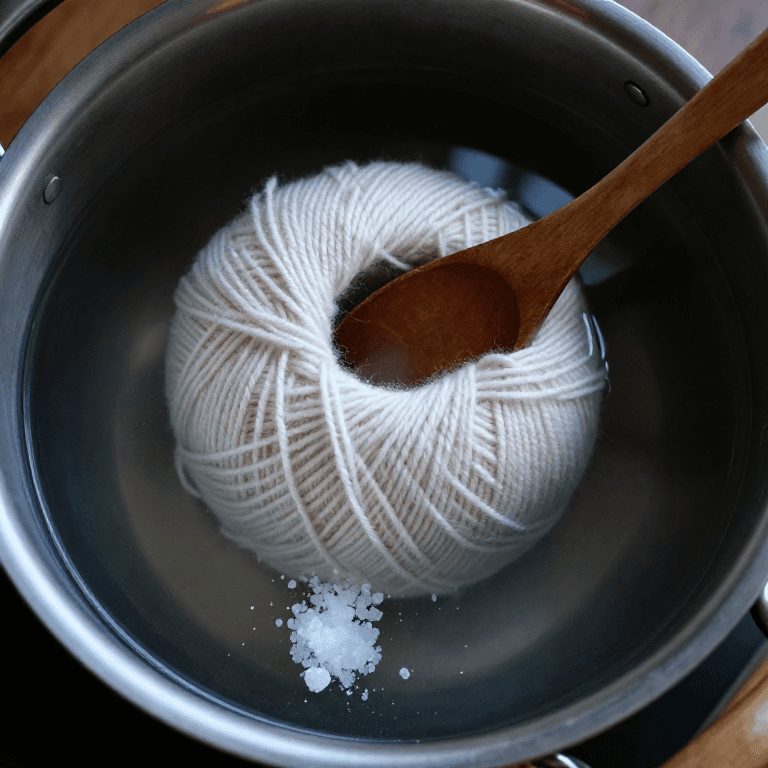
Dissolve alum (potassium aluminum sulfate) in hot water at approximately 15-20% of the dry wool weight, and optionally add cream of tartar at 5% of wool weight. Wet the wool thoroughly, then submerge it in the mordant bath. Heat slowly to approximately 80-90 degrees Celsius and hold for 1 hour, stirring gently. Mordanting pre-treats the fiber with metallic salts that bond to the wool proteins and later bond to the dye molecules, creating a stable fiber-mordant-dye complex. Without a mordant, madder dye washes out of wool within a few launderings. The Greeks and Romans used alum extensively — major alum deposits were mined on the islands of Lesbos, Melos, and in Asia Minor, and alum was a significant trade commodity.
Materiais para este passo:
 Meada de lã200-500 g g
 Conjunto de tina de índigoequal weight to wool peça
 Mordente de alúmen15-20% of wool weight peça
 Alúmen (alúmen de potássio)5% of wool weight peça
 Águaenough to cover wool freely in dye bath peça
Ferramentas necessárias:
 Cerâmica
 Pau de madeira para mexer
 Kit de bomba de calor geotérmica
 Coador de chá de malha fina
Prepare the Madder Dye Bath
Prepare the Madder Dye Bath
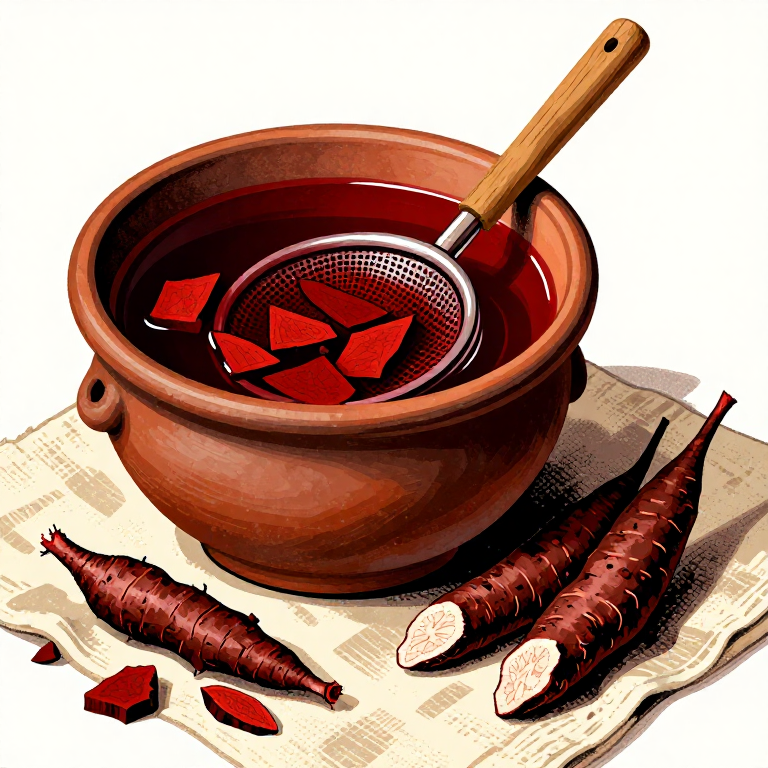
While the wool mordants, prepare the dye bath. Chop dried madder root into small pieces and soak them in water overnight, or for at least 2-4 hours in warm water. The primary dye molecule in madder is alizarin (1,2-dihydroxyanthraquinone), concentrated in the root bark. Strain out the root pieces if desired, or leave them in the bath. Add enough water to allow the wool to move freely. The key to achieving a deep red rather than an orange-brown is temperature control — alizarin bonds most effectively to alum-mordanted wool at temperatures below 70 degrees Celsius. Higher temperatures extract a second pigment, purpurin, which shifts the color toward orange.
Dye the Mordanted Wool
Dye the Mordanted Wool
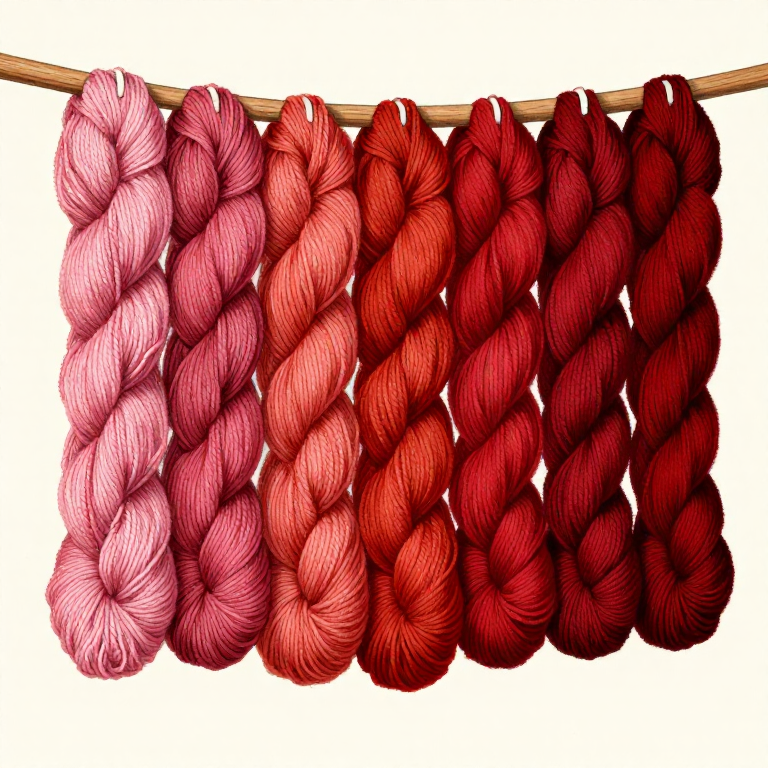
Remove the mordanted wool from the alum bath, gently squeeze out excess liquid (do not rinse), and add it to the madder dye bath. Heat the bath very slowly — raise the temperature by no more than 1-2 degrees per minute — to approximately 60-70 degrees Celsius. Hold at this temperature for 45-60 minutes, stirring gently and regularly to ensure even color penetration. The wool will gradually absorb the red alizarin dye, deepening from pale pink to rich red. For the deepest color, leave the wool in the cooling dye bath overnight. The longer the exposure and the more madder root used, the deeper the final color. Madder red was one of the most common textile colors in the ancient world, used for everything from soldiers' cloaks to women's garments.
Rinse and Wash the Dyed Wool
Rinse and Wash the Dyed Wool
Remove the dyed wool from the bath and rinse in progressively cooler water until the rinse water runs nearly clear. Some excess dye will wash out — this is normal and consists of unbound surface dye. The color that remains after thorough rinsing is the true, permanent color that has chemically bonded through the mordant complex. Wash gently with a mild soap to remove any remaining loose dye particles. Handle the wet wool carefully to avoid felting — do not wring, twist, or agitate vigorously, as wet wool fibers interlock irreversibly when mechanically stressed. The final color should be a warm, rich red — the exact shade depends on the madder source, mordant, water chemistry, and dyeing temperature.
Dry and Assess the Final Color
Dry and Assess the Final Color
Hang the rinsed wool to dry in shade — direct sunlight during initial drying can cause uneven fading. The color will appear darker when wet and lighten somewhat as the wool dries. Well-mordanted and well-dyed madder wool is highly lightfast — it resists fading in sunlight far better than most natural dyes, which is why madder textiles survive in good color in archaeological contexts thousands of years old. Madder-dyed wool from Greek sites retains recognizable red coloration despite millennia of burial. The exhausted dye bath can be reused for paler shades — second and third dye baths produce progressively lighter pinks and corals. In ancient Greece, the intensity of red dye in a garment indicated social status, as deeply dyed fabrics required more expensive dye material and longer processing time.
Materiais
8- 200-500 g gReferência
- equal weight to wool peçaReferência
- 5% of wool weight peçaReferência
- enough to cover wool freely in dye bath peçaReferência
- 200-500 g peçaReferência
- equal weight to wool peçaReferência
- 15-20% of wool weight peçaReferência
- 5% of wool weight peçaReferência
Ferramentas necessárias
5- Referência
- Referência
- Referência
- Referência
- Referência
Materiais de Blueprints conectados
CC0 Domínio Público
Este blueprint é liberado sob CC0. Você é livre para copiar, modificar, distribuir e usar este trabalho para qualquer finalidade, sem pedir permissão.
Apoie o Maker comprando produtos através do Blueprint, onde ele ganha uma Comissão Maker definida pelos vendedores, ou crie uma nova versão deste Blueprint e inclua-o como conexão no seu próprio Blueprint para compartilhar receita.