

As tabelas de descompressão de Haldane
Instruções
Veja as bolhas a sair da solução
Veja as bolhas a sair da solução
Todo o mecanismo é visível numa garrafa de água com gás, e a analogia é muito próxima, com um limite indicado no fim.
- Pegue numa garrafa de água gaseificada fechada e observe-a: líquido transparente, sem bolhas, o gás mantido em solução pela pressão.
- Abra-a devagar e veja as bolhas a formarem-se em todo o líquido.
- Volte a fechar, agite e abra depressa: repare como liberta o gás com muito mais violência.
- Agora abra uma segunda garrafa devagar, por fases, fechando a tampa entre cada libertação.
O gás mantém-se dissolvido enquanto a pressão o segura e sai da solução quando a pressão desce; e a rapidez com que sai depende da rapidez com que a baixa. A libertação por fases faz muito menos espuma do que a repentina.
Essa última observação É a prática da descompressão. O mergulhador é a garrafa, o azoto é o gás carbónico e subir é abrir a tampa.
A analogia tem um limite que vale a pena dizer: na garrafa o gás escapa pela superfície, enquanto num mergulhador as bolhas formam-se dentro dos tecidos e dos vasos sanguíneos, onde bloqueiam a circulação e pressionam os nervos. A doença de descompressão não é um incómodo causado por gás: é uma lesão mecânica causada por bolhas em lugares onde não há espaço para elas.Materiais para este passo:
 Água gaseificada (garrafa selada)2 garrafas
Ferramentas necessárias:
 Telemóvel com vídeo em câmara lenta
 Óculos de segurança transparentes
Modele os compartimentos dos tecidos e veja-os a carregar
Modele os compartimentos dos tecidos e veja-os a carregar
Ferramentas necessárias:
 Computador de secretária
O caminho de decisão da subida
O caminho de decisão da subida
Siga o ciclo. Em cada momento há uma profundidade acima da qual não pode subir, fixada pelo compartimento que estiver mais carregado nesse momento, e esse compartimento MUDA durante a subida, à medida que os rápidos se esvaziam e os lentos passam a dominar.
O último ramo é o que apanha as pessoas. Um mergulhador que chega à superfície não volta a zero: os compartimentos lentos continuam a transportar gás durante muitas horas, por isso um segundo mergulho no mesmo dia começa parcialmente carregado. As tabelas de mergulhos sucessivos existem precisamente para contar com esse resíduo, e tratar o segundo mergulho como se fosse o primeiro é uma forma clássica de sofrer um acidente de descompressão.
Voar depois de mergulhar é o mesmo problema com o sinal trocado: uma cabine pressurizada ao equivalente de até 2400 m é mais uma subida, aplicada a um corpo que ainda não acabou de eliminar o gás. A orientação da Divers Alert Network (2002) é de pelo menos 12 horas em terra depois de um único mergulho sem descompressão, pelo menos 18 horas depois de mergulhos sucessivos ou de vários dias de mergulho, e bastante mais depois de mergulhos que exigiram paragens de descompressão; decorre diretamente dos compartimentos lentos do modelo acima.Flow
Ferramentas necessárias:
Computador de secretáriaConstrua uma demonstração de recompressão
Construa uma demonstração de recompressão
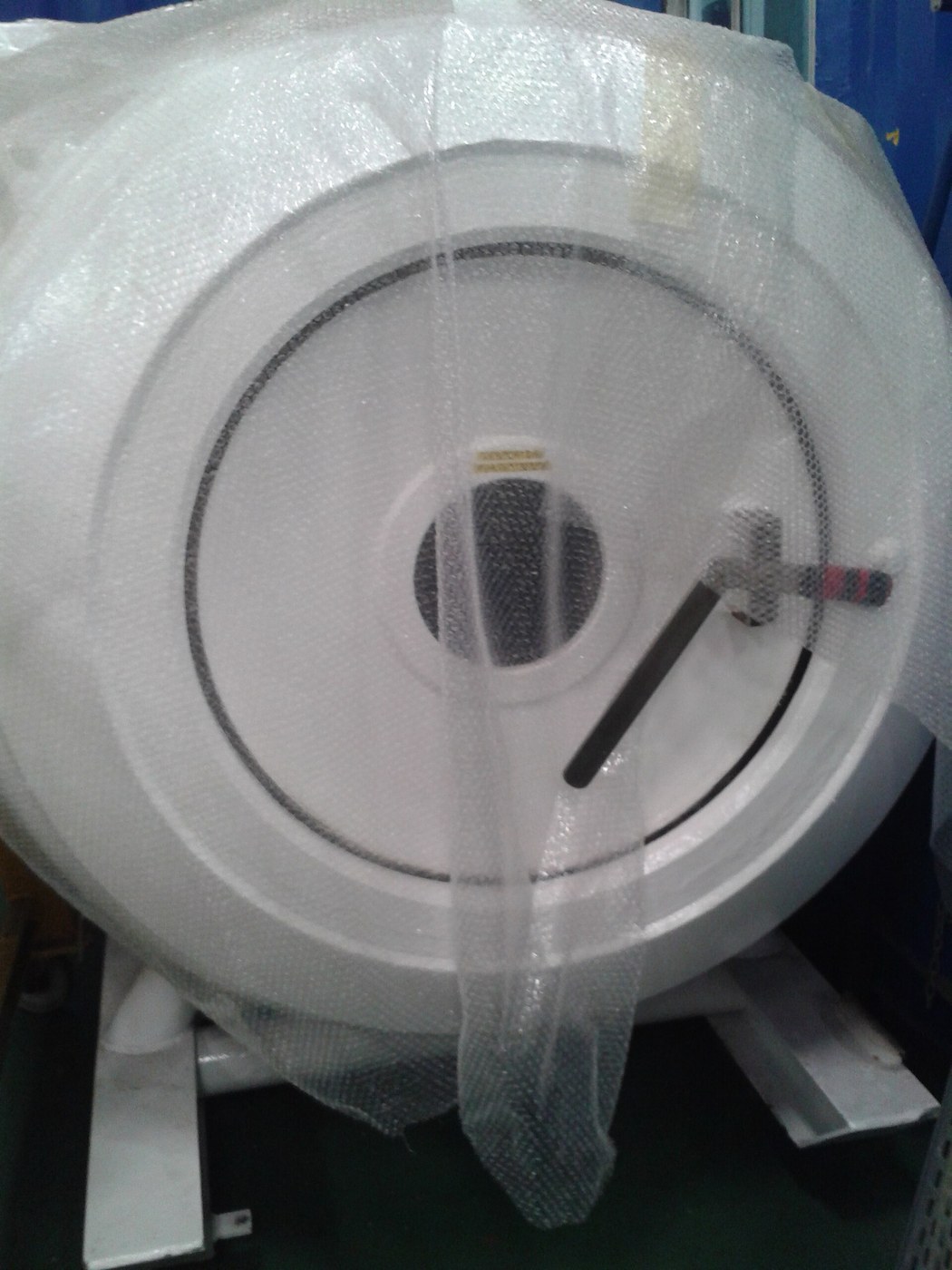
O tratamento da doença de descompressão é a própria doença ao contrário, e vale a pena ver porquê.
- Pegue num recipiente sob pressão rígido e transparente, com um líquido gaseificado fechado lá dentro que já começou a borbulhar.
- Aumente a pressão exterior com um compressor e observe as bolhas.
- Mantenha a pressão e depois liberte-a devagar, por fases.
Aumentar a pressão faz as bolhas encolher e voltar a dissolver-se; libertá-la devagar deixa o gás sair sem as voltar a formar. É exatamente o que uma câmara de recompressão faz a um mergulhador acidentado: volta a pô-lo sob pressão, dissolve as bolhas e depois fá-lo subir segundo um programa suficientemente lento para que o gás saia pelos pulmões em vez de voltar a formar bolhas.
Dá-se oxigénio durante o tratamento porque faz duas coisas ao mesmo tempo: substitui o azoto na mistura respirada, tornando mais forte o gradiente de saída do tecido, e aumenta o oxigénio que chega aos tecidos que as bolhas privaram de sangue.
O contributo próprio de Haldane foi aqui tão administrativo como fisiológico. Produziu TABELAS: um programa que qualquer supervisor de mergulho podia seguir sem perceber a matemática. Transformar um modelo fisiológico num cartão impresso que um trabalhador pudesse usar foi o que realmente acabou com as mortes, e lembra que o resultado a entregar raramente é a teoria.Materiais para este passo:
Água gaseificada (garrafa selada)1 garrafa Recipiente de pressão transparente (homologado)1 peça
Ferramentas necessárias:
 Compressor de ar de 30 galões
 ManómetroTelemóvel com vídeo em câmara lenta
 Protetor facialÓculos de segurança transparentes
Narcose e toxicidade do oxigénio: os outros dois limites
Narcose e toxicidade do oxigénio: os outros dois limites
A descompressão não é a única coisa que a profundidade faz a um mergulhador, e os outros dois limites chegam sem aviso.
- Calcule a pressão parcial do azoto a 30, 40 e 60 m.
- Calcule a pressão parcial do oxigénio às mesmas profundidades, respirando ar.
- Marque onde cada uma ultrapassa o seu limite aceite.
A narcose pelo azoto torna-se percetível a partir de cerca de 30 m e agrava-se com a profundidade; é um efeito anestésico, e o seu perigo é que um juízo alterado não consegue avaliar-se a si próprio. Os mergulhadores descrevem uma falsa sensação de bem-estar enquanto fazem algo insensato.
O limite de trabalho aceite para o oxigénio é uma pressão parcial de 1,4 bar (1,6 bar no máximo, para as paragens de descompressão); com ar, 1,4 bar é atingido a cerca de 57 m, e o primeiro sintoma de toxicidade do oxigénio pode ser uma convulsão. Uma convulsão debaixo de água com um bocal na boca é geralmente fatal, seja qual for a quantidade de gás que resta.
Ambos se resolvem mudando a mistura e não o programa: o hélio substitui o azoto para reduzir a narcose, e a fração de oxigénio é REDUZIDA para o trabalho profundo, para que a sua pressão parcial se mantenha tolerável. Um trimix para mergulhos muito profundos pode ser hipóxico à superfície: não o manteria vivo no barco e só se torna respirável em profundidade.
É uma restrição de projeto verdadeiramente estranha e merece reflexão: o gás só é seguro dentro de uma janela de profundidade, perigoso acima E abaixo dela. Dominá-lo corretamente é a razão por que o mergulho profundo com misturas é uma profissão e não um passatempo.Ferramentas necessárias:
Computador de secretáriaMateriais
2- 3 garrafasReferência
- Referência
Blueprints relacionados
Estes blueprints compartilham conhecimento — técnicas, materiais ou princípios


CC0 Domínio Público
Este blueprint é liberado sob CC0. Você é livre para copiar, modificar, distribuir e usar este trabalho para qualquer finalidade, sem pedir permissão.
Apoie o Maker comprando produtos através do Blueprint, onde ele ganha uma Comissão Maker definida pelos vendedores, ou crie uma nova versão deste Blueprint e inclua-o como conexão no seu próprio Blueprint para compartilhar receita.