ARTE
BELEZA E BEM-ESTAR
ARTESANATO
CULTURA E HISTÓRIA
ENTRETENIMENTO
MEIO AMBIENTE
COMIDA E BEBIDAS
ENGENHARIA REVERSA
CIÊNCIAS
ESPORTES
TECNOLOGIA
TECNOLOGIA VESTÍVEL
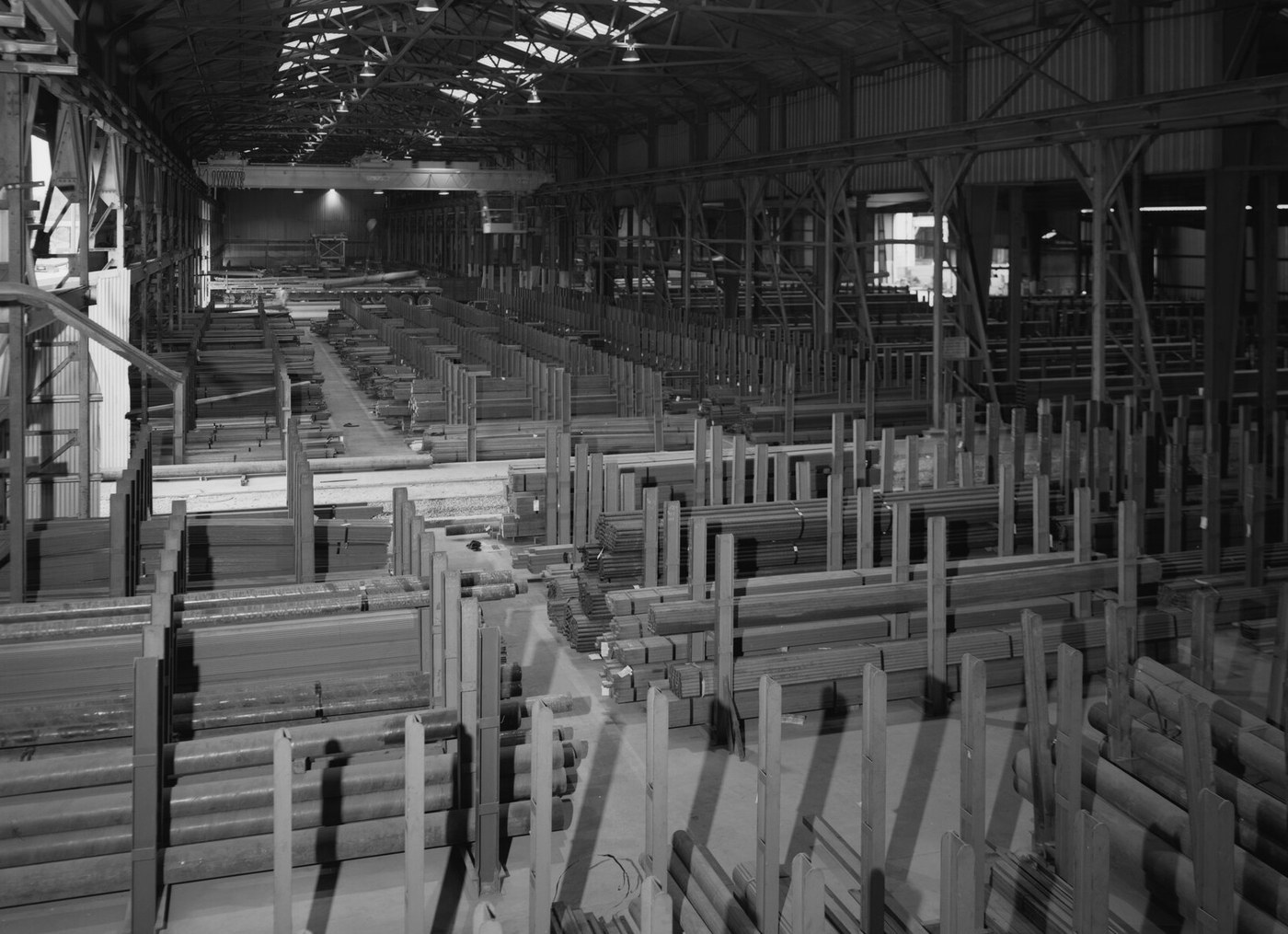


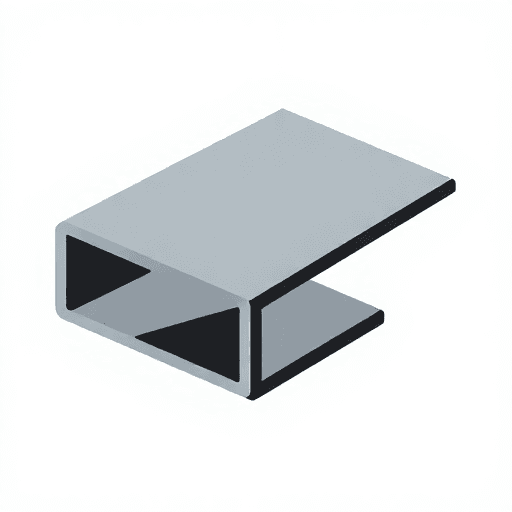
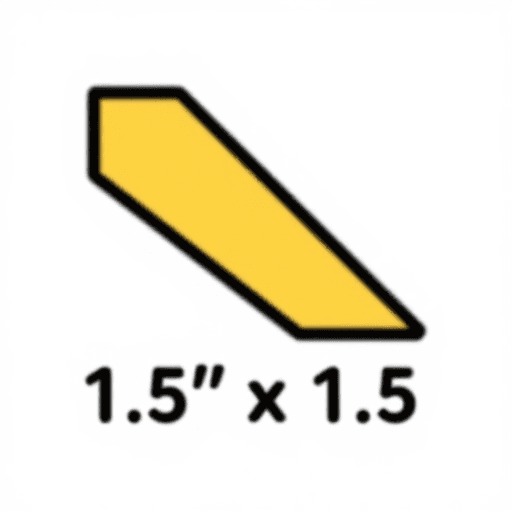
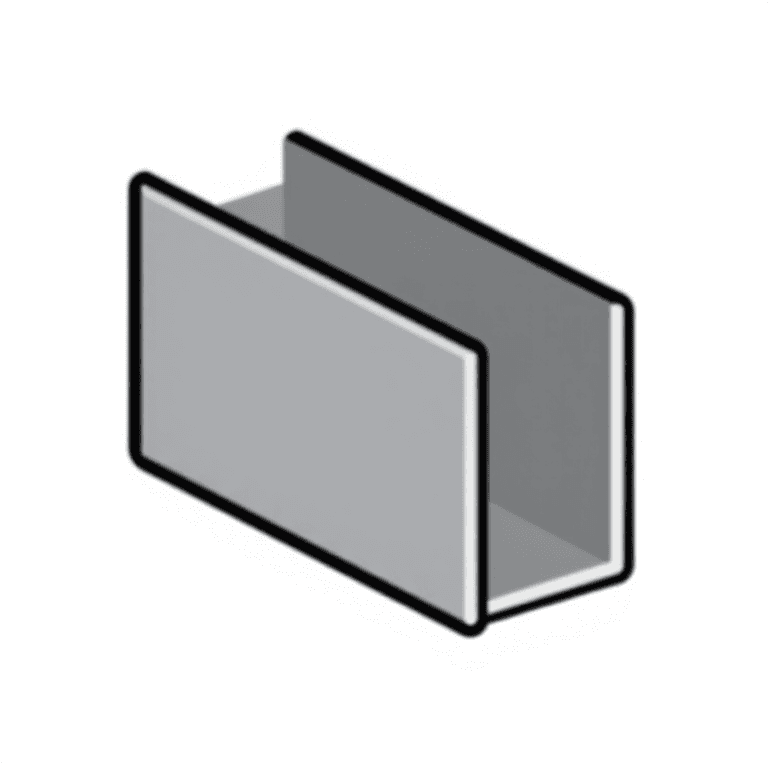
Hot-Rolled Steel Angles and Channels
Angles, channels and beams are made in a merchant or bar mill by hot rolling a steel billet through shaped rolls. The steel is kept above its recrystallisation temperature, so the grains re-form as it is squeezed and the metal does not work-harden. A billet, typically 100–140 mm across, passes through roughing, intermediate and finishing stands, each changing its cross-section a step closer to the final L or U. The finished section comes out covered in mill scale, an oxide formed at the high temperature, within about 2–5% of its nominal size.
Avançado
Factory process
Instruções
1
1
Heat the billet
Heat the billet
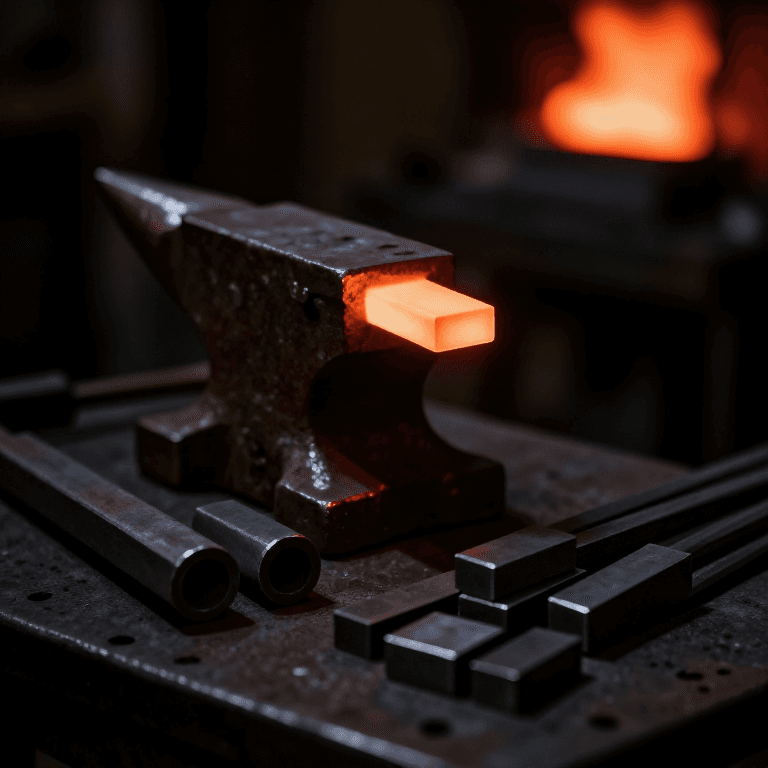
Heat the billet above the steel's recrystallisation temperature; smaller workpieces are heated by induction.
Materiais para este passo:
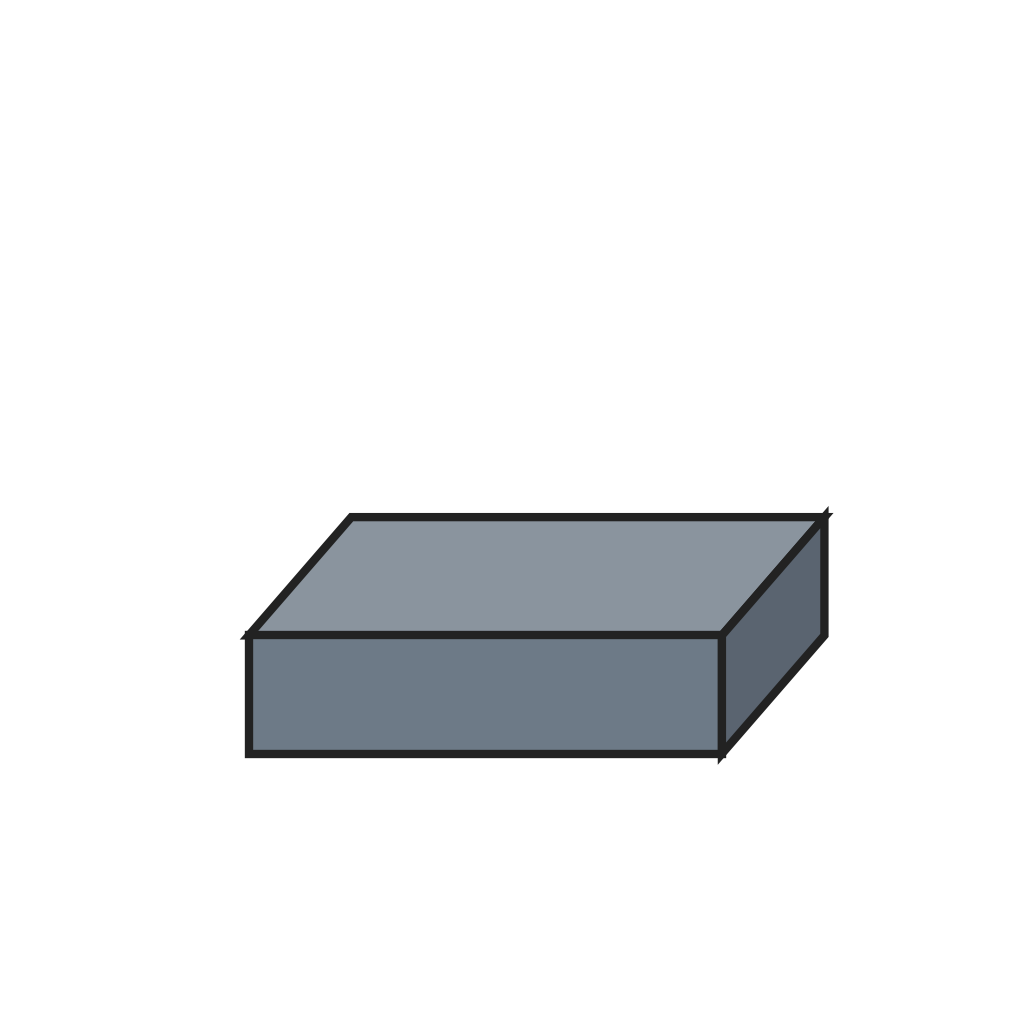 Tarugo de aço macio1 peça
Ferramentas necessárias:
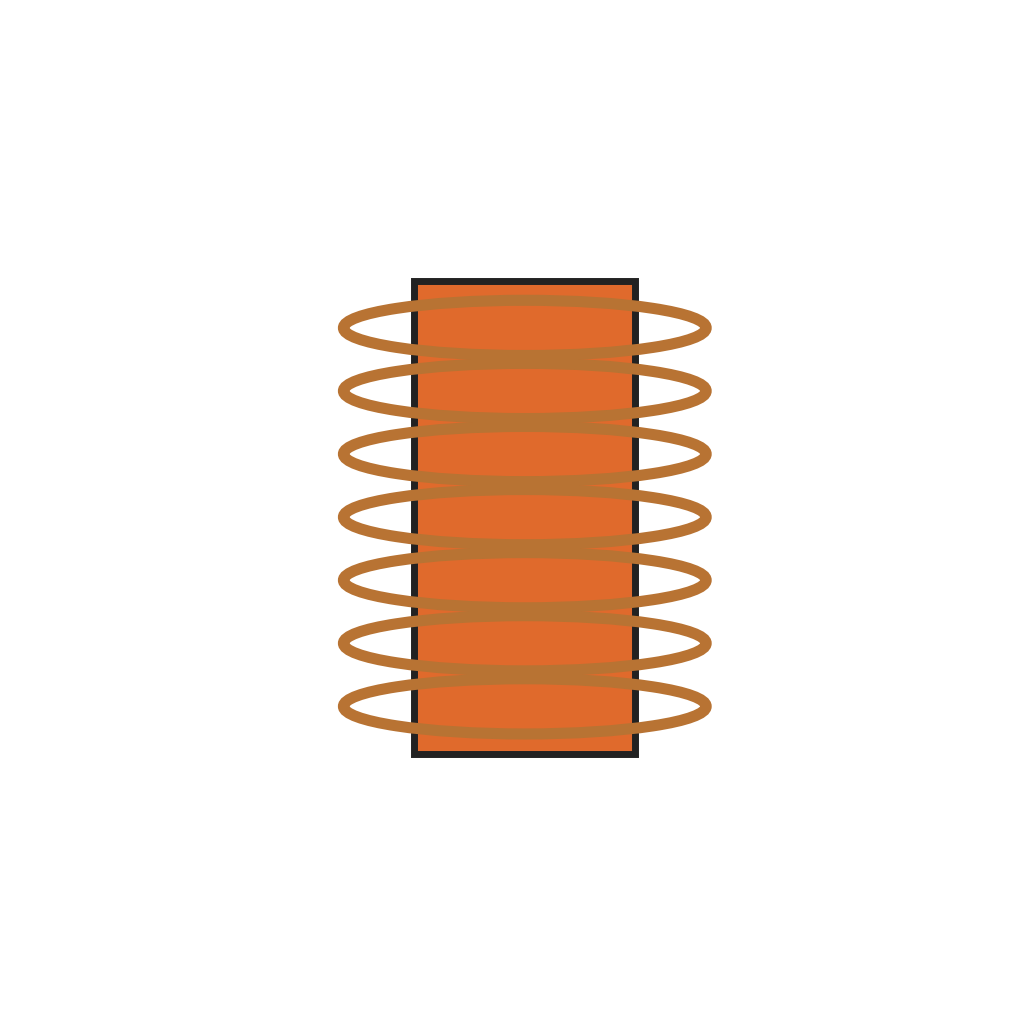 Aquecedor por indução
2
2
Roll through the stands
Roll through the stands
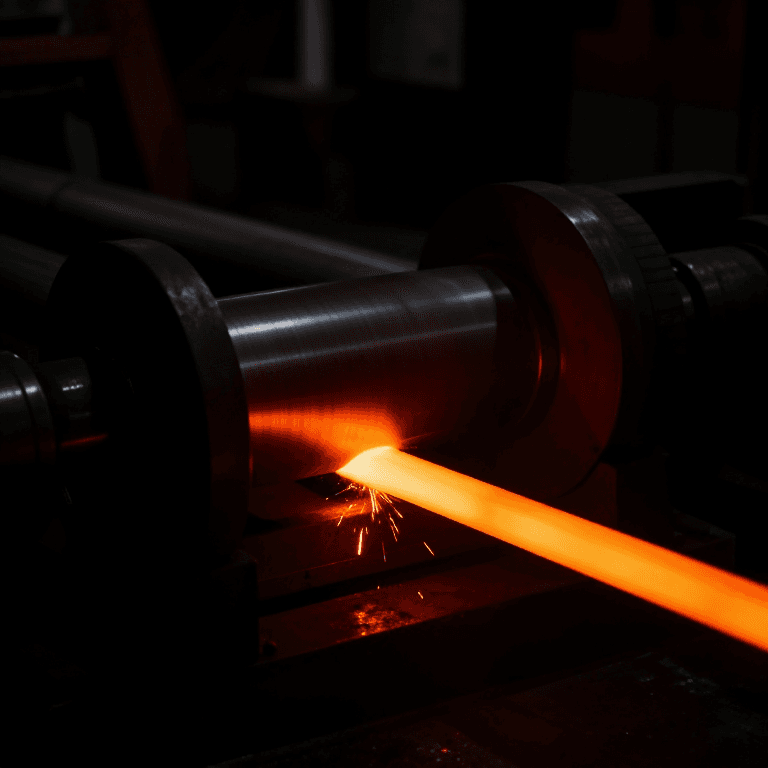
Pass the hot billet through the roughing, intermediate and finishing stands. Each set of shaped rolls changes the cross-section a step further, towards the angle or channel.
Ferramentas necessárias:
 Laminador
3
3
Keep it hot
Keep it hot
Watch the temperature: finish about 50–100 °C above the recrystallisation temperature, and reheat the bar if it drops below that before rolling further.
Ferramentas necessárias:
Aquecedor por indução4
4
Finished section
Finished section
The finished section is covered in mill scale, the oxide formed at rolling heat. Shapes with an uneven cross-section can hold residual stress from uneven cooling.
Materiais
1- 1 peçaReferência
Este projeto faz

Blueprints relacionados
Estes blueprints compartilham conhecimento — técnicas, materiais ou princípios
CC0 Domínio Público
Este blueprint é liberado sob CC0. Você é livre para copiar, modificar, distribuir e usar este trabalho para qualquer finalidade, sem pedir permissão.
Apoie o Maker comprando produtos através do Blueprint, onde ele ganha uma Comissão Maker definida pelos vendedores, ou crie uma nova versão deste Blueprint e inclua-o como conexão no seu próprio Blueprint para compartilhar receita.