ARTE
BELEZA E BEM-ESTAR
ARTESANATO
CULTURA E HISTÓRIA
ENTRETENIMENTO
MEIO AMBIENTE
COMIDA E BEBIDAS
ENGENHARIA REVERSA
CIÊNCIAS
ESPORTES
TECNOLOGIA
TECNOLOGIA VESTÍVEL
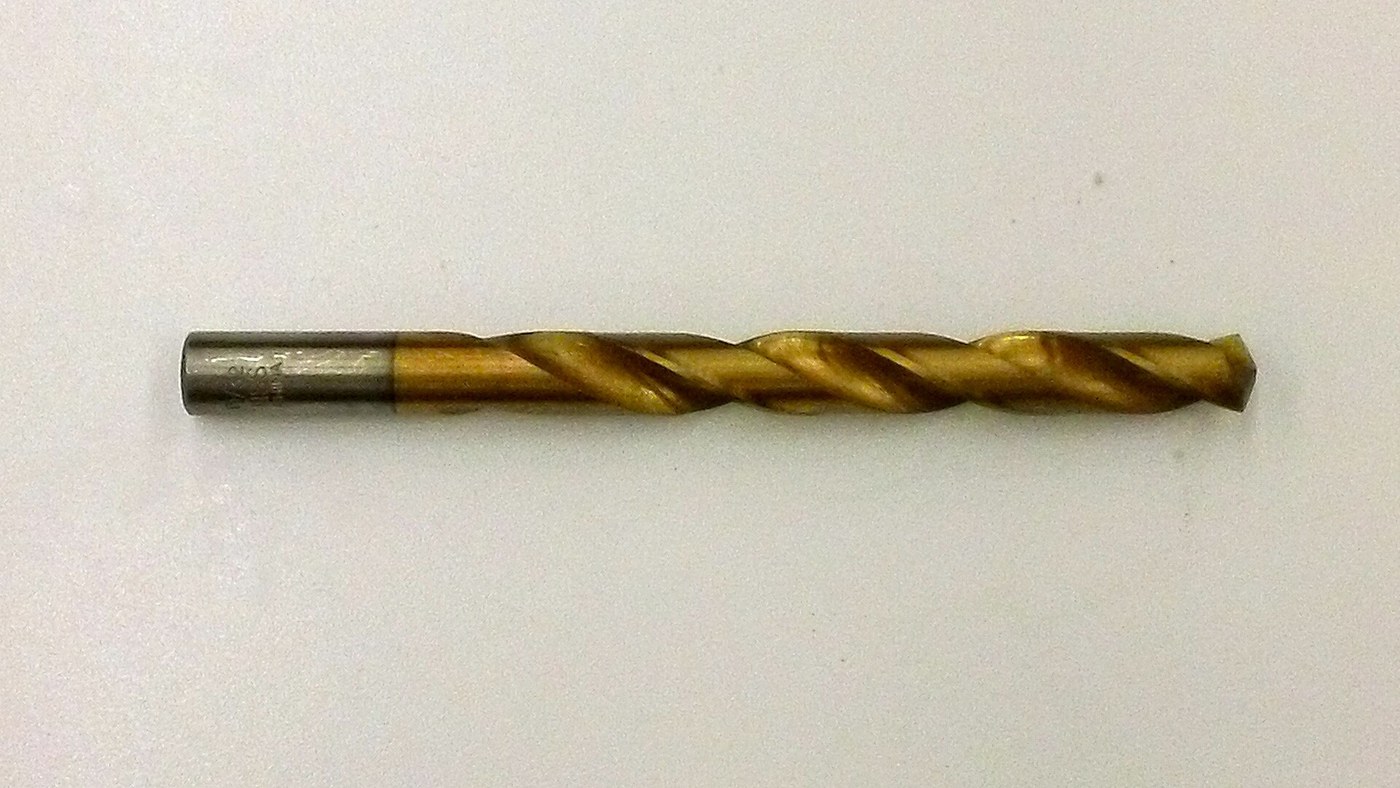


Twist Drill Bits: Flutes, Point and Coating
A twist drill is named after how it was first made: two grooves were cut in opposite sides of a round bar and the bar was twisted to make helical flutes. Today the flutes are usually ground: the bar turns while it moves past a grinding wheel, the way helical gears are cut. Drills have also been forged with their flutes, from blanks heated by induction. The common hardware-store drill has a 118° point, which works in wood, metal and plastic. A black oxide finish, made in a hot bath of sodium hydroxide with nitrates at about 141 °C that turns the surface to magnetite, adds heat and rust resistance; a titanium nitride coat, a few micrometres thick, can make a high-speed steel bit last three or more times longer.
Avançado
Factory process
Instruções
1
1
Cut the blanks
Cut the blanks
Cut high-speed steel round bar into blanks the length of the drill.
Materiais para este passo:
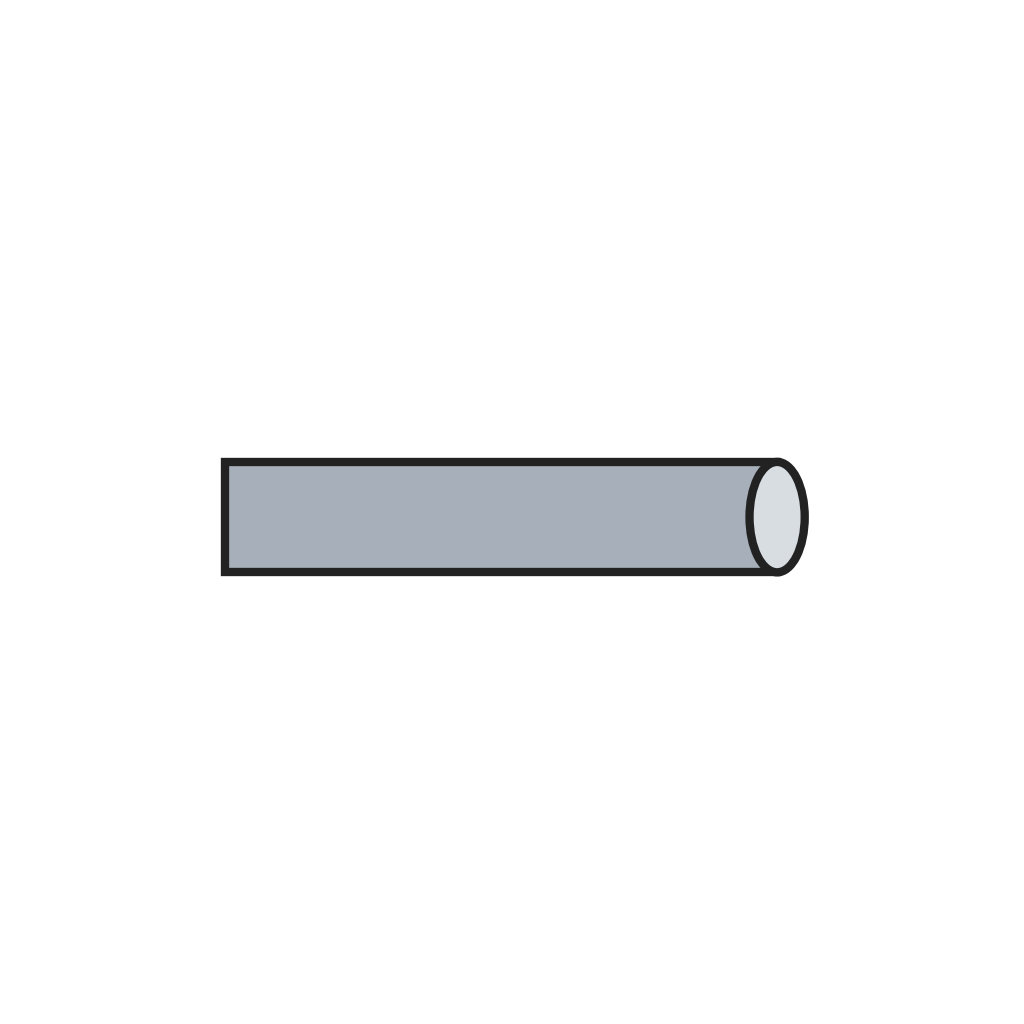 Varão redondo de aço rápido1 kg
2
2
Grind the flutes
Grind the flutes
Turn each blank while moving it past a grinding wheel to cut the two helical flutes.
Ferramentas necessárias:
 Retificadora de canais de brocas
3
3
Grind the point
Grind the point
Grind the cutting point; 118° is the general-purpose angle.
Ferramentas necessárias:
 Afiadora de brocas
4
4
Finish
Finish
Give the drills a black oxide finish in a hot caustic nitrate bath, or a titanium nitride coat by vapour deposition.
Ferramentas necessárias:
 Banho de oxidação negra
 Solução de hidróxido de sódio
Materiais
1- Referência
Ferramentas necessárias
4- Referência
- Referência
- Referência
- Referência
Este projeto faz
Blueprints relacionados
Estes blueprints compartilham conhecimento — técnicas, materiais ou princípios

CC0 Domínio Público
Este blueprint é liberado sob CC0. Você é livre para copiar, modificar, distribuir e usar este trabalho para qualquer finalidade, sem pedir permissão.
Apoie o Maker comprando produtos através do Blueprint, onde ele ganha uma Comissão Maker definida pelos vendedores, ou crie uma nova versão deste Blueprint e inclua-o como conexão no seu próprio Blueprint para compartilhar receita.