ARTE
BELEZA E BEM-ESTAR
ARTESANATO
CULTURA E HISTÓRIA
ENTRETENIMENTO
MEIO AMBIENTE
COMIDA E BEBIDAS
ENGENHARIA REVERSA
CIÊNCIAS
ESPORTES
TECNOLOGIA
TECNOLOGIA VESTÍVEL
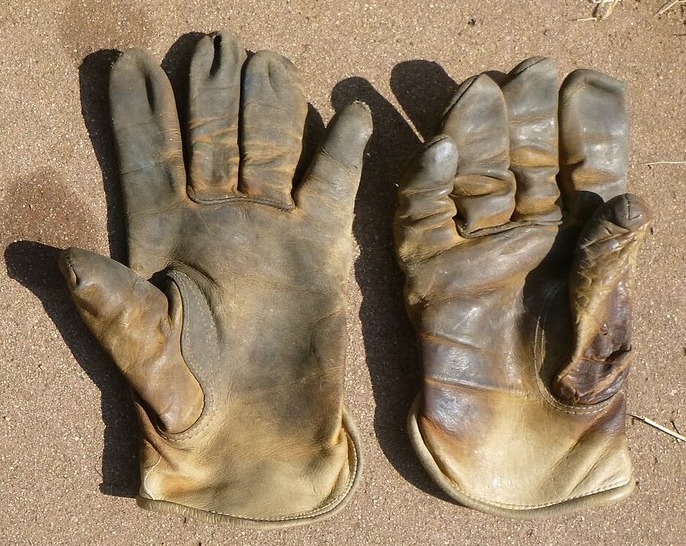
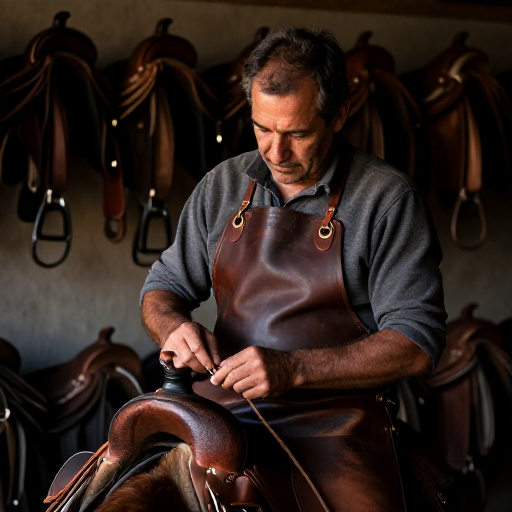

Leather Gloves: Cut, Pressed and Sewn
A leather glove is several pieces: the main piece forming palm, back and the faces of the fingers, a separate thumb, and narrow side pieces between the fingers called fourchettes, sometimes with small gussets between them. The cutter first pulls and stretches each skin to find its spread, then marks it with card patterns and cuts oblong pieces, called tranks, sized for each glove. A cutting die, a knife shaped like a double hand, stamps the glove's outline out of each trank in a press, and the odd parts come from the offcuts. Machine sewing then sets in the thumb, fourchettes and gussets and closes the glove. Cowhide is used for the cheaper, sturdier gloves.
Intermediário
Factory process
Instruções
1
1
Stretch the skin
Stretch the skin
Pull and stretch the skin lengthways and sideways to find its spread.
Materiais para este passo:
 Couro1 peça
2
2
Cut the tranks
Cut the tranks
Using card patterns in the glove's double outline, mark and cut oblong tranks of the right size; keep the offcuts for thumbs, fourchettes and gussets.
Materiais para este passo:
 Cartolina1 peça
Ferramentas necessárias:
 Tesoura para couro
3
3
Press-cut
Press-cut
Lay each trank on the cutting die in the press and stamp out the glove shape; stamp the small parts from the offcuts.
Ferramentas necessárias:
 Cortante para luvas
 Prensa de cortar couro
4
4
Inspect
Inspect
Check every cut part before it goes to the sewers.
5
5
Sew
Sew
Sew in the thumb, fourchettes and gussets, then close the glove.
Materiais para este passo:
 Linha1 peça
Ferramentas necessárias:
 Máquina de costura
Ferramentas necessárias
4- Referência
- Referência
- Referência
- Referência
Este projeto faz


CC0 Domínio Público
Este blueprint é liberado sob CC0. Você é livre para copiar, modificar, distribuir e usar este trabalho para qualquer finalidade, sem pedir permissão.
Apoie o Maker comprando produtos através do Blueprint, onde ele ganha uma Comissão Maker definida pelos vendedores, ou crie uma nova versão deste Blueprint e inclua-o como conexão no seu próprio Blueprint para compartilhar receita.