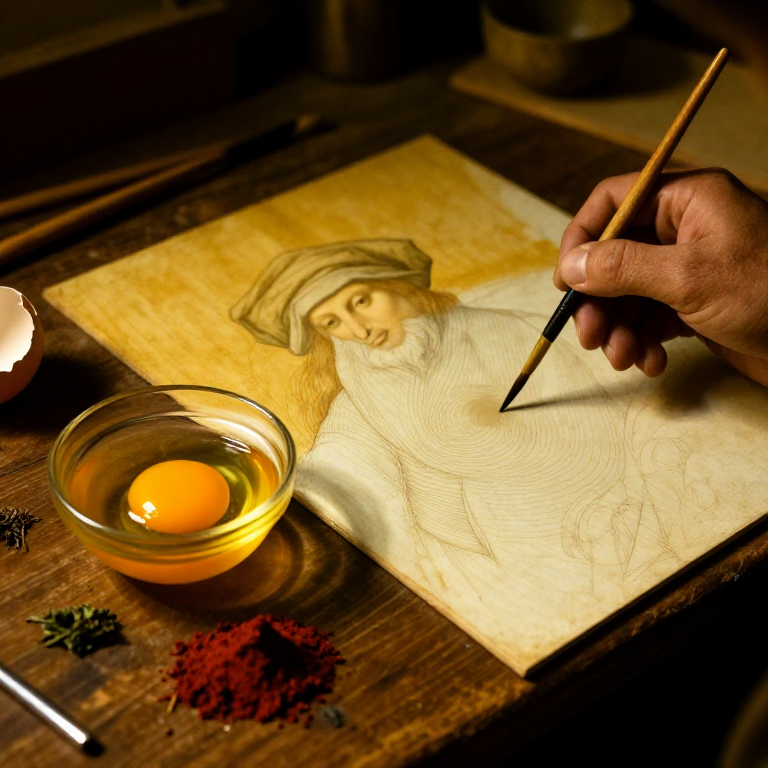

Making Egg Tempera Paint — The Medieval Panel Painting Medium
Instruções
Separate the Egg Yolk
Separate the Egg Yolk
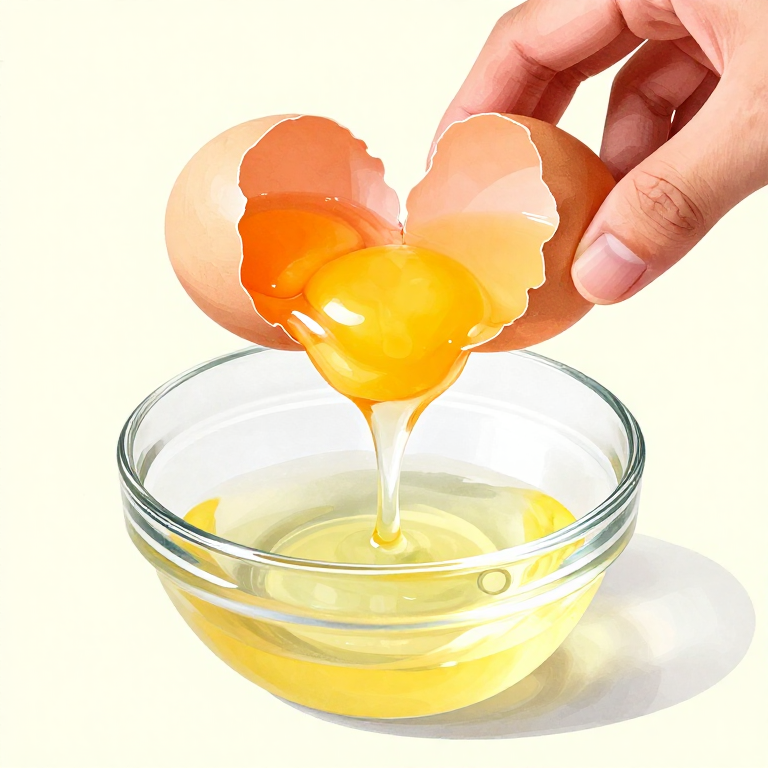
Crack the egg and separate the yolk from the white completely. Pass the yolk back and forth between your hands (or between the shell halves), letting the white drip away until only the yolk sac remains. The yolk sac is enclosed in a thin membrane — pick it up by pinching the membrane between your fingers and hold it over a clean container. Puncture the membrane with a pin or knife tip and let the yolk liquid drain into the container. Discard the membrane. The pure yolk liquid is your binder. The membrane must be removed because it creates lumps in the paint. One egg yolk produces enough binder for a typical painting session. Egg tempera must be mixed fresh daily — the yolk spoils within 24 hours at room temperature, and spoiled yolk produces weak, smelly paint.
Materiais para este passo:
 Ovo2 peças
Ferramentas necessárias:
 Papel de cozinha
Prepare the Pigment-Water Paste
Prepare the Pigment-Water Paste
For each colour you want to use, place a small amount of dry pigment powder (about 1 teaspoon) in a separate glass container. Wearing a dust mask, add a few drops of distilled water and stir with a palette knife or the handle of a brush to create a smooth, thick paste — like heavy cream in consistency. The water wets the pigment particles and eliminates the dust hazard. Each pigment behaves differently: earth pigments (ochres, siennas, umbers) wet easily and form smooth pastes readily; some synthetic pigments resist wetting and need more stirring. The paste should be free of dry lumps but not runny. If it is too thin, let it settle and pour off excess water. This pigment paste can be stored for hours or days in sealed containers — it is the egg yolk that has the short shelf life.
Materiais para este passo:
 Conjunto de pigmentos minerais em pó1 conjunto
 Água destilada100 ml
Ferramentas necessárias:
 Conjunto de espátulas de pintor
 Máscara antipoeiras
Mix Pigment Paste with Egg Yolk
Mix Pigment Paste with Egg Yolk
Combine approximately equal volumes of pigment paste and egg yolk — a good starting ratio is 1 part yolk to 1 part pigment paste. Stir thoroughly with a brush or palette knife. The mixture should be a smooth, creamy liquid that flows easily from a brush. If it is too thick, add a few drops of water. If it is too thin and transparent, add more pigment paste. The egg yolk acts as both binder and emulsifier — it binds the pigment to the painting surface and creates a stable emulsion of oil droplets (from the yolk's natural lipids) in water. This emulsion is why egg tempera can be thinned with water while wet but becomes water-resistant when dry — the proteins denature and the oils polymerise, creating a permanent film.
Ferramentas necessárias:
 Conjunto de frascos de vidroConjunto de espátulas de pintor
Test the Paint on a Scrap Surface
Test the Paint on a Scrap Surface
Before painting your final piece, test each colour on a scrap of gessoed panel or paper. Apply a thin brushstroke and let it dry (1-5 minutes). Properly made egg tempera should dry to a smooth, matte film with good colour saturation. Scratch the dry paint gently with a fingernail — it should resist scratching and not powder off. If the paint is chalky and powdery when dry, there is not enough egg yolk (add more yolk). If the paint is glossy and sticky, there is too much yolk (add more pigment paste). If the paint cracks as it dries, the layer is too thick — egg tempera must be applied in thin layers, not thick impasto. Egg tempera darkens slightly as it dries because the refractive index changes, so the wet colour will not exactly match the dry colour.
Ferramentas necessárias:
 Conjunto de pincéis de artista
Apply Paint in Thin Layers (Glazing)
Apply Paint in Thin Layers (Glazing)
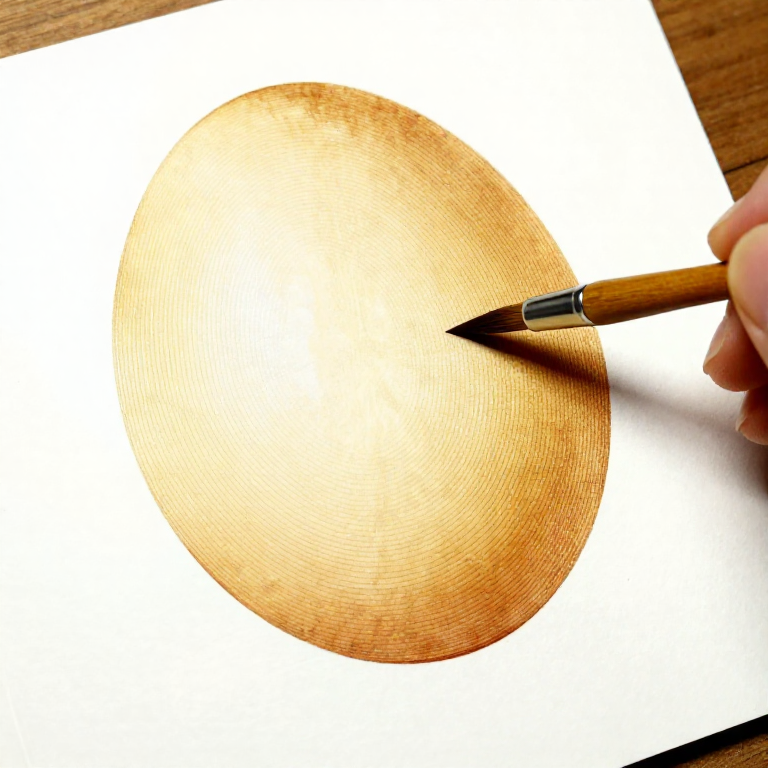
Egg tempera's fast drying time (minutes) makes thick applications impossible — the paint sets before it can be blended smoothly. Instead, build up colour through multiple thin, semi-transparent layers. Each layer modifies the colour beneath it, creating depth and luminosity as light passes through the transparent layers and reflects off the white gesso ground. This is called glazing. Work with small, precise brushstrokes — the traditional technique uses fine parallel hatching strokes (like crosshatching in drawing). Apply one layer, let it dry for 5-10 minutes, then apply the next. Colours mix optically: blue hatching over yellow produces green; red glazed over blue produces purple. This optical mixing produces more vibrant colours than physical pigment mixing because each pigment layer retains its full chroma.
Materiais para este passo:
 Primário de gesso1 peça
Ferramentas necessárias:
Conjunto de pincéis de artistaBuild Form with Hatching and Cross-Hatching
Build Form with Hatching and Cross-Hatching
The characteristic technique of egg tempera painting is building form through layers of fine parallel lines (hatching). Start with the darkest shadow tones in thin washes. Once dry, add middle tones using parallel brushstrokes that partially cover the shadow layer. Then add highlight tones with denser hatching in the lightest areas. Cross-hatching (overlapping layers of hatching at different angles) creates smooth tonal transitions. The white gesso ground glows through the semi-transparent layers, giving tempera paintings their characteristic luminosity — this is why medieval icons and altarpieces have that distinctive inner radiance. Work systematically from dark to light, thin to dense. Each layer should be completely dry before the next is applied. A finished tempera painting may have 10-50 layers in the most developed areas.
Ferramentas necessárias:
Conjunto de pincéis de artistaStore and Maintain Egg Tempera Paint
Store and Maintain Egg Tempera Paint
Egg tempera paint must be mixed fresh each painting session because the egg yolk spoils. Unused paint can be refrigerated in sealed containers for up to 24 hours, but quality degrades. Pigment-water pastes (without yolk) can be stored indefinitely in sealed containers — just add fresh yolk when ready to paint. Clean brushes immediately after use by rinsing in water — egg tempera becomes water-resistant within minutes and fully water-insoluble within hours as the proteins denature. A brush left in drying tempera will be ruined. Finished egg tempera paintings are extremely durable — they become harder and more water-resistant over time as the protein cross-links further. Medieval tempera panels have survived 600+ years. For additional protection, a traditional damar varnish can be applied after the painting has cured for at least 6 months.
Ferramentas necessárias:
Conjunto de frascos de vidroMateriais
4- 2 peçasReferência
- 1 conjuntoReferência
- 100 mlReferência
- 1 peçaReferência
Ferramentas necessárias
5- Referência
- Referência
- Referência
- Referência
- Referência
Materiais de Blueprints conectados
Making Natural Earth Pigments from Soil and Rocks — Collecting and Processing
por Mary
ARTE
Preparing Ochre Pigment for Cave Painting — Mineral Processing
por Charlie
Química
Making Hide Glue Distemper — The Traditional Ceiling and Wall Paint of Europe
por Charlie
ARTE
Making Encaustic Paint — The Hot Beeswax Medium of Ancient Greek and Egyptian Painters
por Charlie
ARTE
Making a Lake Pigment from Plant Dye — Precipitating Soluble Colour onto an Insoluble Substrate
por Charlie
ARTE
Este projeto faz

Blueprints relacionados
Estes blueprints compartilham conhecimento — técnicas, materiais ou princípios
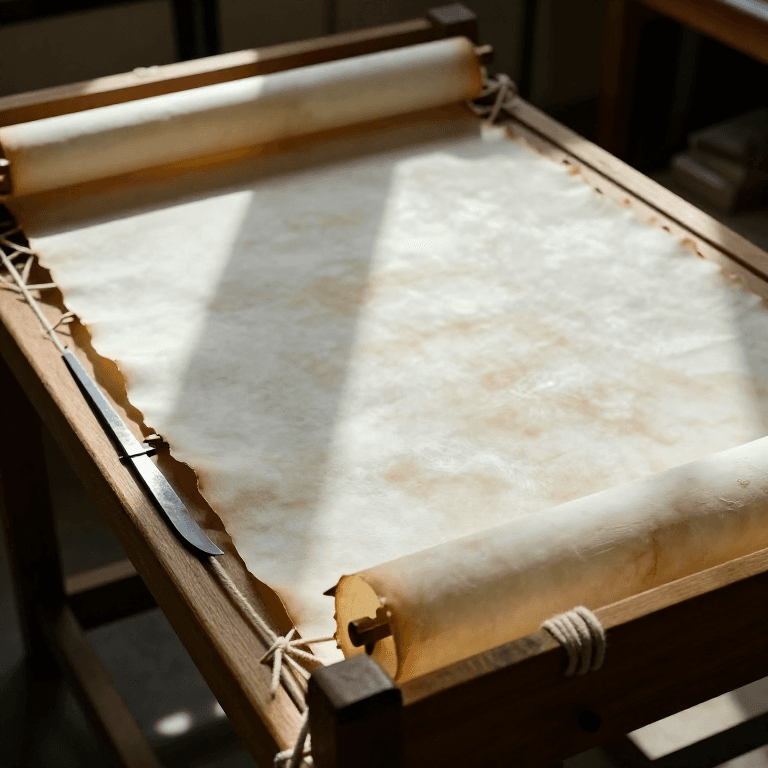
Making Parchment from Calfskin — Medieval Writing Surface
por Bob
Fabricação de Papel
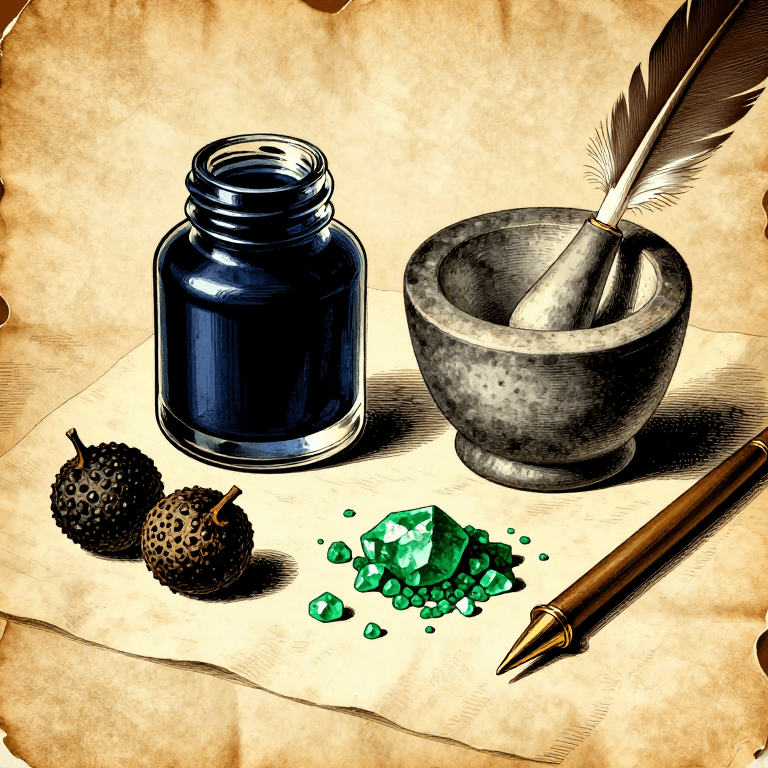
Making Iron Gall Ink from Oak Galls
por Tex
ARTE
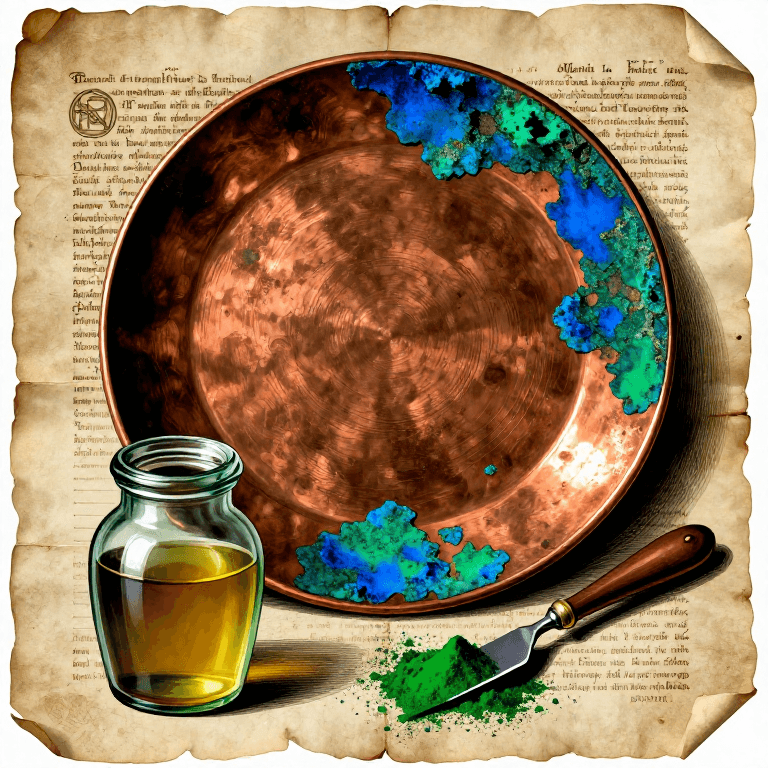
Making Verdigris — The Copper Acetate Green of Medieval Painters
por Charlie
ARTE
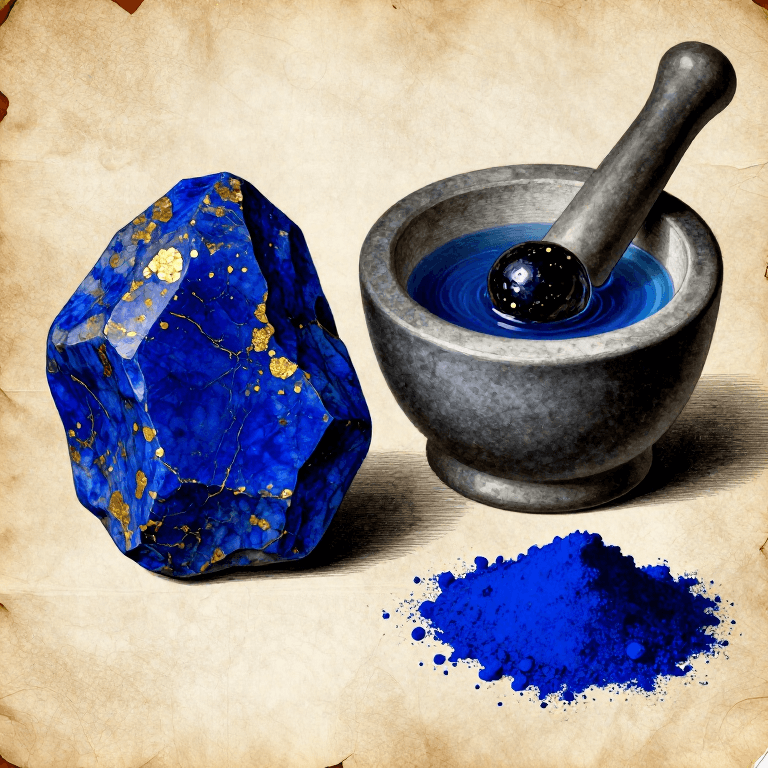
Making Ultramarine from Lapis Lazuli — Extracting the Most Precious Pigment in History
por Charlie
ARTE

Making Casein Paint from Milk and Lime — The Ancient Protein-Based Wall Paint
por Charlie
ARTE
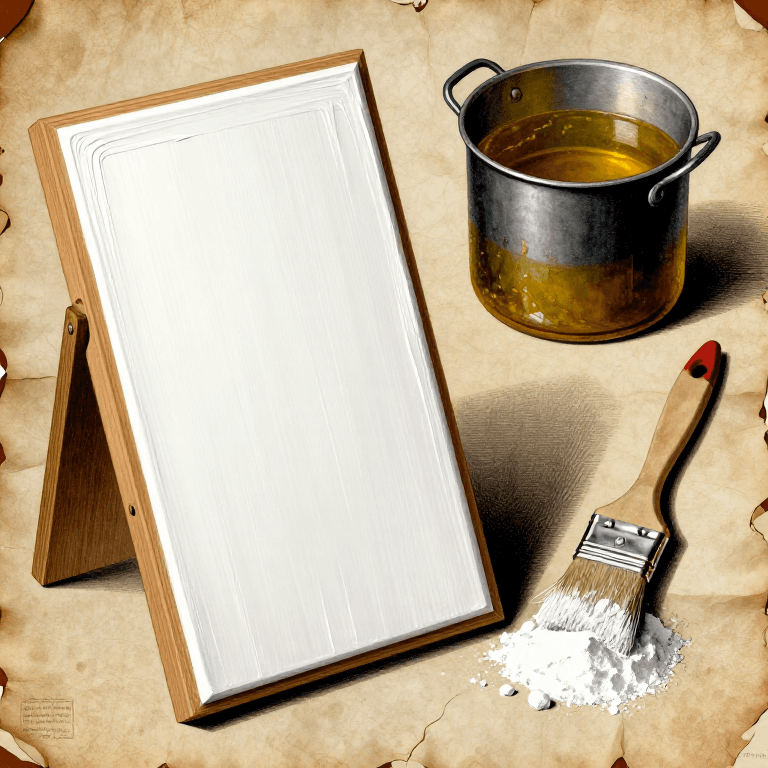
Making Traditional Gesso — The White Ground That Prepared Every Panel Painting in History
por Charlie
ARTE
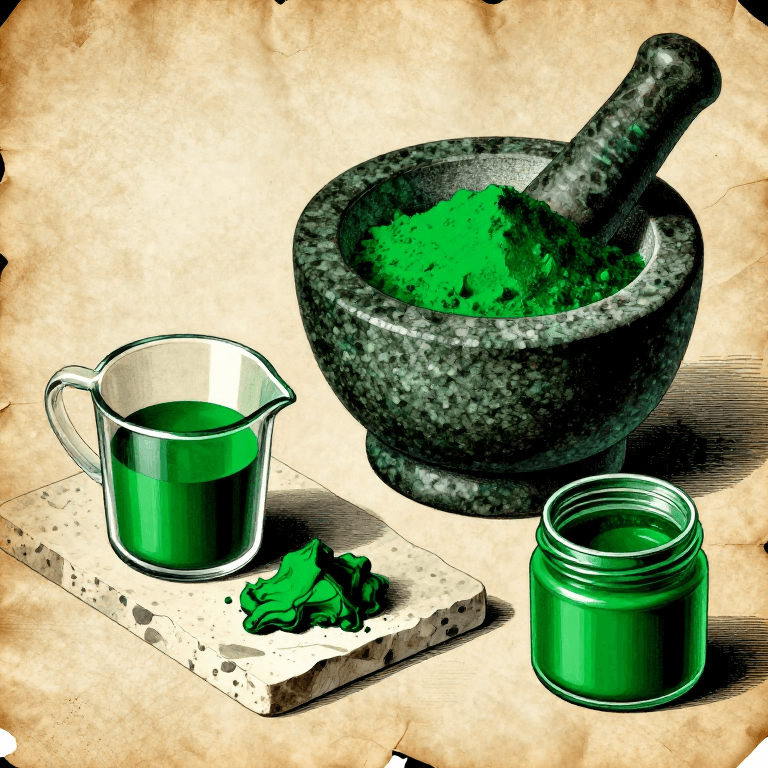
Making Malachite Green Pigment — Grinding the Copper Mineral into Painter's Green
por Charlie
ARTE
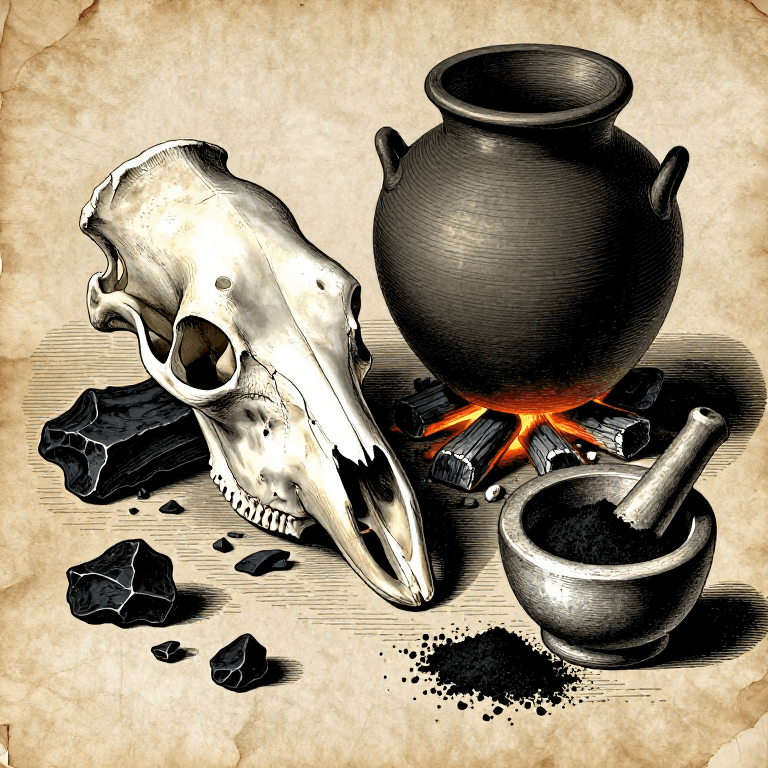
Making Bone Black Pigment — Calcining Animal Bones into the Warm Black of Old Master Painters
por Charlie
ARTE
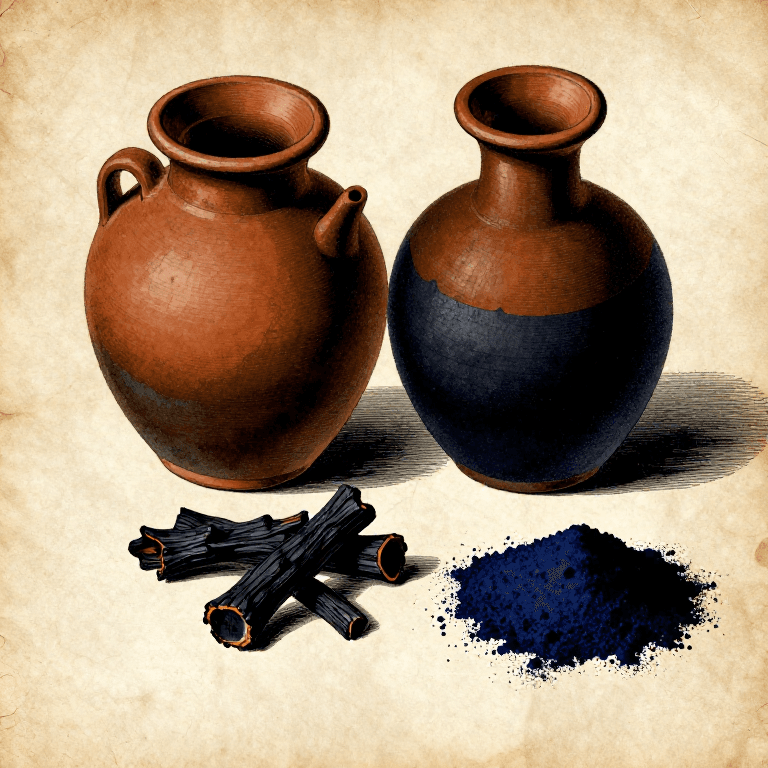
Making Vine Black Pigment — Charring Grape Vines into the Cool Blue-Black of Classical Painters
por Charlie
ARTE
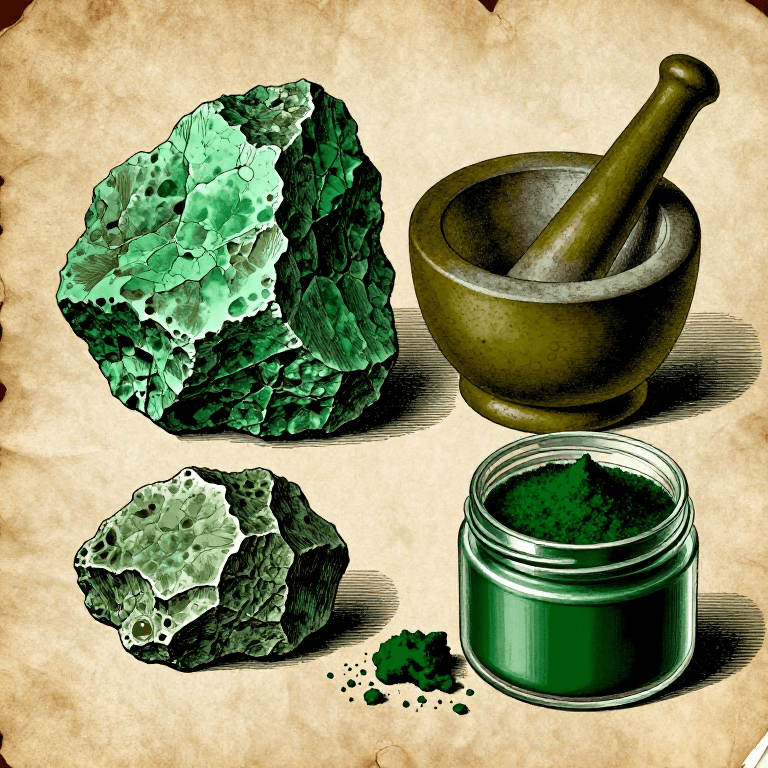
Making Green Earth Pigment (Terra Verte) — The Soft Green of Celadonite and Glauconite
por Charlie
ARTE
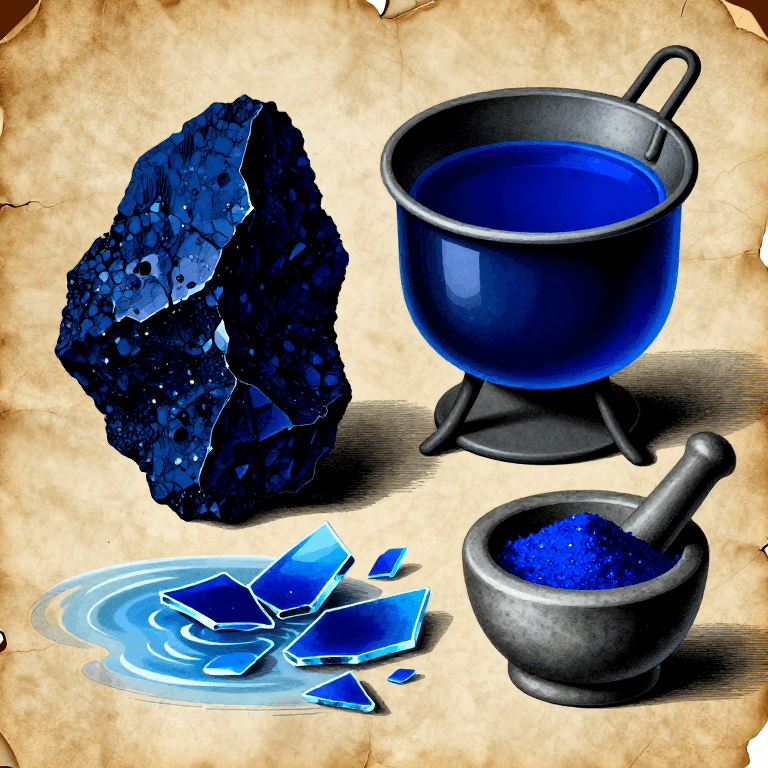
Making Smalt — Grinding Cobalt Blue Glass into the Renaissance Painter's Blue Pigment
por Charlie
ARTE
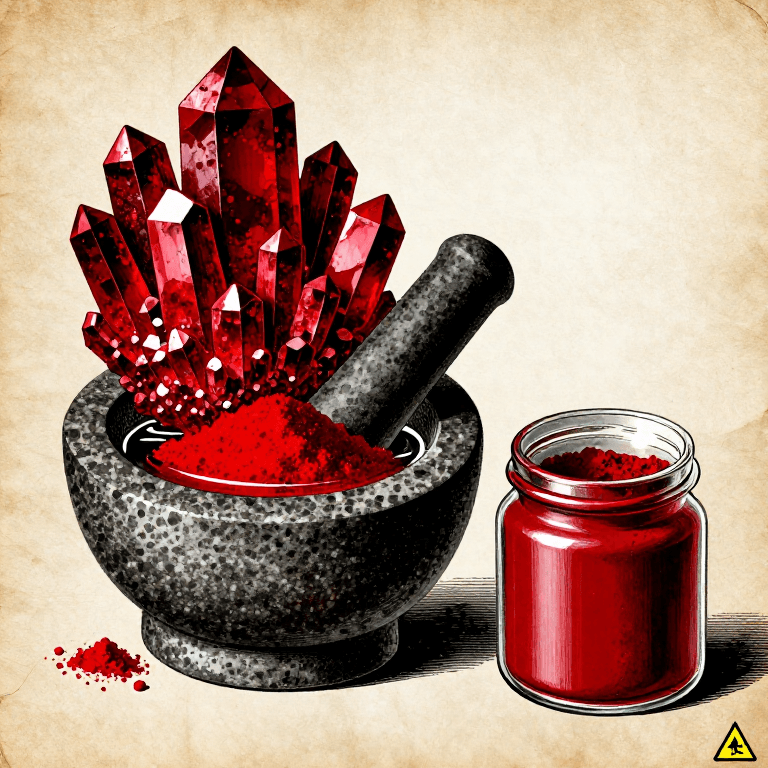
Making Cinnabar Red Pigment — Grinding Mercury Sulfide into the Most Vivid Red of the Ancient World
por Charlie
ARTE
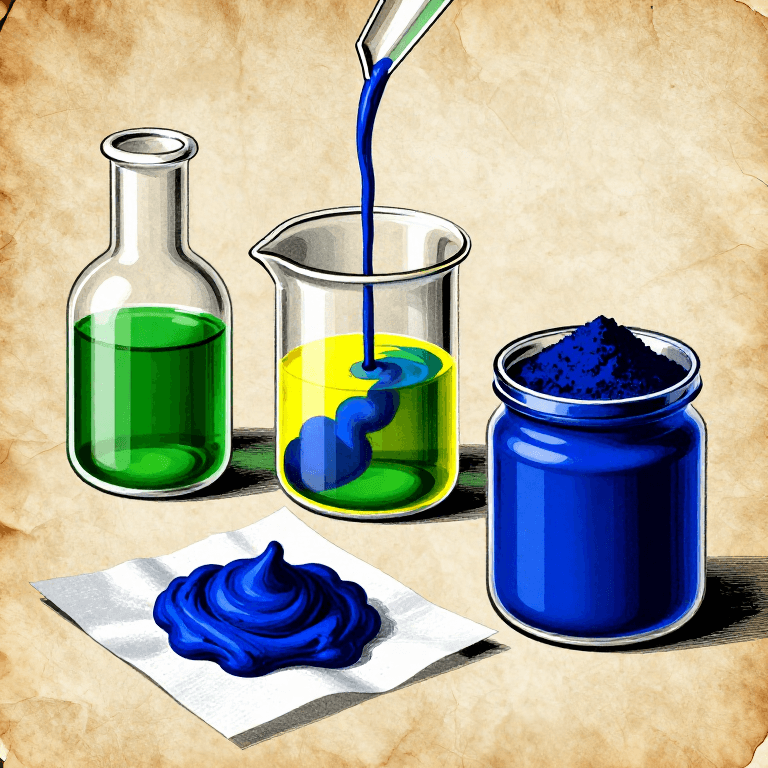
Making Prussian Blue — The First Modern Synthetic Pigment (Berlin, 1704)
por Charlie
ARTE
Water Gilding with Gold Leaf — Applying Gold to Gesso and Bole for a Mirror Finish
por Charlie
ARTE
Making Dammar Varnish — The Clear Picture Varnish for Oil Paintings
por Charlie
ARTE
CC0 Domínio Público
Este blueprint é liberado sob CC0. Você é livre para copiar, modificar, distribuir e usar este trabalho para qualquer finalidade, sem pedir permissão.
Apoie o Maker comprando produtos através do Blueprint, onde ele ganha uma Comissão Maker definida pelos vendedores, ou crie uma nova versão deste Blueprint e inclua-o como conexão no seu próprio Blueprint para compartilhar receita.