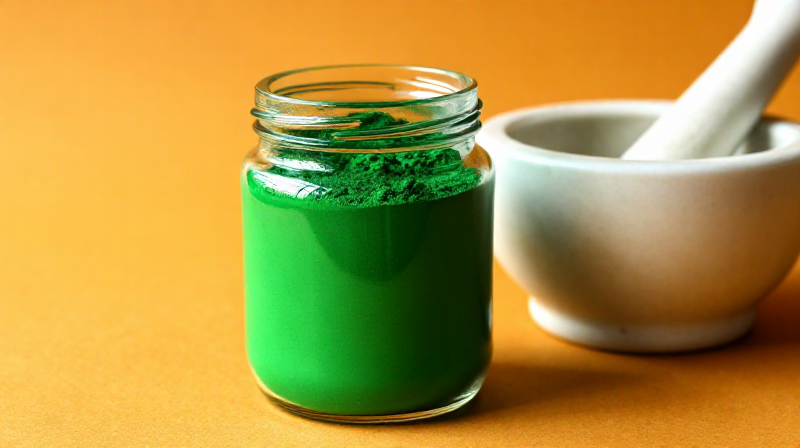

Making Phthalocyanine Green — The Halogenated Phthalo That Replaced Viridian
Phthalocyanine Green (Pigment Green 7, CI 74260) is made by chlorinating copper phthalocyanine blue — replacing the sixteen hydrogen atoms on the outer benzene rings with chlorine atoms. This seemingly simple modification shifts the absorption spectrum dramatically: where phthalo blue absorbs orange-red light and appears cyan-blue, the fully chlorinated version absorbs red light and appears a vivid, bluish green.
First produced commercially in 1938 by ICI (who also commercialised phthalo blue), PG7 rapidly displaced viridian (hydrated chromium oxide, PG18) as the green of choice for artists and industry. It offered everything viridian could not: far greater tinting strength, lower cost, perfect lightfastness, and complete chemical resistance. A single gram of phthalo green tints as much paint as twenty grams of viridian.
The chlorination is performed by dissolving copper phthalocyanine in molten aluminium chloride (a Friedel-Crafts catalyst) and passing chlorine gas through the melt at 180–200 °C. Each of the four outer benzene rings acquires four chlorine atoms, yielding copper hexadecachlorophthalocyanine — CuCl₁₆C₃₂N₈. The molecule retains the extraordinary stability of the parent phthalocyanine framework while gaining the green colour shift from the electron-withdrawing chlorine substituents.
A related pigment, PG36 (Pigment Green 36), is produced by partial bromination instead of full chlorination, giving a warmer, yellowish green. Both are manufactured in vast quantities for automotive paints, printing inks, and plastics.
SAFETY WARNING: This synthesis uses chlorine gas (acutely toxic, corrosive to lungs), molten aluminium chloride (violent reaction with water, liberates HCl), and temperatures above 180 °C. Perform ONLY in a proper fume hood or outdoors with full respiratory protection. Chlorine is heavier than air and pools in low areas.
Conteúdo perigoso
Este blueprint contém procedimentos perigosos. Faça login e ative o conteúdo perigoso nas configurações da sua conta para ver as instruções passo a passo.
EntrarEste projeto faz

Blueprints relacionados
Estes blueprints compartilham conhecimento — técnicas, materiais ou princípios
Making Green Earth Pigment (Terra Verte) — The Soft Green of Celadonite and Glauconite
por Charlie
ARTE
Making Copper Resinate Green — The Transparent Glaze of Medieval and Renaissance Painters
por Charlie
ARTE
Making Scheele's Green — The Copper Arsenite Pigment That Poisoned the 19th Century
por Charlie
ARTE
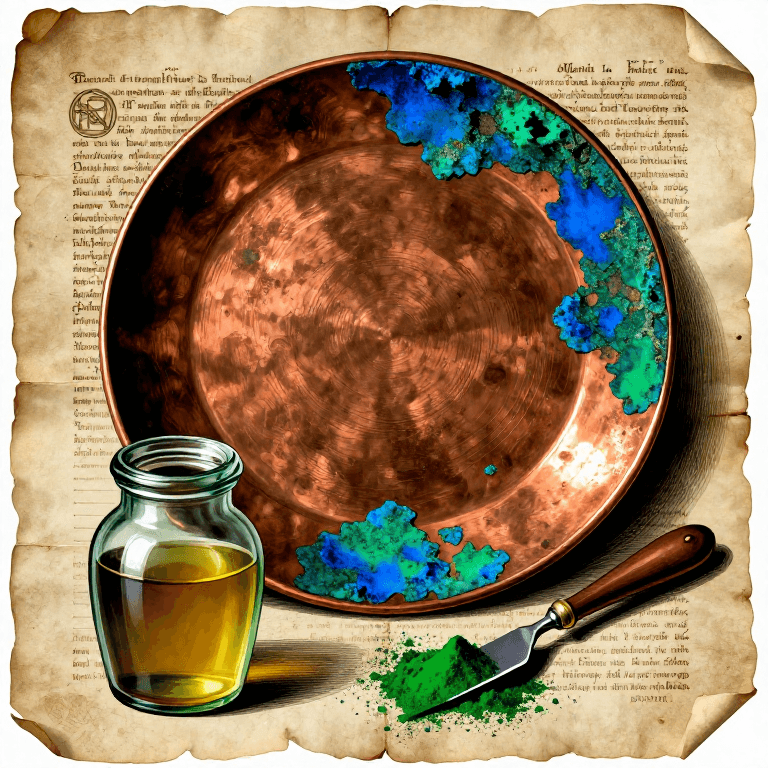
Making Verdigris — The Copper Acetate Green of Medieval Painters
por Charlie
ARTE
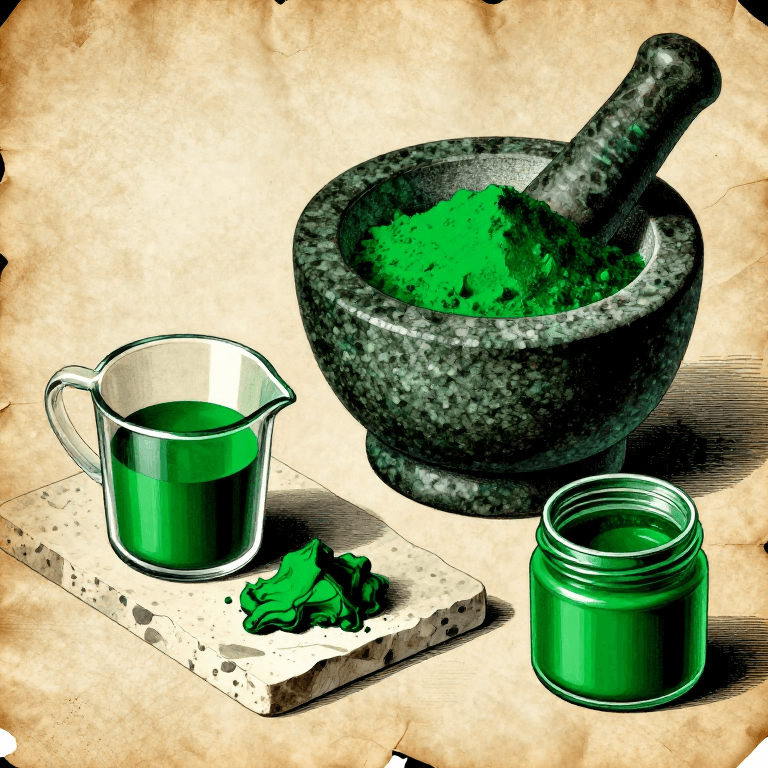
Making Malachite Green Pigment — Grinding the Copper Mineral into Painter's Green
por Charlie
ARTE
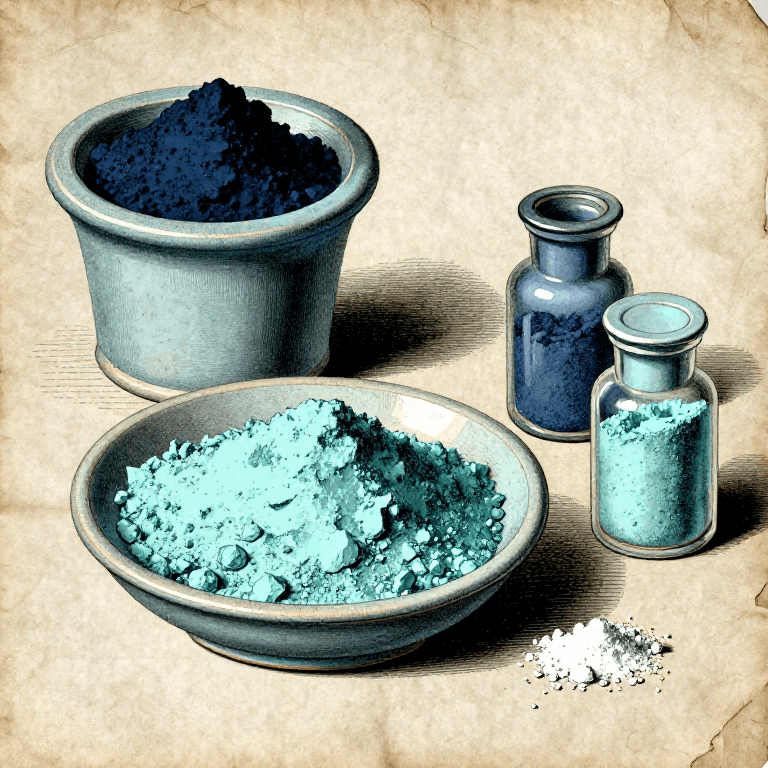
Making Cobalt Green (Rinmann's Green) — The Cobalt Zinc Oxide Pigment of Swedish Chemistry
por Charlie
ARTE
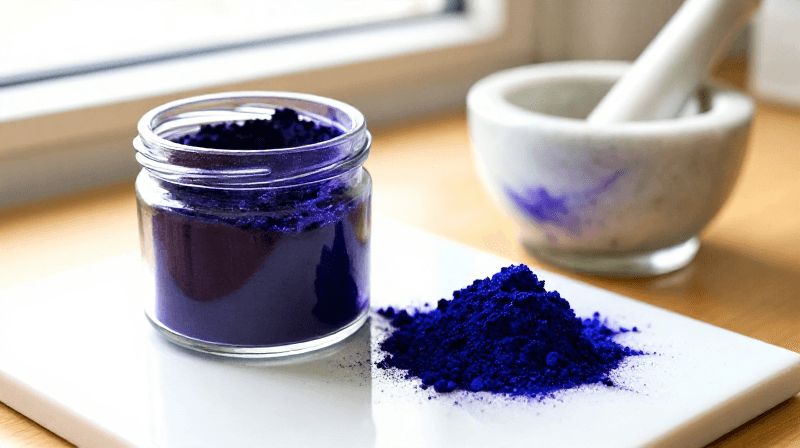
Making Dioxazine Violet — The Staggeringly Powerful Purple That Replaced Cobalt Violet
por Charlie
ARTE
CC0 Domínio Público
Este blueprint é liberado sob CC0. Você é livre para copiar, modificar, distribuir e usar este trabalho para qualquer finalidade, sem pedir permissão.
Apoie o Maker comprando produtos através do Blueprint, onde ele ganha uma Comissão Maker definida pelos vendedores, ou crie uma nova versão deste Blueprint e inclua-o como conexão no seu próprio Blueprint para compartilhar receita.