ARTE
BELEZA E BEM-ESTAR
ARTESANATO
CULTURA E HISTÓRIA
ENTRETENIMENTO
MEIO AMBIENTE
COMIDA E BEBIDAS
ENGENHARIA REVERSA
CIÊNCIAS
ESPORTES
TECNOLOGIA
TECNOLOGIA VESTÍVEL
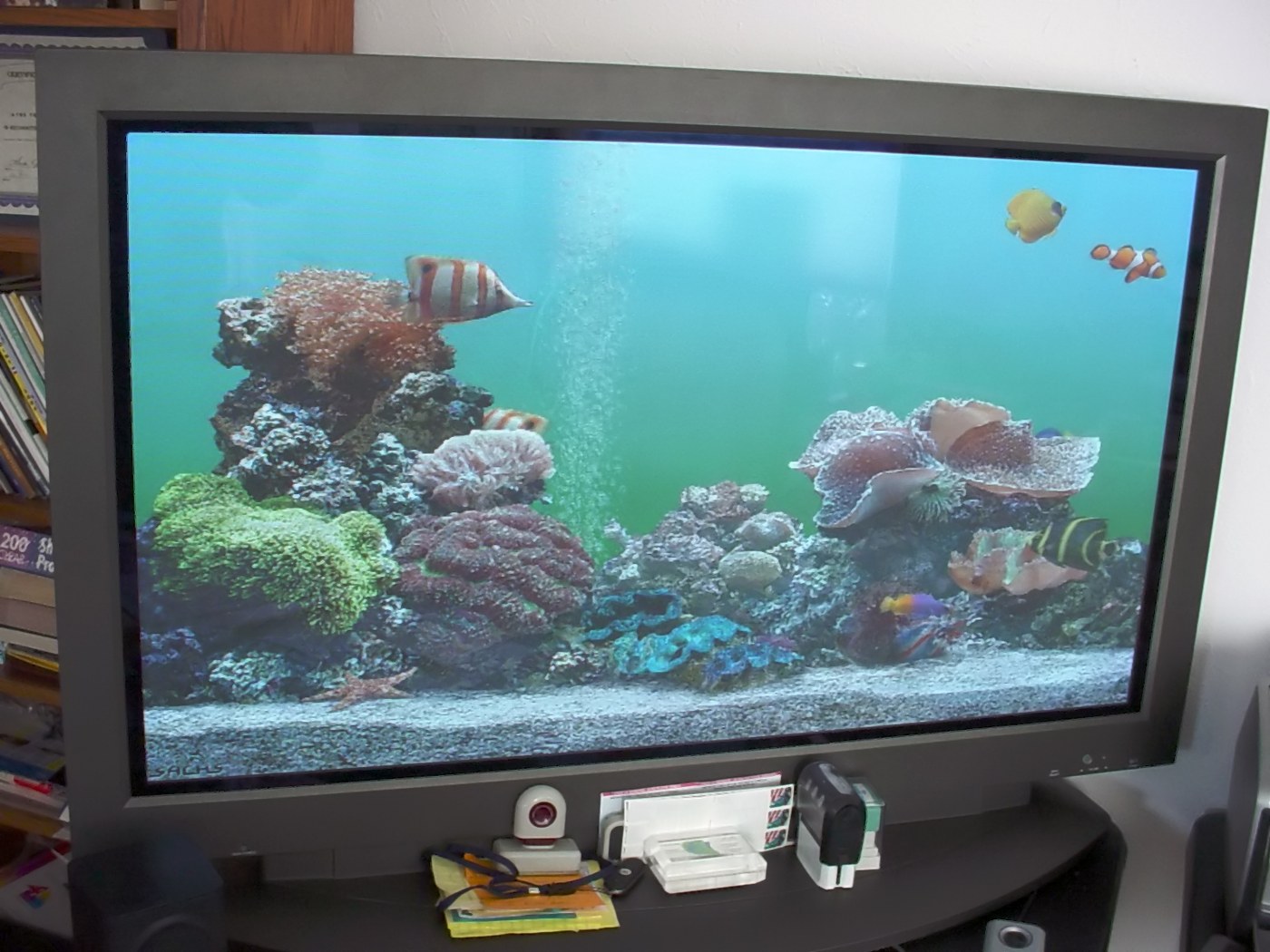


The Plasma Display Panel
Bitzer and Slottow, 1964. A quarter-million tiny neon cells behind one glass sheet, each a pixel. The trick is memory: charge stored on an internal dielectric keeps a struck cell lit on a sustain voltage too low to have started it, so the panel holds its image with no refresh. It is the Nixie's glow discharge, engineered into a flat grid.
Avançado
5 hours
Instruções
1
1
A pixel that is a neon lamp
A pixel that is a neon lamp
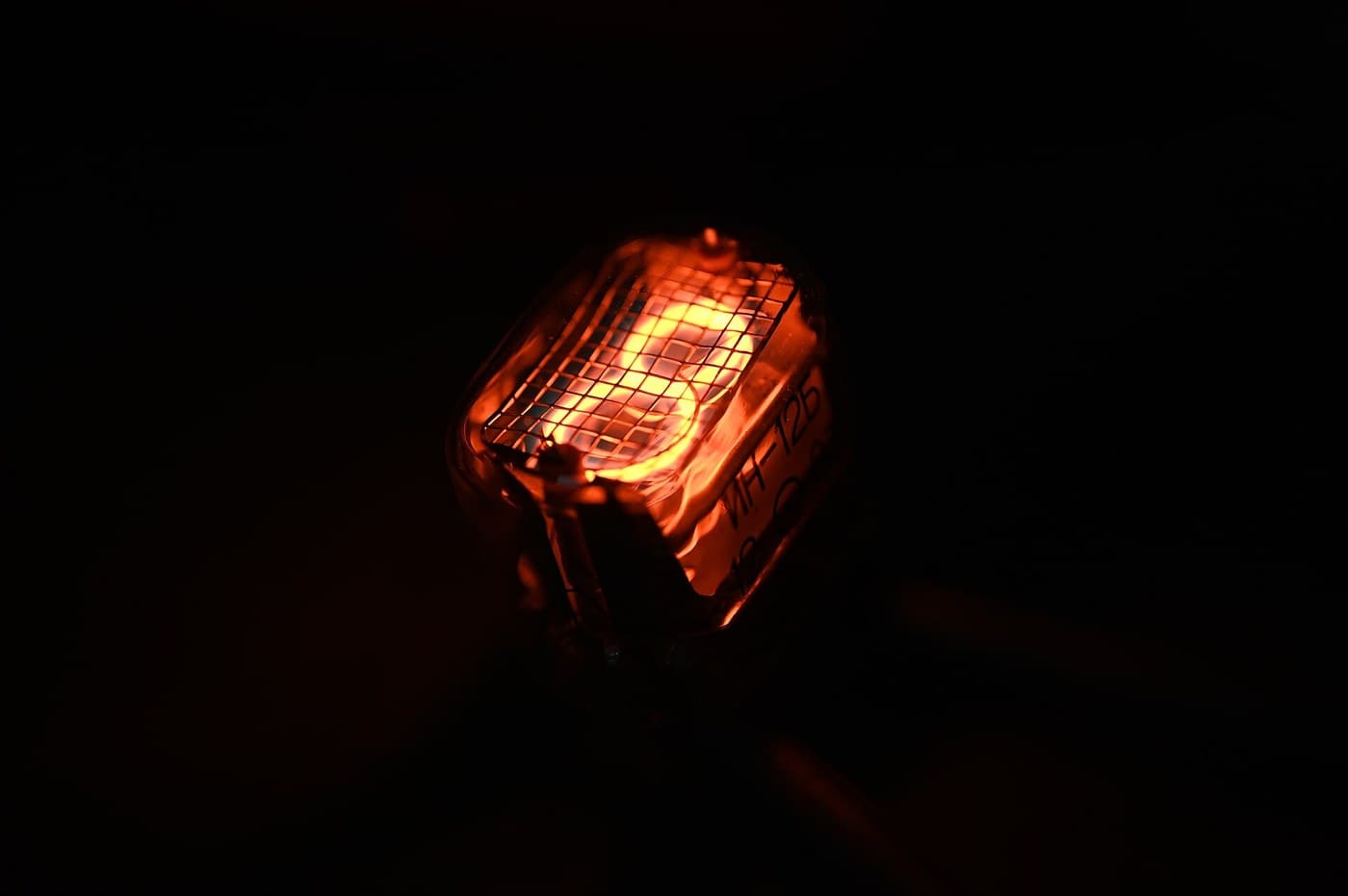
A plasma cell is a Nixie shrunk to 0.3 mm: same strike and sustain voltages, same Penning gas. Three changes make it a display: a grid of tiny cells; electrodes hidden behind a dielectric that STORES charge; and UV from the discharge lighting red/green/blue phosphors instead of using the neon light directly. Read the embedded Nixie blueprint for the discharge itself.
2
2
The memory margin: two voltages, and the gap that stores a bit
The memory margin: two voltages, and the gap that stores a bit
A carregar o notebook Jupyter…
Ferramentas necessárias:
 Desktop Computer
3
3
Strike one cell on a bench, and find the Paschen minimum
Strike one cell on a bench, and find the Paschen minimum
Build one cell and find the Paschen minimum. Two electrodes a few mm apart in a jar on a vacuum pump; HV supply through a series resistor; meter on the strike voltage. Admit gas slowly and the strike voltage falls, hits a MINIMUM, then rises again — the sweet spot where an electron gains enough energy and still finds atoms to hit. Plasma cells sit there, which is why they strike at ~200 V not thousands.
HV safety: one hand behind your back, bleeder resistor across the rail, eye protection. Evacuated glass can implode.
Materiais para este passo:
 High Voltage Boost Module (170V)1 peça
 Neon Indicator Lamp1 peça
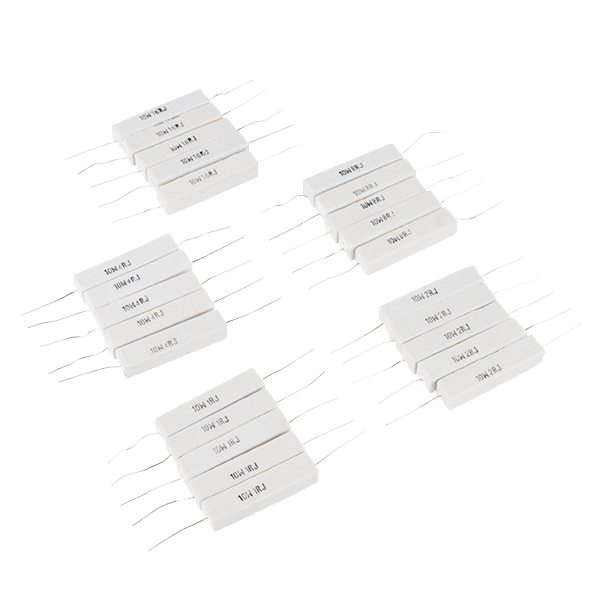 Power Resistor Kit - 10W (25 pack)1 kit
Ferramentas necessárias:
 Digital Multimeter (Lab Grade)
 Lab Safety Goggles
Materiais
3- Referência
- 1 peçaReferência
- Power Resistor Kit - 10W (25 pack)10% de comissão1 kitR$29.19
Ferramentas necessárias
3- Referência
- Referência
- Referência
Total estimado
O que quem fez comprou. Os materiais sem preço obtêm-se onde os comprares.
Blueprints relacionados
Estes blueprints compartilham conhecimento — técnicas, materiais ou princípios


CC0 Domínio Público
Este blueprint é liberado sob CC0. Você é livre para copiar, modificar, distribuir e usar este trabalho para qualquer finalidade, sem pedir permissão.
Apoie o Maker comprando produtos através do Blueprint, onde ele ganha uma Comissão Maker definida pelos vendedores, ou crie uma nova versão deste Blueprint e inclua-o como conexão no seu próprio Blueprint para compartilhar receita.