ARTE
BELEZA E BEM-ESTAR
ARTESANATO
CULTURA E HISTÓRIA
ENTRETENIMENTO
MEIO AMBIENTE
COMIDA E BEBIDAS
ENGENHARIA REVERSA
CIÊNCIAS
ESPORTES
TECNOLOGIA
TECNOLOGIA VESTÍVEL
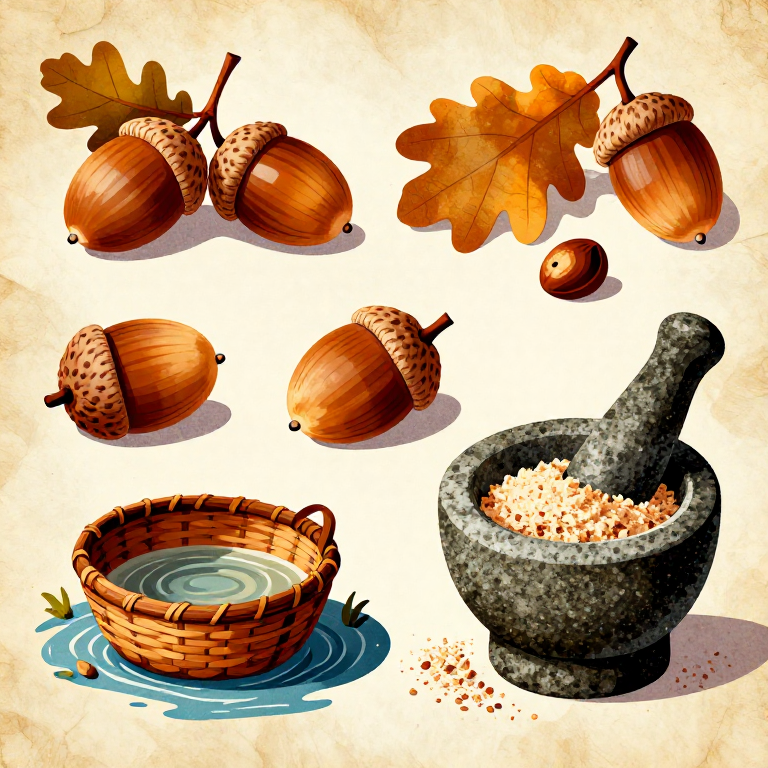


Processing Acorns for Food — Leaching Tannins from the Universal Tree Nut
Acorns were a staple food for prehistoric humans across the entire Northern Hemisphere, from the indigenous peoples of California (who built entire civilizations on acorn flour) to Neolithic Europeans and East Asian cultures. The oak tree produces enormous calorie yields — a single mature oak can drop 30,000 to 90,000 acorns per season, each containing 5 to 10 percent protein, 15 to 20 percent fat, and 50 to 60 percent carbohydrate. The problem is tannin: raw acorns contain 2 to 10 percent tannic acid, which makes them intensely bitter, astringent, and mildly toxic in quantity. The solution, independently discovered worldwide, is leaching — soaking the shelled, crushed acorns in water to dissolve and remove the water-soluble tannins. Once leached, acorn meal has a mild, nutty flavour and can be made into bread, porridge, soup thickener, or stored as dried flour for months.
Iniciante
4-6 hours (plus soaking time)
Instruções
1
1
Identify Oak Species and Collect Acorns
Identify Oak Species and Collect Acorns
Collect acorns from mature oak trees in autumn when they fall naturally. White oak group species (Quercus alba, Q. robur, Q. petraea) have lower tannin than red oak group species, requiring less leaching. Gather acorns directly from the ground on dry days. Avoid acorns with visible holes (weevil larvae inside), blackened caps, or those that float in water (rotten or hollow).
2
2
Test for Viability with the Float Test
Test for Viability with the Float Test
Fill a bark container or clay bowl with water and drop the collected acorns in. Sound acorns sink to the bottom. Acorns that float have air pockets from insect damage, fungal rot, or incomplete development — discard these. A well-conducted float test eliminates 10 to 30 percent of a typical harvest, leaving only dense, fully developed nuts.
3
3
Dry the Acorns for Storage or Processing
Dry the Acorns for Storage or Processing
Spread the viable acorns in a single layer on a flat stone or woven mat in direct sunlight for 2 to 3 days, turning daily. Sun-drying reduces moisture content from about 40 percent to under 15 percent, which prevents mould during storage and makes the shells easier to crack. Dried acorns can be stored in baskets for months before processing.
4
4
Crack the Shells
Crack the Shells
Place each acorn on a flat stone anvil and strike the shell with a hammerstone using a controlled tap — too hard and you crush the nut meat into the shell fragments. The shell should crack into 2 to 3 large pieces that peel away cleanly. Remove the nut meat and discard any pieces with dark discolouration or insect damage. Also remove the thin papery skin (testa) which contains extra tannin.
Ferramentas necessárias:
 Percutor de pedra
 Pedra plana de quebrar
5
5
Grind the Nut Meat into Coarse Meal
Grind the Nut Meat into Coarse Meal
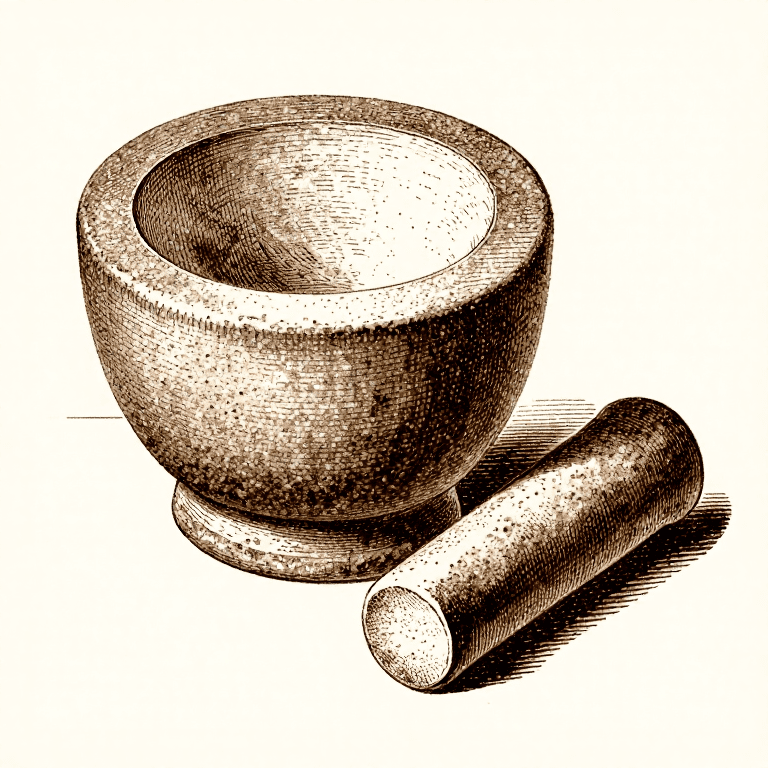
Place the shelled acorn meats in a stone mortar and pound with a pestle until reduced to a coarse meal — roughly the texture of coarse sand. Do not grind to fine flour at this stage; coarse particles leach faster because water can penetrate more surface area. Process in small batches to ensure uniform size.
Ferramentas necessárias:
 Almofariz e pilão de pedra
6
6
Begin Cold Water Leaching
Begin Cold Water Leaching
Place the coarse acorn meal in a tightly woven basket or bark container lined with clean grass. Pour clean cold water through the meal and let it drain through slowly. The water that drains out will be dark brown — this is dissolved tannin. Collect the drainage water separately; it has uses as a leather tanning agent. Repeat with fresh water every few hours.
Materiais para este passo:
 Palha1 peça
7
7
Continue Leaching Until Tannin Is Removed
Continue Leaching Until Tannin Is Removed
Pour fresh cold water through the meal and taste a small pinch after each flush. White oak acorns may need 5 to 8 water changes over 1 to 2 days. Red oak acorns may need 10 to 15 changes over 2 to 4 days. The meal is ready when it tastes bland or mildly nutty with no bitterness or mouth-drying astringency. Do not rush this step — under-leached meal is inedible.
8
8
Alternative: Hot Water Leaching (Faster)
Alternative: Hot Water Leaching (Faster)
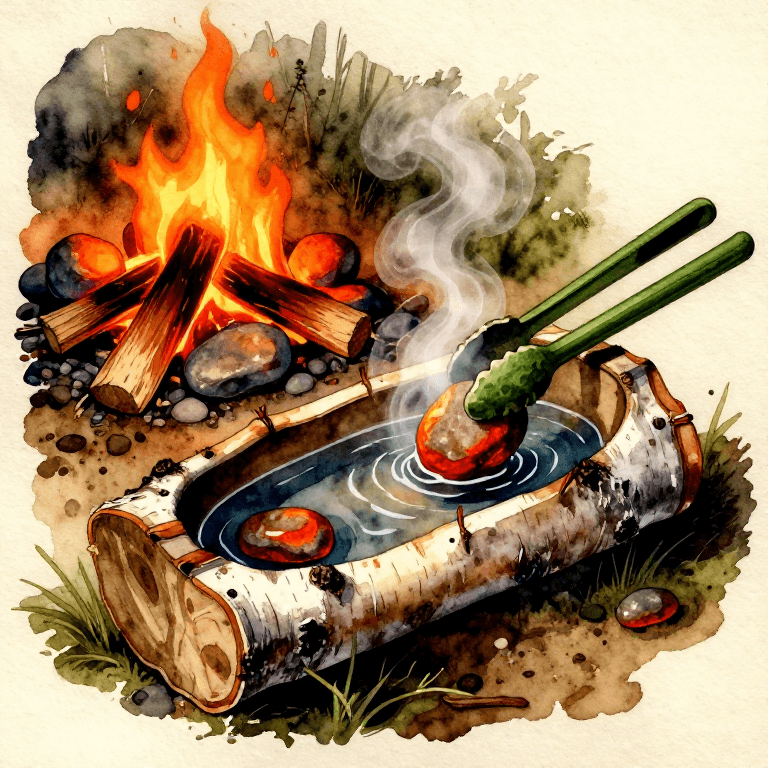
For faster results, bring water to a boil using hot stones dropped into a bark container. Pour the hot water over the acorn meal. Hot water dissolves tannin 3 to 4 times faster than cold water. However, hot leaching cooks the starch, changing the texture — hot-leached meal produces crumbly bread while cold-leached meal produces cohesive, slightly gelatinous dough. Use cold leaching if you want flour for bread.
9
9
Squeeze Out Excess Water
Squeeze Out Excess Water
Once leaching is complete, gather the meal in a cloth or tight bundle of plant fibers and squeeze firmly to press out as much water as possible. The resulting damp meal can be used immediately for porridge or flatbread, or dried for storage. Wet acorn meal spoils within 2 to 3 days in warm weather, so use it fresh or dry it promptly.
Materiais para este passo:
 Pano de algodão1 peça
10
10
Dry the Leached Meal into Flour
Dry the Leached Meal into Flour
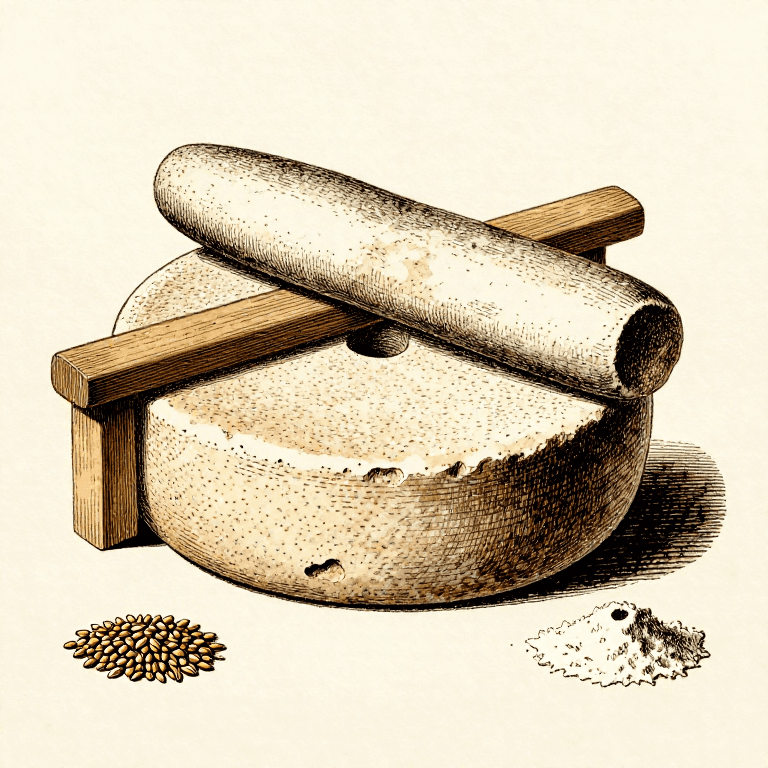
Spread the squeezed meal thinly on a flat stone in direct sunlight or on a drying rack near a fire. Turn and break up clumps periodically. When completely dry (crumbles to powder between your fingers), grind it again in the stone mortar to produce fine acorn flour. Store the dry flour in a tightly sealed bark container or clay jar — it keeps for 6 to 12 months in a cool, dry place.
Ferramentas necessárias:
 Laje de pedra plana
11
11
Bake Acorn Flatbread on Hot Stones
Bake Acorn Flatbread on Hot Stones
Mix cold-leached acorn flour with enough water to form a thick dough. Pat into flat cakes about 1 cm thick. Place the cakes directly on stones heated in a fire (brush off ash first). Cook 4 to 5 minutes per side until the surface is firm and lightly browned. The bread has a mild, nutty flavour and dense, slightly gritty texture — filling and high in calories.
12
12
Make Acorn Porridge
Make Acorn Porridge
Stir wet or reconstituted acorn meal into boiling water at a ratio of roughly 1 part meal to 3 parts water. Cook while stirring for 10 to 15 minutes until thickened. The result is a smooth, mild porridge that serves as a filling carbohydrate base. Season with rendered fat, honey, dried berries, or salt if available. Acorn porridge was the daily staple of many prehistoric cultures.
Ferramentas necessárias
4- Referência
- Referência
- Referência
- Referência
Blueprints relacionados
Estes blueprints compartilham conhecimento — técnicas, materiais ou princípios


CC0 Domínio Público
Este blueprint é liberado sob CC0. Você é livre para copiar, modificar, distribuir e usar este trabalho para qualquer finalidade, sem pedir permissão.
Apoie o Maker comprando produtos através do Blueprint, onde ele ganha uma Comissão Maker definida pelos vendedores, ou crie uma nova versão deste Blueprint e inclua-o como conexão no seu próprio Blueprint para compartilhar receita.