ARTE
BELEZA E BEM-ESTAR
ARTESANATO
CULTURA E HISTÓRIA
ENTRETENIMENTO
MEIO AMBIENTE
COMIDA E BEBIDAS
ENGENHARIA REVERSA
CIÊNCIAS
ESPORTES
TECNOLOGIA
TECNOLOGIA VESTÍVEL
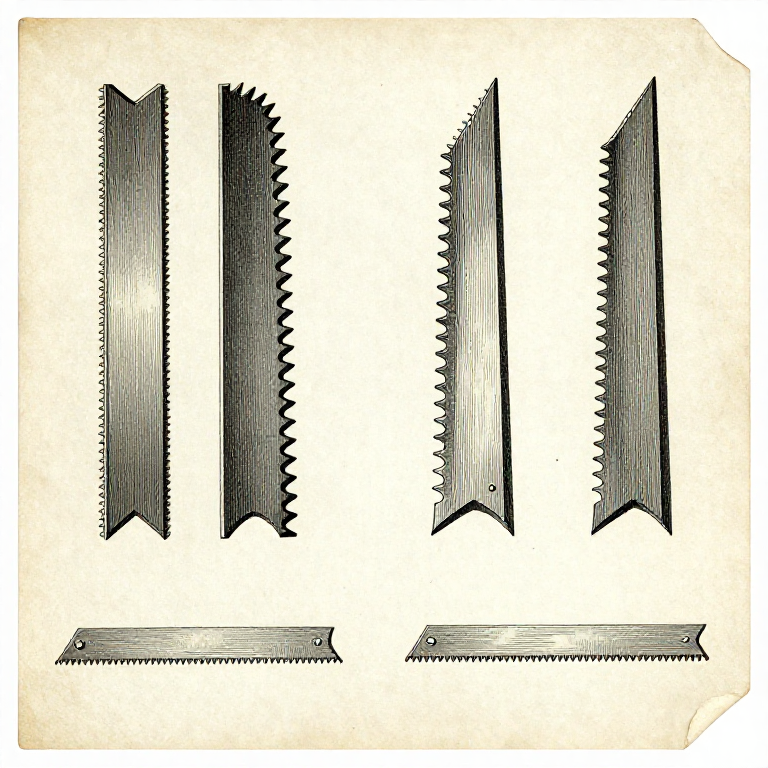


Rip and Crosscut: Two Saws Because Wood Has a Grain
Wood is a bundle of long fibres glued together. Cutting ALONG those fibres and cutting ACROSS them are genuinely different problems, and they need differently shaped teeth.
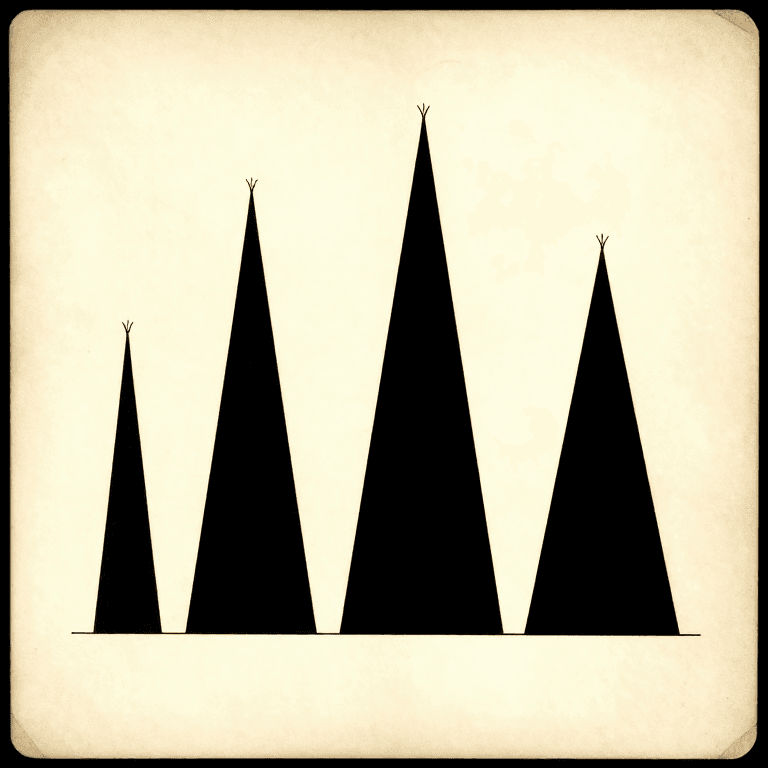
A RIP tooth is a tiny chisel, square across its front edge, and it pares the fibres away lengthwise like a plane. A CROSSCUT tooth is a tiny knife, bevelled to a point, and it severs the fibres on each side of the kerf before lifting out what is between them.
Use the wrong one and it still cuts — badly. A rip saw across the grain tears the fibres and leaves a ragged edge; a crosscut saw along the grain is slow and hard work. Knowing which is which is worth more than any amount of effort.
Iniciante
2 hours
Instruções
1
1
Look at the front face of a tooth
Look at the front face of a tooth
Under a loupe, a rip tooth's front face is square across the blade — a flat chisel edge the full width of the tooth. A crosscut tooth's front face is bevelled, so the tooth comes to a point at one corner.
That pointed corner is a knife, and it is doing the job of the marking knife you would use before a hand-cut joint: scoring the fibres cleanly at the edge of the cut so they cannot tear out.
The other visible difference is RAKE — how far the front face leans back from vertical. A rip tooth is near vertical and bites aggressively; a crosscut tooth leans back, which makes it gentler and less inclined to snatch. That is why a rip saw grabs when you start it and a crosscut saw does not.
Ferramentas necessárias:
 Serrote de rasgar
 Serra traçadeira
 Lupa de joalheiro
2
2
Cut the same board both ways and compare
Cut the same board both ways and compare
Take a scrap of softwood. Make a short cut across the grain and a short cut along it, with the same saw, and look at both edges.
Along the grain the saw runs easily and the edge is reasonably clean. Across it the same saw is slower, and if it is a rip saw the top edge of the cut will show torn fibres lifting out. Swap saws and repeat and the difference is unmistakable.
Ten minutes doing this teaches more than any description, and it also calibrates your hands: rip cutting and crosscutting FEEL different, and once you know the feel you can tell you have the wrong saw within three strokes.
Materiais para este passo:
 Tábua de resinosa seca2 peças
Ferramentas necessárias:
Serrote de rasgarSerra traçadeira Batente de serrar
3
3
The specialist saws, and what each is for
The specialist saws, and what each is for
A TENON saw has a stiff brass or steel spine along its back, fine crosscut teeth and a short blade. The spine stops the thin blade flexing, which is what makes an accurate joint cut possible. A DOVETAIL saw is the same idea, smaller and finer.
A JAPANESE PULL SAW cuts on the pull stroke. Because the blade is in tension it can be far thinner, so the kerf is narrower and the cut cleaner — at the cost of a blade that kinks if you push hard. Many have rip teeth on one edge and crosscut on the other.
A HACKSAW is for metal and has a tensioned replaceable blade in a frame. A COPING or FRET saw has a very narrow blade in a deep frame for cutting curves. Each has its own rung or section in this batch, because the technique differs as much as the tool does.
Ferramentas necessárias:
 Serrote de costas
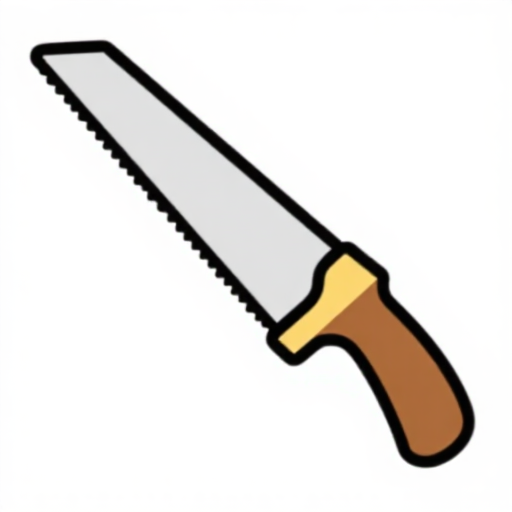 Serrote de costas para malhetes
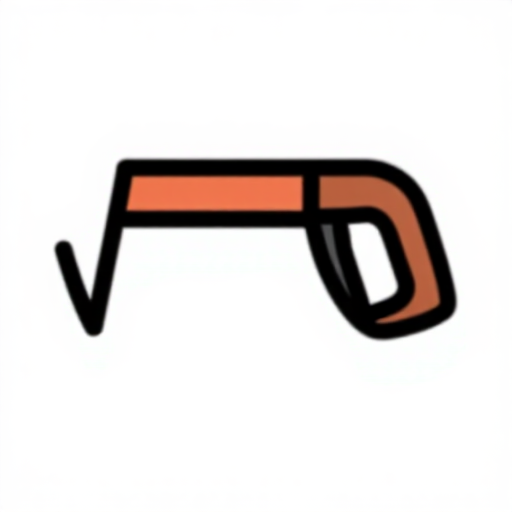 Serrote japonês de tração
 Serra de recortes
4
4
Most modern saws are hardpoint, and that changes the advice
Most modern saws are hardpoint, and that changes the advice
A hardpoint saw has induction-hardened teeth: much harder than the blade body, so they stay sharp several times longer — and completely unsharpenable, because a file will not touch them.
They are cheap, they cut well, and when they go blunt they are thrown away. That is a genuine trade and not simply a decline in standards: a hardpoint saw outlasts several sharpenings of a traditional one and costs less than one professional sharpening.
But it means the sharpening rung at the end of this batch applies only to traditional saws with soft-steel teeth. Check before you reach for a saw file: hardpoint teeth are usually visibly darker or bluish, and a file skating across them without biting settles it in one stroke.
Ferramentas necessárias:
 Serrote
 Lima para serrasLupa de joalheiro
Materiais
1- 2 peçasReferência
Ferramentas necessárias
10- Referência
- Referência
- Referência
- Referência
- Referência
- Referência
- Referência
- Referência
- Referência
- Referência
Blueprints relacionados
Estes blueprints compartilham conhecimento — técnicas, materiais ou princípios
CC0 Domínio Público
Este blueprint é liberado sob CC0. Você é livre para copiar, modificar, distribuir e usar este trabalho para qualquer finalidade, sem pedir permissão.
Apoie o Maker comprando produtos através do Blueprint, onde ele ganha uma Comissão Maker definida pelos vendedores, ou crie uma nova versão deste Blueprint e inclua-o como conexão no seu próprio Blueprint para compartilhar receita.