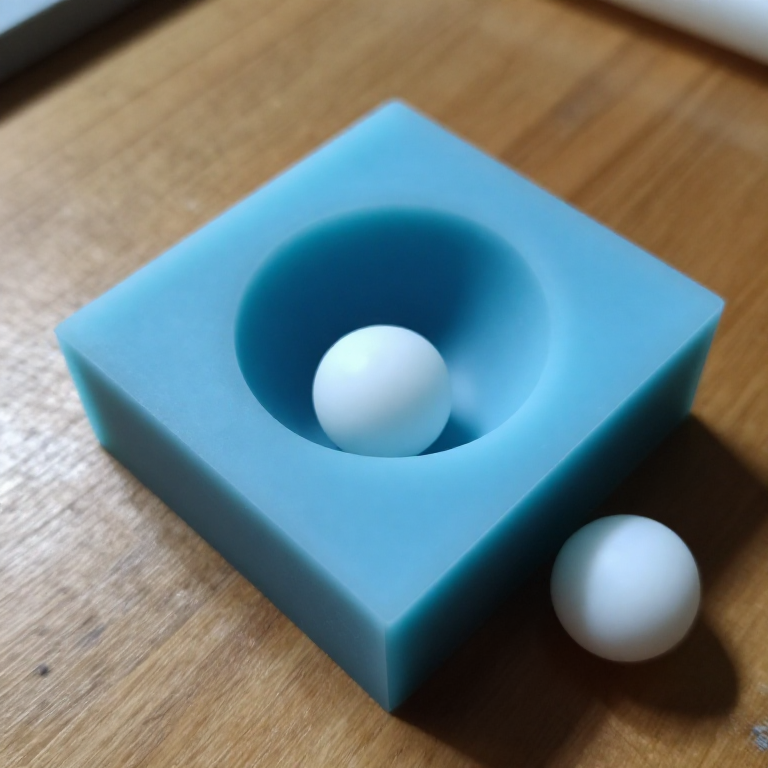
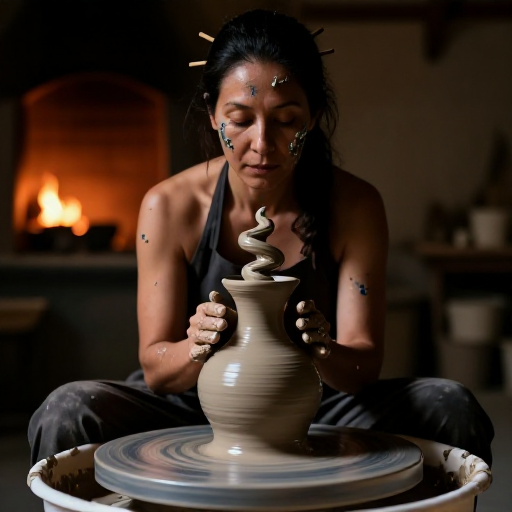

Silicone (Rochow Direct Process)
Instruções
Build the box
Build the box
Materiais para este passo:
 Cartão de espuma para maquetas1 folha
Ferramentas necessárias:
 X-ato (faca de precisão)
 Pistola de cola quente
 Régua de aço
Clay bed and keys
Clay bed and keys
Materiais para este passo:
 Barro de modelar150 g
 Berlindes de vidro2 peças
Ferramentas necessárias:
 Paquímetro digital de 6 polegadas
Weigh and mix
Weigh and mix
Materiais para este passo:
 Kit de moldes de silicone1 kit
Ferramentas necessárias:
 Balança digital de precisão
 Copos graduados de mistura
 Vareta de agitação
First pour
First pour
Ferramentas necessárias:
Copos graduados de misturaFlip and release
Flip and release
Materiais para este passo:
 Vaselina5 g
Second pour
Second pour
Materiais para este passo:
Kit de moldes de silicone1 kitFerramentas necessárias:
Balança digital de precisãoCopos graduados de misturaOpen and cut sprues
Open and cut sprues
Ferramentas necessárias:
X-ato (faca de precisão)Cast wax
Cast wax
Materiais para este passo:
 Parafina100 g
 Elásticos de borracha1 pacote
Ferramentas necessárias:
 Banho-maria
 Termómetro de confeitaria
 Luvas de soldador
 Óculos de segurança transparentes
Troubleshoot the mould
Troubleshoot the mould
Flow
Reaction, pour size, siblings
Reaction, pour size, siblings
History & Context
History & Context
Materiais
7- Cartão de espuma para maquetas10% de comissão1 folhaReferência
- 150 gReferência
- 2 peçasReferência
- Referência
- 5 gReferência
- 100 gReferência
- 1 pacoteReferência
Ferramentas necessárias
11- Referência
- Referência
- Referência
- Referência
- Referência
- Referência
- Referência
- Referência
- Referência
- Luvas de soldador10% de comissãoReferência
- Referência
Blueprints relacionados
Estes blueprints compartilham conhecimento — técnicas, materiais ou princípios



CC0 Domínio Público
Este blueprint é liberado sob CC0. Você é livre para copiar, modificar, distribuir e usar este trabalho para qualquer finalidade, sem pedir permissão.
Apoie o Maker comprando produtos através do Blueprint, onde ele ganha uma Comissão Maker definida pelos vendedores, ou crie uma nova versão deste Blueprint e inclua-o como conexão no seu próprio Blueprint para compartilhar receita.