ARTE
BELEZA E BEM-ESTAR
ARTESANATO
CULTURA E HISTÓRIA
ENTRETENIMENTO
MEIO AMBIENTE
COMIDA E BEBIDAS
ENGENHARIA REVERSA
CIÊNCIAS
ESPORTES
TECNOLOGIA
TECNOLOGIA VESTÍVEL
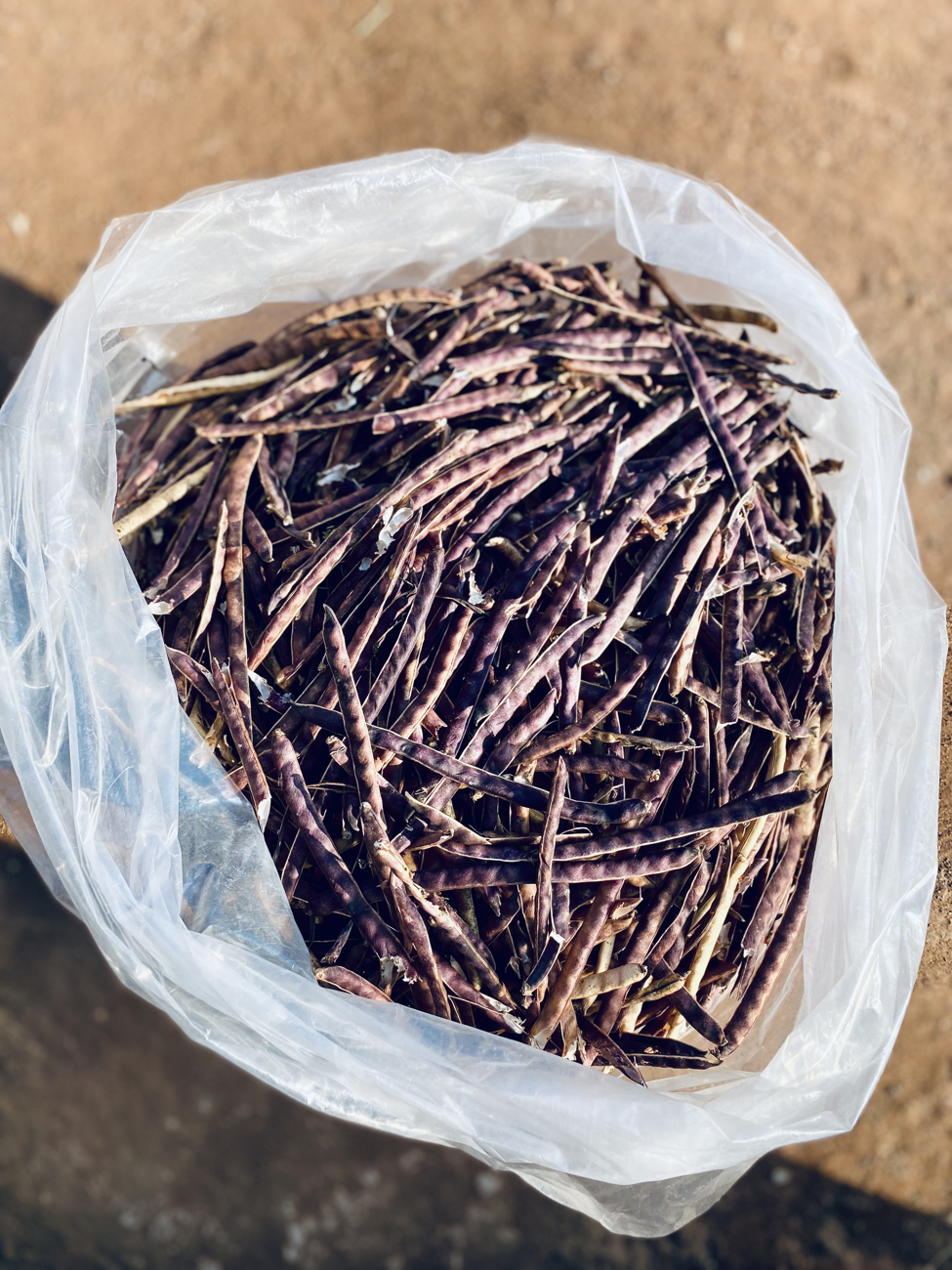
MmaBaggio (Wikimedia Commons) · CC BY-SA 4.0


Saving Bean and Pea Seeds — The Easiest First Seed to Save
Save beans and peas — the perfect beginner's seed. They are self-pollinating annuals, so they set seed the same season and come true to type with almost no risk of crossing. Just let the pods dry fully on the plant, shell them out, dry hard and store. A buildable school project in the annual, self-pollinated dry seed.
Iniciante
One growing season
Instruções
1
1
Why beans are the best first seed
Why beans are the best first seed
Beans and peas are the easiest seed to save. They are ANNUALS (seed the same year you sow) and they SELF-POLLINATE inside the flower before it even opens, so they almost never cross with other varieties and their seed comes out true to the parent — no isolation, no fuss.
2
2
Grow an open-pollinated variety
Grow an open-pollinated variety
Sow an open-pollinated (heirloom) bean or pea — not an F1 hybrid, which will not come true. Grow a healthy row. Even a handful of plants gives plenty of seed for next year.
Materiais para este passo:
 Sementes de feijão1 packet
 Composto orgânico1 bag
3
3
Pick your seed plants
Pick your seed plants
Choose your best few plants — vigorous, healthy, true to type, good croppers — and mark them. Leave their pods on the plant to make seed instead of picking them to eat.
4
4
Let the pods dry on the plant
Let the pods dry on the plant
Stop picking and let the chosen pods stay on the plant until they are brown, papery and rattly and the beans inside are hard. This is the single most important step — the seed finishes maturing right up until the pod dries.
5
5
Shell and finish drying
Shell and finish drying
If wet weather threatens, pull whole plants and hang them under cover to finish. Shell the dry pods by hand (or thresh a big batch in a sack), then spread the seed to dry a while longer. A bean is dry enough when it dents a tooth rather than squashing.
Materiais para este passo:
 Saco de papel kraft com folha de alumínio1 peça
6
6
Store away from weevils
Store away from weevils
Store in a labelled airtight jar, cool and dark. Bean weevils can hatch inside stored beans, so freeze the sealed jar for a few days first to kill any eggs. Good bean and pea seed stays viable about 3-4 years.
Materiais para este passo:
 Frascos de vidro com tampa1 peça
 Etiquetas adesivas1 folha
7
7
Compendium — the self-pollinated annual
Compendium — the self-pollinated annual
Two things make the bean the beginner's seed. First it is an ANNUAL: it completes its whole life — germinate, grow, flower, set seed, die — in a single season, so unlike the two-year carrot you sow in spring and harvest seed the same autumn. Second, and crucial, is HOW it pollinates. Flowers can be cross-pollinators (needing pollen from another plant, carried by insects or wind) or self-pollinators (fertilising themselves). The bean and pea are extreme self-pollinators: the flower's own pollen ripens and lands on its own stigma while the flower is still a closed bud, so it is already fertilised before it ever opens to the world. That means bees almost never mix two varieties, and the seed you save is a near-perfect copy of its parent — it 'comes true' with no isolation distance at all, so you can grow ten bean varieties side by side and keep them all pure. (Cross-pollinators like carrot, squash and maize are the opposite — they readily swap pollen with their neighbours and need distance, caging or hand-pollination to stay true.) The one rule that still bites everyone: only save from OPEN-POLLINATED varieties, never F1 hybrids, because a hybrid's seed scrambles back into a mix of its grandparents. Get those right and a jar of home-saved beans will feed and re-seed your garden year after year — which is exactly why beans, peas and lentils were among the very first crops humans ever domesticated.
Materiais
5- 1 packetReferência
- 1 bagReferência
- Referência
- Referência
- 1 folhaReferência
Blueprints relacionados
Estes blueprints compartilham conhecimento — técnicas, materiais ou princípios
CC0 Domínio Público
Este blueprint é liberado sob CC0. Você é livre para copiar, modificar, distribuir e usar este trabalho para qualquer finalidade, sem pedir permissão.
Apoie o Maker comprando produtos através do Blueprint, onde ele ganha uma Comissão Maker definida pelos vendedores, ou crie uma nova versão deste Blueprint e inclua-o como conexão no seu próprio Blueprint para compartilhar receita.