ARTE
BELEZA E BEM-ESTAR
ARTESANATO
CULTURA E HISTÓRIA
ENTRETENIMENTO
MEIO AMBIENTE
COMIDA E BEBIDAS
ENGENHARIA REVERSA
CIÊNCIAS
ESPORTES
TECNOLOGIA
TECNOLOGIA VESTÍVEL
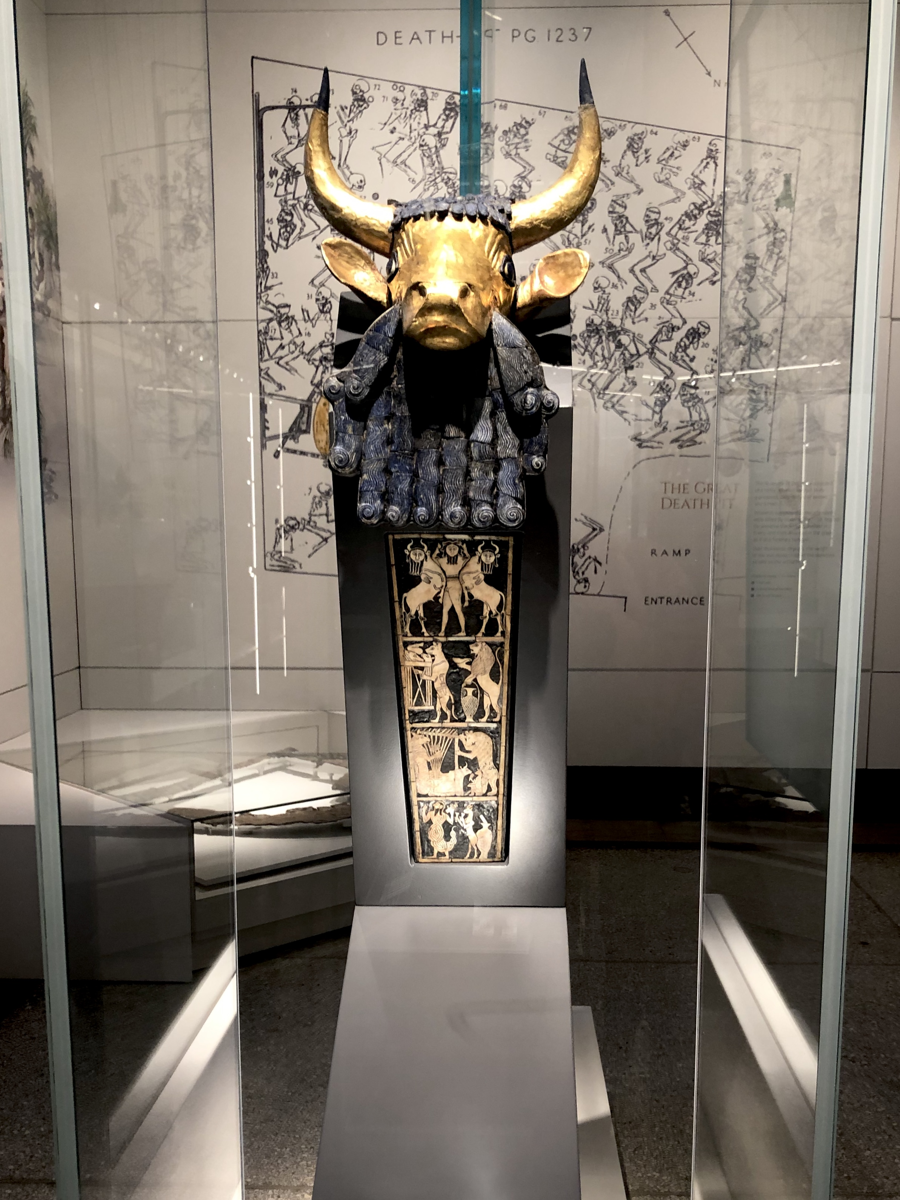


Building a Lyre of Ur — The Sumerian Bull Lyre
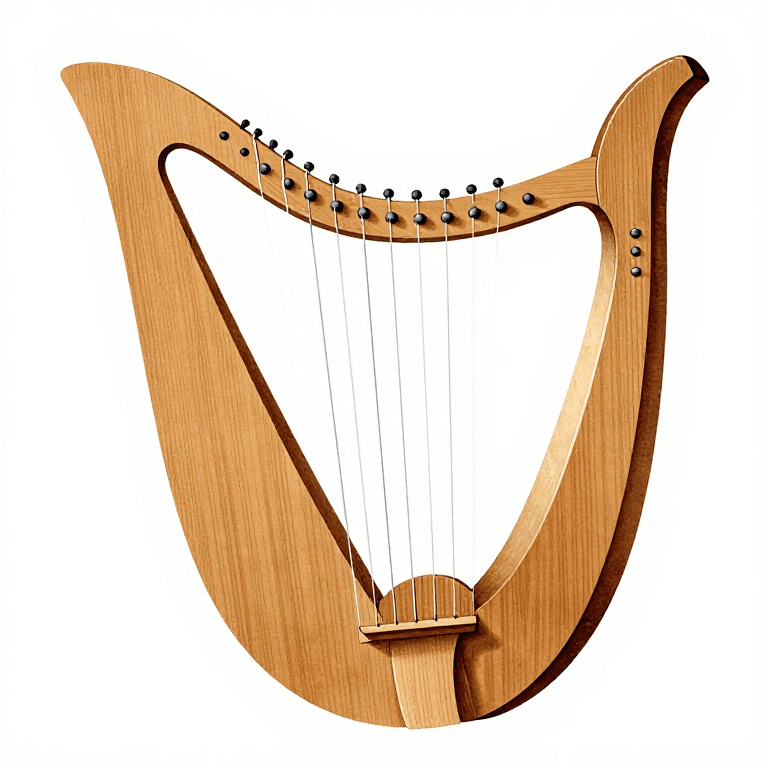
Build a large Sumerian yoke lyre in the style of the 4,500-year-old Lyre of Ur, the oldest stringed instrument ever found. Strings run from a deep soundbox up to a crossbar held between two arms, each plucked open. A serious maker build in the yoke lyre and how one string sounds one note.
Intermediário
Several hours over a few sessions
Instruções
1
1
The oldest strings on Earth
The oldest strings on Earth
The lyres from the Royal Cemetery of Ur (about 2500 BC) are the oldest stringed instruments ever found — deep soundboxes crowned with a golden bull's head, their strings plucked one note at a time.
2
2
Build the soundbox
Build the soundbox
Build a hollow wooden soundbox, broad and deep — the Ur lyre was large and full-voiced, much bigger than a Greek lyre.
Materiais para este passo:
 Dry Softwood Board1 peça
 PVA Wood Glue1 peça
Ferramentas necessárias:
 Hacksaw
3
3
Fit the soundboard
Fit the soundboard
Glue a thin soundboard over the top to seal the chamber, and cut a soundhole so the built-up sound can escape.
Materiais para este passo:
PVA Wood Glue1 peçaFerramentas necessárias:
 Sloyd Carving Knife
4
4
Raise the two arms
Raise the two arms
Fix two stout wooden arms rising up from the soundbox, leaning slightly outward like the horns of a bull.
Materiais para este passo:
 Dowel Rod1 peçaPVA Wood Glue1 peça
5
5
Fit the yoke
Fit the yoke
Lay a crossbar — the yoke — between the tops of the two arms. The strings will hang from this bar down to the soundbox.
Materiais para este passo:
Dowel Rod1 peça6
6
Add a bull's head
Add a bull's head
Carve or model a bull's head for the front of the soundbox — the emblem of the Ur lyres, whose deep tone echoed the bull's bellow.
Ferramentas necessárias:
Sloyd Carving Knife7
7
String it to the yoke
String it to the yoke
Anchor eight to eleven strings at the soundbox, run each up to the yoke, and wrap it around the bar with a leather strip so it can be tuned by twisting.
Materiais para este passo:
 Steel Music Wire 0.032"1 peça
8
8
Tune the strings
Tune the strings
Twist each string's wrap around the yoke to tune it — tighter for a higher note — setting the strings to the notes of a scale, lowest to highest.
9
9
Play it
Play it
Pluck the open strings with your fingers or a plectrum. Because each string is a fixed note, you play a lyre by choosing which strings to sound.
10
10
Compendium — the yoke lyre
Compendium — the yoke lyre
A lyre is a yoke instrument: its strings run from the soundbox up to a crossbar (the yoke) held between two arms, and each string is tuned to its own note and plucked open. Unlike the fretted langspil or a guitar, a lyre has no way to shorten a string as you play, so it needs one string per note — which is why lyres have many strings. The soundbox amplifies them exactly as in every stringed instrument: the thin strings shake the light soundboard, which drives the air in the box out through the soundhole. The lyres of Ur, from about 2500 BC, are the oldest stringed instruments ever found — buried in the Royal Cemetery with gold, lapis lazuli and a bull's head whose deep voice the instrument's tone was meant to echo. They were tuned by wrapping each string around the yoke with a strip of leather or a tuning rod and twisting it. The Greek lyre and kithara are direct descendants of this Near-Eastern design, and the same string-and-soundbox idea, given a fretted neck, grows into the lute and the guitar. String pitch obeys the same three rules as the musical bow: tension, length and mass.
Materiais
4- 1 peçaReferência
- 1 peçaReferência
- 1 peçaReferência
- 1 peçaReferência
Blueprints relacionados
Estes blueprints compartilham conhecimento — técnicas, materiais ou princípios
CC0 Domínio Público
Este blueprint é liberado sob CC0. Você é livre para copiar, modificar, distribuir e usar este trabalho para qualquer finalidade, sem pedir permissão.
Apoie o Maker comprando produtos através do Blueprint, onde ele ganha uma Comissão Maker definida pelos vendedores, ou crie uma nova versão deste Blueprint e inclua-o como conexão no seu próprio Blueprint para compartilhar receita.