ARTE
BELEZA E BEM-ESTAR
ARTESANATO
CULTURA E HISTÓRIA
ENTRETENIMENTO
MEIO AMBIENTE
COMIDA E BEBIDAS
ENGENHARIA REVERSA
CIÊNCIAS
ESPORTES
TECNOLOGIA
TECNOLOGIA VESTÍVEL



The Disc Harrow: Dished Wheels Set at an Angle
A plough turns the soil over in slabs; a seed needs it broken fine. Tine harrows dragged through clods catch and choke on trash. A disc harrow rolls through instead: rows of dished steel discs on shafts turned at an angle to the direction of travel, so each disc both rolls and scrapes sideways, cutting clods and residue and throwing the soil aside.
Silas A. Moody of San Francisco patented a "sod-cutter" of sharp circular knives on an axle in 1866, and Frederick Nishwitz of Brooklyn patented a revolving harrow in 1869 with dished discs under two beams set in a V, their angles adjustable — generally credited as the forerunner of the modern disc harrow.
This rung splits a disc's motion into rolling and scraping, shows why gangs come in opposed pairs, and measures draft and side force on a bench gang in sand.
Iniciante
About 3 hours
Instruções
1
1
Rolling, scraping, side force and width
Rolling, scraping, side force and width
A carregar o notebook Jupyter…
2
2
What the harrow follows
What the harrow follows
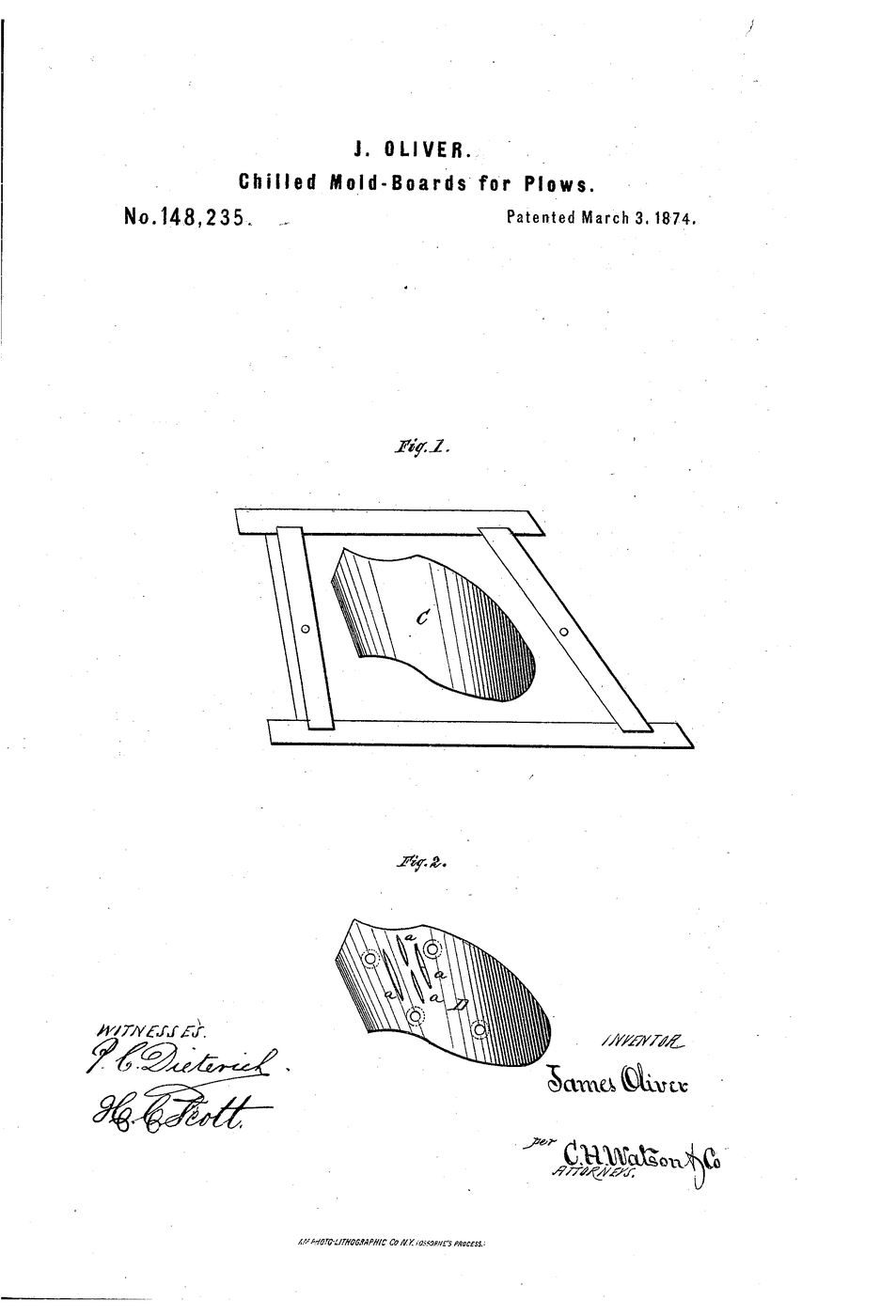
The disc harrow works ground a plough has already turned. The embedded blueprint shows the chilled plough that opened it.
3
3
Build a bench gang
Build a bench gang
Use five small stainless steel bowls, about 90 mm across, as dished discs: drill a 6 mm hole at the centre of each. Thread them on a 6 mm threaded rod, all facing the same way, 40 mm apart, with nuts and washers either side of each — that is the gang.
Mount the rod's ends in two plywood cheeks joined by a crossbar, with the rod free to turn. Drill the crossbar so the towing point can be set to make the gang angle 0, 10, 20 or 30 degrees to square, checked with a protractor. Fill a tray 80 mm deep with damp sand, packed firm.
Materiais para este passo:
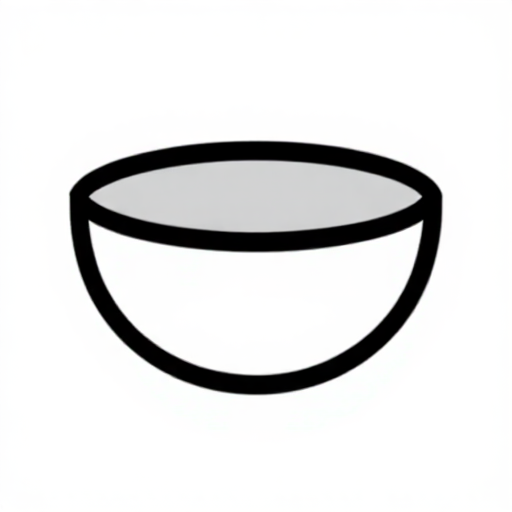 Conjunto de taças de aço inoxidável1 peça
 Varão roscado1 peça
 Anilha plana12 peças
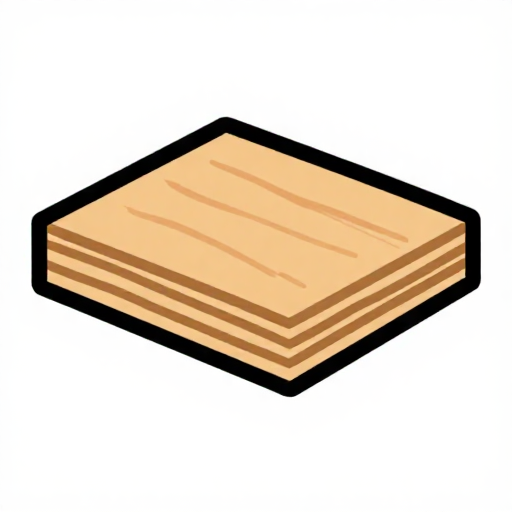 Placa de contraplacado1 peça
 Areia fina20 kilogram
 Água2 litros
Ferramentas necessárias:
 Berbequim sem fios
 Jogo de brocas
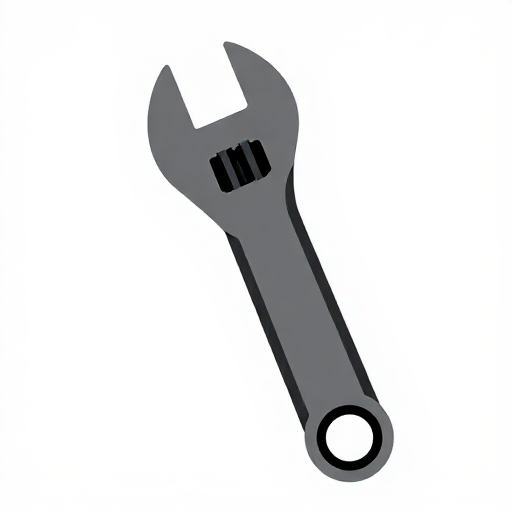 Chave inglesa ajustável
 Transferidor
 Régua
Régua4
4
Measure draft and side force
Measure draft and side force
Weight the gang so the discs sink to the same depth each run. At each gang angle pull it 400 mm through the sand at a steady pace with one spring scale in the line of travel (draft), while a second scale, hooked sideways to the frame and held square, keeps it running straight (side force). Rake and repack the sand between runs.
At zero angle the discs roll and barely disturb the sand; the draft and side force are small. As the angle rises both grow, and the sand is thrown to one side in a ridge. Now build a second gang with the bowls facing the other way and tow it behind the first, offset: the sideways scale reading falls towards zero.
Ferramentas necessárias:
 Dinamómetro (balança de mola)
 PesoRégua
5
5
A disc harrow leaving poor work
A disc harrow leaving poor work
Disc harrow faults and their usual causes.
Flow
Loading...
6
6
History and honest limits
History and honest limits
**Silas A. Moody** (San Francisco, 1866) and **Frederick Nishwitz** (Brooklyn, 1869) patented early disc cutters and harrows; Nishwitz's V-framed harrow of dished discs on adjustable brackets is generally credited as the forerunner of the modern one. Disc harrows spread through the Middle West and Great Plains from the 1870s.
**Honest limits.** Discing breaks soil structure; done too often, or on wet ground, it leaves a compacted pan just below its depth, and fine bare soil blows and washes away. The side-force model in the notebook is proportional by assumption — the bench measurements are what tell you how your soil actually behaves.
Materiais
6- Referência
- 1 peçaReferência
- 12 peçasReferência
- 1 peçaReferência
- 20 kilogramReferência
- 2 litrosReferência
Ferramentas necessárias
7- 1 vendor sell this, none ship to you yetReferência
- Referência
- Referência
- Referência
- Referência
- Referência
- Referência
Blueprints relacionados
Estes blueprints compartilham conhecimento — técnicas, materiais ou princípios



CC0 Domínio Público
Este blueprint é liberado sob CC0. Você é livre para copiar, modificar, distribuir e usar este trabalho para qualquer finalidade, sem pedir permissão.
Apoie o Maker comprando produtos através do Blueprint, onde ele ganha uma Comissão Maker definida pelos vendedores, ou crie uma nova versão deste Blueprint e inclua-o como conexão no seu próprio Blueprint para compartilhar receita.