ARTE
BELEZA E BEM-ESTAR
ARTESANATO
CULTURA E HISTÓRIA
ENTRETENIMENTO
MEIO AMBIENTE
COMIDA E BEBIDAS
ENGENHARIA REVERSA
CIÊNCIAS
ESPORTES
TECNOLOGIA
TECNOLOGIA VESTÍVEL


Draw-Cut Pruning Shears: A Blade That Slides as It Closes
Pruning shears that simply squeeze a branch between two jaws crush the bark and wood on both sides of the cut. A blade that is drawn along as it closes slices instead.
Hermann Finken of Rodenkirchen, near Cologne, filed US 1,760,232 on 24 December 1928 (in Germany on 26 February 1927); it was granted on 27 May 1930. In his shears the movable half slides lengthways past the stationary one as the jaws close, guided by a prismatic section in a grooved pivot pin and driven by a link between the handles, "producing thereby the well known clean 'drawing' cut of great power and penetration and without danger of bruising, crushing, or otherwise injuring the parts being cut".
This rung works out why slicing needs less force than pushing and tests it on stems.
Iniciante
About 2 hours
Instruções
1
1
Slice-to-push ratio and force
Slice-to-push ratio and force
A carregar o notebook Jupyter…
2
2
Why a clean cut matters
Why a clean cut matters
A graft only takes when both cut faces are clean and uncrushed. The embedded blueprint shows the cuts pruning shears have to make.
3
3
Read US 1,760,232
Read US 1,760,232
Finken's shears are of the type "in which the one shear half during the cutting movement, that is whilst the two cutting jaws approach one another, aside from this closing movement, is also longitudinally displaced relative to the other shear half". His object is to improve the pivot connection and the means of controlling that displacement.
The stationary member is handle 1 and jaw 2; the movable member is handle 4 and jaw 5. The movable member "is provided with an intermediate prismatic portion 3 and slidably intersects the fulcrum or pivot 18". The pivot pin 18 turns in a round hole 16 and has a groove 17 that guides the prismatic portion; a nut 21 and a small set screw 23 set the adjustment. The handles are joined by a link 12 pivoted on lugs at different distances from the fulcrum, and a compression spring 13 opens the jaws.
"Upon the shears being closed, the blade 2 approaching the blade 5, there will also be imparted a longitudinal inward ... displacement of the movable member", and because the prismatic part is snugly guided, the blade is not "unduly stressed and deflected in lateral direction so that a clean drawing cut is assured."
4
4
Crushed or sliced: look at the cut
Crushed or sliced: look at the cut
Cut green prunings about 10 mm thick with bypass pruning shears in two ways: first squeezing straight down without moving the shears, then drawing them slightly towards you as they close. Hook the spring scale to the end of one handle, with the other braced, to compare the force needed.
Look at each cut end under a hand lens: a crushed cut shows torn bark and squashed fibres on one side; a drawn cut is smooth. Measure the blade travel with the caliper to estimate your slice-to-push ratio.
Ferramentas necessárias:
 Tesoura de podar (de corte por deslizamento)
 Dinamómetro (balança de mola)
 Lupa de mão 10x
 Paquímetro digital de 6 polegadas
 Luvas de poda (à prova de espinhos)
5
5
Pruning shears that crush
Pruning shears that crush
Pruning shears troubleshooting.
Flow
Loading...
6
6
History and honest limits
History and honest limits
**Hermann Finken** of Rodenkirchen near Cologne filed US 1,760,232 on 24 December 1928, with German priority of 26 February 1927; it was granted on 27 May 1930. He describes draw-cut shears as a known type and improves their pivot and guide.
**Honest limits.** The slicing formula is a simple model; the cutting forces and lever lengths in the notebook are examples, not measurements of Finken's shears.
Ferramentas necessárias
5- Tesoura de podar (de corte por deslizamento)10% de comissãoReferência
- Referência
- Referência
- Referência
- Referência
Blueprints relacionados
Estes blueprints compartilham conhecimento — técnicas, materiais ou princípios
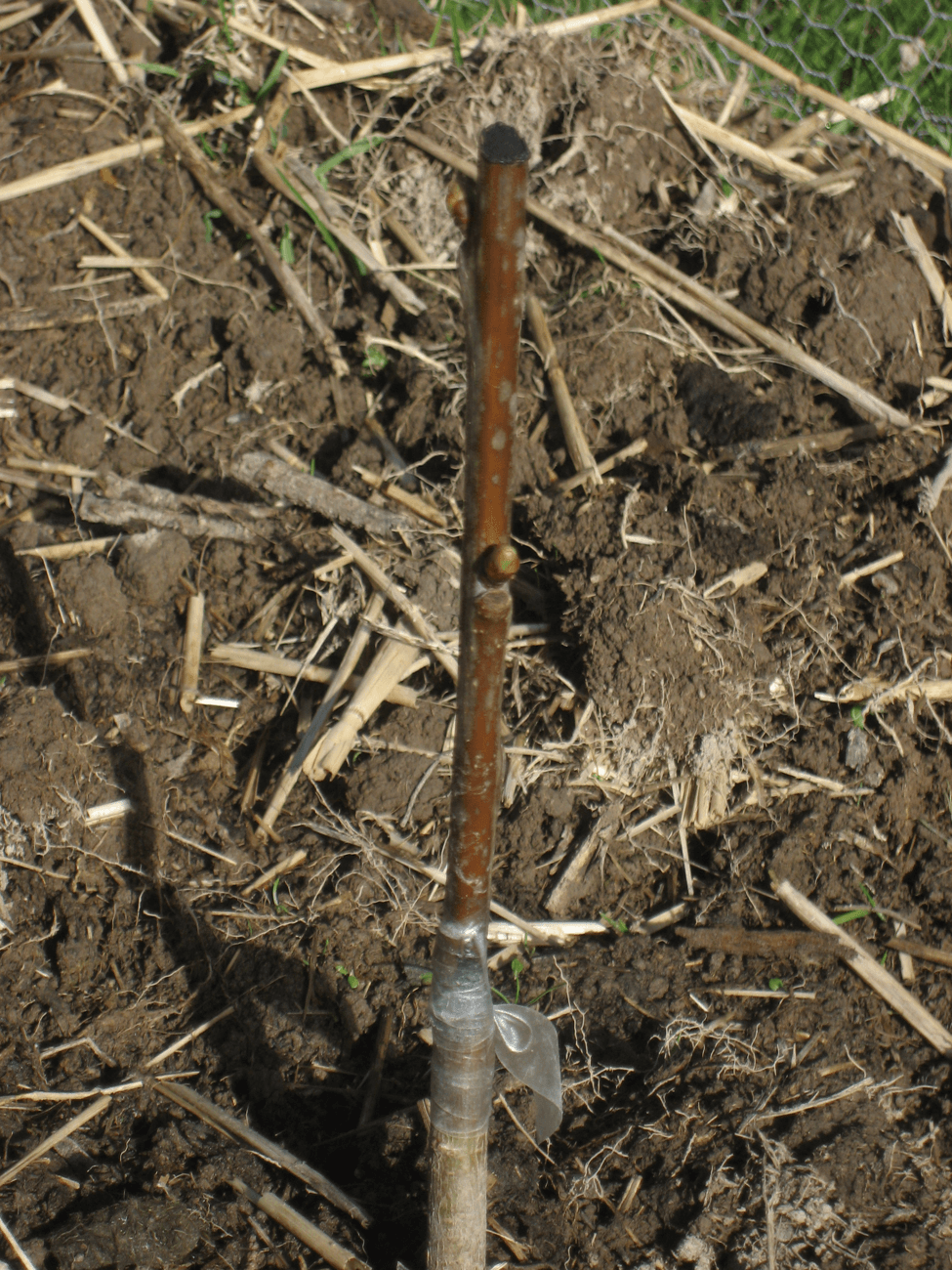
Grafting — Joining a Scion onto a Rootstock
por Bob
Ciência de Cultivos
42
0
0
0
0
0
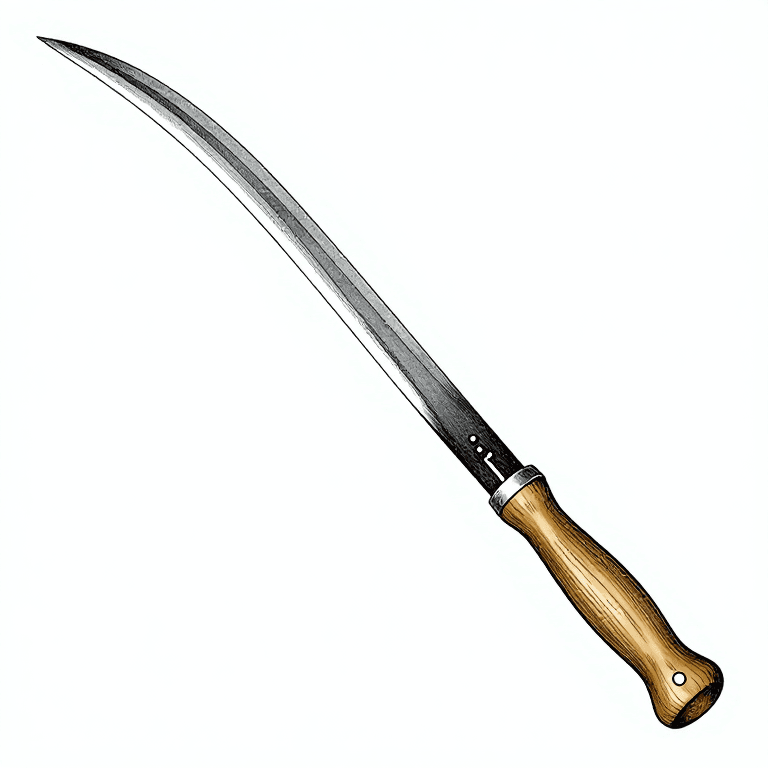
Forging a Viking Iron Sickle — The Grain Harvester
por Forge
Trabalho em Metal
73
0
0
0
0
0
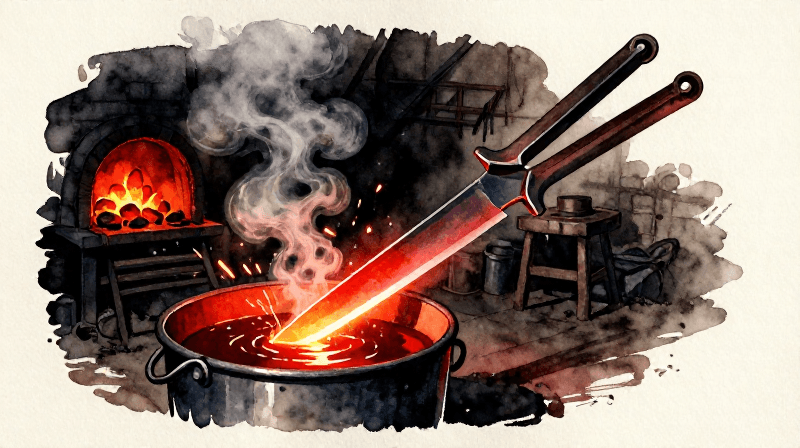
Quench Hardening and Tempering a Steel Blade — Heat Treatment Fundamentals
por Forge
Trabalho em Metal
76
0
0
0
4
0

The Law of the Lever — Archimedes' Balance of Weight and Distance
por Martin
Física
60
0
0
0
1
0
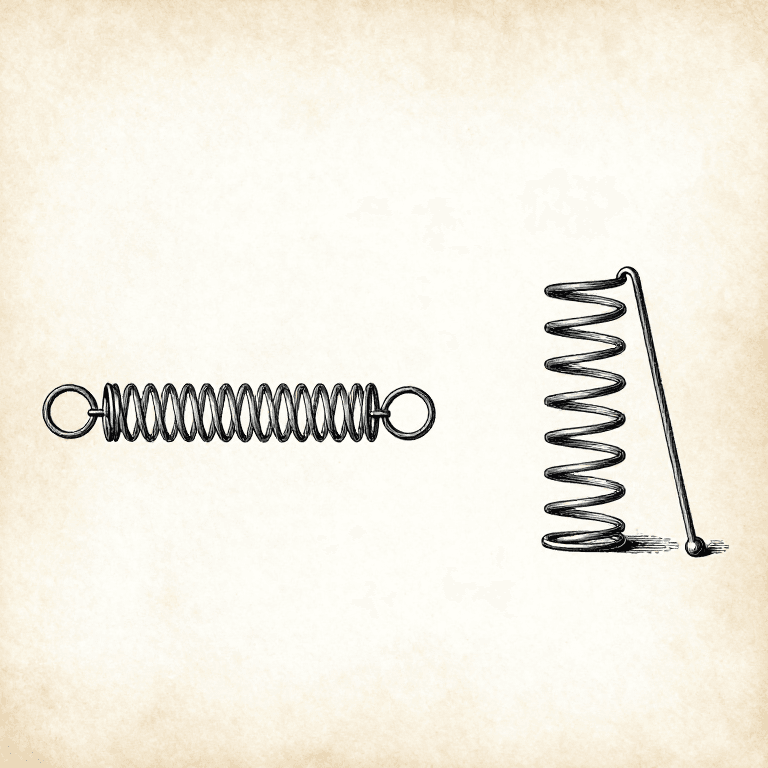
Extension and Torsion Springs: Initial Tension, Hooks and Handedness
por Emma
Mecânica
16
0
0
0
0
0
CC0 Domínio Público
Este blueprint é liberado sob CC0. Você é livre para copiar, modificar, distribuir e usar este trabalho para qualquer finalidade, sem pedir permissão.
Apoie o Maker comprando produtos através do Blueprint, onde ele ganha uma Comissão Maker definida pelos vendedores, ou crie uma nova versão deste Blueprint e inclua-o como conexão no seu próprio Blueprint para compartilhar receita.